
Executive Overview
In an era where digital content saturation often numbs audiences to traditional philanthropic appeals, creative partnerships between media platforms and rescue organizations are carving out a fresh, highly effective paradigm. At the intersection of entertainment and animal welfare lies a groundbreaking collaboration: celebrity-driven "dream dates" conceptualized and executed by The Dodo, one of the world’s leading animal-focused digital media brands.
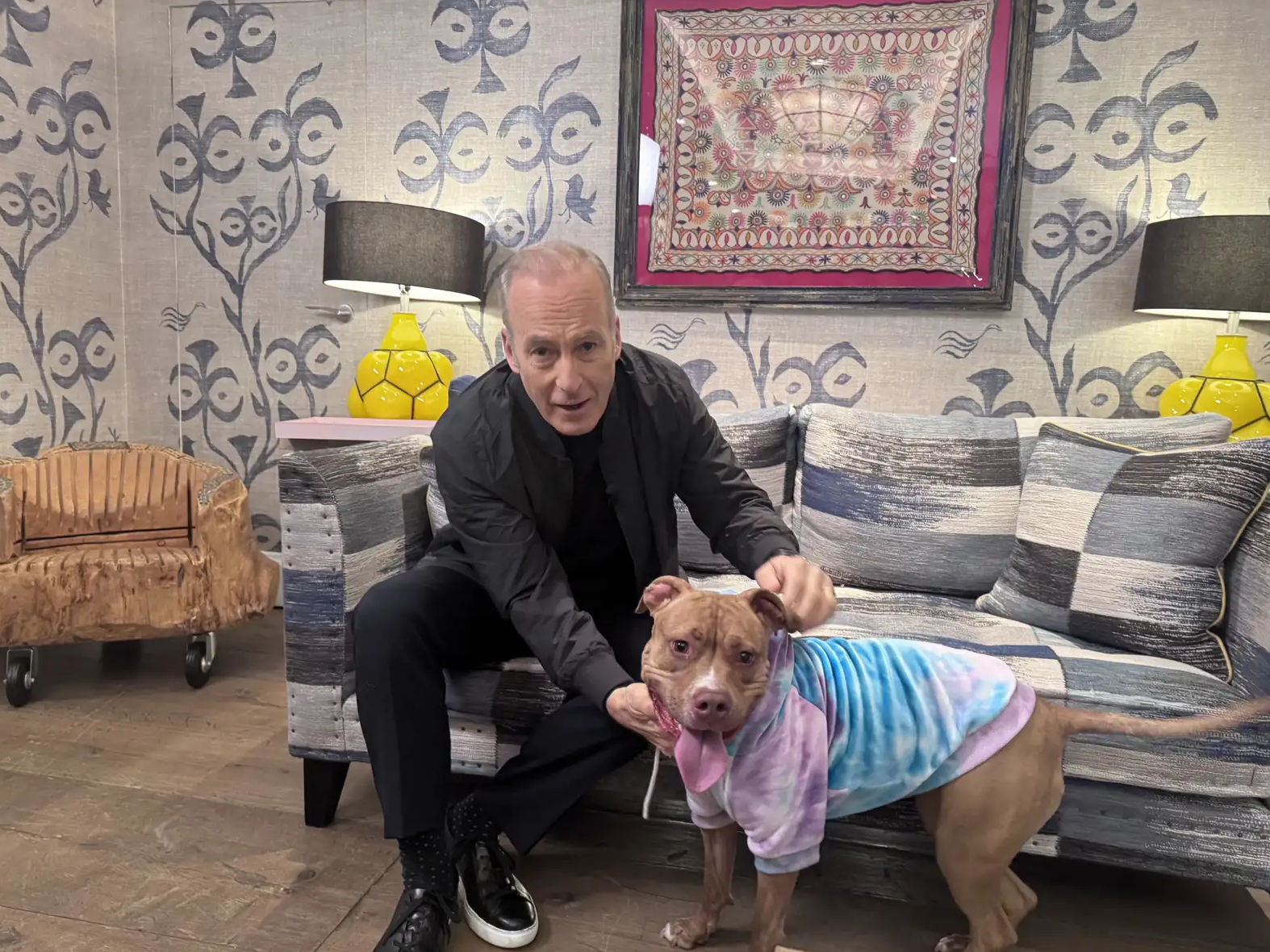
Recent programming features high-profile personalities—such as critically acclaimed actor Bob Odenkirk—participating in intimate, heartwarming segments designed to spotlight shelter animals in desperate need of permanent homes. By leveraging mainstream star power, these initiatives bridge the gap between casual viewers and active rescue participation.
This article investigates the mechanics of these celebrity animal pairings, evaluates the operational models of modern rescue groups like Muddy Paws Rescue, and explores how pop-culture advocacy is transforming the landscape of pet adoption. Through a detailed analysis of recent campaigns, programmatic shifts in the rescue community, and the quantifiable impact of digital storytelling, we examine how these star-studded campaigns are rewriting the future of animal rescue.
Detailed Chronology: From Screen to Shelter
The trajectory of celebrity-infused animal advocacy has evolved significantly over the past decade, shifting from passive celebrity endorsements to active, immersive participation.
Phase 1: The Era of Static Endorsements (Pre-2020)
Historically, celebrity involvement in animal rescue was largely limited to public service announcements (PSAs), red-carpet appearances, or social media posts urging followers to "adopt, don’t shop." While effective for raising general awareness, these campaigns often lacked a direct conversion mechanism. Potential adopters were left to navigate complex, fragmented local shelter networks on their own, resulting in high drop-off rates between inspiration and action.

Phase 2: The Rise of Immersive Digital Storytelling (2020–2024)
As digital platforms matured, media entities like The Dodo revolutionized animal content by giving rescue animals distinct, compelling personalities. Short-form and long-form video storytelling transformed nameless shelter dogs and cats into viral sensations. During this period, celebrity involvement shifted from distant cheerleading to hands-on interaction. Stars began visiting sanctuaries, fostering animals, and participating in narrative-driven content that placed the animal’s journey front and center.
Phase 3: The "Dream Date" Paradigm Shift (2025–Present)
The modern era of advocacy is defined by high-concept, experiential content—most notably, The Dodo’s "Dream Date" series. In these segments, beloved actors, comedians, and public figures are paired with rescue animals for specially curated, delightful outings.
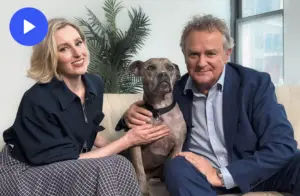
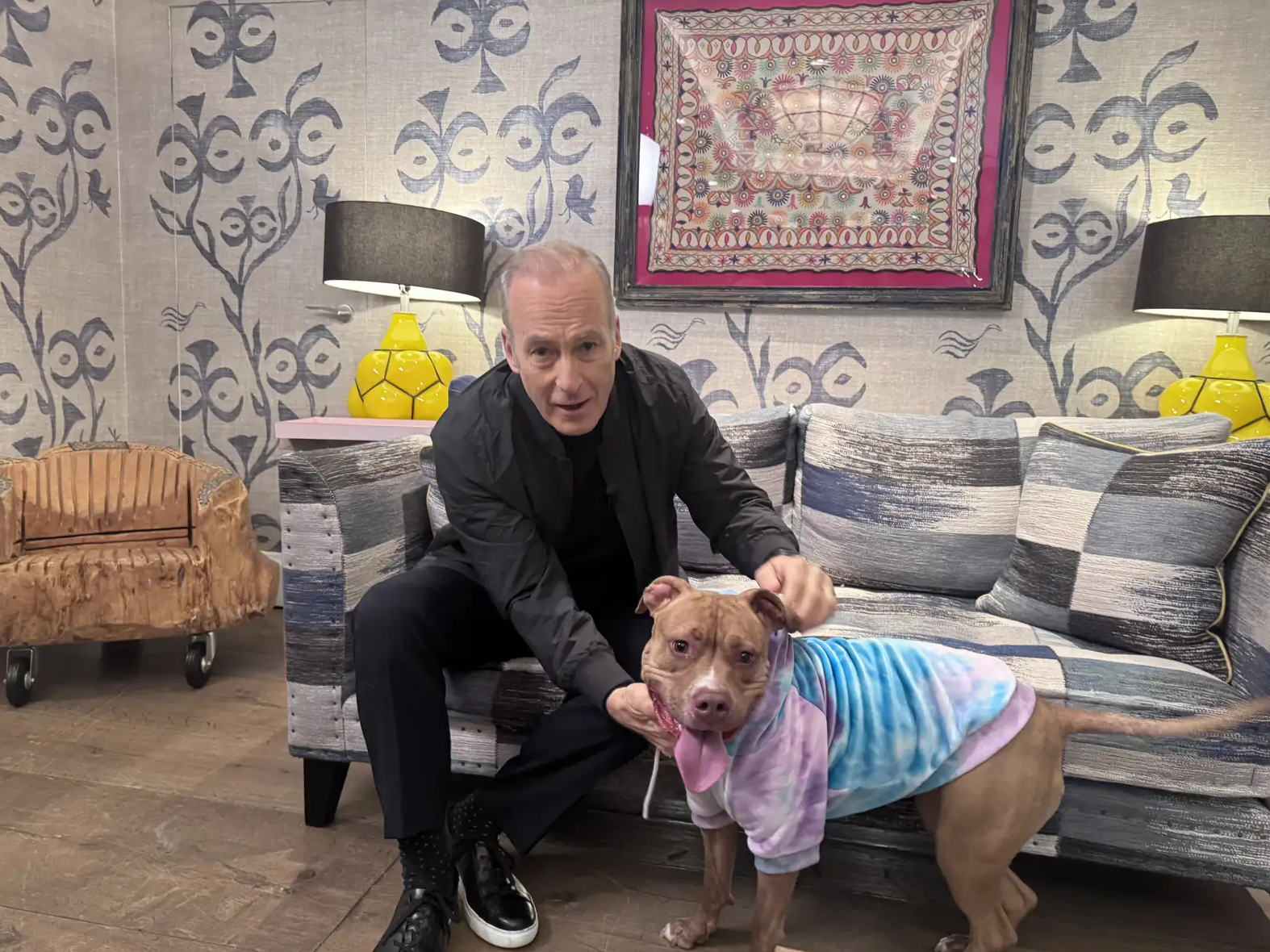
A prime example of this innovative format brought acclaimed actor Bob Odenkirk together with an adoptable dog named Mariska. Rather than a standard meet-and-greet in a sterile shelter environment, the "dream date" framework places the celebrity and the animal in engaging, real-world scenarios. This format allows the animal’s true temperament to shine, demonstrating how rescue pets adapt to social settings, handle new stimuli, and bond with humans.
The success of these segments relies heavily on emotional resonance. Viewers do not just see an animal in need; they watch a recognizable, trusted public figure fall in love with that specific animal in real time. This creates an immediate psychological bridge, driving web traffic, adoption applications, and heightened public interest in partnering rescue organizations.
Supporting Context & Metrics: The Mechanics of Modern Rescue
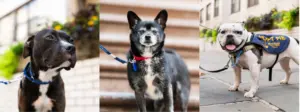
Behind the viral charm of celebrity dream dates lies a sophisticated operational network of progressive animal rescue organizations. Chief among these innovators is Muddy Paws Rescue, an organization that has consistently pushed the envelope on how urban shelters operate, process applications, and place dogs in forever homes.
Progressive Adoption Models
Traditional rescue operations often enforce rigid, exclusionary adoption criteria that inadvertently deter qualified applicants. Muddy Paws Rescue and similar modern groups have abandoned these outdated gatekeeping practices in favor of progressive frameworks designed to maximize placement success.
- The Flex Adoption Program: Recognizing that many potential pet parents hesitate due to lifestyle uncertainties, flexible adoption programs allow prospective owners a structured transition period. This temporary-to-permanent framework significantly reduces the anxiety of commitment and lowers return rates.
- Streamlined Digital Registration: By overhauling adoption registration processes into intuitive, user-friendly digital portals, organizations remove administrative friction. In the digital age, a prospective adopter should be able to express interest, submit credentials, and schedule a meeting with the same ease as booking a rideshare.
- Removal of Breed Labels: One of the most forward-thinking policies adopted by modern rescues is the elimination—or minimization—of visual breed labeling. Because visual identification of mixed-breed dogs is notoriously inaccurate (often relying on guesswork), breed labels can trigger unfair biases based on municipal legislation or landlord restrictions. By focusing instead on an individual dog’s size, energy level, and personality, rescues ensure fairer matches and combat systemic discrimination against bully breeds and other misunderstood types.
The Amplification Effect of Media Partnerships
When a high-profile rescue organization is spotlighted by major cultural touchpoints—such as TimeOut naming Muddy Paws one of the best places to adopt, or high-end fashion collaborations like Oscar de la Renta launching bespoke dog bow lines benefiting the rescue—the ripple effects are measurable.
Data from shelter networks indicates that a single viral media feature can result in:
- A 300% to 500% spike in daily website traffic within 48 hours of publication.
- A dramatic acceleration in the adoption velocity of long-term shelter residents.
- Increased corporate sponsorship and private donations, enabling rescues to expand medical care pipelines for high-need animals.
Official Statements and Industry Insights
The convergence of high-art fashion, mainstream entertainment, and animal welfare underscores a broader philosophical shift: animal rescue is no longer viewed as a peripheral charity niche, but as an integral component of community culture.
Industry leaders and participating artists have increasingly spoken out about the necessity of innovative storytelling in rescue work. While formal transcripts from individual celebrity appearances emphasize lighthearted camaraderie—such as the playful banter observed during Bob Odenkirk and Mariska’s mediated encounter—the underlying messaging from rescue directors remains fiercely purposeful.

"We aren’t just placing dogs into houses; we are changing the cultural narrative around who a rescue animal is," notes a senior operations coordinator at Muddy Paws Rescue. "When people see someone they admire—whether it’s an iconic actor or a global fashion house—championing a rescue dog, it validates the choice to adopt. It strips away the lingering stigma that shelter pets are damaged goods."
Media analysts point out that the democratization of pet adoption through entertainment serves a dual purpose. It educates the public on behavioral training, proper veterinary care, and the realities of fostering, while simultaneously providing celebrities with an authentic platform to channel their public influence toward measurable social good.
Future Outlook: Where Entertainment and Animal Welfare Converge
As we look toward the future of animal rescue, the blueprint established by The Dodo and organizations like Muddy Paws Rescue points toward several emerging trends:
1. Immersive and Interactive Digital Campaigns
Future advocacy will likely move beyond passive video consumption into interactive formats. Augmented reality (AR) previews of adoptable pets, virtual "foster-from-home" simulations, and live-streamed enrichment sessions with celebrity foster parents will further blur the line between digital entertainment and real-world civic action.
2. Cross-Industry Brand Collaborations
The success of high-fashion and lifestyle integrations—such as designer pet accessories funding shelter medical funds—demonstrates that consumers want their purchasing power to align with ethical values. Expect an increase in cross-industry partnerships where retail brands, entertainment franchises, and animal rescues co-create products and experiences that fund direct rescue operations.

3. Data-Driven Matching Algorithms
As adoption platforms become increasingly digitized, the integration of behavioral science and data analytics will refine how shelters match pets with humans. Moving away from subjective intake evaluations toward objective behavioral compatibility metrics will ensure lower return rates and happier, more stable homes for rescued animals.
Conclusion
The pairing of cultural icons with shelter animals through creative media initiatives is far more than a passing internet trend; it is a masterclass in modern advocacy. By combining the emotional pull of celebrity storytelling with the rigorous, compassionate operational models of progressive rescues, the animal welfare community is proving that saving lives can—and should—captivate the public imagination. As long as stars continue to shine a light on our four-legged friends, the future for shelter animals looks brighter than ever.