
As the global agricultural sector faces the tightening vice of climate change, labor deficits, and tightening environmental regulations, the path forward is increasingly being paved by breakthrough technology. TIME magazine has officially unveiled the agriculture category of its prestigious Best Inventions list for 2026, spotlighting six visionary technologies that are fundamentally reshaping crop genetics, farm robotics, pollinator management, circular agriculture, and nutrient recycling.
These honnores form a core component of TIME’s broader 2026 Best Inventions ranking, which highlights 300 products, software systems, and conceptual breakthroughs that the publication believes are rendering the world "better, smarter, and more fun." Selected from a rigorous global pool of nominations submitted by editors, industry correspondents, and inventors worldwide, the agricultural victors were judged on originality, efficacy, ambition, and tangible industry impact.
Together, these six innovations paint a vivid picture of twenty-first-century farming: one where ultraviolet light replaces synthetic chemicals, artificial intelligence shepherds honeybees, human waste transforms into high-grade crop nutrition, and autonomous machinery relieves the crushing weight of global labor shortages.
Executive Overview: The Paradigm Shift in Global Agriculture
The 2026 selection marks a distinct turning point in how mainstream media evaluates agtech. Rather than focusing solely on incremental yield gains, this year’s honorees address systemic, foundational vulnerabilities within the food supply chain.
Modern agriculture stands at a historic crossroads. Arable land is shrinking, input costs for chemical fertilizers and synthetic pesticides remain volatile, and extreme weather events—from persistent droughts to unseasonal frosts—are disrupting historical growing cycles. Simultaneously, the agricultural workforce is aging and shrinking rapidly, creating an acute crisis in labor-intensive sectors like specialty crops, vineyards, and horticulture.
The technologies recognized by TIME do not merely offer temporary workarounds; they represent structural paradigm shifts. They redefine our relationship with inputs (using light and recycled waste instead of synthetics), optimize our human resources (multiplying worker productivity via collaborative robotics), and protect our vital ecosystems (safeguarding fragile pollinator populations through AI-driven hive surveillance).
By analyzing these six groundbreaking solutions, industry stakeholders gain a clear window into the prevailing trends and commercial imperatives that will govern agronomy, venture capital, and farm management for the next decade.
Detailed Chronology of Innovation: From Concept to Global Recognition
The journey of these six technologies to the TIME Best Inventions list is a testament to years of rigorous research, field trials, regulatory navigation, and commercial scaling.
The Evolution of Sustainable Agtech (2020–2026)
- The Rise of Non-Chemical Crop Protection: Over the past five years, mounting regulatory pressure on synthetic fungicides and pesticides—particularly in the European Union and parts of North America—forced innovators to look outside the chemical playbook. Companies like Saga Robotics accelerated their development of physical and biological interventions, transitioning from experimental greenhouse trials to widespread commercial deployment across thousands of acres of high-value crops.
- The Automation Boom: Farm robotics shifted rapidly from remote-controlled novelties to autonomous, utility-driven workhorses. Confronting escalating labor costs, developers of platforms like Burro Grande 44 and Thorvald focused on immediate Return on Investment (ROI), proving that robotics could shoulder the most physically punishing aspects of farm labor without requiring sweeping infrastructure overhauls.
- The Circular Economy Pivot: Nutrient recovery and waste valorization evolved from niche sustainability projects into critical components of food security. With geopolitical shocks threatening traditional synthetic fertilizer supply chains, innovations like VunaNexus Aurin and the 2nd Nature AgWaste Portal moved to the forefront of resource efficiency.
Deep Dive: The Six Breakthrough Technologies of 2026
1. BioLumic (xTraits Platform)
Category: Crop Genetics & Seed Innovation
Seed technology has long relied on genetic modification, traditional breeding, or chemical seed treatments to impart desirable traits. BioLumic has disrupted this paradigm with its proprietary xTraits platform, which leverages precise applications of light to unlock and enhance crop performance directly at the seed stage.
TIME recognized BioLumic for "giving crops a stronger start," underscoring an exploding market interest in seed innovations that can boost productivity and environmental resilience without altering a plant’s underlying DNA via traditional GMO pathways. By treating seeds with specific light recipes, BioLumic activates natural, beneficial physiological pathways within the plant. This results in enhanced root development, improved vigor, and increased tolerance to abiotic stresses such as drought and extreme heat—crucial advantages in an era of erratic climate patterns.
2. Burro Grande 44
Category: Agricultural Robotics & Field Automation
Labor shortages have become the single greatest operational threat to specialty crop producers globally. Addressing this crisis head-on, the Burro Grande 44 earned its place on the TIME list as a premier "all-purpose farm robot."
Unlike heavy, single-use machinery, autonomous mobile robots (AMRs) like the Burro Grande 44 are designed to work safely alongside human workforces, hauling harvested produce, tools, and supplies across complex terrain. This symbiotic relationship dramatically alters field economics. Charlie Andersen, CEO of Burro, highlighted the multiplier effect of this technology to TIME:
"When you have a robot running around carrying the fruit people pick back to central points, each person is 30% more productive."
By eliminating the exhausting, time-consuming task of walking heavy baskets of fruit or vegetables to collection points, farmers can keep human hands focused purely on harvesting, mitigating the impact of labor shortfalls.
3. Beewise Robi
Category: Pollinator Management & Apiculture
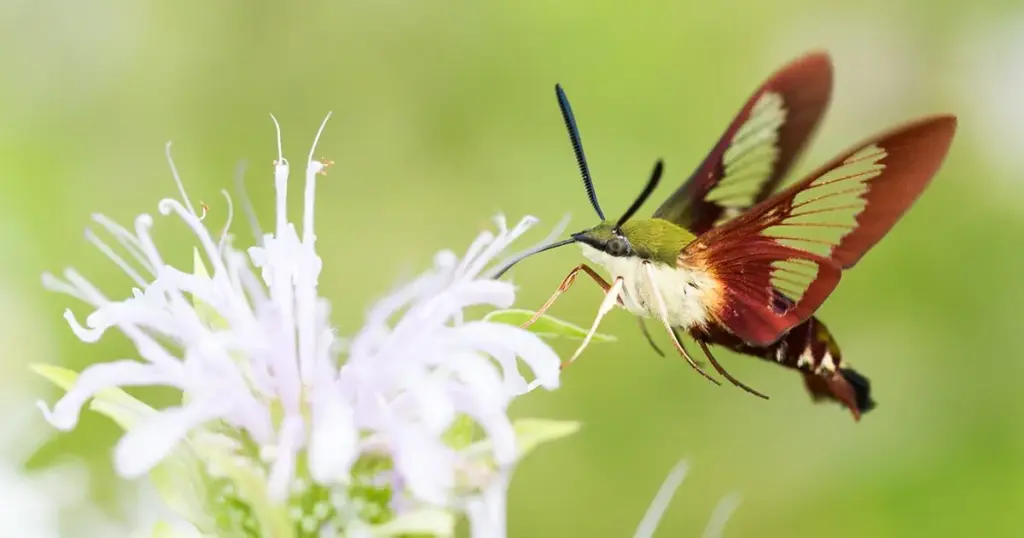
Global food production is inextricably linked to pollinator health, yet honeybee colonies face unprecedented collapse rates driven by disease, pesticide exposure, and habitat loss. Beewise Robi was selected by TIME for its pioneering integration of automation and artificial intelligence into commercial beekeeping.
The Robi platform functions as an autonomous, robotic beehive management system. Utilizing advanced computer vision and climate-control mechanisms, it monitors hive health in real-time, detects pests (such as the devastating Varroa mite) before they decimate a colony, and automatically applies necessary treatments or adjustments. By safeguarding pollination services, Beewise addresses a critical vulnerability in the production of high-value crops like almonds, apples, and berries.
4. 2nd Nature AgWaste Portal
Category: Circular Agriculture & Waste Valorization
Agriculture generates millions of tons of biological side streams annually—from fruit pomace and husks to crop residues and food processing by-products. Historically viewed as a disposal burden or low-value compost, these materials are now being unlocked for their hidden commercial chemistry.
The 2nd Nature AgWaste Portal earned global recognition for using artificial intelligence to provide "a second life for scraps." The AI-driven platform scans and analyzes agricultural waste streams to identify and extract commercially valuable compounds, such as high-grade antioxidants, natural colorants, biopolymers, and specialty chemicals. By turning agricultural waste into high-value secondary inputs, the platform transforms an environmental liability into a lucrative revenue stream for food processors and farmers alike.
5. Saga Robotics (Thorvald Platform)
Category: Disease Control & Specialty Crop Protection
Powdery mildew is one of the most persistent and destructive fungal pathogens plaguing vineyards and soft fruit production worldwide. Traditionally controlled through frequent applications of synthetic fungicides, growers are now turning to non-chemical alternatives to combat resistance and meet strict residue limits.
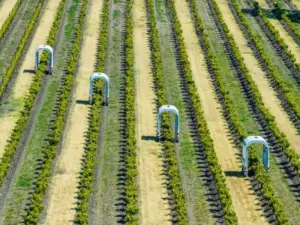
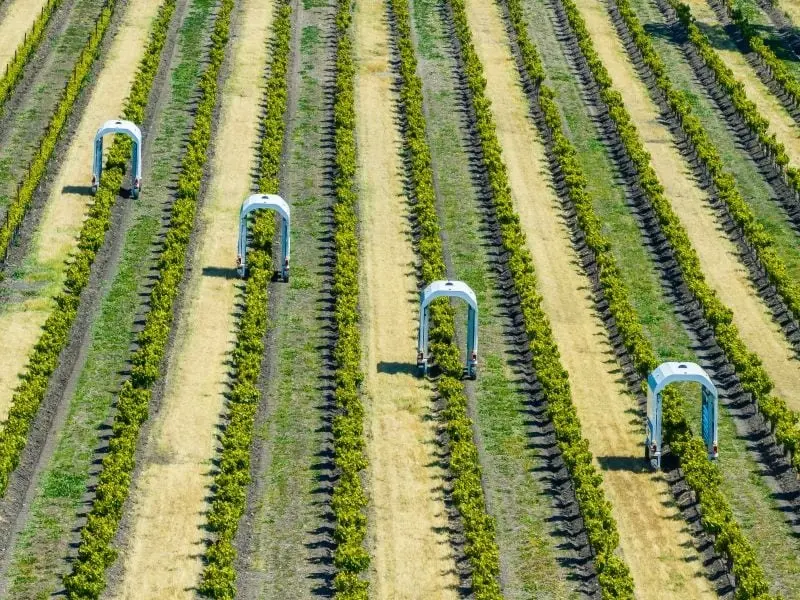
Saga Robotics secured its place on the TIME Best Inventions list for Thorvald, its autonomous vineyard and field robot that uses ultraviolet-C (UV-C) light to control powdery mildew. By operating autonomously—frequently at night when UV-C efficacy is highest and plant damage is avoided—Thorvald disrupts the DNA of fungal spores without chemical residues. The commercial impact of Thorvald is scaling rapidly: in 2026, the autonomous platform is treating an estimated 30% of the United Kingdom’s tabletop strawberry production and roughly 2,500 acres of California vineyards.
6. VunaNexus Aurin
Category: Nutrient Recovery & Circular Fertilizers
Rounding out the agricultural category is an innovation that challenges traditional taboos while addressing pressing agronomic needs: VunaNexus Aurin, a fertilizer product derived from safely processed human urine.
Described by TIME simply as "garden fertilizer from urine," this technology represents the cutting edge of nutrient recovery. Human urine is naturally rich in essential plant nutrients, particularly nitrogen, phosphorus, and potassium. By capturing and treating urine at the source, VunaNexus produces a clean, highly effective liquid fertilizer that bypasses the energy-intensive Haber-Bosch process used to manufacture synthetic nitrogen. As the agricultural sector seeks out sustainable, locally sourced inputs, urine-derived fertilizers offer a circular solution to looming mineral fertilizer shortages.
Supporting Context & Industry Metrics
The elevation of these six technologies by TIME reflects broader, powerful financial and structural shifts occurring within the global agtech landscape:
- Venture Capital Resilience: Despite a broader contraction in venture funding across consumer technology sectors, agtech sub-sectors focused on labor automation, biologicals, and circular resource management continue to attract robust institutional capital.
- Regulatory Headwinds as Catalysts: Stricter European Union restrictions under the Farm to Fork strategy—aimed at halving chemical pesticide use by 2030—have created an urgent commercial demand for non-chemical disease control methods like Saga Robotics’ Thorvald.
- The Productivity Imperative: With global food demand projected to rise by roughly 50% by 2050, technologies that amplify human output (such as Burro’s collaborative robotics) are no longer viewed as luxury upgrades, but as existential necessities for farm survival.
Future Outlook: What the 2026 List Signals for Tomorrow’s Farms
The 2026 TIME Best Inventions list offers a clear prophetic outline of the farm of the future. We are moving away from brute-force, broad-spectrum chemical interventions and entering an era defined by precision, biology, and circularity.
Over the next five to ten years, expect to see:
- Mainstream Autonomous Fleets: Robots will no longer be solitary novelties in fields; they will operate in coordinated, AI-managed swarms handling everything from targeted weeding and UV disease suppression to autonomous harvesting and crop transport.
- Mainstream Circularity: Nutrient loops will close. Technologies like VunaNexus Aurin and AI platforms identifying high-value waste streams will transition from avant-garde concepts to standard municipal and agricultural infrastructure.
- Data-Driven Seed Selection: Tools like BioLumic’s light-activated traits will become standard components of seed commerce, allowing farmers to order seeds pre-programmed for specific microclimates and weather stressors.
As these six pioneering inventions demonstrate, the future of agriculture is not about fighting nature with heavier chemistry, but about harmonizing human ingenuity, artificial intelligence, and ecological systems to produce more with less.