The domestic cat (Felis catus) is frequently stereotyped as an aloof, sedentary creature that spends its waking hours basking in sunbeams and sleeping. However, ethologists and cat behaviorists recognize that many modern breeds possess complex, high-octane cognitive profiles characterized by intense curiosity, advanced problem-solving capabilities, and boundless energy. When these physiological and psychological drives are left unchanneled within standard indoor living environments, cats often resort to self-invented forms of entertainment.
From scaling bookcases and opening kitchen cabinets to investigating running faucets and batting at fragile glassware, certain feline breeds exhibit a distinct penchant for domestic mischief. This investigative report examines the intrinsic traits of thirteen notoriously inquisitive and energetic cat breeds. It analyzes the evolutionary motivations behind their behavior, provides a detailed breakdown of each breed’s specific tendencies, and outlines authoritative, enrichment-based strategies for mitigating destructive antics through positive behavioral redirection.
Detailed Chronology & Behavioral Evolution of the Domestic Adventurer
The evolutionary lineage of the domestic cat traces back to Felis lybica, the African wildcat, whose survival relied entirely on acute spatial awareness, relentless tracking, and high-energy predatory bursts. While selective breeding has transformed the physical appearance and social tolerance of modern cats, it has not erased these foundational survival algorithms.
Historically, human-feline relationships were utilitarian; cats acted as rodent controllers in agricultural and maritime settings. Over the past century, however, urbanization has shifted cats into strictly indoor environments. For high-drive breeds—many of which have been developed through crosses with wild species or selected for extreme agility and intelligence—the modern living room represents a sensory-deprived landscape.
When an indoor environment fails to provide adequate mental and physical stimulation, a distinct behavioral timeline unfolds:
The Boredom Phase: The cat exhausts standard resting behaviors and begins scanning the immediate territory for novel stimuli.
The Investigation Phase: Driven by tactile and visual curiosity, the cat tests boundaries—pawing at closed doors, exploring high vantage points, and inspecting open containers.
The Escalation Phase: Unmet psychological needs lead to attention-seeking or self-reinforcing actions, such as manipulating household objects, vocalizing persistently, or transforming mundane items (like shopping bags or receipts) into complex hunting simulations.
Supporting Context & Behavioral Metrics
Understanding why certain cats are prone to disruptive exploration requires examining key behavioral metrics, including cognitive demand, play drive, and vertical territorial needs. According to feline behavior specialists, breeds that rank high in these metrics share common traits:
High Cognitive Plasticity: The ability to learn through observation, trial, and error. For instance, many high-drive breeds quickly learn how child-proof latches, lever-style door handles, and cupboard doors operate.
Intense Predatory Motor Patterns: A strong urge to stalk, chase, pounce, and bat objects. Breeds lacking an outlet for these instincts often redirect them toward human extremities, curtains, or loose household items.
Vertical Space Dependency: An evolutionary compulsion to seek elevated vantage points to survey territory and assess safety.
Below is an examination of the specific breeds most frequently associated with these high-energy, inquisitive profiles.
Breed Profiles: The Architects of Domestic Chaos
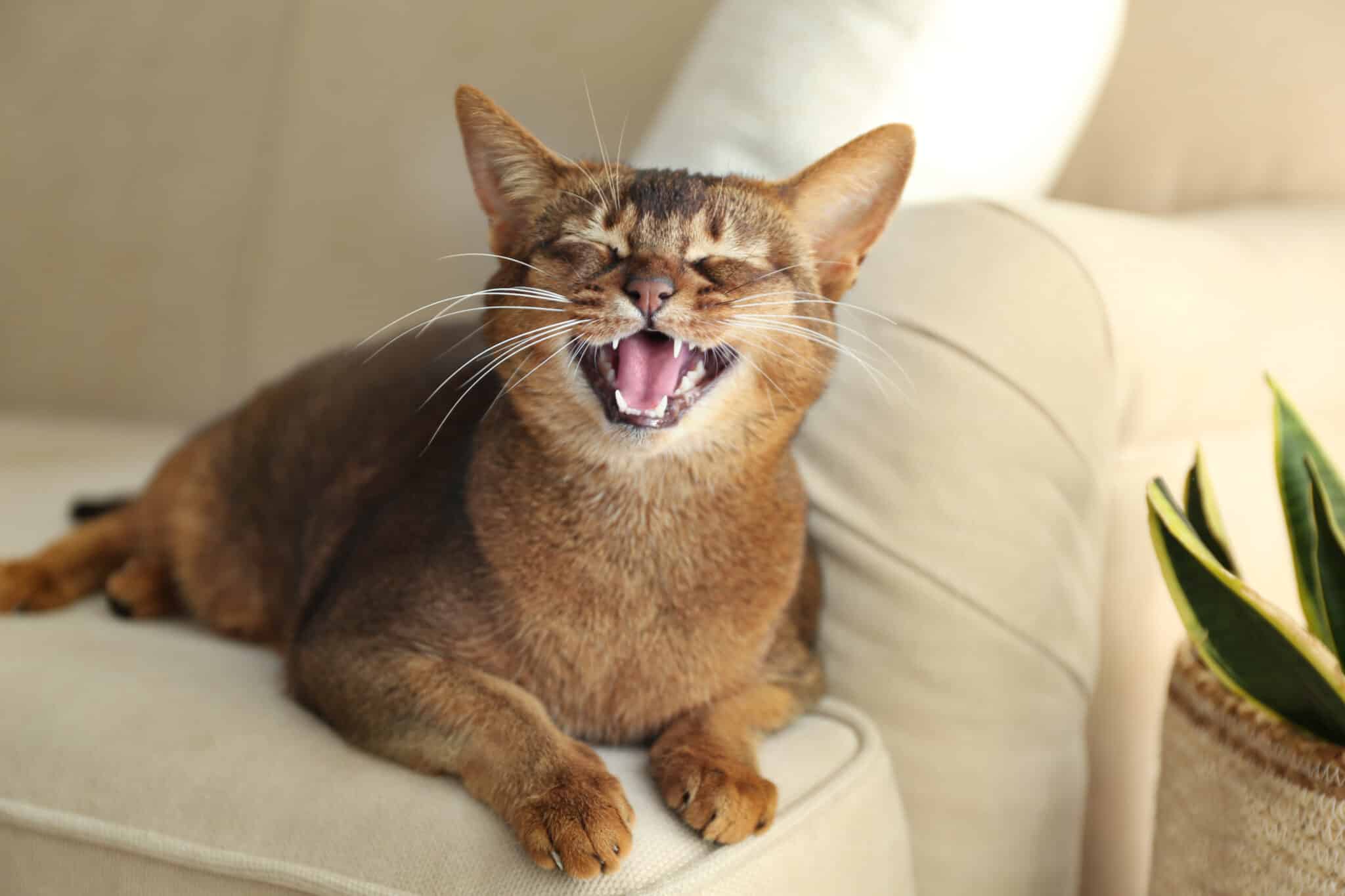
1. The Abyssinian
Widely regarded as one of the oldest and most athletic natural breeds, the Abyssinian is a perpetual motion machine. Characterized by a ticked agouti coat and lithe frame, Abyssinians possess an insatiable appetite for discovery.
Behavioral Tendencies: They are relentless climbers who view the highest points of a home—tops of kitchen cabinets, refrigerators, and high bookshelves—as their rightful domain. Their manual dexterity allows them to inspect open drawers and manipulate small objects.
Management: Without interactive play and puzzle feeders, Abyssinians invent their own entertainment. Multi-tiered cat trees and clicker training are essential for channeling their focus.
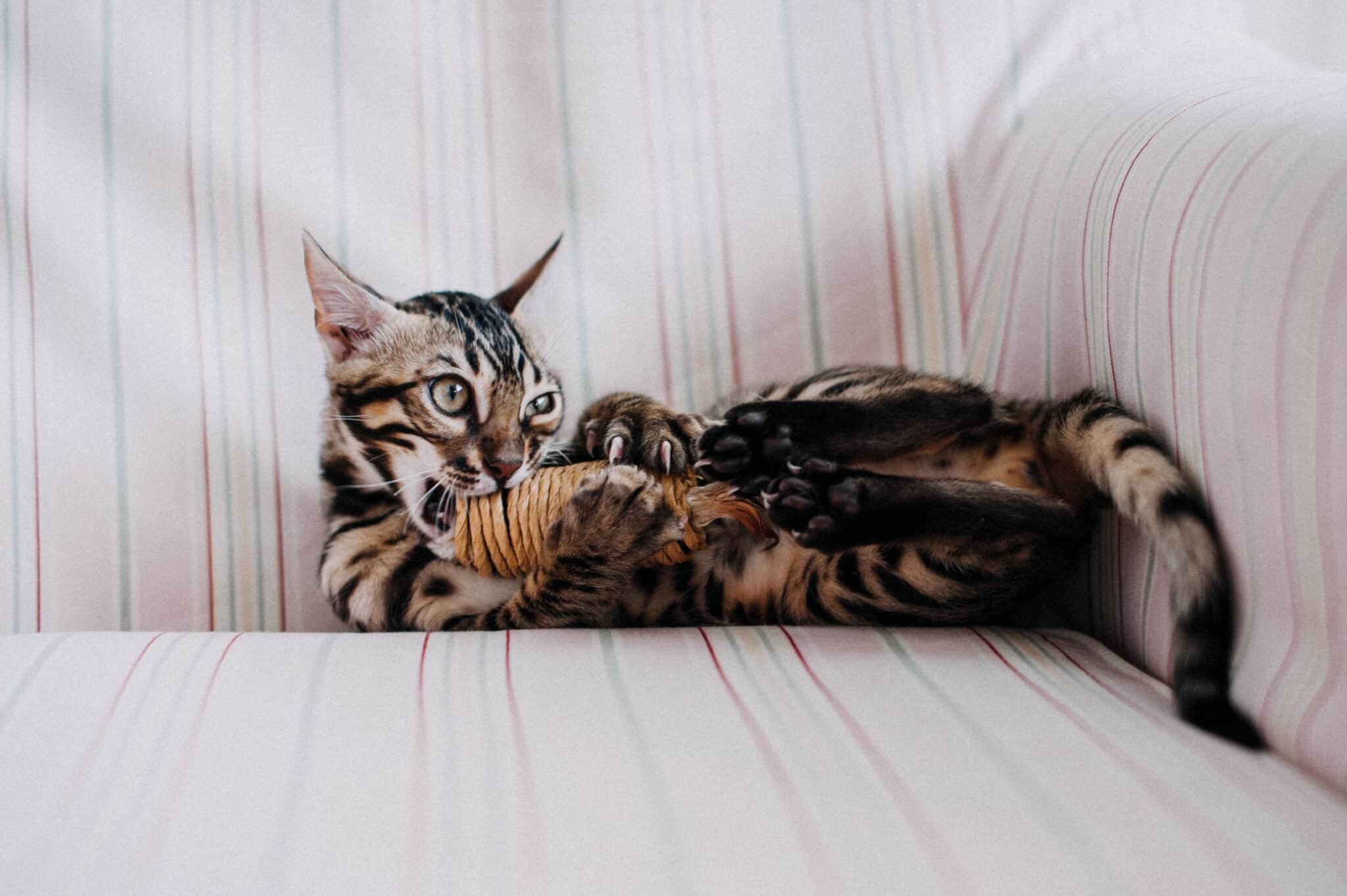
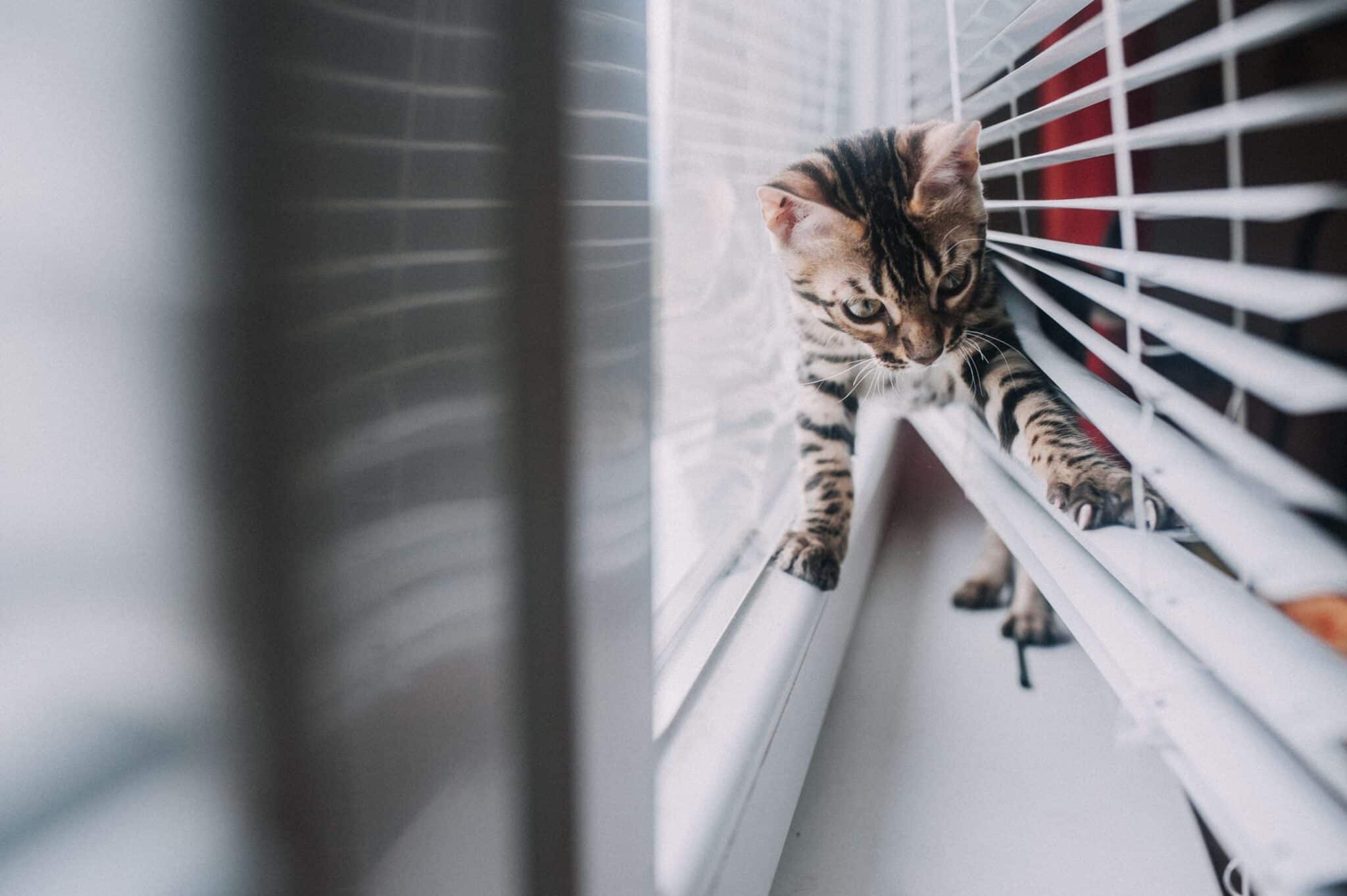
2. The Bengal
Bred from hybrid crosses between the Asian Leopard Cat (Prionailurus bengalensis) and domestic felines, Bengals retain a striking, wild aesthetic coupled with extraordinary intellect and high energy.
Behavioral Tendencies: Bengals are renowned for their fascination with water, often investigating running faucets or attempting to join owners in the shower. Their problem-solving skills enable them to open cabinets, turn on lights, and orchestrate elaborate hunting games using household items.
Management: They require substantial environmental enrichment, robust climbing structures, and structured play sessions to prevent the home from turning into an unpredictable obstacle course.
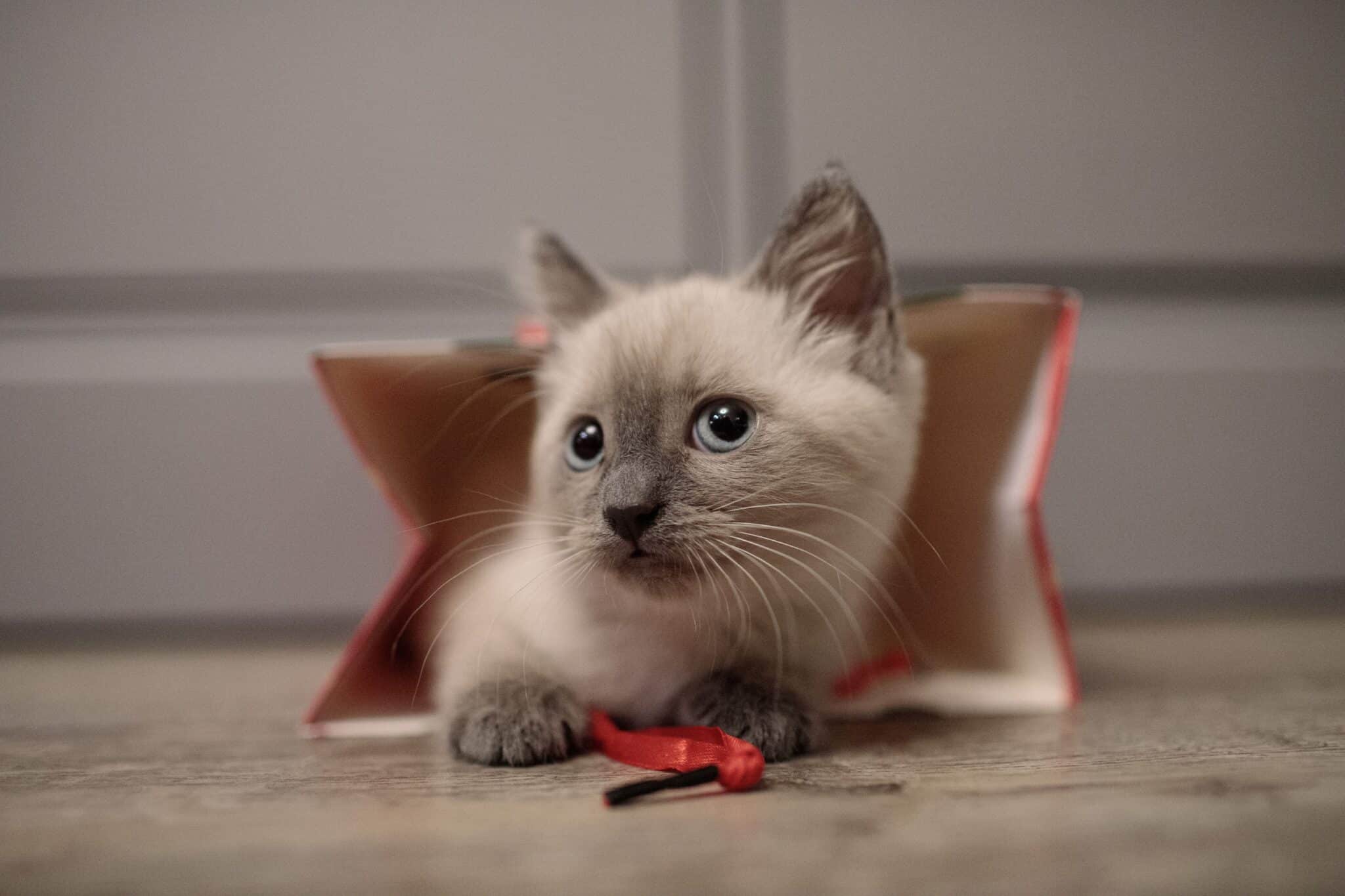
3. The Siamese
Elegantly structured and famously vocal, Siamese cats form intense bonds with their human companions and demand active engagement.
Behavioral Tendencies: Their high intelligence makes them remarkably persistent. If a Siamese cat determines that a cupboard holds treats or a closed door conceals a room, they will employ persistent pawing and vocalization. They quickly learn which behaviors secure human attention, even if that attention is a reprimand or laughter.
Management: Social enrichment, toy rotation, and interactive puzzle games help satisfy their sharp minds and reduce attention-seeking disruptions.
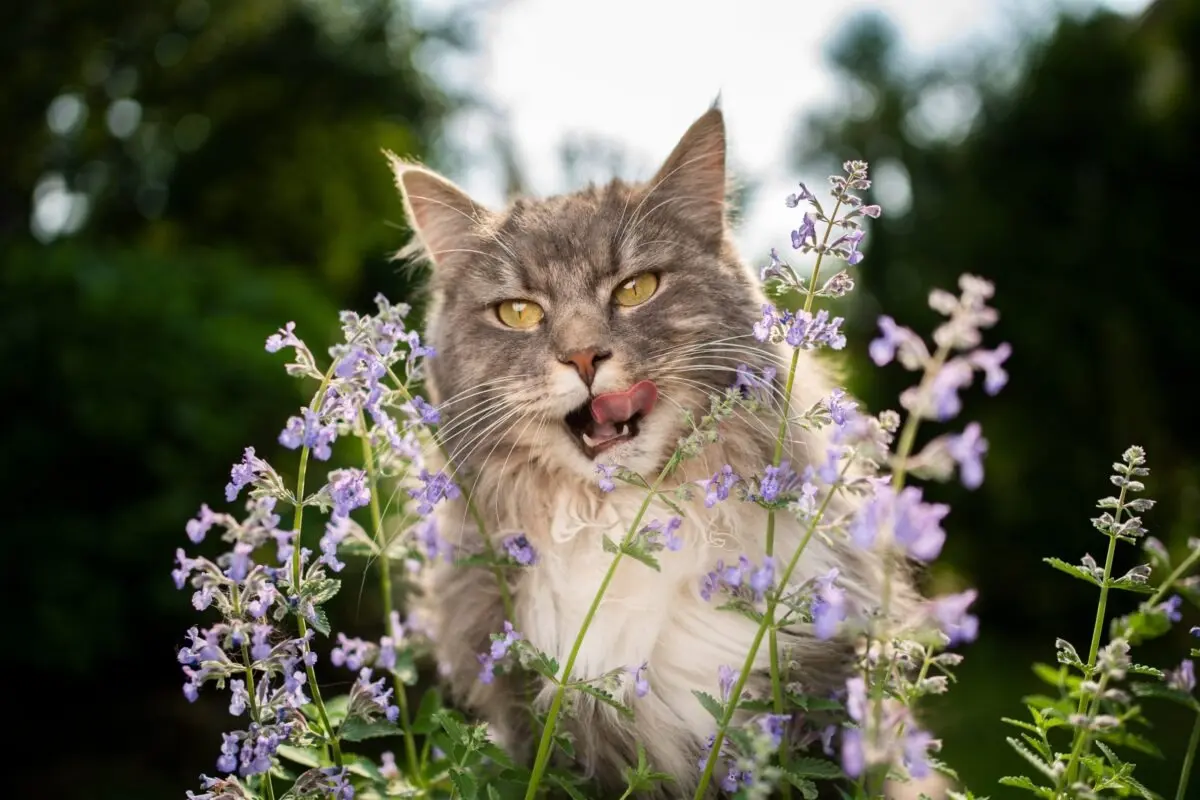
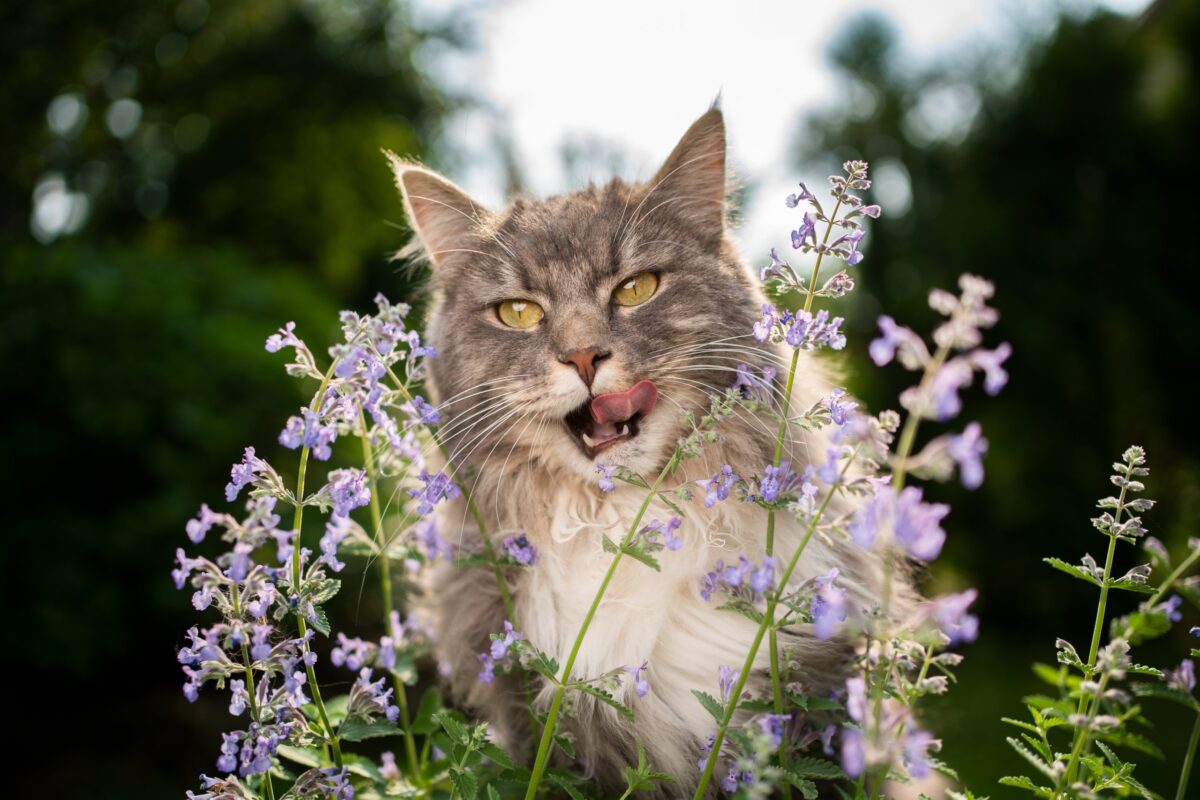
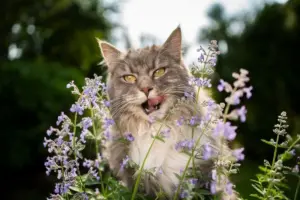
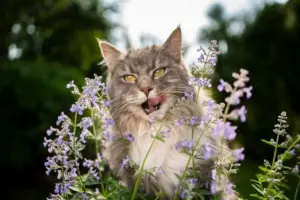
4. The Maine Coon
Despite their massive physical stature and luxurious coats, Maine Coons retain a kittenlike playfulness well into adulthood.
Behavioral Tendencies: These gentle giants are inveterate investigators of boxes, shopping bags, and elevated surfaces. Because of their large paws and powerful build, casual explorations—such as testing a glass of water or inspecting a counter—can result in dramatic mishaps.
Management: Sturdy, heavy-duty climbing furniture and spacious play areas provide these large cats with safe outlets for their physical curiosity.
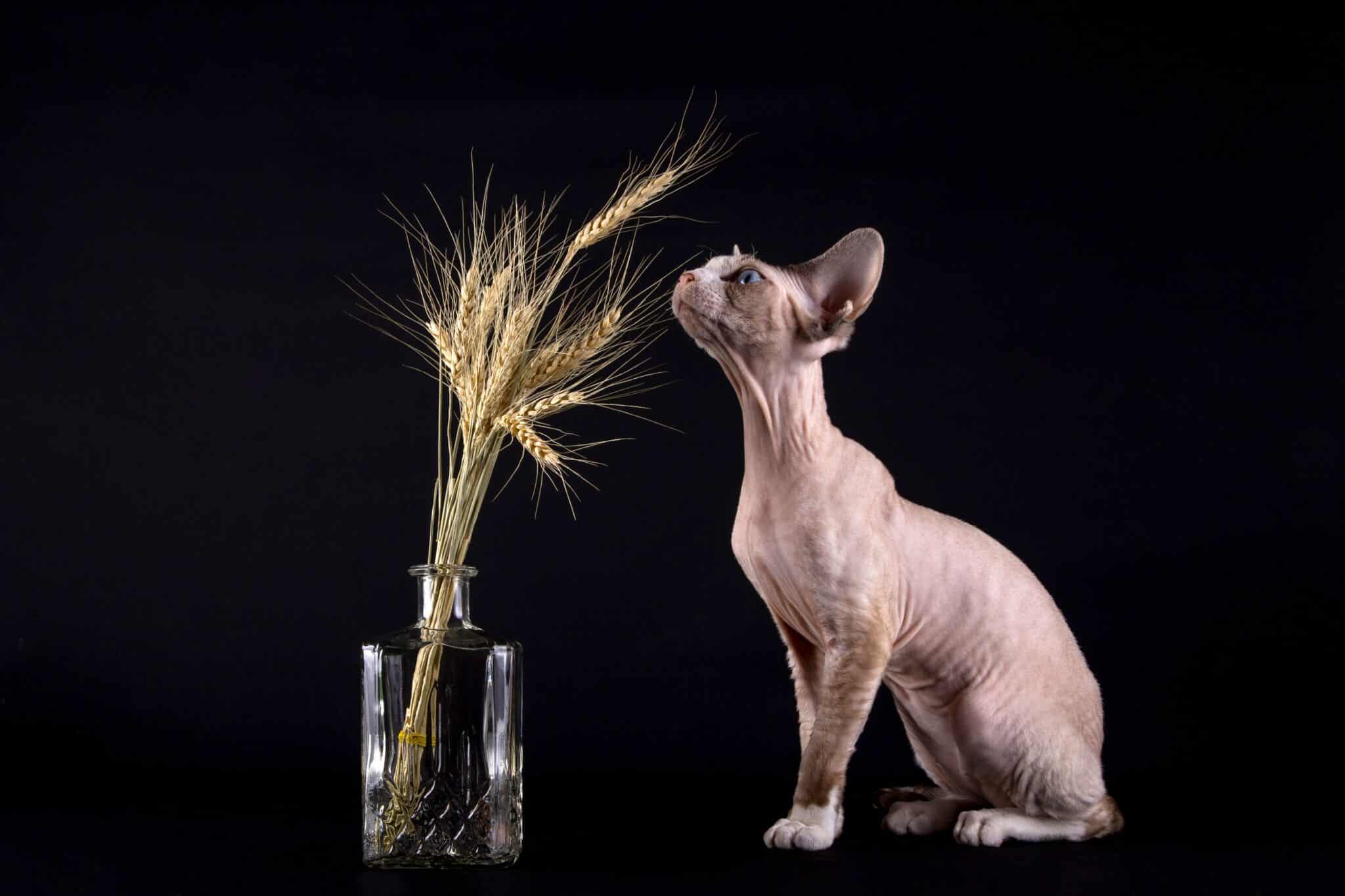
5. The Sphynx
Distinguished by their hairless appearance, warm velvety skin, and prominent ears, Sphynx cats are hyper-social extroverts.
Behavioral Tendencies: Their lack of coat makes them seek warmth, often leading them to climb onto shoulders, computer keyboards, or newly opened laundry piles. Their relentless pursuit of attention can manifest as persistent poking, exploring, and shadowing their human companions.
Management: Alongside warm resting spots and specialized skin care, Sphynx cats require constant social interaction to keep their inquisitive nature directed constructively.
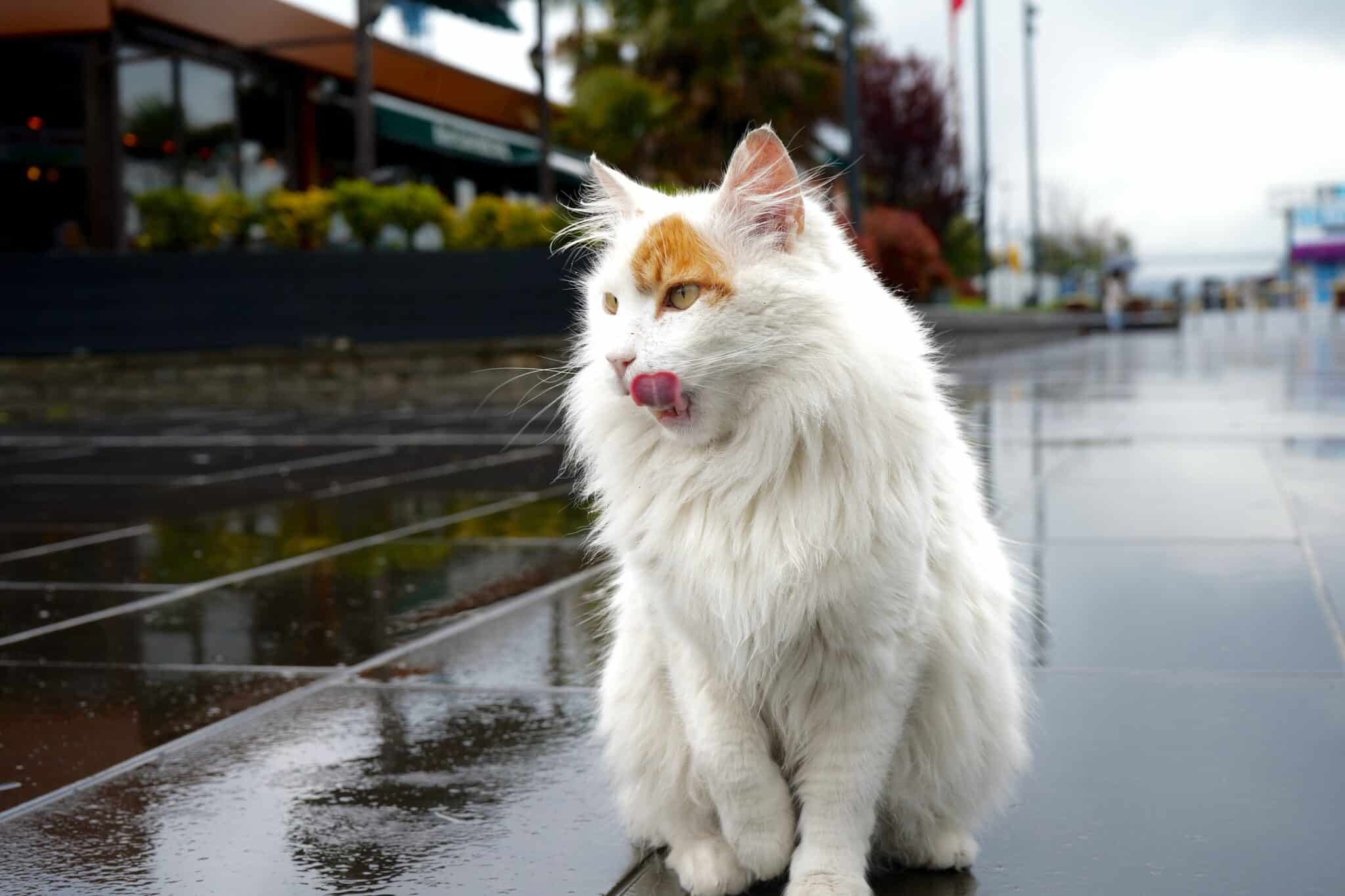
6. The Turkish Van
Often dubbed the "swimming cat," the Turkish Van possesses a powerful, muscular build and a unique affinity for water.
Behavioral Tendencies: Vans may inspect running taps, dip paws into water bowls, or observe liquid motion with intense concentration. As powerful climbers, they easily navigate high kitchen counters and bathroom fixtures.
Management: Secure kitchen and bathroom routines are vital. Providing safe, supervised water play alongside vertical climbing zones satisfies their unique physical drives.
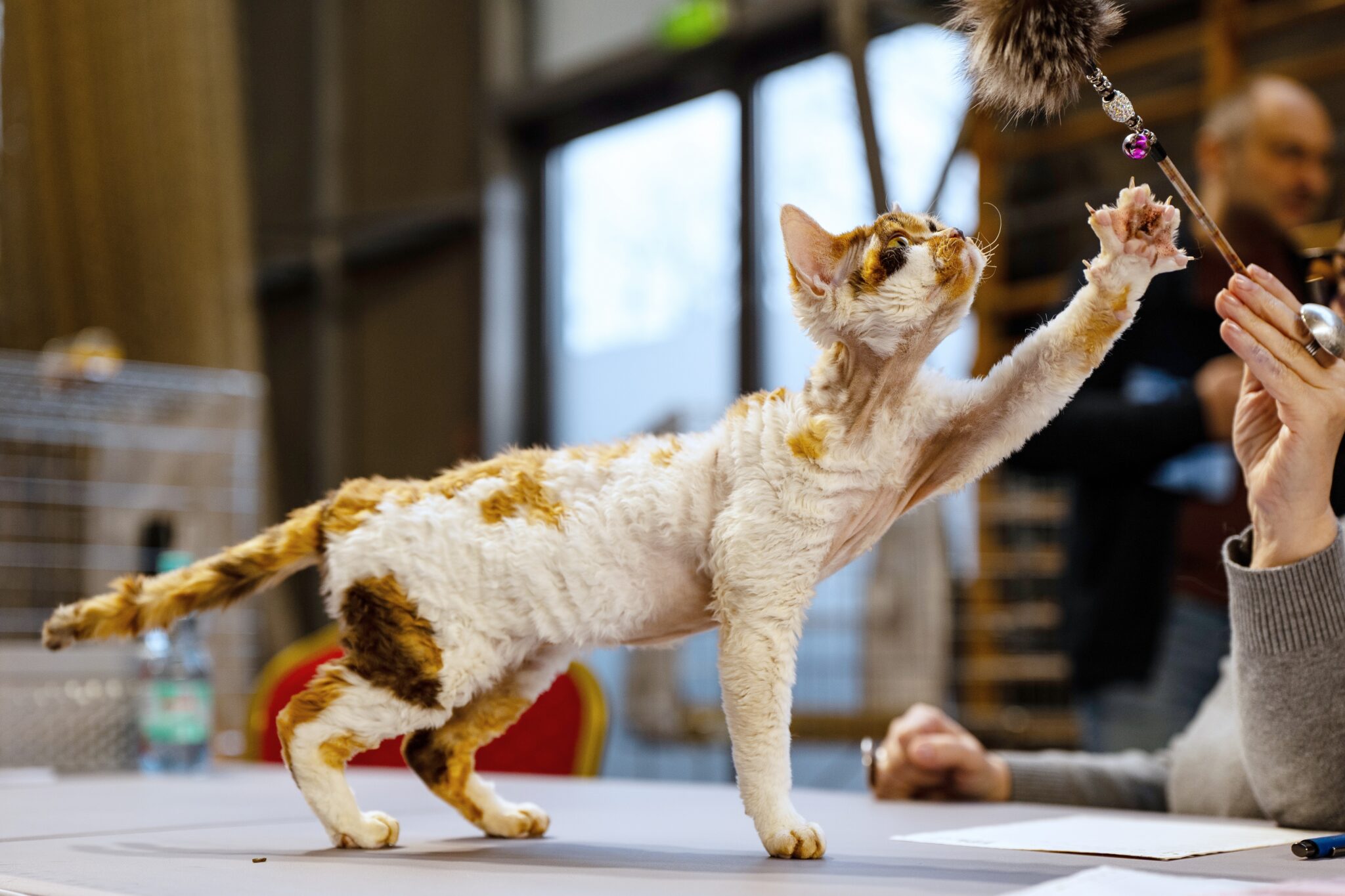
7. The Cornish Rex & Devon Rex
Both Rex breeds feature slender, delicate frames, oversized ears, and wavy coats, but they share a hyperactive approach to domestic life.
Behavioral Tendencies: The Cornish Rex is a sprinting dynamo, while the Devon Rex combines elf-like features with an uncanny knack for appearing in unexpected places, such as atop shoulders or inside open drawers. Both breeds treat loose receipts, rolling pens, and dangling cords as high-value prey.
Management: Frequent interactive play sessions with lightweight toys and variable puzzle feeders are necessary to combat rapid-onset boredom.
8. The Somali, Oriental Shorthair, Burmese, Manx, and Scottish Fold
The Somali: The long-haired counterpart to the Abyssinian; highly athletic, bushy-tailed, and constantly seeking new vertical territory to explore.
The Oriental Shorthair: Mentally intense and highly vocal, these cats anticipate household routines and investigate every closed door or bag.
The Burmese: Affectionate and perpetually kittenlike, they insert themselves directly into remote work calls, grocery unpacking, and floor games.
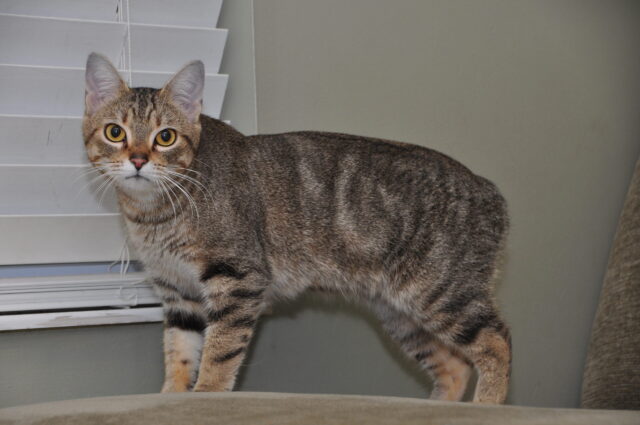
The Manx: Known for their robust hind legs and lack of tails, Manx cats are clever hunters that bat small objects beneath furniture and investigate out-of-place items.
The Scottish Fold: Characterized by folded ears and sweet expressions, they inspect every new territorial addition, though care must be taken to protect their joints by avoiding high-impact vertical leaps.
Official Statements & Expert Perspectives
Animal behaviorists and veterinary associations emphasize that feline mischief is rarely malicious. According to statements compiled from leading veterinary behavioral medicine organizations:
"When an indoor cat pushes items off a table or dismantles a pantry door, it is not acting out of spite or anger. These are classic displacement behaviors born from unmet predatory and exploratory needs. The domestic cat is an apex micro-predator whose brain expects to solve complex environmental puzzles daily. When we fail to provide those puzzles, the cat creates its own." — Dr. Elizabeth Vance, Chair of Feline Ethology and Domestic Animal Welfare.
Veterinary panels consistently recommend shifting ownership paradigms away from punitive training—which damages the human-cat bond and increases stress—toward proactive environmental enrichment.
Future Outlook: The Evolution of Feline-Friendly Architecture
As awareness of feline psychological needs grows, the paradigm of interior design is shifting to accommodate high-drive cats. The future of cohabiting with inquisitive breeds points toward integrated domestic architecture:
Catios and Enclosed Outdoor Spaces: Providing safe, screened perimeters where breeds like Bengals, Abyssinians, and Turkish Vans can safely track wildlife, smell fresh air, and expend energy.
Architectural Catwalks: Building floating shelves, wall-mounted tunnels, and vertical highways that allow athletic cats to traverse rooms above floor level, keeping fragile household items safe.
Advanced Automated Enrichment: The integration of programmable puzzle feeders, motion-activated laser toys, and smart-home devices designed to keep high-intelligence cats mentally stimulated during working hours.
By recognizing that a cat’s mischievous streak is a direct manifestation of intelligence, athleticism, and evolutionary drive, owners can transform potential household frustrations into harmonious, engaging partnerships. Through proper environmental design, patience, and targeted redirection, curiosity remains one of the most charming and endearing aspects of the feline experience.