
Executive Overview
In an era where the veterinary profession faces unprecedented levels of staff burnout, compassion fatigue, and heightened client tension, veterinary leaders are increasingly searching for innovative ways to cultivate positive workplace environments. While clinical excellence and advanced medical technologies remain the bedrock of modern veterinary medicine, the emotional climate within a clinic—both for the dedicated professionals delivering care and the pet owners navigating stressful medical decisions—is equally critical to overall success.
Recent insights from practice leaders illuminate a transformative shift in how veterinary hospitals approach client relations and community engagement. By implementing simple, low-cost, yet profoundly impactful strategies—such as positive reinforcement programs for clientele, interactive in-clinic photo experiences, and streamlined charitable partnerships with local rescues—practices are successfully bridging the gap between clinical efficiency and heartfelt connection.
This report explores a comprehensive blueprint for veterinary culture-building. It examines how recognizing "Gold Star Clients," integrating human-animal bond photography into daily operations, and leveraging digital tools for charitable giving can fundamentally reshape clinic morale, elevate client retention, and reinforce the vital human-animal bond. Through a detailed chronology of these initiatives, supporting metrics, expert commentary, and a look toward the future of client-practice dynamics, this article outlines actionable strategies for modern veterinary hospitals striving to thrive in a demanding landscape.
Detailed Chronology of a Cultural Shift
The transformation of a veterinary practice’s internal culture does not happen overnight. It requires intentional steps, consistent execution, and a willingness to step outside traditional, sterile clinical paradigms. Below is the chronological framework of how progressive veterinary practices are systematically integrating positivity, client appreciation, and community outreach into their operational DNA.
Phase 1: Identifying the Need for Positivity
The genesis of many cultural interventions stems from a universal truth within the veterinary sector: the job is inherently difficult. Veterinary teams routinely deliver heartbreaking news, manage high-stress emergencies, and absorb the emotional weight of pet illness and loss. Concurrently, clients often arrive at the clinic anxious, financially stretched, and emotionally vulnerable.
Recognizing that negativity or friction can rapidly erode staff morale, practice leaders identified a critical need to actively intercept and reward positive interactions. This realization led to the conceptualization of the "Gold Star Client" initiative—a straightforward framework designed to spotlight, celebrate, and amplify kindness within the examination rooms.
Phase 2: Launching the "Gold Star Client" Initiative
The operational mechanics of the Gold Star program were intentionally designed to be frictionless for the team while delivering an immediate, tangible impact for the client:
- The Trigger: When a client in an exam room offered a genuine compliment to the veterinary staff, displayed exceptional patience, or accepted difficult diagnostic or prognostic news with grace, they were flagged for recognition.
- The Recognition: Staff members presented the individual with a physical "Gold Star Client" card. On the card, team members penned a personalized note explaining why the star was awarded and expressing genuine gratitude for their kindness.
- The Immediate Incentive: Beyond the heartfelt note, recipients were rewarded with a modest $5 credit applied directly to their invoice for that day’s visit.
- The Monthly Culmination: At the end of each billing cycle, practice management reports allowed leadership to pool all Gold Star recipients and draw a monthly winner for a curated prize package.
Phase 3: Expanding into Experiential Engagement (Sweet and Simple Touches)
Building upon the momentum of client appreciation, forward-thinking clinics sought ways to soften the clinical environment. Modern veterinary offices often risk feeling sterile or intimidating. To combat this, practices introduced structured, interactive visual engagement:
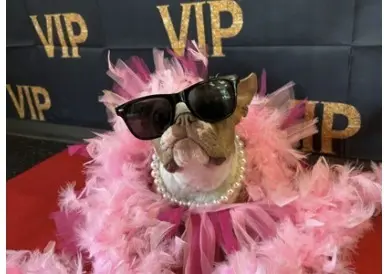
- Monthly Themed Calendars: Clinics began mapping out annual calendars featuring fun, monthly photography themes (such as seasonal holidays, humorous costume ideas, or pop-culture references).
- Staff-Led Demonstration: To normalize and encourage participation, hospitals initially highlighted employee pets on their social media channels interacting with the themes.
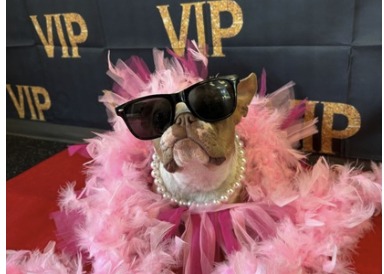
- Client Integration: Designated photo stations were established within the lobby or exam areas. Clients were invited to snap photos of their pets using their own mobile devices, while clinic staff captured professional-grade shots for the practice’s digital footprint.
- Physical and Digital Showcasing: These moments were immediately transformed into a community bulletin board in the physical lobby and amplified across social media, fostering an organic, word-of-mouth marketing loop driven entirely by client joy.
Phase 4: Scaling Up to Community and Rescue Partnerships
The final chronological phase of this cultural evolution involves looking outward to bridge the gap between the individual practice and the broader animal welfare community. Recognizing that local rescues operate under severe resource constraints, veterinary hospitals integrated philanthropy directly into their daily lobby experience:
- The Holiday Giving Tree: During the winter holiday season, lobbies transformed to feature trees adorned with paper ornaments. Each ornament featured a real shelter pet’s photograph, a concise rescue backstory, and a unique QR code.
- Streamlined Digital Philanthropy: Foster families curated personalized Amazon wish lists tailored to their specific foster animal’s needs. Clients could effortlessly scan the QR code in the lobby, purchase items, and ship them directly to the foster home, bypassing the logistical nightmare of storing physical donations inside the clinic.
- Event Sponsorships: Beyond the walls of the clinic, practices forged deep community ties by sponsoring and actively participating in large-scale local charitable events, such as winter galas featuring dedicated puppy-cuddle and kissing booths, with 100% of proceeds supporting local no-kill shelters.
Supporting Context & Metrics
To understand why these initiatives yield such profound results, one must examine the underlying behavioral metrics and psychological drivers within veterinary medicine.
The Economics and Psychology of Recognition
Data consistently shows that positive reinforcement alters behavioral loops. In veterinary environments where staff frequently experience client hostility driven by anxiety or financial distress, a shift in focus toward cooperative clients alters the psychological safety of the team.
- The Cost-Benefit Ratio: Investing in a simple $100 box of Gold Star cards yields exponential returns in workplace morale. When staff members actively look for reasons to reward clients, their baseline perception of client interactions shifts from defensive to observant and appreciative.
- Client Word-of-Mouth Advertising: Clinics utilizing interactive photo days and community-facing charity trees report measurable upticks in digital engagement. Organic social media shares by clients serve as authentic, trusted endorsements that traditional paid advertising cannot replicate. According to local practice data, hospitals hosting streamlined donation trees have successfully mobilized dozens of individual pet orders per holiday season, directly aiding foster networks without straining clinic storage capacities.
Human-Animal Bond Centricity
Veterinary medicine is fundamentally about preserving the sacred bond between humans and their animal companions. However, the administrative and clinical burdens of modern practice—electronic medical records, high patient volume, and time constraints—can sometimes obscure this core mission.
Initiatives like pet photo stations and rescue spotlights serve as physical and visual reminders of why veterinary professionals entered the field. They re-center the appointment around joy, celebration, and shared love for animals, transforming a clinical transaction into a shared emotional experience.
Official Statements and Industry Insights
Industry leaders, practice managers, and veterinary human resources experts have increasingly emphasized the necessity of cultural intentionality in mitigating burnout and retaining top-tier talent.
"That is how the Gold Star Client came to be in our hospital. The thought and the process were very simple. If you had a client in an exam room who gave a compliment to the staff, was genuinely friendly, or took hard news with grace; we rewarded them with a Gold Star Client card. On the card we wrote down why we gave it to them and thanked them for their kindness."
— Jill Brecklin, CVT, CVPM
Brecklin emphasizes that the true value of these programs extends far beyond the financial incentives or prizes:
"It wasn’t really about the discount or prize at the end of the month, it was about encouraging positivity in our clinic, and we saw real results from the $100 box of cards. Clients were talking about how they got rewarded for ‘just being nice’ while in our office. This led to other clients realizing sometimes veterinary medicine is a difficult business and being kind to our team really makes a difference in our day."
Furthermore, experts highlight that clients do not necessarily require corporate extravagance to feel valued; rather, they crave authenticity and sincerity.
"Clients aren’t always expecting extravagance, they are looking for sincerity. This simple idea and process have created such a warm and welcoming feeling in our hospital, in addition to being a true representation of our focus on the human-animal bond."
— Practice Management Consensus
Regarding community outreach and rescue integration, practice advocates note that collaboration creates a powerful ecosystem of mutual support:
"We love to pair with our local rescue organizations for events and fundraisers. These organizations are giving so much to help pets find forever homes and are always willing to partner with veterinary clinics to help promote their cause. From hosting adoption events to food drives, there are so many ways clinics can easily get involved."
Future Outlook: The Evolution of Veterinary Practice Culture
As the veterinary industry continues to evolve through technological automation, corporate consolidation, and shifting workforce expectations, the human element of practice management will become an even more decisive competitive advantage.
Looking ahead over the next decade, several key trends will shape how veterinary hospitals approach client engagement and internal culture:
- Hyper-Personalized Client Appreciation: Moving beyond generic loyalty programs, future practices will integrate localized, behavioral recognition systems. Rewarding empathy, patience, and community support will become an industry standard for progressive hospitals aiming to cultivate a cooperative clientele.
- Experiential Lobby Design: The traditional, sterile waiting room is rapidly becoming obsolete. Future veterinary designs will incorporate dynamic community spaces—including dedicated photography areas, educational wellness kiosks, and interactive rescue showcases—that transform the hospital lobby into a welcoming community hub.
- Seamless Philanthropic Integration: Digital transformation will continue to streamline how veterinary clinics support charitable causes. Utilizing QR-driven wish lists, integrated digital donation portals, and localized corporate social responsibility (CSR) initiatives will allow hospitals to drive massive community impact without adding administrative friction to their daily workflows.
- Combating Compassion Fatigue through Joy: As mental health advocacy takes center stage in veterinary medicine, proactive culture-building will be recognized not as an "extra" perk, but as an essential clinical safeguard. By anchoring daily operations in moments of celebration—such as documenting pet milestones and partnering with animal rescues—clinics can actively protect their teams from burnout and foster a sustainable, joyful working environment.
Conclusion
The transformation of veterinary practice culture does not require massive capital investments or sweeping structural overhauls. As demonstrated by innovative clinic leaders, the most enduring cultural shifts are built on sweet, simple touches: a handwritten note thanking a kind client, a festive photo station celebrating a pet’s personality, or a decorated holiday tree connecting a foster animal with a generous stranger.
By prioritizing sincerity, recognizing emotional intelligence in clientele, and embedding community philanthropy into the daily patient experience, veterinary hospitals can successfully cultivate an environment where staff thrive, clients feel deeply valued, and the profound human-animal bond is celebrated at every turn.