
Executive Overview
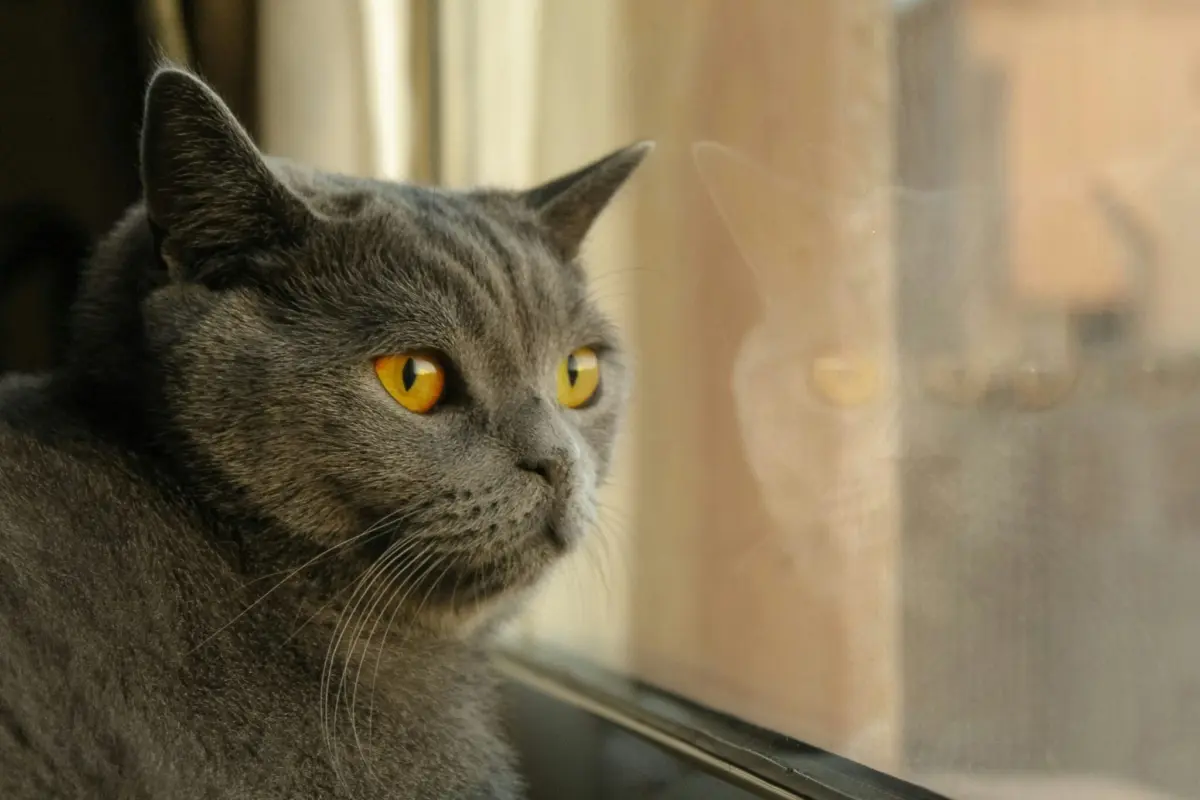
For millions of pet parents around the world, a familiar daily ritual plays out in the living room: a sleek feline abruptly abandons a sun-drenched nap, sprints to the nearest windowsill, and locks eyes with the outside world. To the casual observer, the cat is simply gazing at the yard. To animal behaviorists and devoted pet owners alike, however, the cat is tuning into "Cat TV"—a high-definition, live-action broadcast of birds, squirrels, and changing weather patterns.
While indoor living keeps domestic cats safe from the myriad hazards of the outdoor world—ranging from vehicle traffic to predators and transmissible diseases—it can occasionally lead to sensory deprivation and behavioral stagnation. Modern veterinary science emphasizes that environmental enrichment is just as crucial to a cat’s longevity as high-grade nutrition and routine healthcare. Among the array of enrichment strategies available, establishing a backyard bird-watching station stands out as one of the most effective, cost-efficient, and biologically fulfilling methods to stimulate a cat’s innate predatory instincts.
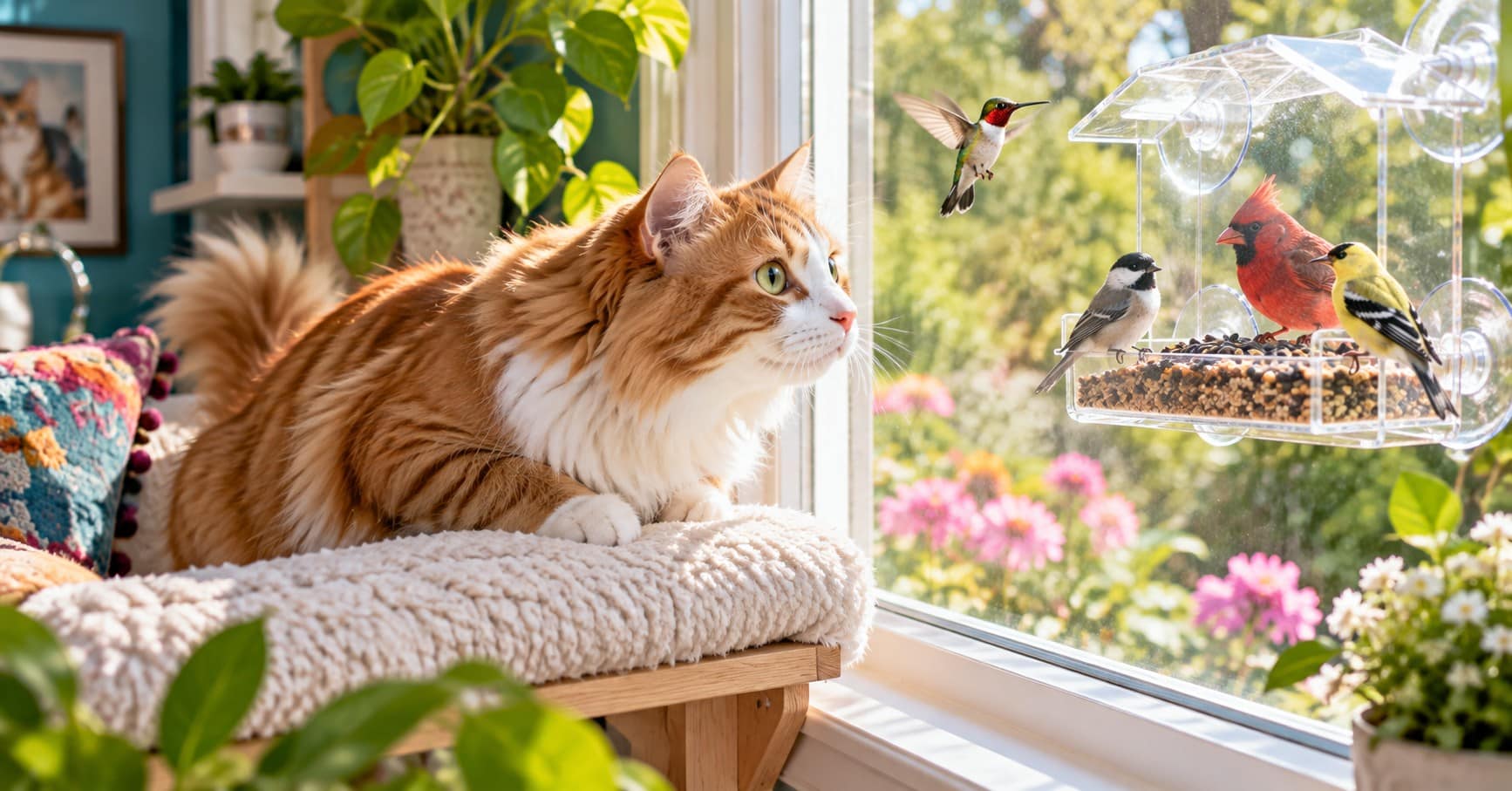
By strategically integrating window perches, bird feeders, and wildlife water sources, pet parents can transform an ordinary pane of glass into a dynamic theater of natural movement. This comprehensive guide explores the behavioral science behind why cats are so captivated by avian life, evaluates the psychological benefits and potential pitfalls of indoor bird watching, and provides an authoritative blueprint for setting up a safe, engaging wildlife observation post.
Detailed Chronology: The Evolution of Indoor Feline Enrichment
The concept of environmental enrichment for domestic animals is a relatively modern evolution in veterinary medicine, tracking alongside humanity’s transition of cats from outdoor-access mousers to strictly indoor family companions.
The Shift to Indoor Living
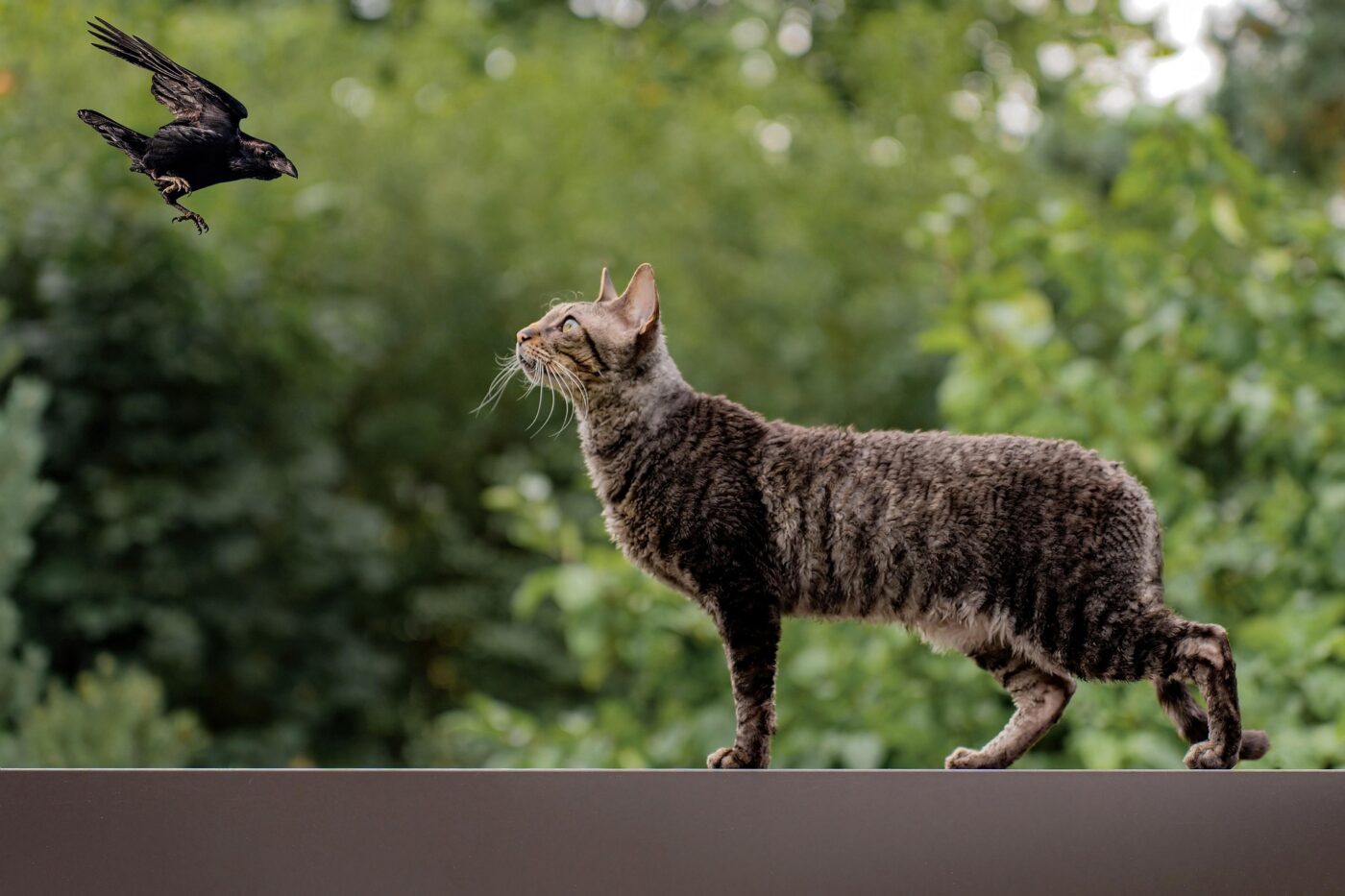
Historically, domestic cats (Felis catus) operated largely as outdoor or working animals, patrolling agricultural properties and human settlements for rodents. As urban centers expanded and the twentieth century progressed, veterinarians and animal welfare organizations began heavily advocating for indoor-only lifestyles. Statistically, indoor cats enjoy significantly longer lifespans—often living 12 to 15 years or more—compared to their outdoor counterparts, whose average life expectancy is drastically reduced by environmental hazards.
However, locking cats inside created an unintended behavioral vacuum. Confined to four walls, many cats experienced a lack of dynamic visual and auditory stimulation. This sensory deficit manifested in stress-related behaviors, including destructive scratching, excessive grooming, inter-cat aggression, and weight gain due to inactivity.
The Rise of Environmental Enrichment
By the late 1990s and early 2000s, veterinary behaviorists began championing "environmental enrichment" as a medical necessity. The goal was simple: design indoor spaces that encourage natural behaviors such as stalking, pouncing, climbing, and tracking.
Enter the modern window perch. Pet owners quickly noticed that cats naturally gravitated toward windows overlooking gardens and wooded areas. The movement of wildlife provided a self-sustaining source of entertainment. Over the last decade, this grassroots observation evolved into a formalized category of pet care. The proliferation of specialized window-mounted bird feeders, smart wildlife cameras, and sturdy cat trees has legitimized "Cat TV" as a cornerstone of modern feline husbandry.
Supporting Context & Metrics: The Biology and Psychology of "Cat TV"
To truly understand why cats are transfixed by birds, one must examine the evolutionary wiring of the feline brain.
The Predator’s Mindset
Even the most pampered, kibble-fed house cat sharing your sofa retains the genetic architecture of an obligate carnivore and solitary predator. When small animals—such as finches, sparrows, or hummingbirds—dart, flutter, and hop across a cat’s field of vision, specialized motion-sensitive visual receptors in the cat’s retinas are instantly activated.

Unlike humans, whose vision is optimized for color and detail, a cat’s visual system is masterclass-engineered to detect rapid, erratic movement. This explains why a leaf blowing lazily in the wind may capture a brief glance, but a hummingbird zipping past a flower instantly rivets a cat’s absolute attention.
Decoding the Soundtrack: Chirping and Teeth Chattering
One of the most fascinating phenomena associated with feline bird watching is the vocalization and physical display that accompanies it. When watching birds from a window, many cats emit a distinct soundtrack consisting of:

- High-pitched chirps and squeaks
- Rapid trills and clicks
- Intense jaw-chattering (where the lower jaw vibrates against the upper jaw at high speeds)
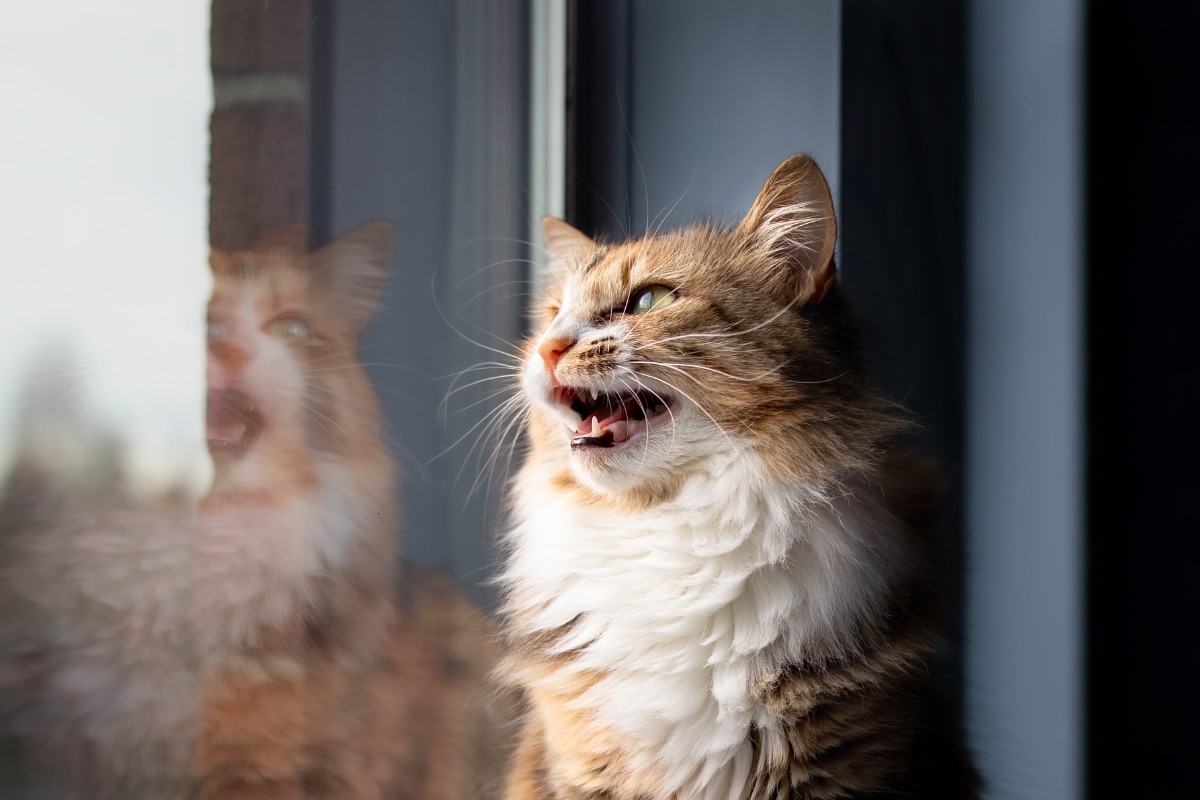
For decades, pet owners debated the meaning of these noises. While no single psychological explanation has achieved unanimous scientific consensus, veterinary behaviorists generally point toward a few leading theories:
- Predatory Arousal and Anticipation: The chattering motion closely mimics the precise bite mechanics a cat uses to deliver a fatal cervical bite to prey. It may represent an involuntary expression of intense excitement or the nervous tension of unfulfilled predatory drive.
- Frustration and Impatience: Some experts suggest the sounds reflect a surge of adrenaline driven by the frustration of an inaccessible barrier (the glass window).
- Acoustic Mimicry: A fascinating (though less proven) evolutionary theory suggests that some wild felines may chatter or chirp to mimic the sounds of prey, momentarily confusing birds and drawing them closer.
Regardless of the precise neurological trigger, individual cats display vast personality differences when watching birds. Some remain entirely silent, statuesque, and hyper-focused, while others act as vocal, enthusiastic commentators narrating every flutter in the yard.
Official Guidelines: Safety, Ethics, and Best Practices for Cat and Bird Welfare
While creating a bird-watching station is immensely beneficial for your cat, responsible pet ownership requires balancing feline enrichment with avian safety and wildlife conservation.
Ensuring Feline Psychological Well-Being
Can watching birds through a glass window frustrate a cat? The answer depends entirely on the individual animal. Most cats view the activity as a pleasant, leisurely pastime, periodically wandering away to nap, eat, or groom.
However, a subset of cats may become hyper-fixated, displaying signs of acute agitation, pacing, or restlessness after a viewing session. If your cat struggles to disengage from the window, experts recommend redirecting their pent-up energy into an interactive play session.
- The Wand Toy Technique: Utilize a feathery wand toy that mimics the erratic flight patterns of prey.
- The Hunt-Catch-Kill Cycle: Allow your cat to actively stalk, chase, and finally catch the toy. Concluding a play session with a small treat satisfies the natural predatory sequence, releasing endorphins and preventing chronic frustration.
Protecting Avian Visitors
When placing bird feeders to entertain an indoor cat, you must also prioritize the safety of the wildlife outside. Window collisions are a devastating hazard for wild birds, who often fail to recognize clear glass as a physical barrier.
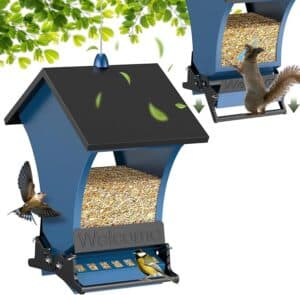
- Strategic Feeder Placement: According to bird conservation organizations, feeders should either be placed very close to a window (within three feet) so birds cannot build up fatal momentum if startled, or safely beyond thirty feet from the glass.
- Sanitation and Maintenance: Feeders, hummingbird nectars, and bird baths require rigorous, routine cleaning. Moldy seeds, old nectar, and stagnant water can foster deadly bacterial and fungal infections among local bird populations.
- Deterring Unwanted Pests: Utilizing squirrel-proof feeders ensures that local wildlife remains balanced and that your bird seed isn’t depleted overnight—though watching a squirrel attempt an acrobatic feat can certainly add an extra layer of comedy to "Cat TV."
Future Outlook: Enhancing the Modern Indoor Habitat
As urban environments expand and more pet owners embrace indoor-only lifestyles for their cats, the demand for innovative, high-quality environmental enrichment will continue to surge. The future of feline care points toward holistic home design—where human living spaces seamlessly integrate dedicated wildlife viewing stations and vertical cat architecture.
Building the Ultimate Bird-Watching Station
Creating an engaging observation post requires a thoughtful combination of comfort, accessibility, and wildlife attraction. Pet parents can curate a customized setup using several key elements:
- The Observation Post: A sturdy Cat Tree for Large Cats placed directly beside a window provides verticality, scratching surfaces, and cozy resting dens. Alternatively, a Cordless Cat Window Perch maximizes space, giving cats a front-row seat right against the glass.
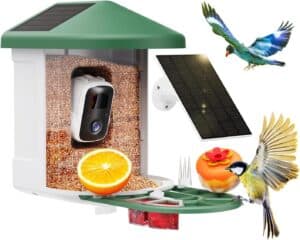
- The Up-Close View: A Window Bird Feeder with Strong Suction Cups affixes directly to the glass, bringing finches and sparrows within inches of your cat’s nose. For tech-savvy households, a Smart Bird Feeder with Camera allows humans to identify backyard visitors via smartphone apps while the cat handles the live viewing.
- Backyard Diversity: Expanding the view beyond a single feeder can maintain a cat’s long-term interest. Utilizing Double Shepherds Hooks allows for flexible hanging of multiple feeder types, while a Metal Bird Bath provides a reliable water source that attracts bathing songbirds.
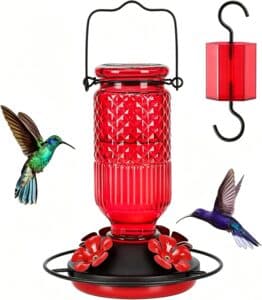
- Specialized Wildlife: Introducing a Glass Hummingbird Feeder or a window-mounted hummingbird station brings hyper-fast, darting avian species into the mix, offering a completely different visual tempo for observant felines.
Beyond the Window
Even with the best bird-watching setup, variety remains the spice of life. Forward-thinking feline care involves rotating interactive toys, introducing puzzle feeders, and establishing safe outdoor enclosures (such as a secure, fully enclosed "catio") where cats can experience fresh air, outdoor scents, and natural sounds without compromising their safety.
By thoughtfully blending the wonders of the natural world with the comfort and security of an indoor home, pet parents can alleviate sensory boredom, foster mental well-being, and provide their feline companions with a genuinely enriching quality of life. After all, while you may initially install a bird feeder for the love of local wildlife, you will soon find that your cat has claimed the role of its most dedicated, riveted audience member.