
Executive Overview
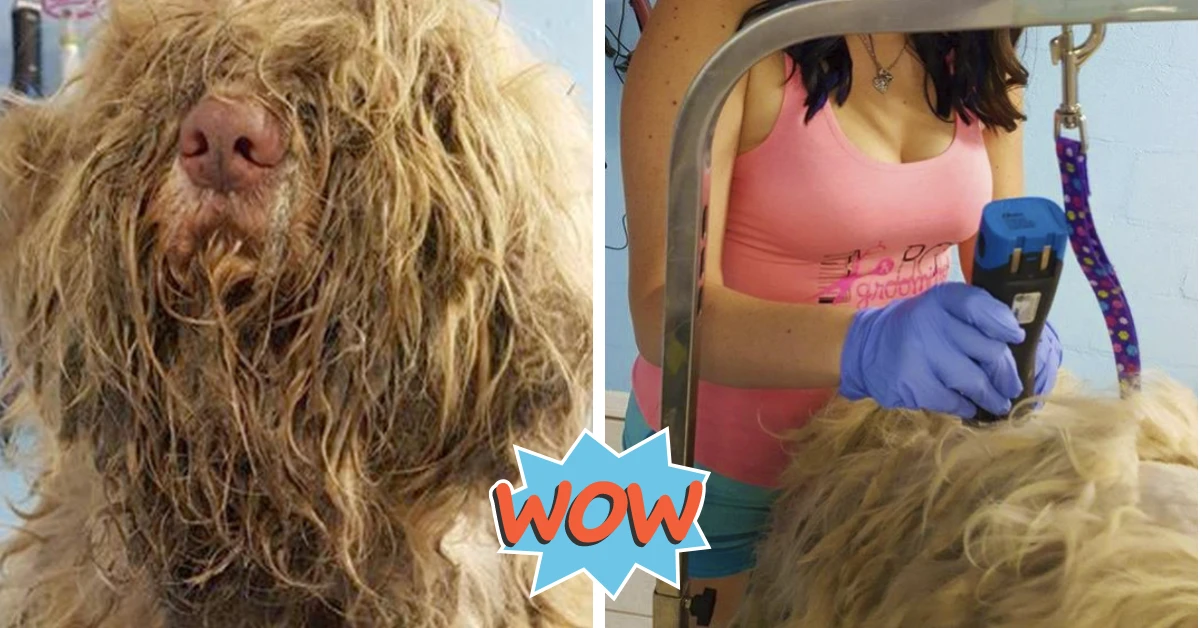
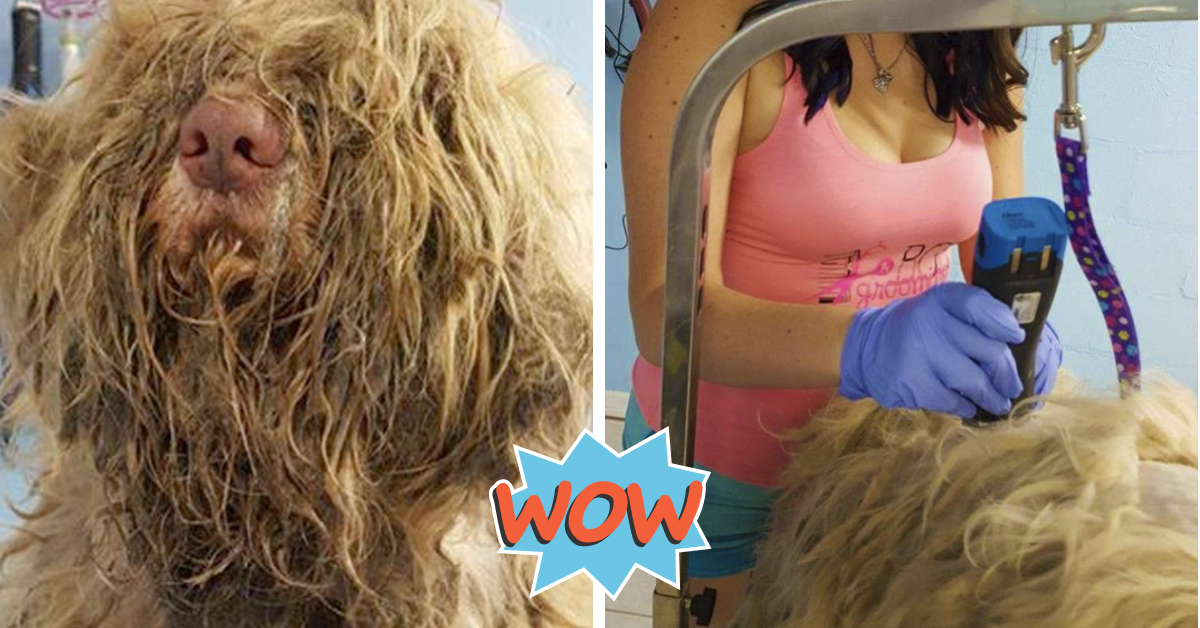
In the realm of animal rescue, some cases transcend standard narratives of abandonment to expose the profound physiological consequences of long-term neglect. The case of "Lucky," a stray dog discovered on the shoulder of a highway in Oviedo, Florida, represents one such critical intersection of public vigilance, emergency veterinary care, and rapid community mobilization. Found wandering dangerously close to active traffic, the canine was encased in a dense, hardened carapace of severely matted fur that completely obscured his face, restricted his movement, and severely compromised his health.
Subsequent interventions by a dedicated grooming professional in the early hours of the morning, followed by a comprehensive veterinary evaluation, revealed a startling reality: the dog was both completely blind and deaf. Deprived of his primary sensory faculties and physically bound by years of neglected coat growth, his survival on a high-speed roadway was a statistical anomaly.
This investigative report details the timeline of Lucky’s rescue, analyzes the severe physiological dangers associated with extreme coat matting, examines the critical role of grassroots community networks in modern animal welfare, and outlines the systemic changes required to prevent such extreme cases of domestic animal neglect.
Detailed Chronology
[Late Evening] ──> Couple spots "moving mass" on Oviedo highway shoulder, rescues dog
  │
[Midnight]     ──> Social media appeal posted seeking emergency grooming assistance
  │
[03:00 AM]     ──> Groomer Kari Falla opens BGE Grooming salon for emergency intake
  │
[04:00 AM]     ──> Four-hour grooming complete; ~2 years of matted pelt removed
  │
[Morning]      ──> Veterinary examination reveals total blindness, deafness, and dental disease
  │
[Subsequent]   ──> Story goes viral; Zachary Blair adopts Lucky, securing his permanent home
The Discovery on the Highway Shoulder
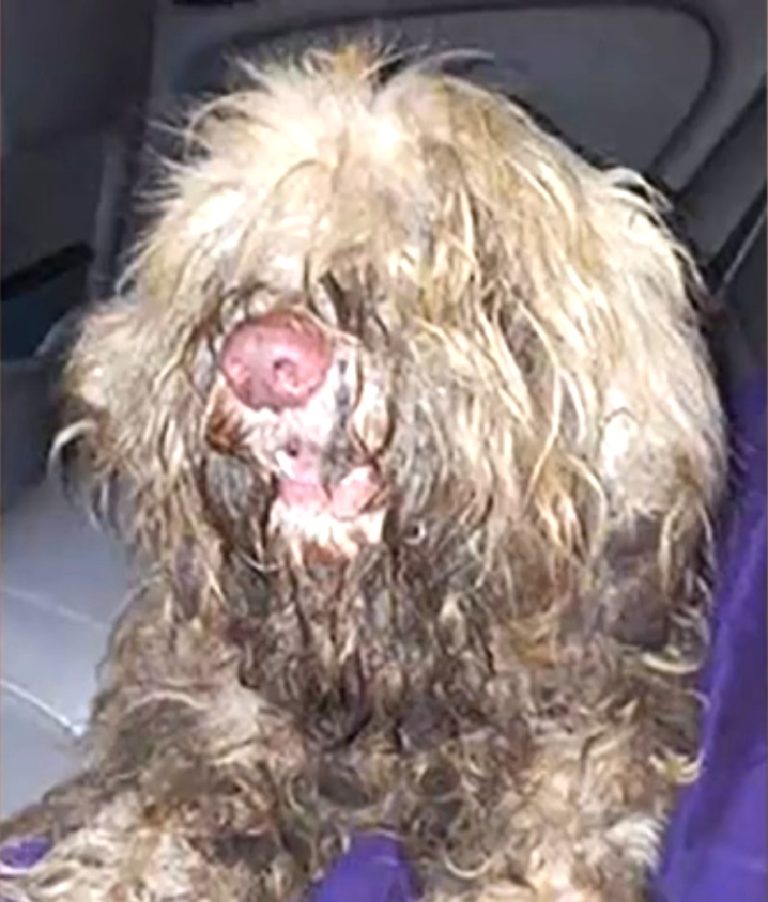
The sequence of events began on a late evening in Oviedo, Florida, a suburb northeast of Orlando. A local couple driving along a high-speed roadway observed an unrecognizable, slow-moving object drifting dangerously close to the active traffic lane. Upon decelerating and pulling onto the shoulder, they discovered a medium-sized dog whose physical form was almost entirely masked by massive, rope-like clumps of dirty, matted fur.
The animal was disoriented, unresponsive to verbal cues, and unable to navigate away from the roadway. The thickness of the mats over his orbital region completely blocked his vision, rendering him incapable of seeing oncoming vehicles. Recognizing the immediate threat of a fatal vehicular strike, the couple secured the dog and transported him to safety.
The Midnight Appeal and the 3:00 A.M. Intervention
Upon securing the animal, the rescuers realized that the dog’s physical state presented challenges far beyond standard sheltering capabilities. The matted fur had formed a solid, pelted mass tight to the skin, trapping moisture and debris, and emitting a severe odor. Recognizing that attempting to cut or pull the mats without professional equipment could tear the dog’s skin, the rescuers posted an urgent plea on local social media channels, accompanied by photographs of the dog’s condition.
The digital distress signal was intercepted by Kari Falla, owner of BGE Grooming. Recognizing that severe matting of this magnitude constitutes an acute medical emergency rather than a cosmetic blemish, Falla bypassed standard business hours. At approximately 3:00 A.M., she reopened her grooming salon to receive the dog.
+---------------------------------------------------------+
|             BGE GROOMING EMERGENCY TIMELINE             |
+---------------------------------------------------------+
| 03:00 AM - Emergency intake and physical assessment.    |
| 03:15 AM - Commencement of precision shave-down.        |
| 04:00 AM - Extraction of the solid, pelted coat.        |
| 04:30 AM - Medicated bathing and skin sanitation.       |
+---------------------------------------------------------+
Falla described the dog’s coat as having hardened into a concrete-like shell that severely restricted the movement of his limbs, forcing his joints into unnatural angles. Over the course of several hours, utilizing professional-grade clippers and working with extreme caution to avoid lacerating the taut, paper-thin skin underneath, Falla systematically removed the pelt. By 4:00 A.M., the dog was freed from the heavy armor of dead hair, which Falla estimated had been accumulating unchecked for at least two years.
Veterinary Diagnosis and the Revelation of Sensory Deficits
Following the emergency grooming procedure, the dog—now named "Lucky" in recognition of his survival—was transported to a veterinary clinic for a comprehensive medical evaluation. The physical extraction of the matted coat allowed veterinarians to perform a thorough examination, which yielded critical diagnoses:
- Sensory Deprivation: Testing confirmed that Lucky was both congenitally or progressively blind and profoundly deaf.
- Dermatological Trauma: The skin beneath the mats exhibited mild bruising, inflammation, and localized yeast infections stemming from trapped moisture, though it remained remarkably free of deep ulcerations.
- Dental and Systemic Health: Lucky required an emergency dental extraction and cleaning to address advanced periodontal disease. He was subsequently vaccinated, microchipped, and neutered.
The medical findings heightened the gravity of Lucky’s initial situation. A double-sensory-deprived dog, unable to hear oncoming engines or see headlights, had been wandering the edge of a major Florida thoroughfare. Without the immediate intervention of the passing motorists, his survival window was estimated to be mere hours.
Supporting Context & Metrics
The Physiological Pathology of Severe Matting
To understand the urgency of Lucky’s midnight rescue, it is necessary to examine the physiological impact of severe matting (pelted coats) on canine biology.
                       [Severe Matting / Pelting]
                                   │
         ┌─────────────────────────┼─────────────────────────┐
         ▼                         ▼                         ▼
 [Vascular Restriction]   [Microclimate Trauma]    [Biomechanical Strain]
         │                         │                         │
Ischemia & Necrosis Bacterial Infection Joint Alignment Shift- Vascular Restriction and Ischemia: When a canine coat is left unbrushed, shed undercoat hair becomes entangled with growing guard hairs. Over time, this mixture absorbs dirt, sebum, and moisture, shrinking and tightening against the dermis. This "pelt" acts as a tourniquet, restricting peripheral blood flow. In extreme cases, this can lead to cutaneous ischemia, tissue necrosis, and hematomas (particularly on the ear pinnae when a tight mat is suddenly removed and blood rushes back into weakened capillaries).
- Microclimate and Dermatological Pathology: The space between a pelted coat and the skin traps moisture, urine, and fecal matter, creating an anaerobic microclimate. This environment is highly conducive to the proliferation of Staphylococcus bacteria and Malassezia yeast, leading to severe dermatitis, hot spots, and in summer months, cutaneous myiasis (maggot infestation).
- Biomechanical Strain: Heavy, solid mats pulling constantly on the skin alter a dog’s gait. The discomfort forces the animal to adopt compensatory movement patterns, leading to joint misalignment, muscular atrophy, and chronic pain.
Stray and Abandonment Statistics
Lucky’s case highlights broader patterns within animal welfare demographics in the United States:
| Metric | National Estimate (Annual) | Percentage Involving Neglect/Stray Status |
|---|---|---|
| Shelter Intake | ~6.3 Million Companion Animals | ~50% entering as strays |
| Severe Neglect Cases | Thousands documented annually | High correlation with poodle/doodle-mix popularity |
| Successful Redemptions | ~20% of stray dogs reunited with owners | Declines sharply for dogs with severe health issues |
The proliferation of "hypoallergenic" and long-haired breeds without corresponding public education on grooming requirements has led to a marked increase in cases of severe matting among abandoned pets.
Official Statements & Firsthand Accounts
The successful resolution of Lucky’s case was documented through the accounts of those directly involved in his rescue and rehabilitation.
Kari Falla of BGE Grooming reflected on the initial encounter and the sheer physical toll the neglect had taken on the animal:
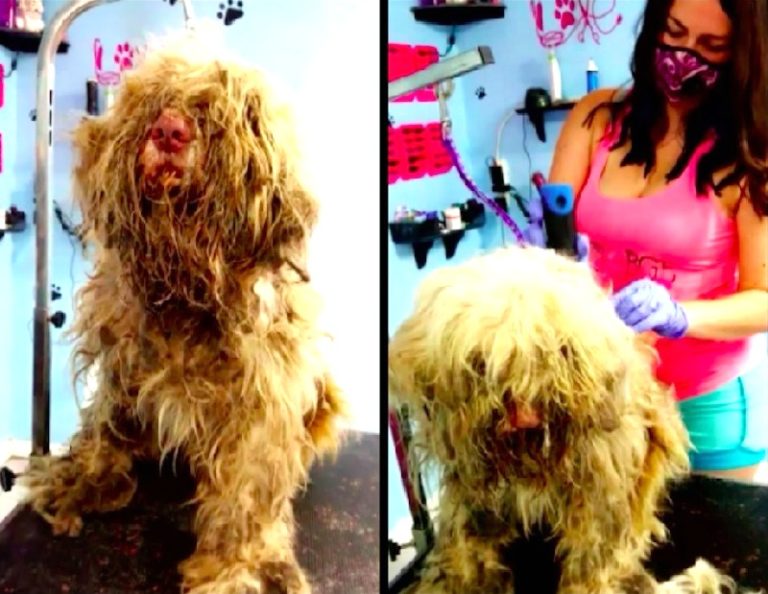
"Nothing could have prepared me for what I saw. The smell was overwhelming. The fur had hardened into a solid, putrid mass that essentially fused his legs to his body, making it impossible for him to walk or even relieve himself properly. He was shaking and completely shut down. Shaving him was a delicate process; the mats were so tight to his skin that one wrong move with the clippers could have sliced him open. When the fur finally came off, you could see the instant relief in his eyes. He knew he was being helped."
Zachary Blair, who monitored the viral progression of Lucky’s story online before stepping forward to officially adopt him, emphasized the systemic importance of individual action:
"What drew me to Lucky was the sheer chain of human decency that saved him. It started with a couple who decided not to just drive by. Then a business owner who got out of bed at 3:00 A.M. to work for free, followed by a veterinary team that prioritized his medical needs. I wanted to be the final link in that chain. Taking Lucky in was about proving that no matter how broken a dog’s start is, there is a community ready to rebuild them."
Future Outlook & Preventive Frameworks
Addressing the Root Causes of Grooming Neglect
Lucky’s recovery is a testament to individual rescue efforts, but animal welfare organizations emphasize that systemic prevention is critical to reducing the occurrence of such extreme neglect.
                   [Preventative Framework]
                              │
       ┌──────────────────────┴──────────────────────┐
       ▼                                             ▼
[Consumer Education]                         [Legislative Reform]
  • Mandatory Grooming Seminars                • Matting Classified as Cruelty
• Breeder Liability Clauses • Stricter Penalties for Neglect- Mandatory Consumer Education: Breeders and shelters must implement mandatory education protocols regarding coat maintenance, particularly for high-maintenance breeds (e.g., Poodles, Shih Tzus, and various "Doodle" designer crossbreeds). Prospective owners must understand that professional grooming is a non-negotiable health requirement, not an optional aesthetic luxury.
- Legislative Reform: Animal welfare advocates continue to lobby for stricter classification of grooming neglect under state animal cruelty statutes. Defining severe pelting as a form of active physical abuse allows law enforcement to intervene earlier, before an animal’s condition degrades to the level of life-threatening neglect.
- Community Support Systems: Establishing subsidized grooming clinics for low-income pet owners can prevent seniors or financially vulnerable individuals from letting their pets’ coats fall into disrepair due to the high cost of professional grooming services.
Lucky’s transition from a blind, deaf, and immobilized stray on a Florida highway to a healthy, cared-for companion in a permanent home highlights the power of public vigilance. His story remains a benchmark case study in veterinary and grooming rescue literature, demonstrating that even the most severe physical manifestations of neglect can be reversed through swift, coordinated community action.