
Date: October 12, 2026
By: Editorial Staff & Investigative Desk
Executive Overview
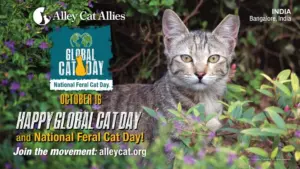
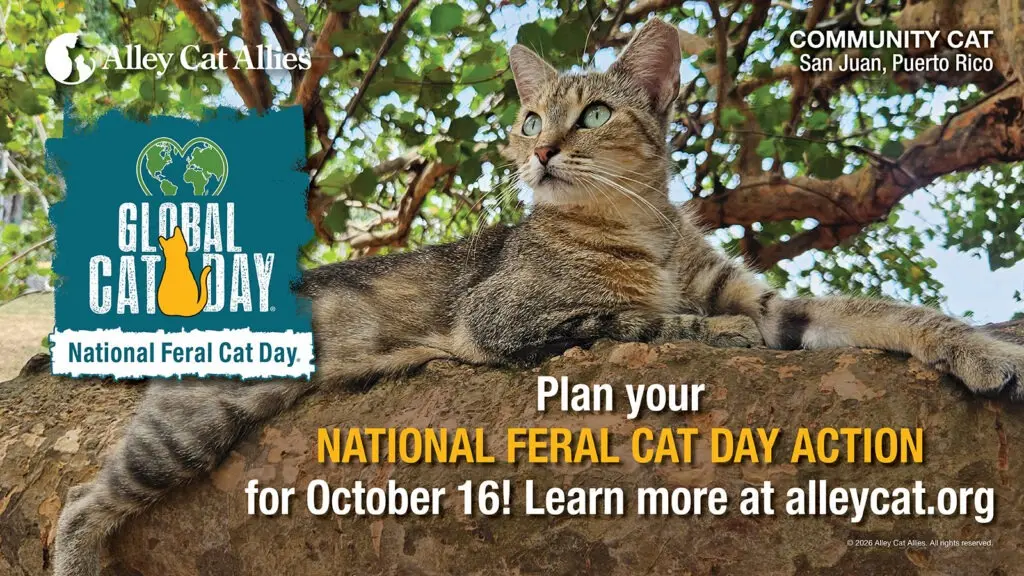
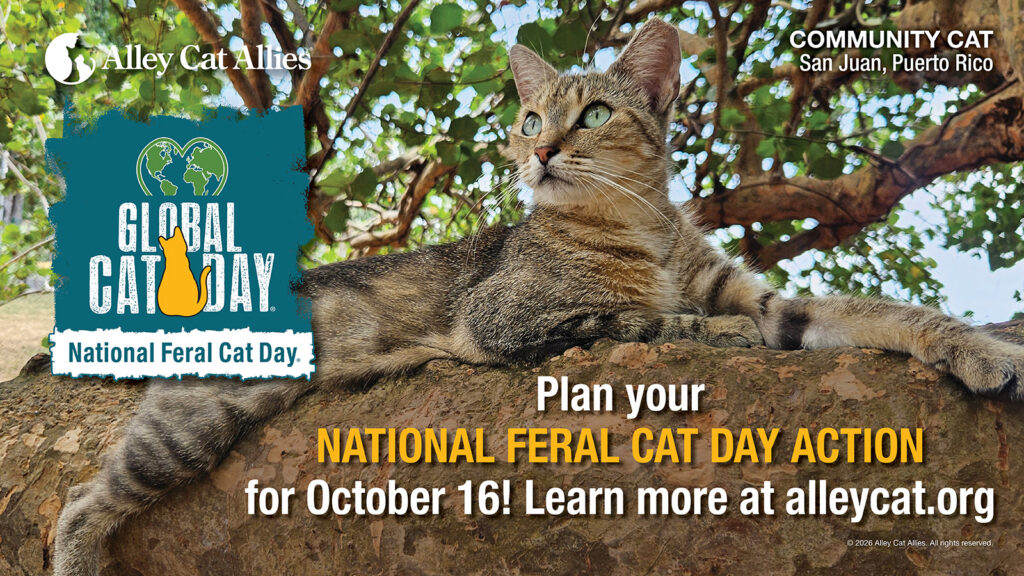
As animal welfare advocates worldwide turn their attention to Global Cat Day and National Feral Cat Day—arriving this Friday, October 16, 2026—the overarching message remains as clear as it is urgent: Cats Are Community®. Across the globe, advocates, policymakers, and grassroots organizations are rallying behind the foundational principle that all communities deserve the legal frameworks, financial resources, and cultural understanding necessary to recognize and protect cats as valued, permanent members of our neighborhoods.
This year’s observance arrives on the heels of monumental milestones for feline advocacy. Rather than merely serving as a day of awareness, Global Cat Day 2026 functions as a celebration of hard-won victories that saved vulnerable cat populations from lethal eradication. From the historic legal battles fought along the windswept ramparts of Puerto Rico to the forward-thinking municipal Trap-Neuter-Return (TNR) programs thriving amidst the scorching desert heat of Tempe, Arizona, the narrative surrounding community cats is experiencing a paradigm shift.
This comprehensive report examines the legal battles, municipal triumphs, and ongoing policy initiatives defining modern feline welfare. Through an in-depth review of recent advocacy efforts, we explore how legal intervention and community-backed initiatives are successfully replacing outdated, cruel eradication policies with compassionate, sustainable management models.

Detailed Chronology: The Road to Protection and Reform
To understand the weight of this year’s celebrations, one must examine the timeline of events that threatened community cat populations and the subsequent campaigns that reversed their fortunes.
The Puerto Rico Crisis (Late 2023 – 2026)
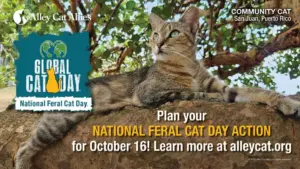
- Late 2023: The U.S. National Park Service (NPS) unveiled a controversial management scheme targeting the historic community cats inhabiting the picturesque Paseo del Morro walkway—a scenic path leading to the iconic San Felipe del Morro Fortress in San Juan, Puerto Rico.
- The Threat: The federal proposal explicitly included provisions for lethal removal and eradication, placing a target on the backs of beloved felines that have lived along the historic stone walls for generations.
- The Resistance: Recognizing the cultural integration of these cats within Puerto Rican heritage, Alley Cat Allies mobilized quickly. Partnering with local caregivers and legal experts, the organization initiated a historic federal lawsuit against the NPS, supported by localized advocacy and direct veterinary care.
- The Resolution (2025–2026): Through sustained legal pressure and public outcry, the destructive eradication plan was halted. Today, iconic individual cats such as Llorin and Bella live secure, protected lives along the Paseo del Morro, shielded from the threat of lethal management.
The Evolution of Municipal Support in Tempe, Arizona (2024 – 2026)
- Ongoing Adaptation: In the arid urban landscape of Tempe, Arizona, community cats face environmental extremes, with summer temperatures routinely exceeding 100 degrees Fahrenheit. Felines like Guy, a local tabby, have adapted by utilizing natural shade beneath desert flora during peak daylight hours and foraging after dusk.
- The Policy Shift: Moving away from outdated animal control models that relied on impoundment and euthanasia, the City of Tempe integrated a government-funded Trap-Neuter-Return (TNR) framework into its core municipal animal services.
- Current Status (2026): Collaborating closely with dedicated volunteers and advocacy groups, Tempe’s municipal TNR program currently processes thousands of community cats annually. Alley Cat Allies continues to partner with local stakeholders to use Tempe as a blueprint for state-wide legislative reform across Arizona.
Supporting Context & Metrics: The Science of Community Cat Management
The successes in Puerto Rico and Tempe are not isolated incidents; they represent a growing body of evidence supporting the efficacy of non-lethal, community-based cat management strategies over traditional catch-and-kill policies.
The Failure of Eradication
For decades, municipal and federal agencies often turned to "catch-and-remove" or lethal eradication policies in response to high concentrations of unowned cats. Decades of data compiled by animal behaviorists and epidemiologists have proven these methods ineffective due to a phenomenon known as the "vacuum effect." When cats are removed from an area, remaining resources (such as shelter and food) naturally attract unsterilized cats from surrounding territories. Populations quickly rebound, rendering lethal removal an endless, expensive, and ultimately futile cycle.
The Efficacy of Trap-Neuter-Return (TNR)
In contrast, Trap-Neuter-Return (TNR)—the cornerstone of modern community cat programming—offers a humane and permanent solution:
- Stabilization: Sterilized cats no longer reproduce, causing community cat populations to naturally and humanely decline over time.
- Behavioral Improvement: Spaying and neutering eliminates nuisance behaviors associated with mating, such as roaming, spraying, and loud vocalizations.
- Public Health: Vaccinated community cats serve as a healthy, natural buffer against rodent populations while posing no public health threat.
According to sector metrics, municipalities that fully fund and integrate TNR into their animal control infrastructure experience significant drops in shelter intake numbers, lower municipal expenditures on animal housing, and marked improvements in community relations regarding stray and feral animals.
Official Statements & Expert Insights
Advocacy leaders and animal welfare officials have emphasized the profound significance of this year’s Global Cat Day milestones, framing them as a turning point in how society views urban and rural wildlife.
"Puerto Ricans love their cats, and their cats in turn are Puerto Ricans. Cats are deeply intertwined in the island’s rich heritage and culture by centuries of history, as well as by the countless hours, days, and years residents have dedicated to their care," noted representatives from Alley Cat Allies during the announcement of the Paseo del Morro legal victory. "Our victory proves that federal agencies cannot disregard public compassion, history, or the law when deciding the fate of defenseless animals."
Regarding municipal partnerships, urban animal management experts highlight the importance of government investment in grassroots solutions:

"When a city like Tempe steps up to fund and champion Trap-Neuter-Return, it sends an unmistakable message: community cats belong, and humane solutions are possible anywhere, even in the harshest climates," stated a policy analyst specializing in municipal animal welfare. "Guy and the cats of Tempe are living proof that forward-thinking leadership saves lives and builds more empathetic communities."
Future Outlook: The Path Forward for Feline Advocacy
As Global Cat Day and National Feral Cat Day 2026 officially commence this October 16, the animal welfare community is looking toward an ambitious horizon. While the victories in Puerto Rico and Arizona provide powerful momentum, advocates stress that widespread systemic reform remains necessary.
Key Objectives for the Coming Years:
- Legislative Modernization: Pushing for the adoption of state and local laws that formally codify TNR as the preferred municipal management protocol, stripping outdated anti-cat ordinances from the books.
- Federal Accountability: Establishing stronger legal precedents to prevent federal land-management agencies, such as the National Park Service, from enacting unilateral wildlife and cat eradication schemes without rigorous environmental and ethical reviews.
- Resource Expansion: Increasing funding for low-cost spay/neuter clinics, emergency veterinary care, and winter/summer shelter construction projects for community cat caregivers.
How You Can Take Action Today
Protecting community cats is not solely the responsibility of major organizations; it requires the active participation of compassionate individuals everywhere. Ahead of and following October 16, supporters are encouraged to engage in the following nationwide initiatives:
- Take a National Feral Cat Day Action: Visit the official Global Cat Day portal to discover impactful ways to advocate for cats in your local municipality. Share your actions on social media using the hashtags #GlobalCatDay and #NationalFeralCatDay.
- Support Life-Saving Programs: Contributions made in honor of Global Cat Day directly fund ongoing legal defenses, veterinary resources, and grassroots advocacy campaigns worldwide.
- Wear Your Compassion: Raise public awareness by sporting official Global Cat Day gear, helping spark vital conversations about humane cat care within your community.
The achievements of 2026 demonstrate that when communities stand united, real and lasting change is possible. By continuing to champion the principle that Cats Are Community®, advocates are paving the way for a more humane, compassionate world for felines everywhere.