
Date: October 22, 2026
Source: Adapted from the Alley Cat Allies 2026 Fall Newsletter
Executive Overview
Across the United States, the philosophy of animal advocacy is undergoing a profound evolution. Communities are increasingly moving away from outdated, ineffective lethal control methods and embracing progressive, science-backed solutions for outdoor feline populations. At the forefront of this movement is Trap-Neuter-Return (TNR)—a humane strategy that stabilizes community cat populations, improves public health, and dramatically reduces shelter intake and euthanasia rates.
However, this paradigm shift is not without resistance. As animal advocates push for progressive policies, they frequently encounter institutional pushback, regulatory overreach, and attempts to roll back hard-won protections for outdoor cats.
This tension is vividly illustrated in two major developments highlighted in the Alley Cat Allies 2026 Fall Newsletter. In the tropical landscapes of Hawaiʻi, Alley Cat Allies has taken a firm stand against proposed administrative rules that would prioritize lethal management over humane stewardship. Simultaneously, on the East Coast, a milestone partnership with the Humane Society of Atlantic County (HSAC) in New Jersey is rapidly approaching the threshold of 7,000 cats and kittens helped, proving the undeniable efficacy of localized TNR and community-centric care.
This report provides an in-depth examination of these two defining stories. It explores the legal and ecological battlegrounds of Hawaiʻi, the metrics and human-interest triumphs of the Atlantic County collaboration, and the broader implications of these events for the future of animal welfare nationwide.
Detailed Chronology: Recent Developments in Animal Advocacy
To understand the current state of community cat advocacy, one must examine the timeline of events that have shaped both regulatory challenges and programmatic triumphs over recent years.
The Hawaiʻi Administrative Rule Battle (August 2026)
For years, Alley Cat Allies has maintained a sustained, active presence in the Hawaiian Islands, working alongside local advocates to champion TNR and educate communities on the humane treatment of cats. The situation escalated in August 2026, when state agencies moved to implement sweeping changes to administrative policies.
- August 2026: Hawaiʻi officials proposed amendments to the Hawaiʻi Administrative Rules concerning Department of Land and Natural Resources (DLNR) lands.
- Late August 2026: Recognizing that the amendments exceeded existing state statutory authority and agency mandates, legal and policy teams at Alley Cat Allies formally testified in strong opposition. They highlighted how the rules disproportionately targeted community cats and undermined established TNR frameworks.
- Current Status: Advocacy efforts remain ongoing as organizations and local citizens push back against regulatory overreach, demanding policies grounded in science rather than punitive measures.
The Atlantic County Milestone Journey (2024–2026)
While battles are fought in legislative arenas, grassroots execution continues to yield historic victories in the field. The partnership between Alley Cat Allies and the Humane Society of Atlantic County (HSAC) stands as a beacon of long-term strategic success.

- Phase I (Inception & Rollout): Alley Cat Allies partnered with HSAC to inject vital resources, funding, and operational support into local TNR networks, targeting dense feral and stray cat populations across Atlantic County, New Jersey.
- Phase II (Operational Scaling): Through systematic trapping, spaying/neutering, vaccination, and ear-tipping, the initiative began processing thousands of animals annually. Colony caregivers mobilized to manage feeding and monitoring operations.
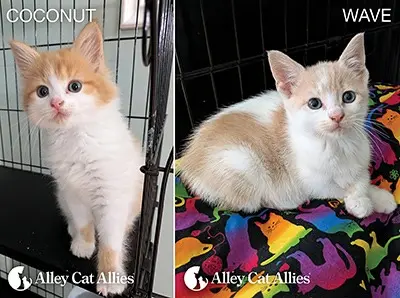
- Phase III (The 7,000 Milestone – Fall 2026): By late 2026, the cumulative impact of the collaboration pushed total feline lives touched to nearly 7,000. Stories of individual kittens, such as brothers Coconut and Wave, emerged to validate the success of specialized care practices like "Leave Them Be."
Supporting Context & Metrics: Hawaiʻi’s Ecological Debate vs. East Coast Success
The Hawaiʻi Controversy: Misguided Policies and Ecological Realities
At the heart of the conflict in Hawaiʻi is a proposed ban on the feeding of "domestic animals"—a classification broad enough to encompass outdoor cats—on DLNR lands. Proponents of the rule argue that such measures are necessary to safeguard threatened and endangered indigenous wildlife.
However, animal welfare experts and independent scientific reviews suggest that these rules misdiagnose the root causes of ecological decline.
- The Real Drivers of Species Decline: Extensive ecological research demonstrates that the primary threats to Hawaiʻi’s native flora and fauna are human-led activities, unchecked commercial and residential development, habitat destruction, pollution, and the introduction of invasive species through global trade.
- The Flaw of Lethal Control: Targeting community cats through feeding bans and lethal removal does not address systemic environmental degradation. Instead, it creates a cruel vacuum effect, wherein new cats inevitably migrate into unmanaged territories.
- The TNR Solution: Alley Cat Allies maintains that protecting indigenous wildlife and treating community cats humanely are not mutually exclusive goals. Effective TNR stabilizes populations organically, mitigating predation pressures while preserving the lives of healthy outdoor cats.
The Atlantic County Metrics: Transforming Shelter Dynamics
In stark contrast to the regulatory friction in the Pacific, the partnership between Alley Cat Allies and HSAC in New Jersey offers a masterclass in progressive shelter-community integration.
- Near-7,000 Milestone: The initiative has impacted nearly 7,000 cats and kittens, altering the demographic landscape of feline intake in the region.
- Elimination of Shelter Euthanasia: By stabilizing outdoor populations through mass sterilization, the influx of unwanted litters has plummeted. This allows shelter staff to shift finite resources toward the medical rehabilitation and adoption placement of adult cats.
- The "Leave Them Be" Protocol: A cornerstone of modern kitten advocacy championed by Alley Cat Allies, this protocol prevents the unnecessary intake of healthy unweaned kittens found outdoors. By allowing mother cats to raise their litters in their natural environment until they are old enough to be safely processed and adopted, survival rates increase, and shelter overcrowding is averted.
Official Statements and Perspectives
The duality of these ongoing efforts highlights the dedication required across different fronts of animal advocacy. Leaders and stakeholders have voiced clear perspectives on what these developments mean for the future.
Voices from the Frontlines of Animal Welfare
Steve Dash, Executive Director of the Humane Society of Atlantic County, emphasized the transformative effect of the collaboration on local operations:
"The colony caregivers are very appreciative and the general public is thrilled that Alley Cat Allies has been so supportive of HSAC and the community cats in our area. The biggest impact is the elimination of euthanasia in the shelter. We see fewer litters coming in so we can concentrate on placing more adults. These programs are saving cats’ lives every day."
Dash’s comments underline the tangible, life-saving math of proactive community intervention. When shelters are freed from the burden of managing endless waves of incoming litters, they can function as adoption centers rather than holding facilities.
Institutional Resolve from Alley Cat Allies
Regarding the ongoing legislative and regulatory struggles, representatives of Alley Cat Allies have reiterated their unwavering commitment to protecting vulnerable feline populations regardless of geographic boundaries. In official statements concerning the Hawaiian administrative rule amendments, the organization emphasized:
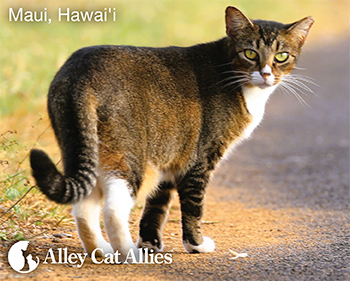
"Alley Cat Allies supports efforts to protect Hawaiʻi’s indigenous, threatened, and endangered wildlife while ensuring that cats living on the islands are treated humanely. We will fight to protect the community cats of Hawaiʻi."
This dual commitment—acknowledging the importance of ecological preservation while refusing to sacrifice humane standards for domestic animals—positions Alley Cat Allies as a rational, balanced, yet fiercely protective voice in modern animal advocacy.
Future Outlook: The Road Ahead for Community Cat Advocacy
As we look toward the remainder of 2026 and beyond, the landscape of animal welfare presents both formidable challenges and inspiring opportunities.
1. Defending Legislative Integrity
The battle in Hawaiʻi serves as a cautionary tale for animal advocates across the globe. Regulatory overreach that seeks to implement lethal control under the guise of environmental protection must be met with rigorous, evidence-based pushback. Alley Cat Allies’ active testimony in August 2026 sets a precedent for how organizations can legally and publicly challenge overreaching administrative rules. Moving forward, animal advocates must remain vigilant against attempts to dismantle TNR programs through bureaucratic stealth.
2. Scaling Proven Success Models
Conversely, the triumph in Atlantic County provides a blueprint for nationwide replication. The milestone of 7,000 cats helped is not merely a numerical achievement; it is a validation of collaborative infrastructure. By uniting national advocacy groups with localized shelters and boots-on-the-ground colony caregivers, communities can achieve what once seemed impossible: the effective elimination of shelter euthanasia for community cats.
3. Education and Public Engagement
Ultimately, the success of programs like "Leave Them Be"—as seen in the journey of rescue kittens Coconut and Wave—depends on public education. Dispelling the myth that every outdoor kitten is abandoned is crucial to preventing well-meaning citizens from inadvertently removing nursing kittens from their mothers.
Conclusion
Whether testifying against restrictive administrative rules on tropical islands or celebrating the adoption of rehabilitated kittens in New Jersey, Alley Cat Allies continues to demonstrate that compassion, science, and strategic collaboration are the ultimate keys to transforming animal welfare. As the movement grows, the mission remains clear: every cat deserves protection, humane treatment, and a chance at a healthy life in harmony with the communities they inhabit.