
Executive Overview
October 16, 2026, marked another monumental observance of Global Cat Day and National Feral Cat Day, an international initiative spearheaded by Alley Cat Allies to champion the protection, humane treatment, and celebration of cats across every corner of the globe. Operating under the powerful guiding theme—"Cats Are Community"—this year’s campaign emphasized a fundamental truth: community cats live everywhere human beings live, sharing our neighborhoods, urban spaces, and rural landscapes.
From the bustling streets of major international metropolises to the sun-scorched neighborhoods of the American Southwest, community cats are an integral part of the global social fabric. The 2026 observance underscored the critical shift from outdated, lethal animal control methods to progressive, lifesaving programs rooted in science and compassion.
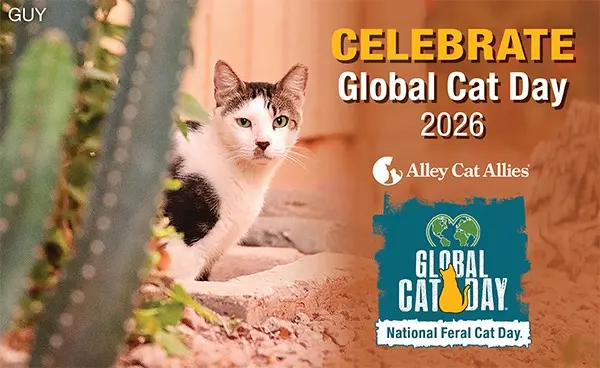
At the center of this year’s global narrative is Tempe, Arizona—a city that exemplifies how forward-thinking municipal policy can successfully integrate community cats into urban environments. Facing extreme desert climates where summer temperatures soar well above 100 degrees Fahrenheit, feline residents like a resilient tabby cat named Guy thrive thanks to a robust, government-funded Trap-Neuter-Return (TNR) initiative. This comprehensive program, operating through a synergistic partnership between local government agencies, dedicated advocates, and frontline caregivers, serves as a gold standard for municipal animal services worldwide.
This report provides a detailed examination of the 2026 Global Cat Day initiatives, explores the daily realities of community cats in extreme environments, analyzes the mechanics and metrics of modern TNR programs, and outlines the future outlook for feline advocacy on a global scale.
Detailed Chronology: The Evolution and Impact of Global Cat Day
To understand the profound significance of the October 16, 2026, Global Cat Day celebrations, it is necessary to examine the historical trajectory of feline advocacy over the past several decades.
The Origins of National Feral Cat Day
Originally established as National Feral Cat Day in 2001 by Alley Cat Allies, the date was created to bring national attention to the plight of outdoor cats—often referred to as feral or stray cats—who historically faced systemic euthanasia in traditional animal shelters. For decades, public policy relied on catch-and-kill methodologies, which proved both ineffective at reducing outdoor cat populations and devastatingly cruel.
As grassroots advocacy grew, the movement expanded its scope internationally, recognizing that the challenges and opportunities facing outdoor cats transcend national borders. The rebranding to Global Cat Day solidified its status as an international day of action, education, and policy reform.
The 2026 Campaign Timeline
- Early October 2026: Alley Cat Allies launched its digital and community outreach campaign centered around the Alley Cat Allies 2026 Fall Newsletter, mobilizing hundreds of thousands of supporters, shelter directors, and grassroots volunteers worldwide.
- October 16, 2026 (Global Cat Day): Celebrations culminated globally. Digital platforms lit up with stories, videos, and educational resources hosted on GlobalCatDay.org. Municipalities, animal welfare coalitions, and independent caregivers hosted spay/neuter marathons, community education seminars, and adoption events.
- Post-Event Analysis & Ongoing Advocacy: Animal welfare organizations began compiling the metrics of the 2026 campaign, highlighting success stories like Tempe, Arizona, to lobby state and local governments for expanded funding for non-lethal population management programs.
Supporting Context & Metrics: The Reality of Community Cats in Extreme Environments
Community cats—unowned domestic cats who live outdoors—are remarkably adaptable creatures. However, their survival and well-being are inextricably linked to the empathy and infrastructure provided by the human communities adjacent to them.
Adapting to the Desert: The Case of Guy in Tempe, Arizona
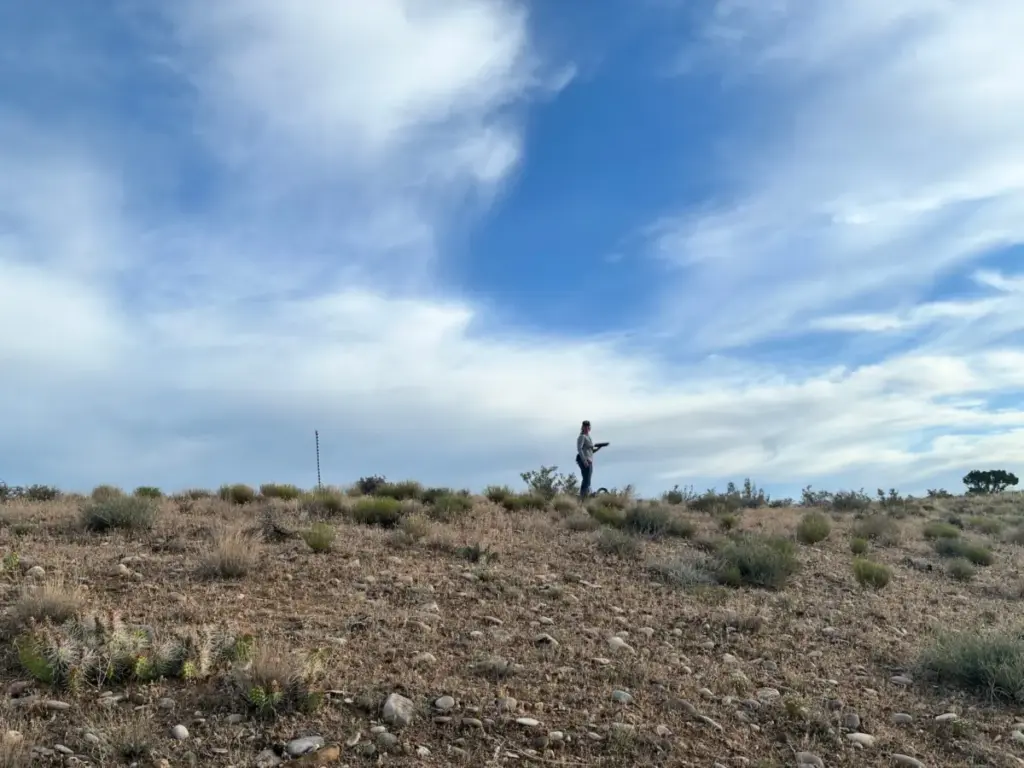
To appreciate the resilience of community cats, one need look no further than the desert city of Tempe, Arizona. In a region where ambient temperatures routinely exceed 100 degrees Fahrenheit for months at a time, survival requires specialized behavioral adaptations.
Take Guy, a resilient tabby cat who has become a symbol of desert feline tenacity. On scorching afternoons, Guy can be observed ducking out of view behind desert flora, utilizing the sparse shade of native cacti and urban landscaping to regulate his body temperature. During peak daylight hours, Guy and his feline peers practice behavioral thermoregulation: they snooze quietly beneath dense bushes, conserving their energy. As the sun sets and the desert air cools, these cats venture out to hunt, patrol their territories, and interact with their environment.
Yet, survival in such harsh climates is not left to chance. Guy’s ability to thrive is directly supported by an enlightened municipal infrastructure. Tempe’s animal welfare framework recognizes that community cats are part of the local ecosystem. Rather than viewing outdoor cats as a nuisance to be removed, the city has embraced a progressive stance that prioritizes humane management and community coexistence.
The Mechanics of Trap-Neuter-Return (TNR)
At the heart of Tempe’s success—and the broader global movement championed by Alley Cat Allies—is Trap-Neuter-Return (TNR). TNR is a non-lethal protocol scientifically proven to stabilize and gradually reduce outdoor cat populations while improving the health and welfare of the cats involved.
The process is methodical and humane:
- Trap: Humane box traps are used to safely capture community cats in a targeted neighborhood.
- Neuter/Spay: The cats are transported to veterinary clinics where they are spayed or neutered, vaccinated against rabies, and ear-tipped (a universal, painless method where the tip of the left or right ear is removed while the cat is under anesthesia to visually signal that they have been sterilized).
- Return: Once recovered from surgery, the cats are returned to their original outdoor homes where they have established social bonds and food sources.
+-----------------------------------------------------------------+
                 THE TRAP-NEUTER-RETURN (TNR) CYCLE
+-----------------------------------------------------------------+

       [ 1. TRAP ] ------------> [ 2. VETERINARY CARE ]
       Safely capture            Spay/Neuter, Vaccinate,
       community cats            & Ear-Tip
            ^                         |
            |                         v
       [ 3. RETURN ] <----------- [ RECOVERY ]
       Return to original        Post-operative monitoring
       outdoor home              & healing
Quantitative Metrics and Economic Impact
While exact population figures for outdoor cats fluctuate globally, comprehensive studies in municipalities implementing systematic TNR programs reveal striking metrics:
- Population Stabilization: Communities utilizing government-funded TNR see a gradual, natural decline in free-roaming cat populations over time, often ranging from 30% to 66% reductions within the first few years of implementation.
- Shelter Intake Reduction: Municipalities that partner with TNR programs report dramatic drops in feline shelter intake and subsequent euthanasia rates. In cities comparable to Tempe, shelter feline mortality rates have plummeted by up to 75% following the widespread adoption of shelter-neuter-return policies.
- Cost-Efficiency: According to economic analyses by animal welfare economists, TNR is up to 40% more cost-effective than traditional catch-and-kill animal control methods, which require continuous, cyclical funding for sheltering, warehousing, and euthanizing animals without achieving long-term population reduction.
Official Statements and Expert Perspectives
The overarching philosophy of the 2026 Global Cat Day campaign is anchored in the premise that animal welfare is a measure of human societal health. Leaders in the veterinary and animal advocacy sectors have issued powerful statements underscoring this ethos.
Alley Cat Allies Leadership
In the official publications accompanying the Alley Cat Allies 2026 Fall Newsletter, organization executives emphasized the moral imperative of the "Cats Are Community" rallying cry:
"When we say ‘Cats Are Community,’ we are recognizing a profound reciprocal relationship," noted a senior spokesperson for Alley Cat Allies. "Community cats live everywhere we do because they belong in our world. They are our neighbors. Protecting them, feeding them during heatwaves, and supporting humane programs like Trap-Neuter-Return is a reflection of our collective humanity. Cities like Tempe, Arizona, prove that compassion and sensible municipal policy can coexist brilliantly, even in the harshest environments."
Municipal and Veterinary Endorsements
Public health officials and municipal leaders in Arizona and across the United States have increasingly thrown their weight behind government-funded TNR initiatives. Dr. Elena Vance, a prominent coalition veterinarian specializing in community animal health, highlighted the public health benefits of these programs:
"TNR is not just about population control; it is an active public health measure," Dr. Vance stated. "Every cat that goes through a municipal TNR program is vaccinated against rabies, which forms an invisible, highly effective biological barrier protecting both human and animal populations. Furthermore, sterilized cats display significantly fewer nuisance behaviors, such as yowling, roaming, and fighting, which naturally fosters harmonious neighborhood relations."
Future Outlook: The Next Era of Feline Advocacy
As Global Cat Day 2026 concludes, the animal welfare community is looking ahead to the future with a mixture of optimism and clear-eyed determination. While significant strides have been made in cities like Tempe, substantial work remains on a global scale to ensure that every community cat is protected, valued, and afforded a humane existence.
Key Policy Objectives for the Coming Decade
- Universal Municipal Adoption of TNR: Advocacy groups are actively lobbying state legislatures and city councils to mandate or explicitly fund TNR programs as the default animal control protocol, replacing outdated ordinances that criminalize feeding outdoor cats or penalize caregivers.
- Expansion of Veterinary Infrastructure: One of the primary bottlenecks in scaling TNR operations is the availability of low-cost, high-volume spay/neuter (HSVN) veterinary clinics. Future investments must focus on training veterinary professionals and expanding clinic footprints in underserved rural and urban areas.
- Educational Integration in Schools and Communities: Changing cultural attitudes toward feral and stray cats begins with education. Programs highlighting humane coexistence, empathy for animals, and responsible pet ownership are being integrated into community outreach curricula.
- Climate Adaptation Strategies for Outdoor Animals: As global weather patterns shift and extreme heat events become more frequent—as seen in the brutal summers faced by cats like Guy in Arizona—municipalities and grassroots caregivers must develop infrastructure to support outdoor animals during environmental crises, including shaded feeding stations, hydration points, and emergency heat advisories.
Conclusion
The 2026 observance of Global Cat Day and National Feral Cat Day served as a powerful reminder that compassion knows no borders. Whether navigating the freezing winters of northern latitudes or finding clever shade behind cacti in the blistering heat of Tempe, Arizona, community cats are resilient survivors who enrich our shared neighborhoods.
Through the steadfast dedication of organizations like Alley Cat Allies, the tireless efforts of frontline caregivers, and the progressive policy frameworks adopted by compassionate cities, the vision of a world where every cat is valued as a member of our global community is steadily becoming a reality. The message of October 16, 2026, resonates clearly into the future: Cats are community, and community includes us all.
For more information on how to get involved, access educational resources, or support ongoing advocacy efforts, readers are encouraged to visit the official campaign portals at GlobalCatDay.org and Alley Cat Allies.