
SANTA FE, N.M. — As the American Southwest finds itself on the frontline of escalating environmental pressures, a transformative blueprint is taking shape in the Land of Enchantment. A comprehensive new report released by conservation advocates highlights the urgent need to scale up "nature-based solutions"—ecologically grounded interventions designed to restore habitats while simultaneously fortifying human infrastructure against the ravages of climate change.
Ranked as the fourth most biodiverse state in the nation, New Mexico is facing an unprecedented convergence of environmental stressors. Prolonged, multi-decade megadroughts, severe wildfire risks, dwindling mountain snowpack, and longer, intensely hot summers are placing a heavy toll on fragile ecosystems and critical water supplies. In response, environmental scientists, policy experts, and community leaders are pivoting toward strategies that work with natural systems rather than attempting to engineer around them.
The stakes could not be higher. As carbon emissions continue to alter global weather patterns, New Mexico’s policymakers are discovering that the very ecosystems most vulnerable to climate change—particularly riparian corridors and dense forests—also hold the key to the state’s long-term resilience, economic stability, and ecological survival.
Executive Overview: The Strategic Pivot Toward Ecological Resilience
The core thesis of the newly published report is both simple and profound: protecting and restoring natural habitats is no longer merely a conservation ideal; it is an urgent economic and infrastructural necessity. As climate impacts accelerate, traditional "gray infrastructure"—such as concrete floodwalls, artificial reservoirs, and mechanical water treatment facilities—is proving increasingly expensive, inflexible, and insufficient to handle extreme weather events.
By contrast, nature-based solutions leverage natural processes to deliver a cascade of benefits. These interventions include restoring degraded riverbanks, thinning overgrown forests to mitigate catastrophic wildfires, improving agricultural soil health to retain moisture, and re-establishing native grasses on grazed lands.
According to the report, these strategies do double duty. First, they act as natural carbon sinks, actively absorbing greenhouse gases from the atmosphere and storing carbon in healthy soils and dense forest canopies. Second, they function as critical ecological infrastructure, providing essential services such as natural water storage, erosion control, and flood mitigation.
Furthermore, the economic implications are profound. The report underscores that investing in nature-based solutions directly supports job creation, strengthens struggling rural economies, and drastically reduces the long-term costs associated with disaster recovery and infrastructure maintenance. For a state like New Mexico, where water is the ultimate currency, embracing these strategies represents a vital evolution in resource management.
Detailed Chronology: The Evolution of New Mexico’s Climate Policy
To understand how New Mexico arrived at this pivotal moment in its environmental policy, it is necessary to trace the trajectory of the state’s climate initiatives over the past two decades.
Early Warning Signs and the Shift to Adaptation (2000–2010)
At the turn of the century, the impacts of a warming planet on the American Southwest began to manifest with alarming clarity. Consecutive years of below-average winter snowfall in the Southern Rockies led to early spring runoffs, leaving rivers depleted during the scorching summer months. During this decade, state agencies primarily focused on reactive measures—managing emergency water shortages and fighting catastrophic wildfires as they occurred. However, forward-thinking ecologists and regional organizations, including chapters of the National Audubon Society, began lobbying for a more proactive approach, recognizing that piecemeal emergency responses were financially and ecologically unsustainable.
The Rise of Targeted State Programs (2010–2020)
The subsequent decade saw the institutionalization of proactive environmental management in New Mexico. Recognizing that riparian zones were the epicenters of both biodiversity loss and hydrological instability, the New Mexico Environment Department spearheaded the creation of the River Stewardship Program. This pivotal initiative began channeling crucial grant funding to private entities, tribes, and local coalitions dedicated to restoring degraded riverbanks and re-establishing natural river flows.
Concurrently, Soil and Water Conservation Districts across the state ramped up efforts to combat agricultural soil erosion and improve soil health, recognizing that healthy topsoil acts like a sponge, retaining precious moisture during dry spells and preventing topsoil loss during flash floods.
The Modern Framework and Legislative Push (2020–Present)
Entering the 2020s, the convergence of the COVID-19 pandemic, historic megafires, and deepening drought forced a comprehensive re-evaluation of state spending and climate policy. Conservation groups synthesized decades of localized ecological data into cohesive policy frameworks. Organizations like Audubon Southwest expanded their advocacy, linking ecological health directly to economic viability.
The culmination of this timeline brings us to the present day. With the release of this latest report, New Mexico is poised at a legislative crossroads. The upcoming legislative session, slated to begin in January 2027, represents the next major milestone in this chronology. Advocates are preparing to push for a significant expansion of state-backed funding mechanisms, aiming to institutionalize nature-based solutions as a permanent pillar of New Mexico’s state budget and infrastructure planning.
Supporting Context & Metrics: Biodiversity, Water, and Economics
To fully grasp the urgency and efficacy of nature-based solutions, one must examine the specific metrics and ecological realities driving New Mexico’s environmental landscape.
The Avian Barometer: Birds as Indicators of Ecosystem Health
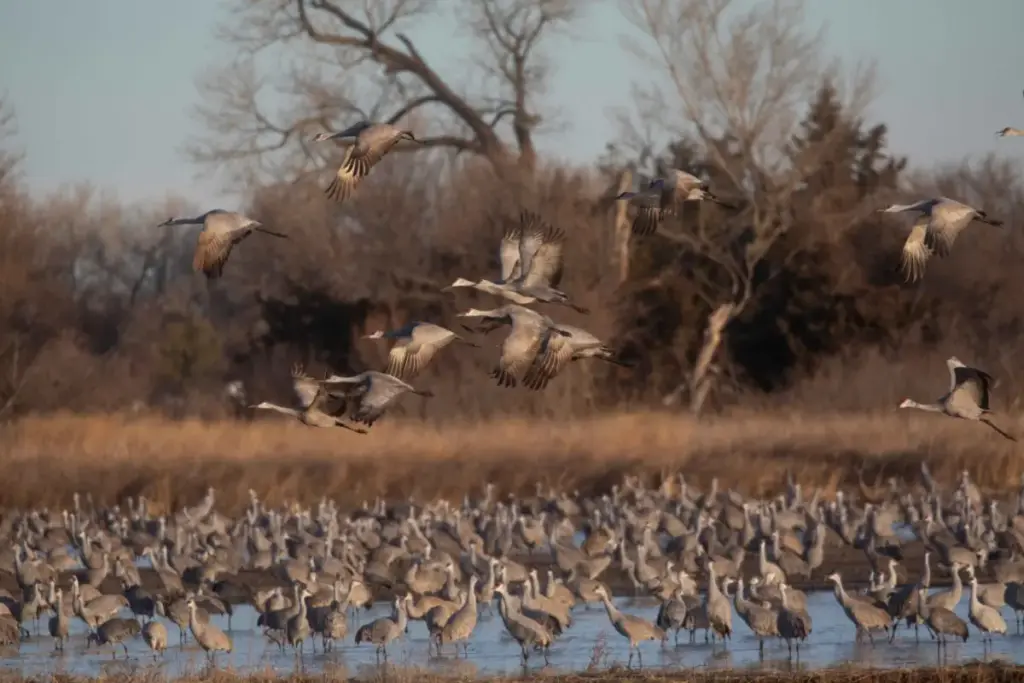
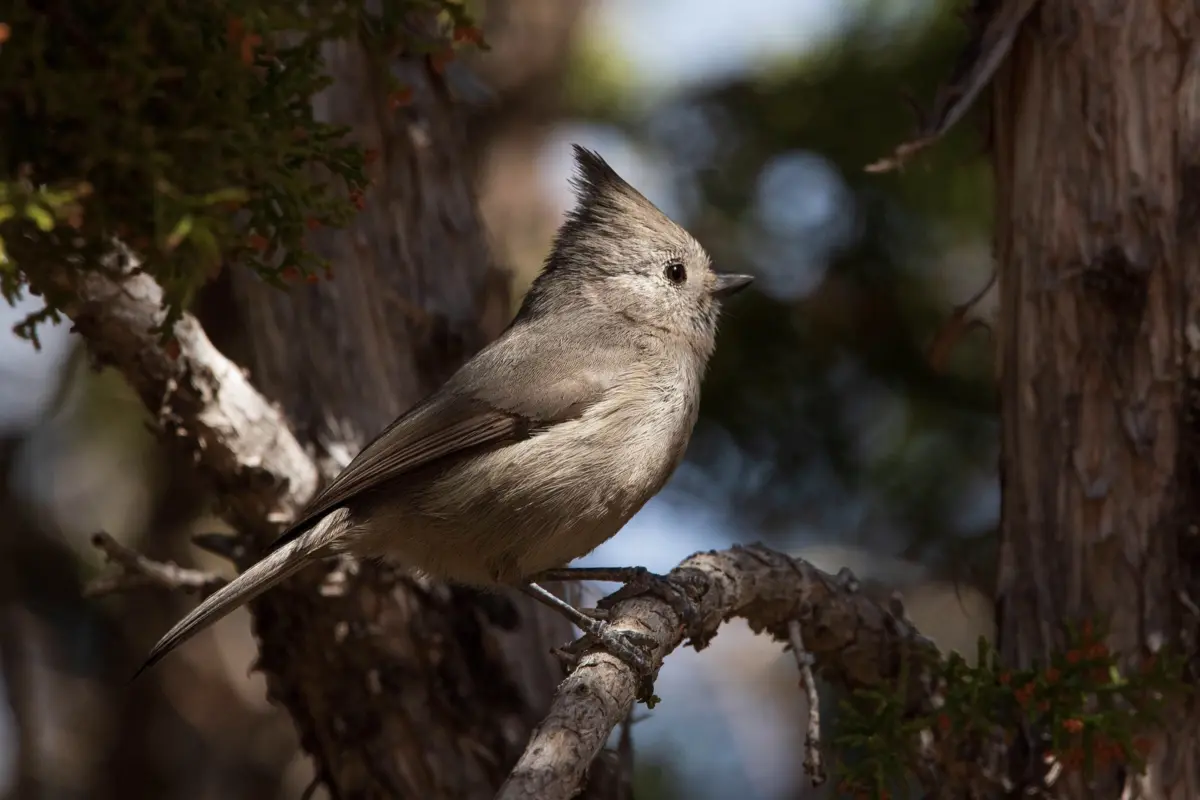
New Mexico’s rich biodiversity includes a vast array of resident and migratory bird species. However, the state’s at-risk bird populations are heavily concentrated in riparian areas—the lush corridors of green flanking rivers and streams—and high-elevation forests.
Birds serve as sensitive bioindicators. When avian populations decline, it signals a systemic collapse in the underlying health of the ecosystem. Riparian zones account for less than 1% of New Mexico’s total land area, yet they support over 80% of the state’s wildlife species at some point in their life cycles. When these zones are degraded by overgrazing, invasive species like salt cedar, and altered hydrological regimes, the cascading effect on biodiversity is catastrophic. Restoring these areas directly benefits species such as the Southwestern Willow Flycatcher and the Yellow-billed Cuckoo.
+-----------------------------------------------------------------+
|              THE RIPARIAN PARADOX IN NEW MEXICO                 |
+-----------------------------------------------------------------+
|  Land Area Covered by Riparian Zones:       < 1%                |
|  State Wildlife Species Supported:          > 80%               |
|  Primary Threats:                           Drought, Wildfire,  |
|                                             Invasive Species    |
|  Nature-Based Remedy:                       Habitat Restoration,|
|                                             Active Reforestation|
+-----------------------------------------------------------------+
The Hydrological Imperative: Snowpack and Water Security
Water management in New Mexico is inextricably linked to snowpack accumulation in the Sangre de Cristo and San Juan mountains. Historically, winter snow acted as a natural reservoir, slowly releasing water into river systems throughout the spring and summer. With winter temperatures rising, an increasing percentage of precipitation is falling as rain rather than snow, resulting in rapid, unmanaged runoffs and bone-dry riverbeds by August.
Nature-based solutions mitigate this hydrological crisis by slowing, sinking, and spreading water across the landscape. Restoring wetlands, meandering river channels, and beaver habitats allows water to infiltrate the underground water table rather than rushing downstream and causing destructive erosion. This recharges aquifers, providing a more reliable, long-term water supply for both human communities and wildlife habitats.
The Economic Case: Cost Savings and Job Creation
Critics of environmental conservation often frame ecological protections as a drag on economic productivity. However, the new report turns this conventional wisdom on its head, presenting robust economic data showing that nature-based solutions are powerful engines for rural economic development.
- Job Creation: Ecological restoration projects—ranging from forest thinning crews and native plant nurseries to hydrological engineering and trail maintenance—are highly labor-intensive. These initiatives create green-collar jobs that cannot be outsourced, injecting capital directly into rural New Mexico communities.
- Disaster Mitigation: Fighting a single catastrophic wildfire can cost federal and state governments tens of millions of dollars in immediate suppression costs, not to mention billions in long-term property damage, timber loss, and watershed degradation. Proactive forest thinning and watershed restoration drastically reduce the intensity of wildfires, yielding exponential return on investment.
- Infrastructure Longevity: Traditional stormwater and flood control infrastructure requires constant, costly maintenance and eventual replacement. Natural infrastructure—such as restored floodplains and wetlands—absorbs high-water events naturally, self-repairing over time and reducing long-term public expenditures.
Existing State Programs: A Foundation for Success
New Mexico does not need to invent a new bureaucratic apparatus to implement these solutions; the framework already exists. The state is home to several highly successful, targeted programs that have laid the groundwork for large-scale ecological restoration.
1. The River Stewardship Program
Administered by the New Mexico Environment Department, this program stands as a shining example of effective state-level intervention. By providing competitive grants to private landowners, conservation organizations, and local governments, the program finances hands-on riparian restoration. Projects often involve removing invasive species, stabilizing eroding riverbanks with natural materials, and reconnecting rivers to their historic floodplains.
2. Soil and Water Conservation Districts (SWCDs)
Operating at the local level, New Mexico’s SWCDs play a critical role in managing agricultural lands. Through technical assistance and financial incentives, these districts help farmers and ranchers implement regenerative agricultural practices. These include cover cropping, rotational grazing, and no-till farming, all of which enhance soil organic matter, reduce wind and water erosion, and maximize water retention in arid soils.
3. Forest Health and Responsible Forest Thinning Initiatives
Decades of fire suppression have left New Mexico’s forests unnaturally dense, turning healthy woodlands into tinderboxes. State and federal agencies, in partnership with tribal nations and local forestry enterprises, have ramped up responsible forest thinning projects. By removing excess underbrush and small-diameter trees while preserving old-growth canopy trees, these initiatives lower wildfire risk, reduce tree-stress from overcrowding, and free up limited groundwater for remaining vegetation.
4. The Audubon Conservation Ranching Program
Recognizing that the vast majority of New Mexico’s land is privately owned, conservationists have forged partnerships with agricultural producers. The Audubon Conservation Ranching Program certifies beef producers who manage their lands using bird-friendly practices. Ranchers participating in the program implement managed rotational grazing, plant and restore native grasses, and protect natural water sources. In return, they receive market differentiation for their sustainably produced beef, proving that agriculture and conservation can exist in mutually beneficial harmony.
Official Statements and Expert Perspectives
As the report gains traction among policymakers, key stakeholders are weighing in on the path forward. Conservation leaders emphasize that the transition to nature-based solutions is no longer optional.
"New Mexico is at a critical juncture," notes a senior environmental policy analyst familiar with the report. "We can continue to chase climate disasters with expensive, temporary fixes, or we can invest in the natural systems that have sustained life in this arid landscape for millennia. Nature-based solutions give us the tools to protect our communities, our economy, and our irreplaceable biodiversity."
Local agricultural producers are also recognizing the shift. Juan Martinez, a third-generation rancher in northern New Mexico and a participant in sustainable land management programs, highlights the practical benefits on the ground:
"For generations, we thought we had to fight the land to make a living," Martinez said. "What we’re learning now—and what this report confirms—is that when we take care of the soil, restore the grasses, and let the rivers breathe, the land takes care of us in return. Our pastures are more resilient to drought, our cattle are healthier, and we’re seeing wildlife return that we haven’t seen in decades."
State legislators are beginning to take notice as well. Several key members of the New Mexico Legislature have signaled their intent to review the report’s recommendations ahead of the upcoming session, signaling potential bipartisan support for increased appropriations toward environmental restoration grants and soil health initiatives.
Future Outlook: The Road to the January 2027 Legislative Session
Looking ahead, the primary objective for conservation advocates and state agencies is clear: scale up funding and expand on-the-ground deployment of nature-based solutions before climate impacts outpace current mitigation capacities.
As the state prepares for the January 2027 legislative session, organizations like Audubon Southwest are mapping out an aggressive advocacy agenda. Key strategic priorities include:
- Increased Appropriations: Pushing for dedicated state funding lines for the River Stewardship Program, soil health initiatives, and forest thinning projects, ensuring these programs have the financial resources to meet growing regional demands.
- Deepened Inter-Agency Partnerships: Fostering closer collaboration between the New Mexico Environment Department, the Energy, Minerals and Natural Resources Department (EMNRD), and the Department of Agriculture to streamline project permitting and execution.
- Private-Public Synergy: Expanding outreach to private landowners, tribal communities, and corporate stakeholders to integrate nature-based management across diverse land-ownership boundaries.
A Thriving Future for New Mexico
Climate change presents an existential threat to the American Southwest, but it also serves as a catalyst for systemic innovation. By embracing nature-based solutions, New Mexico has the opportunity to chart a course toward a resilient, regenerative future.
When funding is expanded, partnerships are solidified, and natural systems are restored, the dividends are clear: rivers flow more reliably, forests withstand the threat of wildfire, rural economies grow stronger, and vulnerable bird and wildlife populations find safe harbor. Ultimately, investing in nature is investing in the enduring prosperity of New Mexico and all who call it home.