
Executive Overview
Agribusiness giant Syngenta is facing a high-stakes legal battle following a lawsuit filed in California by Apostolos Panayiotou, a long-time resident of Los Angeles County. Represented by the prominent national law firm Wisner Baum LLP, Panayiotou alleges that decades of routine exposure to Syngenta’s atrazine-based herbicides directly caused him to develop non-Hodgkin lymphoma.
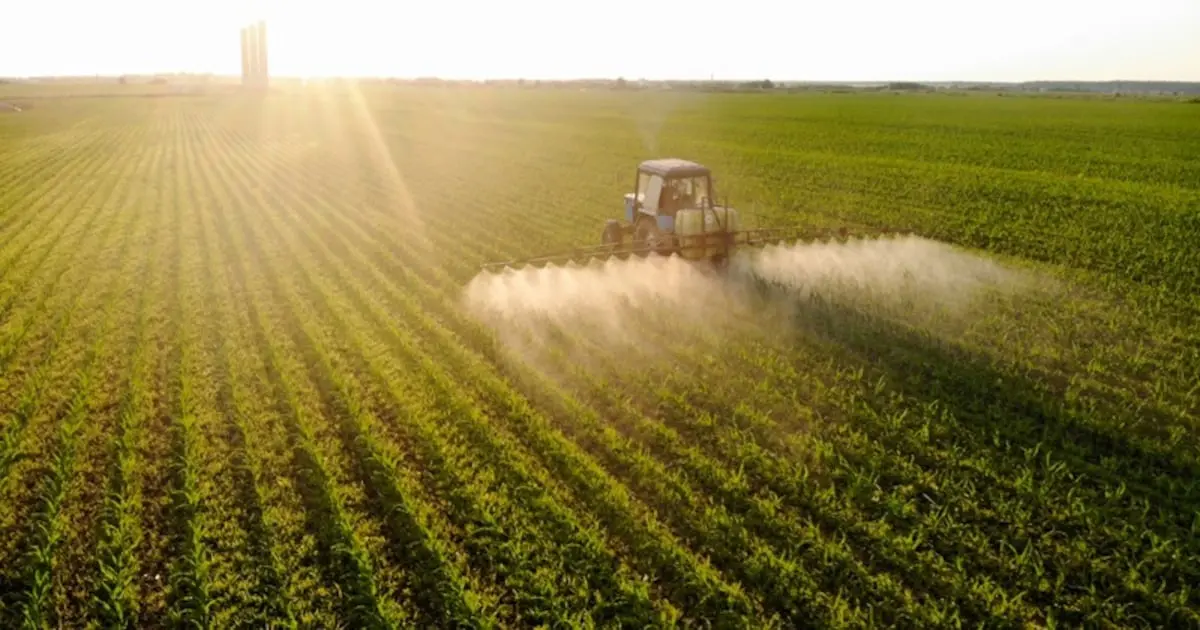
The complaint places the spotlight squarely on the everyday realities of agricultural chemical handling. According to the court filings, Panayiotou spent thirty years mixing, loading, and spraying atrazine products across various local settings in exact accordance with manufacturer guidelines. The lawsuit asserts that while he performed his work precisely as intended, Syngenta failed to provide adequate warnings, safety communications, and specialized training that went beyond the basic federal pesticide labels mandated by law.
At the heart of the legal dispute is a critical distinction between raw chemical compounds and finished commercial formulations. The lawsuit targets the end-use products—mixtures that agricultural workers, landscapers, and applicators routinely come into contact with via skin absorption, inhalation, and accidental ingestion.
"Mr. Panayiotou handled these products year after year, exactly as they were intended to be used, and he developed cancer," said Pedram Esfandiary, a partner at Wisner Baum and co-counsel for the plaintiff, in a public statement. "Syngenta knew or should have known about the risks applicators faced, and it failed to warn them."
Syngenta has fiercely contested these allegations, defending the integrity of its products and pointing to decades of regulatory approvals. The legal challenge arrives at a delicate moment for the agrochemical industry, coinciding with fresh international safety classifications that have reignited fierce debates regarding the long-term human health impacts of widespread herbicide use. As this case proceeds through the judicial system, it threatens to upend established assumptions regarding regulatory oversight, corporate transparency, and the safety of one of the world’s most ubiquitous weed-killing agents.
Detailed Chronology: Decades of Exposure, Global Research, and the Path to Litigation
To understand the gravity of the current lawsuit, it is necessary to examine the intersecting timelines of Panayiotou’s personal work history, the historical deployment of atrazine, and recent shifts in the global scientific consensus regarding the chemical’s toxicity.
The Decades-Long Exposure Timeline in Los Angeles County
Apostolos Panayiotou’s relationship with atrazine is rooted in practical application. For approximately three decades, Panayiotou lived and worked in Los Angeles County, where his routine responsibilities involved the hands-on management of vegetation. This work required him to handle commercial agricultural formulations containing atrazine, a synthetic chlorine-containing organic compound designed to eradicate broadleaf weeds and annual grasses.
Throughout the 1990s, 2000s, and 2010s, Panayiotou routinely engaged in the physical processes of mixing concentrated chemical containers, loading application machinery, and deploying sprays across targeted plots of land. Court documents emphasize that at no point did Panayiotou deviate from standard handling protocols. He utilized the products seasonally and year-round, depending on agricultural and land-management cycles, trusting that the safety instructions printed on the product labels were sufficient to protect him from chronic health hazards.
However, over time, the cumulative exposure took a severe toll on his physiological well-being. Panayiotou was ultimately diagnosed with non-Hodgkin lymphoma—a type of cancer that originates in the lymphatic system, fighting cells of the immune network. According to Wisner Baum LLP, the physical manifestations of the disease are directly tied to the immune-suppressing and oncogenic properties of the finished herbicide formulations he handled for thirty years.
The 2026 IARC Monograph and the Scientific Turning Point
A major catalyst for the current litigation is a landmark scientific review published in January 2026. The International Agency for Research on Cancer (IARC)—a specialized intergovernmental agency forming part of the World Health Organization (WHO)—released the findings of a comprehensive monograph evaluating the carcinogenicity of atrazine, alongside two other chemicals, alachlor and vinclozolin.
Published in The Lancet in January 2026, the IARC evaluation sent shockwaves through the agricultural sector. An international panel of independent experts concluded that atrazine and alachlor are probably carcinogenic to humans, placing them in Group 2A.
To understand the weight of this classification within the IARC framework, it helps to examine their tiered rating system:
- Group 1: Carcinogenic to humans (sufficient evidence of carcinogenicity in humans).
- Group 2A: Probably carcinogenic to humans (limited evidence in humans, sufficient evidence in experimental animals).
- Group 2B: Possibly carcinogenic to humans (limited evidence in humans, less than sufficient evidence in experimental animals).
- Group 3: Not classifiable as to its carcinogenicity to humans.
- Group 4: Probably not carcinogenic to humans.
The Group 2A designation for atrazine represents the second-highest level of carcinogenic hazard recognized by the WHO body. The panel based its determination on "sufficient evidence in experimental animals" combined with a "positive association for non-Hodgkin lymphoma in limited human evidence."
The Wisner Baum lawsuit heavily leverages this timeline. The legal team argues that mounting scientific literature regarding the chemical’s link to immune system suppression and lymphopoietic cancers was already developing during Panayiotou’s working years. The complaint asserts that Syngenta was well-aware of these emerging risk signals yet chose to continue aggressively marketing and distributing its atrazine portfolio without updating its warnings or issuing enhanced safety advisories to end-users.
Supporting Context & Metrics: Atrazine’s Role in Global Agriculture and Regulatory Frameworks
Atrazine is far from an obscure chemical; it is a foundational pillar of modern commercial farming, particularly in North America. Understanding its industrial footprint provides essential context for why regulatory bodies and manufacturers defend its utility so fiercely.
What is Atrazine and Where is it Used?
Approved by the U.S. Environmental Protection Agency (EPA) as a systemic chlorinated triazine herbicide, atrazine is primarily engineered to inhibit photosynthesis in unwanted plants. It is deployed extensively across millions of acres of farmland to control annual broadleaf weeds and grasses before or after they emerge.
Key agricultural sectors reliant on atrazine include:
- Field Corn and Sweet Corn: The single largest market for atrazine applications globally.
- Sorghum and Sugarcane: Vital rotational crops requiring robust weed suppression.
- Wheat and Select Orchards: Including specialized uses in macadamia nut and guava groves.
- Non-Agricultural Settings: Industrial vegetation management, including utility rights-of-way and turfgrass operations.
Syngenta commands a dominant market share in the distribution of atrazine, offering a vast array of formulations to suit different operational needs. These include single-active-ingredient liquid concentrates such as AAtrex 4L, dry granular formulations like AAtrex Nine-O, and a suite of complex proprietary premixes that combine atrazine with other active ingredients to combat resistant weed strains. Notable premix brands in Syngenta’s catalog include Acuron, Lexar EZ, Lumax, and Bicep II Magnum.
The Regulatory Divide: IARC vs. EPA
A central tension in modern pesticide litigation involves the distinct roles played by hazard-identification bodies versus risk-assessment regulators.
While the IARC evaluates whether a substance can cause cancer under any circumstances (hazard identification), national regulatory agencies like the EPA and Canada’s Pest Management Regulatory Agency (PMRA) evaluate real-world risk under actual conditions of use (risk assessment).
Under the Federal Insecticide, Fungicide, and Rodenticide Act (FIFRA), the EPA is mandated to conduct comprehensive registration reviews of registered pesticides at least every 15 years. These reviews are designed to ensure that chemical products can perform their intended agricultural functions without imposing unreasonable adverse effects on human health or the environment.
The EPA completed an interim registration review decision for atrazine in 2020. Recognizing environmental and ecological concerns—particularly concerning aquatic plant life and chemical runoff—the agency implemented several risk-mitigation measures:
- Prohibition of Aerial Applications: To minimize spray drift into neighboring communities and non-target ecosystems.
- Weather-Based Restrictions: Banning applications when soils are saturated or during rainstorms to prevent field runoff.
- Aquatic Concentration Benchmarks: In July 2024, the EPA further updated its aquatic level of concern, setting an atrazine concentration threshold of 9.7 micrograms per liter to safeguard aquatic plants.
Despite these environmental adjustments, the EPA has historically maintained that existing scientific data does not support a causal link between registered agricultural uses of atrazine and human cancer. Similarly, the PMRA in Canada concluded in 2023 that current evidence could not substantiate a definitive connection between standard atrazine application and adverse human health outcomes.
This regulatory stance forms the cornerstone of Syngenta’s legal defense: that when applicators follow registered label instructions, the product is safe and fully compliant with all established scientific standards.
Official Statements: The Battle of Narratives
The legal confrontation between Apostolos Panayiotou and Syngenta has triggered a public relations and legal war of words, highlighting the chasm between corporate reassurance and plaintiff advocacy.
The Plaintiff’s Position: Failure to Warn and Corporate Negligence
The legal strategy orchestrated by Wisner Baum LLP focuses heavily on the adequacy of product warnings and the manufacturer’s duty of care. By drawing a sharp line between the chemical compound in isolation and the finished commercial formulations handled by workers, the lawsuit bypasses abstract chemical debates and zeroes in on human exposure.
In their press release announcing the lawsuit, Wisner Baum emphasized that blue-collar agricultural workers, landscapers, and farmers bear the brunt of chemical toxicity because they handle concentrated mixtures on a daily basis. Pedram Esfandiary underscored that Mr. Panayiotou followed instructions to the letter yet suffered a life-altering disease.
"Syngenta knew or should have known about the risks applicators faced, and it failed to warn them," Esfandiary reiterated, pointing to internal corporate knowledge and the growing body of independent toxicological research, culminating in the 2026 IARC findings. The plaintiff’s legal team argues that federal pesticide labels—often designed with heavy industry input—are woefully inadequate for alerting workers to the true oncogenic and immunological risks associated with long-term handling of finished atrazine products.
Syngenta’s Defense: Unwavering Confidence in Six Decades of Science
In response to inquiries from agricultural media outlets such as AgNavigator, Syngenta issued a robust, unequivocal defense of its products, flatly rejecting the claims brought forward in the California lawsuit.
A company representative released an extensive statement emphasizing the exhaustive scientific scrutiny atrazine has undergone over the past 60 years:
"At Syngenta, the health and well-being of people always come first. We stand firmly behind the safety of our atrazine products and the science that supports them. Atrazine is one of the most extensively studied crop protection products in the world, with more than 7,000 studies conducted over six decades.
The weight of scientific evidence shows atrazine is safe when used according to registered label instructions, consistent with the conclusions of leading regulatory authorities and scientific expert bodies that have extensively assessed atrazine. As such, Syngenta disagrees with the allegations made in the lawsuit."
Syngenta’s defense highlights the conclusions of premier regulatory bodies, noting that agencies like the EPA (as recently as its modern evaluations) and the Canadian PMRA (in its 2023 assessments) have thoroughly reviewed the toxicological data and concluded that science does not support a causal connection between atrazine exposure and human cancer. The company maintains that its product labels provide accurate, comprehensive safety instructions that protect applicators when adhered to correctly.
Future Outlook: Implications for Agriculture, Regulation, and Agribusiness Litigation
As this lawsuit works its way through the California judicial system, its ramifications extend far beyond an individual dispute between a retired worker and an agrochemical corporation. The case touches on fundamental questions about the future of modern farming, chemical regulation, and corporate accountability.
1. Precedent for Agrochemical Tort Litigation
For decades, mass tort litigation against pesticide manufacturers has largely focused on specific high-profile herbicides, most notably glyphosate (such as Roundup). The introduction of a major, well-resourced legal challenge against atrazine—bolstered by the fresh 2026 IARC Group 2A classification—signals a potential pivot in toxic tort litigation. If plaintiffs’ attorneys successfully establish that manufacturers failed to warn workers about non-Hodgkin lymphoma risks despite emerging scientific warnings, it could open the floodgates for similar lawsuits filed by corn belt farmers, groundskeepers, and municipal workers across the United States.
2. The Pressure on Federal Regulators
The disconnect between the World Health Organization’s IARC (which classifies atrazine as probably carcinogenic) and the U.S. EPA (which maintains it is safe under registered conditions) places immense political and scientific pressure on domestic regulators. Environmental advocacy groups are likely to leverage the 2026 IARC findings to petition the EPA for stricter reviews, mandatory health warnings, or even phased-out registrations for certain high-exposure uses. Conversely, agricultural lobbies will fight vigorously to protect atrazine, arguing that losing the chemical would devastate crop yields and force farmers to adopt less efficient, more expensive weed-management alternatives.
3. Corporate Risk Management and Label Reform
Regardless of the ultimate verdict or settlement in the Panayiotou case, chemical manufacturers are being forced to re-evaluate their liability exposure. Agribusiness corporations may need to invest heavily in advanced worker-safety training programs, enhanced personal protective equipment (PPE) mandates, and proactive health-monitoring initiatives for frequent applicators. Furthermore, the ongoing debate over "failure to warn" claims highlights the vulnerability of relying solely on EPA-approved labels as an absolute shield against state-level tort liability.
Conclusion
The legal battle initiated by Apostolos Panayiotou against Syngenta represents a critical collision point between industrial agriculture and human health advocacy. As courts grapple with complex toxicological data, conflicting international classifications, and the tragic personal costs borne by long-term chemical handlers, the outcome of this case will undoubtedly leave a lasting imprint on the agricultural landscape for years to come.