
Executive Overview
In the multi-billion-dollar global pet care industry, media endorsements backed by veterinary professionals carry immense weight with consumers seeking the best nutrition for their companion animals. However, a recent high-profile buyer’s guide published by Good Housekeeping—titled “8 Dog Food Brands Vets Actually Recommend”—has sparked significant backlash from pet food consumer advocates.
Led by Susan Thixton, an influential consumer advocate and founder of TruthaboutPetFood.com and the Association for Truth in Pet Food, critics assert that the publication and its consulting veterinarians disseminated scientifically inaccurate health claims, relied on ambiguous industry jargon, and failed to disclose critical legal and safety distinctions regarding ingredient quality.
The controversy centers on two primary issues: unsubstantiated claims regarding the dental benefits of commercial dry kibble and a pervasive oversight concerning the regulatory gap between "feed-grade" and "human-grade" pet foods. While Good Housekeeping touted its legacy of over 125 years of product evaluation and consumer advocacy, advocates argue that the outlet dropped the ball by publishing misleading advice. This report provides an investigative breakdown of the claims made in the publication, the underlying regulatory framework governing pet food, and the systemic education gaps surrounding commercial pet food manufacturing.
Detailed Chronology of the Controversy
+-----------------------------------------------------------------------------------+
| CHRONOLOGY OF EVENTS                                                              |
+-----------------------------------------------------------------------------------+
| 1. Good Housekeeping Publishes Recommendation Guide                               |
|    - Titles piece "8 Dog Food Brands Vets Actually Recommend"                     |
|    - Consults Dr. Alejandro Caos and Dr. Megan Conrad                             |
|    - Names Nutro Ultra Dry Dog Food as "Best Overall"                             |
+-----------------------------------------------------------------------------------+
                                         |
                                         v
+-----------------------------------------------------------------------------------+
| 2. Consumer Advocacy Review & Fact-Checking                                       |
|    - Susan Thixton identifies debunked mechanical dental claims for standard kibble|
|    - Highlights ambiguous descriptions like "high-quality" and "balanced"         |
|    - Identifies non-disclosure of feed-grade vs. human-grade ingredients          |
+-----------------------------------------------------------------------------------+
                                         |
                                         v
+-----------------------------------------------------------------------------------+
| 3. Formal Intervention & Public Exposure                                          |
|    - Thixton issues formal communication to Good Housekeeping editorial staff     |
|    - Association for Truth in Pet Food publishes critical rebuttal                |
|    - Calls for increased consumer questioning of veterinary dietary advice         |
+-----------------------------------------------------------------------------------+
The Initial Recommendations
Good Housekeeping published a featured guide intended to help dog owners navigate the crowded pet food marketplace. To lend authority to its selections, the outlet consulted two licensed veterinarians: Dr. Alejandro Caos and Dr. Megan Conrad.
The guide designated Nutro Ultra Dry Dog Food as its number-one "Best Overall" choice. In defending this choice, Dr. Caos stated:
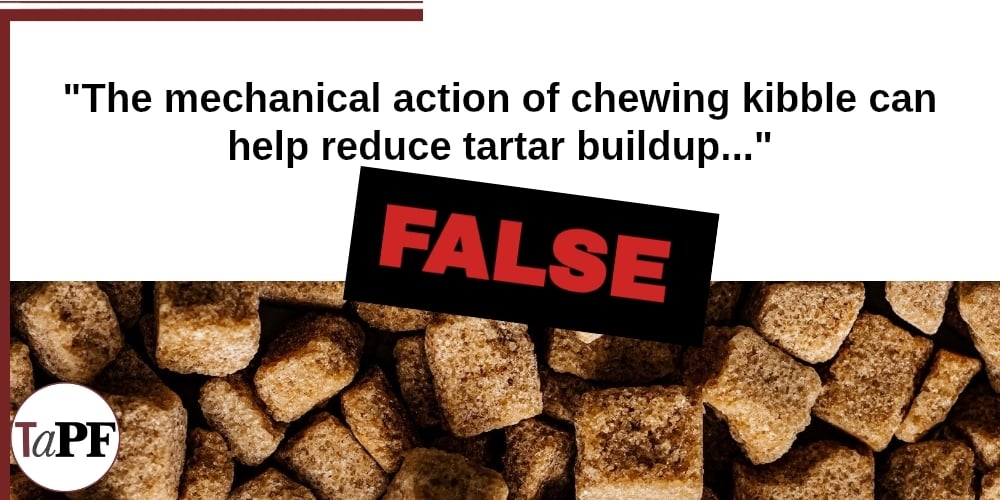
"The crunchy texture can help promote dental health… The mechanical action of chewing kibble can help reduce tartar buildup and maintain healthier teeth and gums, while the abrasive action of chewing can help scrape away plaque."
In the same article, Dr. Caos offered general criteria for selecting pet food, noting that healthy options should provide "balanced nutrition, use high-quality ingredients, promote proper digestion, and be suitable for your dog’s life stage."
Simultaneously, Dr. Conrad endorsed Purina Pro Plan, calling it "one of the most nutritionally balanced options on the market."
Of the eight recommended brands, only one fresh-food option—Ollie Pet Food—was characterized by the authors as offering "homemade-looking dinners."
The Advocacy Rebuttal
Following the article’s publication, Susan Thixton launched a comprehensive critique analyzing the veterinarians’ statements against established veterinary dental science and federal pet food regulations.
- The Dental Health Fallacy: Advocates pointed out that standard commercial dry kibble does not reduce tartar or scrape away plaque. The vast majority of kibble shatters instantly upon contact with the apex of a dog’s tooth, providing zero abrasive action at the gumline where plaque and tartar accumulate.
- Vague Nutritional Jargon: Advocates criticized the use of terms like "high-quality ingredients" and "nutritionally balanced," pointing out that neither the consulting veterinarians nor the publication defined these terms or provided peer-reviewed metrics to substantiate why one brand was more "balanced" than another.
- Failure to Disclose Feed-Grade vs. Human-Grade Standards: Critics highlighted that Good Housekeeping glossed over a major legal distinction: Ollie Pet Food was the only human-grade food on the list, while the remaining seven recommendations were feed-grade products. Describing Ollie merely as "homemade-looking" obscured a fundamental difference in ingredient sourcing, handling, and safety compliance.
In response to these findings, Thixton sent a formal communication to Good Housekeeping, warning the publication that its pet food guidance was misleading the public and failing to meet basic standards of consumer protection.
Supporting Context & Regulatory Metrics
To understand why consumer advocates raised alarms over the Good Housekeeping piece, it is necessary to examine the regulatory, structural, and scientific metrics that govern pet food in the United States.
+-----------------------------------------------------------------------------------+
| PET FOOD INGREDIENT & MANUFACTURING QUALIFICATIONS                                |
+-----------------------------------------------------------------------------------+
| Metric / Feature           | Feed-Grade Standards        | Human-Grade Standards  |
+----------------------------+-----------------------------+------------------------+
| Regulatory Body Oversight  | AAFCO / FDA CVM             | USDA / FDA Food Safety |
| Raw Material Sourcing      | Allows Non-Slaughtered/4D   | Human-Edible Only      |
| Processing Standards       | Rendered / Industrial Feed  | CFR Title 21 Compliant |
| VOHC Dental Claims         | Extremely Rare (<5% kibble) | N/A (Fresh diets)      |
+-----------------------------------------------------------------------------------+
The Science of Dental Claims: The VOHC Standard
The assertion that standard dry kibble cleans teeth remains one of the most persistent myths in pet care. The Veterinary Oral Health Council (VOHC) is an independent body that recognizes pet products that meet pre-set scientific standards for reducing plaque and calculus (tartar).
- Mechanical Action Dynamics: For a kibble to genuinely scrape away plaque, it must be formulated with a specific elastic matrix or structural density that allows the tooth to penetrate the kibble biscuit without fracturing immediately, enabling mechanical wiping along the tooth surface down to the gingival margin.
- Certification Requirement: Standard kibbles, including Nutro Ultra, do not possess VOHC certification for plaque or tartar reduction. Claiming that an uncertified kibble promotes dental health through simple chewing is scientifically inaccurate.
The Regulatory Divide: Feed-Grade vs. Human-Grade
The distinction between feed-grade and human-grade pet food is defined by regulatory oversight and legal standards.

                  ┌────────────────────────────────────────┐
                  │          PET FOOD CATEGORIZATION       │
                  └───────────────────┬────────────────────┘
                                      │
          ┌───────────────────────────┴───────────────────────────┐
          ▼                                                       ▼
┌───────────────────────────────────┐                   ┌───────────────────────────────────┐
│        FEED-GRADE PRODUCTS        │                   │       HUMAN-GRADE PRODUCTS        │
├───────────────────────────────────┤                   ├───────────────────────────────────┤
│ • Regulated as Animal Feed        │                   │ • Regulated as Human Food         │
│ • Governed by AAFCO / FDA CVM     │                   │ • Strict USDA / FDA Compliance    │
│ • Subject to FDA "Enforcement     │                   │ • 100% Human-Edible Ingredients   │
│   Discretion" (CPG Sec. 675.400)  │                   │ • Transported & Processed in      │
│ • May contain rendered meats      │                   │   Inspected Human Facilities      │
└───────────────────────────────────┘ └───────────────────────────────────┘-
Feed-Grade Pet Food:
- Regulated under animal feed rules overseen by state feed control officials and the Association of American Feed Control Officials (AAFCO), alongside the FDA Center for Veterinary Medicine (CVM).
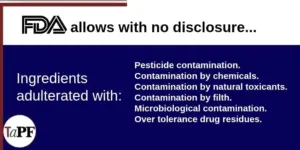
- FDA Enforcement Discretion: Under FDA Compliance Policy Guides (such as CPG Sec. 675.400), the federal government exercises "enforcement discretion" regarding the inclusion of tissue from diseased animals or animals that died otherwise than by slaughter in animal feed, provided the final product undergoes processing.
- Ingredients are classified as "feed-grade" and are not required to meet human food safety, transportation, or manufacturing standards.
-
Human-Grade Pet Food:
- Every ingredient used must be legally classified as human-edible.
- The product must be manufactured, packaged, stored, and transported in full compliance with Code of Federal Regulations Title 21 (human food regulations).
- Facilities are subject to USDA and FDA inspections equivalent to human food processing plants.
In the Good Housekeeping list, 87.5% of the recommended brands were feed-grade foods. By failing to explain this distinction and reducing a certified human-grade product (Ollie) to a aesthetic description ("homemade-looking"), the publication omitted crucial safety and quality context.
Official Statements & Industry Commentary
Perspective of Consumer Advocacy
Susan Thixton addressed the systemic nature of these media mistakes in her public commentary, emphasizing that while individual veterinarians are often trusted authorities, they frequently lack specialized training in pet food manufacturing regulations:
"With the veterinarians Good Housekeeping consulted with, their words were not much different than what many veterinarians tell pet owners on a daily basis. Their words do not make them bad veterinarians, it only shows they are not informed about pet food."
Thixton underscored that veterinary school curricula heavily prioritize clinical medicine, surgery, and basic metabolic nutrition, rarely covering the legal mechanics of AAFCO ingredient definitions, feed-grade manufacturing tolerances, or FDA policy guides.
The Role of Stakeholder Organizations
The Association for Truth in Pet Food (ATPF) serves as a consumer advocacy stakeholder organization that attends AAFCO meetings and directly engages with the FDA on behalf of pet owners. Organizations like ATPF argue that mainstream media outlets have a duty to perform basic fact-checking before publishing product guides, particularly when invoking legacy credibility.
"For more than 125 years, Good Housekeeping has been evaluating products and advocating for consumers," the organization noted in its response. "In this case, Good Housekeeping and the veterinarians they consulted with dropped the ball."
Future Outlook & Actionable Guidance for Pet Owners
The controversy over Good Housekeeping’s recommendations highlights the need for greater media accountability and consumer education. As pet owners increasingly treat companion animals as family members, the demand for transparent, scientifically accurate, and legally clear dietary information will continue to rise.
                    ┌──────────────────────────────────────┐
                    │      PET OWNER INQUIRY FRAMEWORK     │
                    └───────────────────┬──────────────────┘
                                        │
         ┌──────────────────────────────┼──────────────────────────────┐
         ▼                              ▼                              ▼
┌──────────────────┐          ┌──────────────────┐          ┌──────────────────┐
│ QUALITY PROFILES │          │ LEGAL STANDARDS  │          │ DENTAL CLAIMS    │
├──────────────────┤          ├──────────────────┤          ├──────────────────┤
│ "What specific   │          │ "Are these       │          │ "Does this product│
│ parameters define│          │ ingredients      │          │ hold official    │
│ 'high quality'   │          │ classified as    │          │ VOHC certification│
│ in this food?"   │          │ human-grade or   │          │ for plaque       │
│                  │          │ feed-grade?"     │          │ reduction?"      │
└──────────────────┘          └──────────────────┘          └──────────────────┘
Asking the Right Questions at the Vet Clinic
Advocates urge pet owners to actively evaluate dietary recommendations from both media sources and medical professionals. Rather than accepting broad claims at face value, consumers are encouraged to ask targeted questions:
- When told a food uses "high-quality ingredients": Ask for the specific parameters used to define quality. Are the ingredients human-grade or feed-grade?
- When told a brand is "nutritionally balanced": Inquire about the objective benchmarks or peer-reviewed literature supporting that assessment over competing products.
- When told kibble "cleans teeth": Request verification of VOHC certification for mechanical plaque and calculus reduction.
The Push for Regulatory Transparency
Moving forward, organizations like the Association for Truth in Pet Food will continue to advocate at AAFCO and FDA meetings for clearer on-label disclosures. The goal is to ensure that terms like "human-grade" and "feed-grade" are explicitly declared on product packaging, preventing consumer confusion and holding publishers and brand marketers accountable to verifiable safety standards.