
Executive Overview
The landscape of pet-friendly travel has undergone a seismic shift. Over the past several years, the collective imagination of pet owners nationwide has been captivated by long-haul road journeys, transcontinental flights, and the logistical triumphs of relocating aging family members alongside their animal companions. For followers of the prominent pet travel platform Dog Jaunt, the silence from its founder over the past few years was deafening, yet purposeful. Behind the scenes, a massive logistical undertaking was underway: relocating first in-laws and subsequently parents across the vast expanse of the United States to Seattle.
Just as these arduous cross-country relocations concluded and stability finally seemed within reach, the paradigm of global travel changed entirely. The emergence of the COVID-19 pandemic abruptly grounded international and domestic transit networks alike. The irony is stark: after years spent mastering the art of moving households and pets across state lines, the community finds itself locked in place, unable to explore.
Yet, resilience defines the core of "Dog Jaunt Nation." Rather than succumbing to the isolation imposed by public health restrictions, the community is pivoting. The platform is officially roaring back to life, transitioning from active transit logs to a digital hub of shared memories, updated regulatory frameworks, and collective anticipation for a post-pandemic travel revival. This report examines the return of Dog Jaunt, the logistical realities of pet relocation during an era of global stasis, the vital importance of community in times of crisis, and the exhaustive updates made to critical pet-airline policy matrices.
Detailed Chronology: The Road to Seattle and the Pandemic Pause
To understand the current state of pet travel advocacy, one must look backward to the extensive undertakings that dominated the preceding years. The journey began with a multi-year, multi-phase family migration strategy designed to bring extended family members from their disparate homes into the Pacific Northwest.
Phase One: Relocating the In-Laws
The initial phase involved moving the founder’s in-laws to Seattle. This required months of careful preparation, assessing health needs, property transitions, and, crucially, integrating senior pets into the transit plan. Long-distance transit for older animals demands meticulous coordination, from veterinary clearances to temperature-controlled vehicle staging.
Phase Two: The Parental Transcontinental Migration
Following the successful settlement of the in-laws, attention turned toward the founder’s own parents. This phase necessitated multiple cross-country road trips, traversing nearly every major east-west arterial highway in the United States.
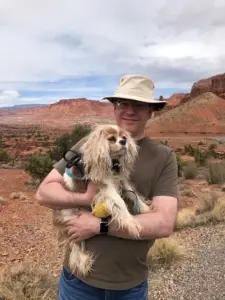
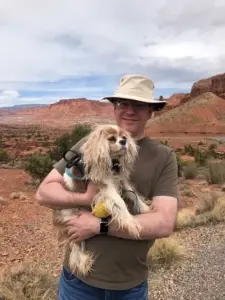
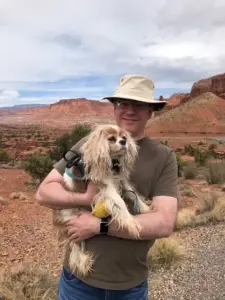
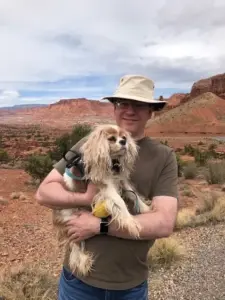
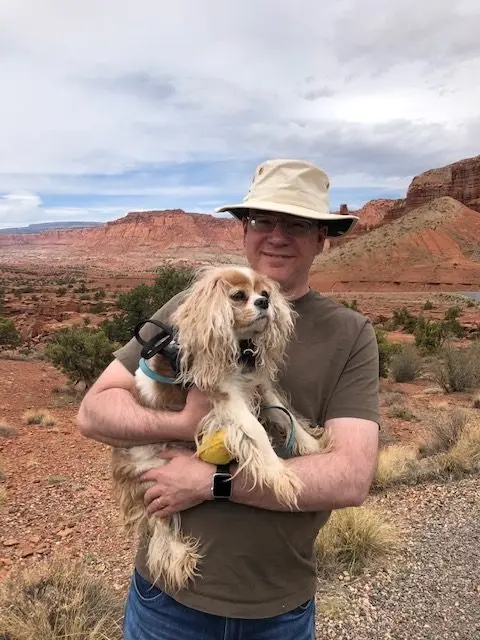
While classic routes like Route 66 formed the backbone of early itineraries, later trips saw explorers branching off the beaten path. Notably, a detour past Gallup, New Mexico, led the travelers directly into the heart of Moab, Utah. The stunning vistas of Capitol Reef National Park left an indelible mark on the expedition logs. It was during these exhaustive miles that the platform’s resident mascot, Chloe—a canine companion whose golden coat gradually took on the distinct, rust-tinted hue of "Capitol Reef Red"—became an emblem of endurance and adaptability on the American highway.
Phase Three: The Pandemic Stasis
By the time the final parental relocation was finalized and the households were fully established in Seattle, the global health crisis materialized. Lockdowns, shelter-in-place orders, and strict travel advisories brought leisure and pet travel to a screeching halt. The infrastructure built to support jet-setting dogs and road-tripping terriers was temporarily rendered obsolete. However, this period of forced inactivity served as a crucible for reflection, allowing the platform’s leadership to recalibrate its mission for an audience grounded indefinitely in their living rooms.
Supporting Context & Metrics: The Evolution of Pet Travel Regulations
With global mobility restricted, Dog Jaunt has utilized the downtime to perform a comprehensive overhaul of its foundational resources. Foremost among these are the platform’s highly regarded travel charts, which serve as definitive reference tools for pet owners navigating airline bureaucracies.
U.S. Airline Pet Policies: A Complex Matrix
Navigating domestic air travel with an animal companion has never been straightforward, and the post-pandemic landscape introduces new variables. The updated U.S. Airline Pet Policies chart reflects sweeping changes enacted by domestic carriers regarding:
- In-Cabin vs. Cargo Hold Allocations: Strict limits on the number of animals permitted in the cabin per flight.
- Carrier Specifications: Evolving dimensions and material requirements for soft- and hard-sided pet carriers.
- Documentation Standards: Updated requirements for health certificates, vaccination records, and behavioral attestation forms, particularly following Department of Transportation rulings on emotional support animals versus trained service animals.
International Airline Pet Policies
For those dreaming of international voyages, the International Airline Pet Policies for In-Cabin Travel chart has likewise been brought completely up to date. International transit presents an exponentially more complex regulatory environment:
- Destination-Specific Quarantine Laws: Varying mandates from rabies-free nations (such as the UK, Australia, and Japan) requiring rigorous antibody titer testing and microchip verification protocols.
- Carrier-Specific In-Cabin Restrictions: Discrepancies between transatlantic and intra-European carriers regarding weight limits for in-cabin pets, with many foreign flag carriers enforcing stricter mass thresholds than their U.S. counterparts.
These charts, while currently viewed wistfully from living room couches across the nation, represent an invaluable repository of preparedness. When restrictions eventually ease, Dog Jaunt Nation will possess the most accurate, up-to-date roadmap available for re-entering the skies.
Official Statements and Community Engagement
The reopening of communication channels has unleashed a wave of pent-up engagement from pet owners eager to reconnect. Community feedback forms the lifeblood of the platform’s revival.
Direct Channels and Digital Archives
Founder correspondence channels—ranging from direct email inquiries directed to specialized contact portals to active submissions on the primary blog infrastructure—have seen a surge in traffic. In an official statement regarding the platform’s restructuring, the editorial team emphasized the philosophical distinction between ephemeral social media spaces and permanent community archives:
"The thing I valued most about Dog Jaunt — and this is odd, coming from a textbook introvert — was the community we created together. Especially in this anxious time, it’ll be a great source of comfort to be back in touch with Dog Jaunt Nation. Remember that comments here on the blog are forever, while on Facebook they just scroll away."
This emphasis on permanence highlights a core journalistic and archival value: preserving the collective wisdom of seasoned pet travelers in a structured, searchable format rather than letting valuable anecdotal advice dissolve into the endless scroll of social media algorithms.
The Status of Chloe
Addressing widespread community concern regarding the platform’s four-legged ambassador, representatives confirmed that Chloe is in excellent health. Despite enduring years of rigorous cross-country road trips and seasonal relocations, she remains full of pep and bounce. Her signature coat color—affectionately dubbed "Capitol Reef Red" due to her extensive explorations through Utah’s striking landscape—stands as a testament to the rugged adventures shared by the community.
Future Outlook: Preparing for the Post-Restriction Era
As public health projections point toward a gradual resumption of normal mobility, the outlook for pet travel is cautiously optimistic. The lessons learned during the period of stasis will permanently alter how owners approach travel planning.
1. The Rise of Domestic Road Journeys
Even as airlines resume full operations, consumer behavior surveys indicate a sustained preference for domestic road trips. The flexibility of vehicular travel, combined with the proven resilience of pets on the open highway, points toward a continued boom in national park exploration and regional pet-friendly hospitality.
2. Heightened Regulatory Vigilance
Airlines and international border agencies are expected to maintain rigorous documentation standards for animal transit moving forward. Pet owners will need to adhere strictly to updated vaccination, microchipping, and health clearance protocols. Platforms like Dog Jaunt will play an indispensable role in translating these complex bureaucratic frameworks into digestible, actionable guides for everyday travelers.
3. The Strengthening of Niche Communities
The pandemic underscored the psychological necessity of human connection, even within specialized, niche communities. The reinvigoration of Dog Jaunt Nation proves that shared passions—such as navigating the world alongside a beloved animal companion—provide a vital anchor during periods of profound societal disruption.
Conclusion
The temporary silence from Dog Jaunt has broken, revealing a community that has weathered monumental personal relocations and a global health crisis with unwavering spirit. Armed with meticulously updated airline policy charts, a renewed commitment to archival permanence, and a dedicated network of seasoned pet owners, the platform stands fully prepared for the future. Whether travelers are currently gazing wistfully at flight paths from their living rooms or planning their next great American road trip, "Dog Jaunt Nation" remains a testament to the enduring bond between humans, their animal companions, and the open road.