
Executive Overview
In the high-stakes world of animal rescue, the margins for error when dealing with neonatal animals are virtually nonexistent. When extreme weather events collide with fragile, unsocialized wildlife populations, the fallout is absorbed by local, often under-resourced rescue groups. This was the exact reality faced by Karlee’s Angels, a dedicated animal rescue organization based in San Jacinto, California, following a severe overnight storm brought on by Hurricane Rachel.
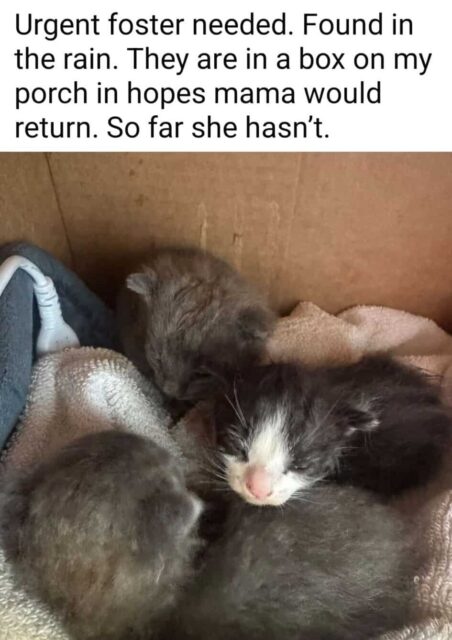
Over the course of a single night, the storm dumped more than an inch and a half of rain across the region, dropping temperatures and transforming a routine wild habitat into a freezing hazard for any exposed fauna. Amidst the deluge, three two-week-old kittens—subsequently dubbed Hurri, Cane, and Rachel—were discovered completely soaked, shivering, and entirely alone. Their feral mother was nowhere to be found, leaving the fragile litter facing near-certain mortality from hypothermia and secondary respiratory complications.
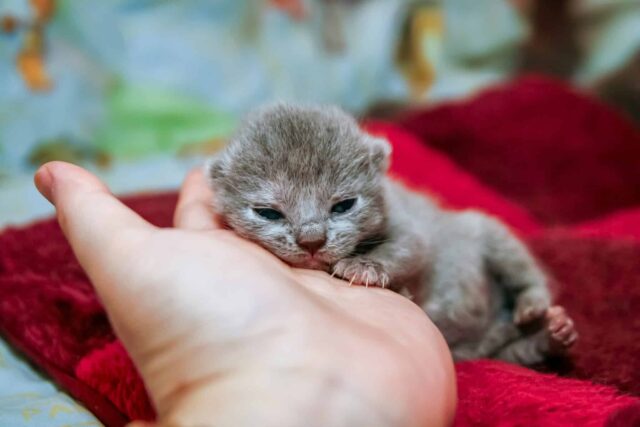
At just fourteen days old, neonatal kittens are entirely incapable of regulating their own body temperature, let alone processing the physical trauma of severe environmental exposure. The arrival of Hurri, Cane, and Rachel at Karlee’s Angels initiated a high-intensity, multi-day medical emergency. It was a race against time requiring intensive care units, specialized antibiotic regimens, and round-the-clock manual feedings.
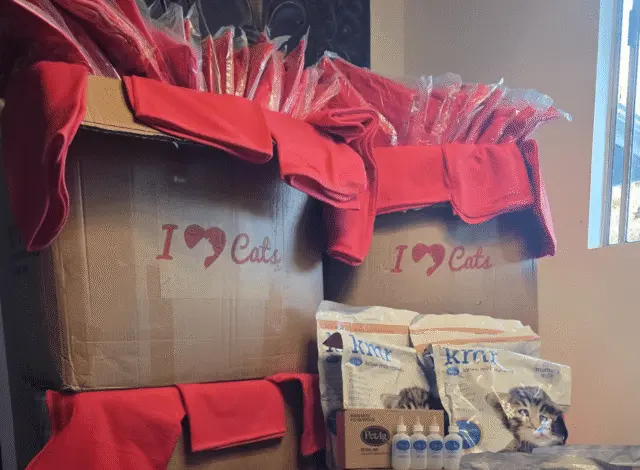
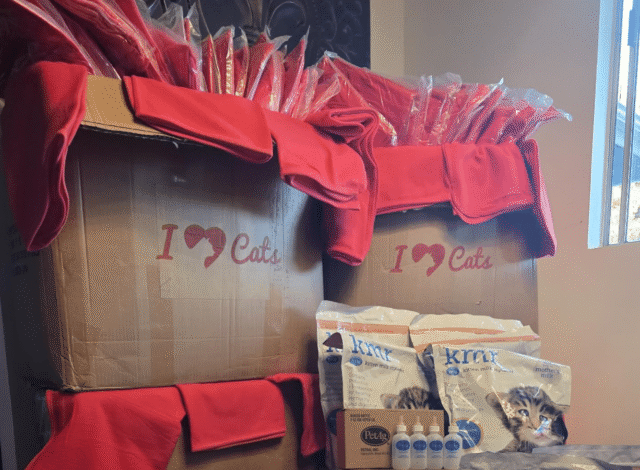
Crucially, the success of this high-risk intervention was heavily bolstered by structural support systems. Thanks to the generosity of iHeartCats supporters and Hero VIP Club members, Karlee’s Angels had immediate access to essential neonatal supplies through the Purrfect Start Program. This vital lifeline allowed frontline caregivers to bypass resource scarcity and focus entirely on what mattered most: keeping three tiny, fading lives tethered to this world.
Detailed Chronology of a Survival Battle
Phase 1: The Storm and the Rescue
The crisis began in the dead of night as Hurricane Rachel swept through Southern California. For adult animals, sudden downpours present temporary inconveniences; for two-week-old kittens whose eyes have barely opened and whose ears are still folded, a severe storm is an existential threat.
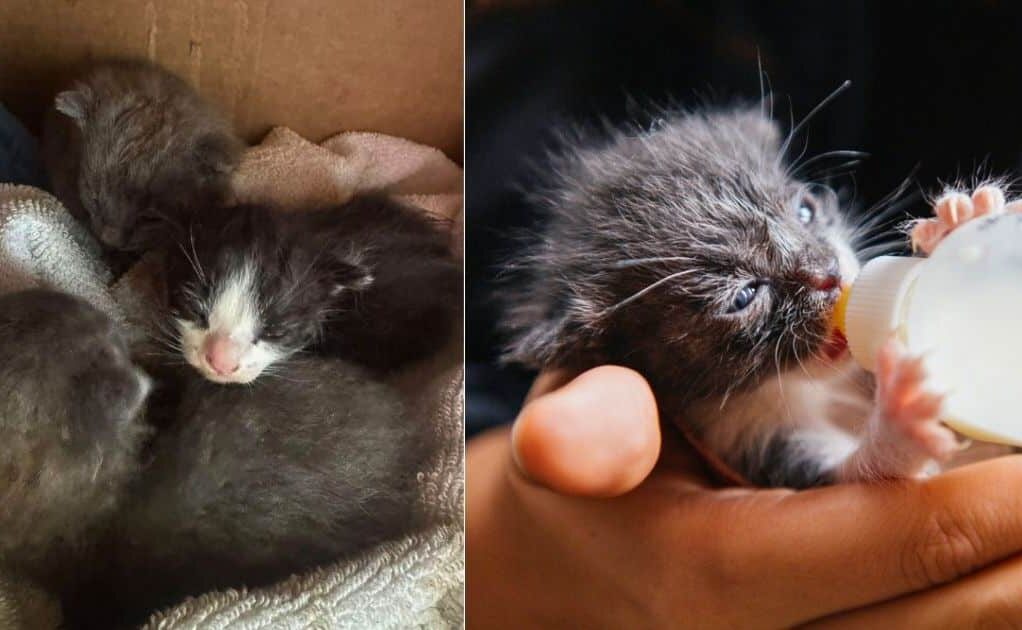
When Good Samaritans located the trio, the outlook was grim. Hurri, Cane, and Rachel were waterlogged, limp, and ice-cold to the touch. Veterinary professionals note that when a neonatal kitten’s body temperature drops significantly, their internal organs begin to shut down, and the digestive tract ceases to function—rendering feeding impossible until core temperatures are safely restored. Furthermore, rescuers quickly identified a secondary, life-threatening danger: the distinct possibility that the kittens had aspirated rainwater into their underdeveloped lungs, placing them at immediate risk for aspiration pneumonia.
Phase 2: Stabilization and the Critical Downward Trend
Upon intake at Karlee’s Angels in San Jacinto, the operational protocol shifted immediately to stabilization.
- Thermal Regulation: The kittens were placed inside a meticulously monitored, heated enclosure designed to gradually bring their core body temperatures back to normal without shocking their systems.
- Pharmacological Intervention: Recognizing the high probability of respiratory infection due to water inhalation, the veterinary and care team initiated a strict course of broad-spectrum pediatric antibiotics.
Despite these aggressive measures, the danger was far from over. Over the subsequent 72 hours, the kittens entered a perilous phase characterized by alarming weight loss. Each of the three siblings shed between 25 and 50 grams of body weight—a catastrophic loss for animals weighing only a few ounces.
Compounding the weight loss was a severe feeding aversion. Despite the caregivers’ tireless attempts to administer specialized feline milk replacer, the kittens were too weak to nurse, managing only microscopic droplets of formula at a time. The physical toll on the human caregivers was immense, requiring continuous, sleepless shifts involving heating pad rotations, gentle belly massaging to stimulate elimination, and persistent, patient attempts to coax them back to the bottle.
Phase 3: The 3 A.M. Breakthrough
In neonatal rescue, hope often arrives in the quietest, most exhausted hours of the night. On what felt like an endless cycle of failed feedings, the turning point finally materialized at approximately 3:00 A.M.
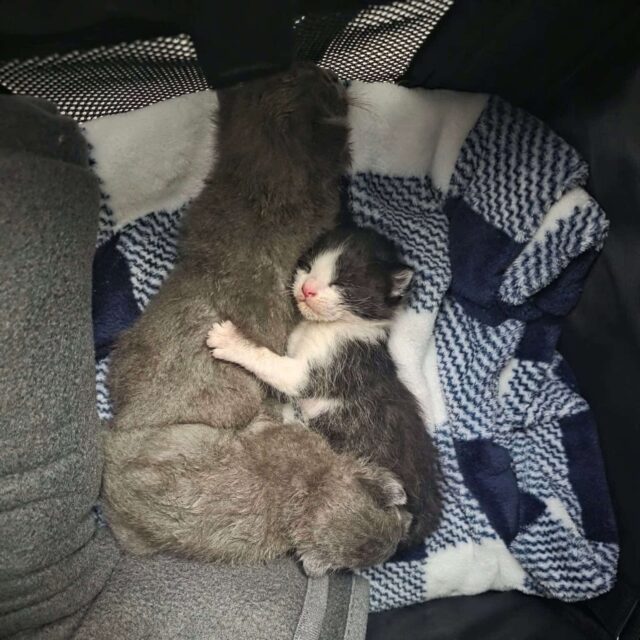
Without warning, all three kittens displayed a sudden, synchronized surge of survival instinct. Snapping out of their lethargy, Hurri, Cane, and Rachel eagerly latched onto their nursing bottles. While they were still only consuming roughly half of their optimal nutritional volume, the psychological and physiological impact of the breakthrough was seismic.
The antibiotics had successfully held off the looming threat of pneumonia, and the combination of warmth, hydration, and medical management had cleared the physiological blockade in their systems. The tiny fighters were finally becoming active, shifting from passive patients to energetic participants in their own recovery. While a long road of ongoing monitoring, scheduled feedings, and developmental milestones lay ahead, the 3 a.m. breakthrough marked the first definitive moment where survival transitioned from a distant prayer to a tangible reality.
Supporting Context & Metrics: The Anatomy of Neonatal Care
To truly understand the magnitude of the victory achieved by Karlee’s Angels, one must examine the baseline metrics and operational realities associated with raising orphaned neonatal kittens.
| Metric / Requirement | Neonatal Care Specification (0–3 Weeks) | Hurri, Cane, and Rachel’s Status |
|---|---|---|
| Feeding Frequency | Every 2 to 3 hours, 24/7 | High-demand schedule complicated by extreme weakness and post-exposure lethargy. |
| Environmental Temp | 85°F–90°F (controlled ambient warmth) | Required emergency incubator setup post-rescue due to severe hypothermia. |
| Weight Tracking | Daily gains of 6 to 10 grams expected | Experienced a catastrophic loss of 25 to 50 grams initially before stabilizing. |
| Medical Risks | Hypothermia, hypoglycemia, aspiration pneumonia, fading kitten syndrome | Diagnosed with severe exposure and treated preventatively for aspiration complications. |
Raising neonates is widely considered one of the most resource-intensive disciplines in animal welfare. Unlike adult cats or even weaned kittens aged eight weeks and older, newborns cannot eliminate waste independently, cannot generate their own body heat, and possess immune systems that are virtually non-existent.
When a rescue organization takes in un-weaned orphans, they are committing to an intensive care protocol that mirrors human neonatal intensive care units (NICUs). The financial and logistical drain on small-scale, community-based operations like Karlee’s Angels can easily derail their broader mission. The cost of specialized feline milk replacer, high-grade heating discs, incubators, micro-syringes, and targeted pediatric pharmaceuticals accumulates rapidly.
This financial vulnerability highlights why programmatic supply pipelines—such as the iHeartCats Purrfect Start Program—are not merely helpful adjuncts, but essential pillars of modern animal rescue infrastructure.
Official Statements and Organizational Perspectives
The convergence of crisis, community response, and institutional backing underscores a broader philosophy within the animal rescue community: that saving the most vulnerable lives requires a unified ecosystem of compassion.
Representatives from Karlee’s Angels emphasized the sheer volatility of the situation when Hurri, Cane, and Rachel arrived at their facility. “When babies arrive in that condition—ice cold, waterlogged, and struggling to draw a clean breath—every second dictates whether they live or die,” organization leads noted. “You don’t have time to worry about whether you have enough formula on hand or if your supply budget can absorb another round of specialized antibiotics. You just have to act.”
This sentiment is precisely what the Purrfect Start Program was engineered to address. By bridging the gap between national pet-lover networks and grassroots rescue groups, the program removes structural hurdles that often compromise emergency response times.
According to program coordinators at iHeartCats, the mission is to empower frontline rescuers by absorbing the material burdens of neonatal care. Through the continuous contributions of Hero VIP Club members and conscious shoppers, the initiative ensures that when a severe storm hits, or an abandoned litter is discovered on a doorstep, local sanctuaries are fully stocked, financially buffered, and structurally prepared to execute miracles at a moment’s notice.
Future Outlook and the Path Forward
While Hurri, Cane, and Rachel have conquered the immediate hurdle of weather-induced trauma and successfully cleared their critical feeding milestone, their journey through the developmental pipeline is far from complete.
In the weeks following their 3 a.m. breakthrough, the trio will transition through several critical growth stages:
- Weaning and Solid Food Introduction: Moving gradually from specialized milk replacer to nutrient-dense kitten mash as their digestive systems mature.
- Socialization and Behavioral Development: Learning normal feline behaviors through interaction with littermates and human handlers, ensuring they develop confidence and adaptability.
- Vaccination and Alteration: Undergoing standard pediatric veterinary workups, including core vaccinations, parasite treatments, and eventual spay/neuter surgeries.
- Adoption Placement: Graduating into the general adoption pool once they reach optimal weight and maturity, ready to find permanent, loving homes.
The survival of Hurri, Cane, and Rachel serves as both a testament to the resilience of feline life and a powerful reminder of the human infrastructure required to sustain it. Neonatal rescue is a war of attrition fought one millilitre of formula and one degree of warmth at a time.
As climate patterns become increasingly erratic—bringing sudden, violent storms that threaten unsheltered wildlife—the demand on rescue groups will only escalate. Ensuring that organizations like Karlee’s Angels remain equipped to answer the call requires sustained, collective participation from the animal-loving community.
How You Can Impact Future Rescue Stories
The success of operations like Purrfect Start relies entirely on ongoing public engagement. Animal lovers looking to fortify the front lines of rescue work can participate in several impactful ways:
- Join the iHeartCats Hero VIP Club: Ongoing monthly support provides participating rescues with reliable, predictable access to the life-saving supplies they need before emergencies strike.
- Shop with Purpose: Purchasing designated products through iHeartCats directly funds the distribution of essential items—such as milk replacer, feeding syringes, and thermal blankets—to neonatal intensive care units across the country.
- Support Local Sanctuaries: Direct contributions to grassroots organizations like Karlee’s Angels help offset high-cost veterinary bills, specialized pharmaceuticals, and round-the-clock staffing needs.
Stories like those of Hurri, Cane, and Rachel remind us that even the most fragile lives possess an indomitable will to survive. With the right resources, the right expertise, and a community of dedicated advocates standing behind them, these tiny fighters are proof that miracles are possible when compassionate people answer the call.