
Executive Overview
When the public pictures a service dog at work, the mind invariably leaps to the cinematic, high-stakes moments: a medical alert canine detecting a perilous shift in blood chemistry before any electronic monitor can register it; a steadfast guide dog leading a visually impaired handler through the labyrinthine chaos of a bustling urban intersection; or a veteran’s assistance animal deftly interrupting an escalating panic attack before it spirals into a debilitating crisis. These technical feats are nothing short of extraordinary.
However, beneath the surface of every specialized task lies an even more critical, yet frequently underappreciated, cornerstone of canine competence: calmness.
Without emotional stability and environmental composure, even the most intelligent and technically proficient service dog will struggle to operate safely, consistently, and effectively in the unpredictable theater of the real world. While advanced task training and rigorous obedience drills form the framework of an assistance dog’s education, it is the underlying state of calm that empowers these animals to execute their duties reliably. A calm dog possesses the cognitive bandwidth to think clearly in hyper-stimulating spaces, filter out persistent distractions, and remain tethered to the handler who depends on them. In essence, calmness is the master skill that unlocks every other capability a service dog can possess.
Detailed Chronology: From Puppyhood Foundations to Public Access Mastery
The cultivation of a calm, reliable service dog is not a sudden transformation; it is a meticulously structured developmental continuum that spans from the whelps in the nursery to fully certified working partnerships. Organizations like Dogs Inc have long championed a chronological approach to emotional regulation, recognizing that resilience must be built brick by brick.
Phase 1: Neonatal and Early Puppyhood (Weeks 0–8)
Long before formal task training begins, the journey toward a calm working temperament starts in puppyhood. During the earliest weeks of life, future service dogs are introduced to structured routines, gentle tactile stimulation, and novel sensory experiences. Breeders and early puppy development coordinators use early neurological stimulation (ENS) protocols to help puppies develop cardiovascular resilience and stress tolerance. The goal during this window is to teach the infant brain that unfamiliar sensations are safe rather than threatening.
Phase 2: The Puppy Raising and Socialization Window (Months 2–12)
As puppies transition to volunteer puppy raisers, the focus shifts to foundational emotional regulation. This critical socialization period involves safe, positive exposures to diverse environments, strange surfaces, unusual sounds, and varied crowds.
- Reinforcing "Four on the Floor": Puppies learn that calm behavior yields rewards, while frantic, impulsive jumping leads to withdrawal of attention.
- Inhibitory Control: Through structured games and clicker training, young dogs learn impulse control—the vital ability to pause, assess a stimulus, and choose a measured response rather than an explosive reaction.
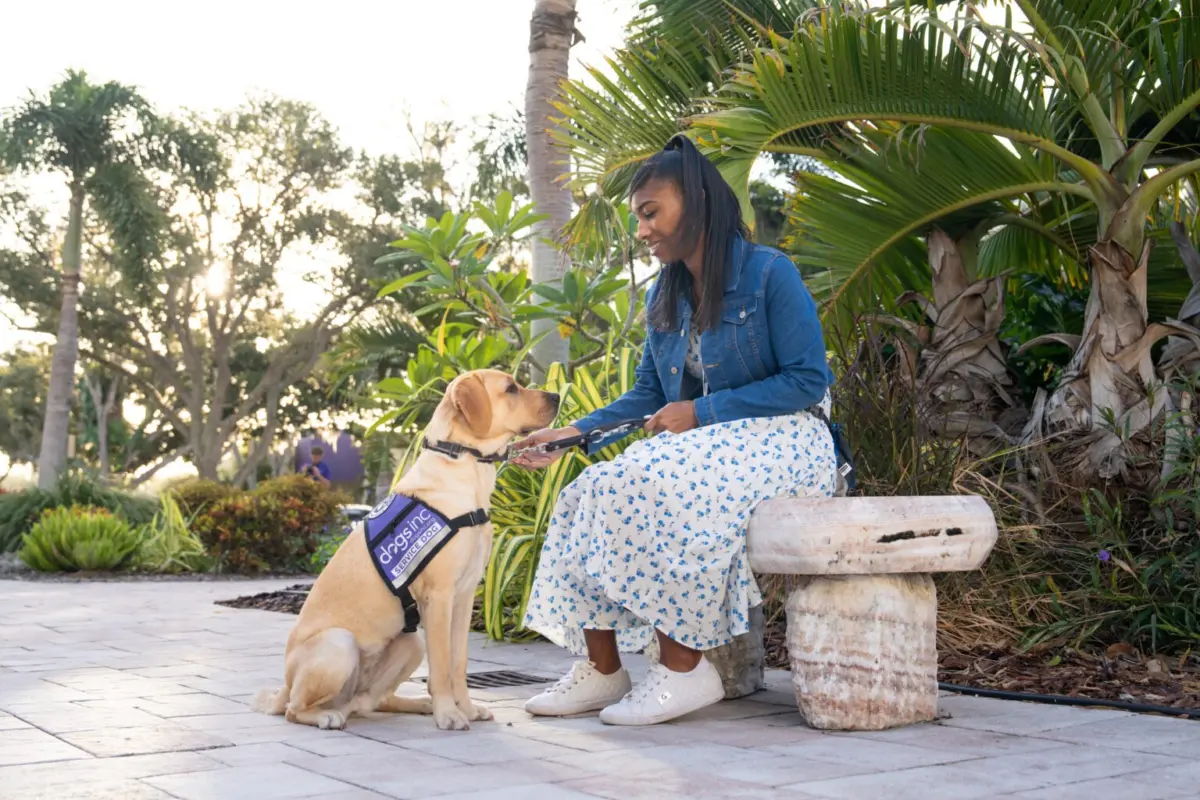
- Everyday Public Exposure: Quietly walking beside a shopping cart, sitting calmly outside a café, or pausing in a busy lobby for short intervals helps shape a resilient mindset.
Phase 3: Advanced Professional Training and Distraction Proofing (Months 12–24)
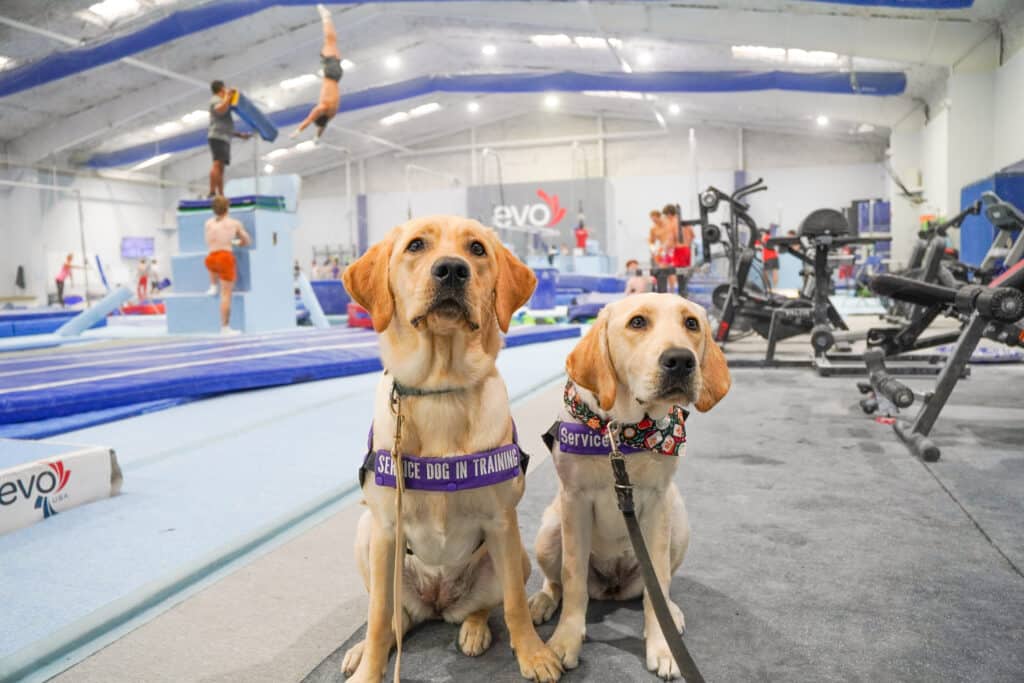
Once dogs enter formal professional training facilities, the curriculum intensifies. Trainers systematically elevate environmental difficulty. Dogs are exposed to high-traffic environments, dense crowds, heavy machinery noise, erratic movements, and potent olfactory temptations like dropped food in restaurants.
- Controlled Desensitization: Exposure is carefully calibrated so the dog builds confidence without hitting a threshold of toxic overstimulation.
- Task Integration: Once a baseline of emotional neutrality is established, specific operational tasks—such as deep pressure therapy (DPT), guide work, or medical retrieval—are layered onto the calm foundation.
Phase 4: Public Access Testing and Handler Transition
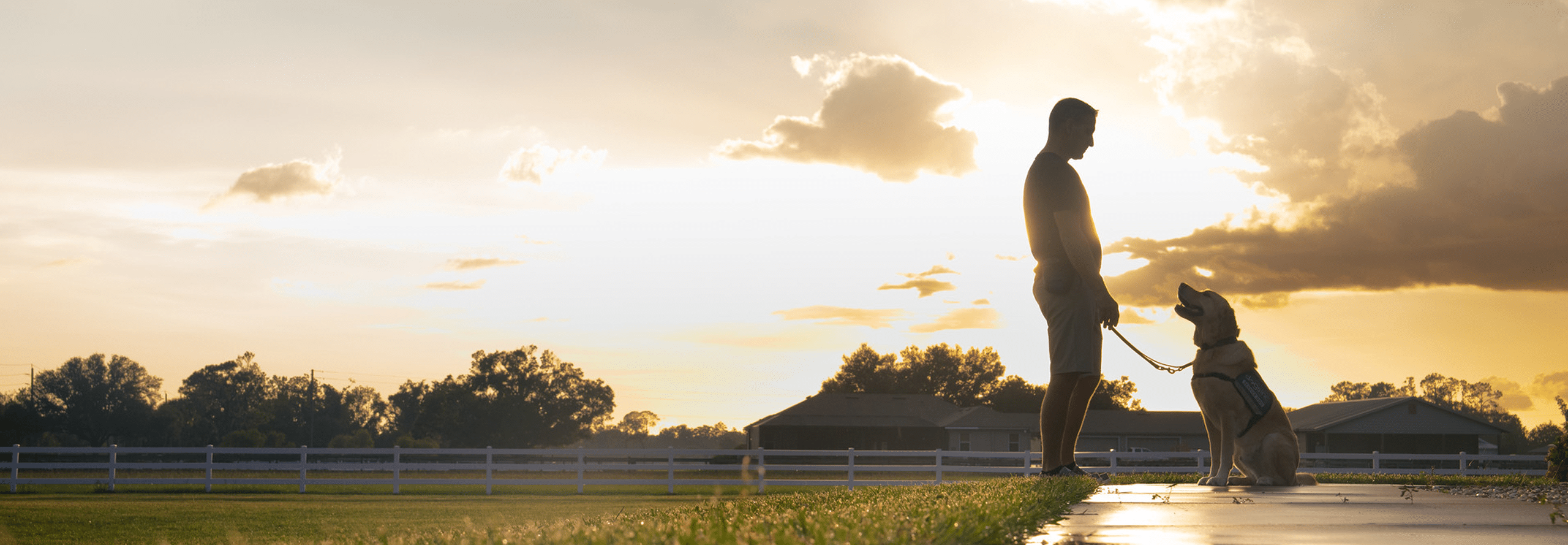
The culmination of this chronological process is the public access test and subsequent placement with a handler. A dog that has successfully graduated from this continuum does not merely obey commands; it navigates the world with a steady, unflappable demeanor that buffers its handler against the overwhelming nature of public life.
Supporting Context & Metrics: Defining "Calm" in the Working Canine
To understand why calmness is prioritized above raw energy or drive, one must first deconstruct what the term actually signifies within professional assistance dog training.
Emotional Regulation vs. Suppression
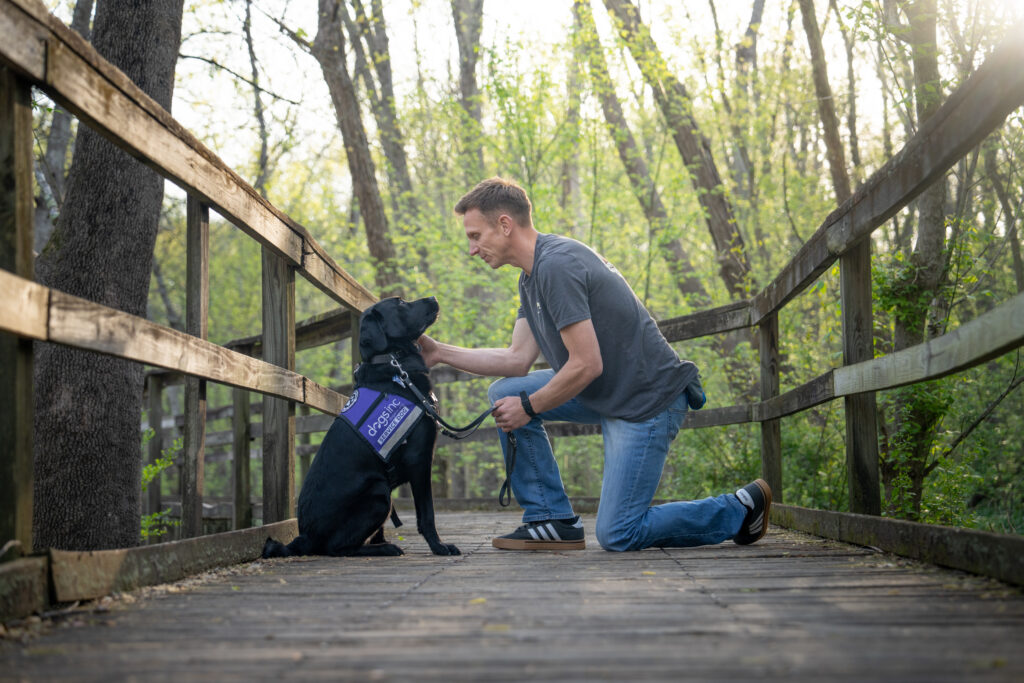
In professional training vernacular, "calm" does not mean a dog is sedate, timid, or stripped of its natural personality. Many elite service dogs are playful, affectionate, and high-spirited when off duty. The distinction lies in situational appropriateness—the ability to modulate energy levels based on the demands of the environment. A calm working dog is:
- Emotionally Stable: Capable of moving through unfamiliar surroundings without exhibiting chronic anxiety or hyper-vigilance.
- Resilient: Demonstrating a rapid physiological and behavioral recovery rate when startled by an unexpected event, such as a backfiring vehicle or a dropped tray.
- Regulated, Not Shut Down: A shut-down dog is paralyzed by fear and unable to think; a regulated dog is mentally present, confident, and consciously choosing to maintain composure.
The Cognitive Cost of Overstimulation
Neurobiological research into canine learning underscores the direct relationship between emotional arousal and cognitive capacity. When a dog becomes overstimulated or fearful, stress hormones—specifically cortisol and adrenaline—flood the system. This biochemical cascade compromises the prefrontal cortex, impairing the dog’s ability to process cues, generalize training, solve problems, or make thoughtful decisions.
By enforcing rigorous emotional regulation and distraction training, trainers keep dogs operating within their optimal arousal zone. A calm dog can ignore a dropped piece of chicken on a grocery store floor, walk past an barking reactive pet dog without breaking stride, and remain intensely focused on a handler experiencing a medical emergency.

| Training Metric | High-Arousal / Reactive Dog | Calm / Regulated Service Dog |
|---|---|---|
| Cortisol Recovery Rate | Slow; prolonged stress response | Rapid; quick return to baseline |
| Distraction Threshold | Low; easily diverted by movement, food, or noise | High; capable of task execution amid heavy stimuli |
| Public Neutrality | Poor; seeks out or reacts to strangers/animals | High; acknowledges environment without emotional engagement |
| Handler Reliance | Variable; prone to making impulsive safety errors | Absolute; maintains steady partnership and focus |
Official Statements and Industry Insights
Industry leaders and specialized training organizations emphasize that the success of an assistance team rests entirely on the behavioral neutrality and emotional fortitude of the canine partner.
Industry experts at organizations like Dogs Inc routinely note that temperament is the single most important criteria in candidate selection. “The goal of our evaluation process is not to find a dog that never makes a mistake, but rather to identify animals endowed with innate resilience, adaptability, and emotional stability,” notes an internal training advisory. “A dog can be taught to open doors or retrieve dropped keys, but you cannot artificially manufacture a calm, steadfast nervous system if the genetic foundation is missing.”
Furthermore, public health and accessibility advocates stress that calm service dogs are essential for maintaining public trust. Because service dogs are granted legal access to spaces where pets are prohibited—such as hospitals, restaurants, and aircraft cabins—their exemplary behavior is mandatory. A calm, neutral service dog blends seamlessly into the background, validating the legal rights of handlers while ensuring public safety and sanitation standards are impeccably maintained.
Future Outlook: The Evolution of Calmness in Assistance Work
As the landscape of assistance work expands to encompass a broader array of disabilities—including Post-Traumatic Stress Disorder (PTSD), Type 1 Diabetes, severe mobility impairments, and neurological conditions—the demand for highly specialized, emotionally bulletproof dogs is soaring.
Innovations in Temperament Testing
Looking forward, breeding cooperatives and training institutions are increasingly adopting advanced behavioral metrics and early biomarker screening to predict adult emotional stability. By analyzing puppy responses to novel object tests and stress-recovery challenges at younger ages, trainers can more accurately forecast which candidates possess the deep-seated calmness required for complex working environments.
The Rise of Trauma-Informed Handler Education
Future training paradigms are also placing greater emphasis on the dyadic relationship between handler and dog. Because dogs are deeply sensitive to human emotional states, a handler’s anxiety can inadvertently influence a canine’s stress levels. Emerging training programs incorporate mindfulness and emotional synchronicity techniques, teaching handlers how to project calm energy that reinforces their dog’s stability in high-pressure public venues.
Expanding Access Through Quality Over Quantity
As the service dog industry matures, the collective philosophy continues to pivot away from sheer output toward uncompromising quality of temperament. The recognition that "calm is a skill" ensures that training methodologies will continue to prioritize emotional resilience, impulse control, and neuro-protection. For individuals living with disabilities, this evolution promises a future where independence is supported not just by technical utility, but by an unwavering, peaceful canine partnership capable of weathering any storm.