
Long before a puppy takes its first clumsy steps, learns to walk in step on a leash, or assumes the immense responsibility of guiding an individual through a complex world, a sophisticated orchestration of biology and behavior is already underway. Behind the scenes of elite breeding and training facilities like Dogs Inc, the journey toward creating a life-changing service or guide dog begins at birth—and sometimes, even earlier.
In the quiet, dim hours of the neonatal nursery, a series of science-backed methodologies are deployed to shape the neurological architecture of newborn puppies. Among the most crucial of these early interventions is Early Neurological Stimulation (ENS). While it is only one small piece of a much larger, highly intricate developmental puzzle, ENS represents a paradigm shift in how organizations prepare dogs for high-stakes working roles. It proves that the foundation of a resilient, adaptable, and emotionally stable service dog is laid weeks before the puppy’s eyes or ears ever open to the world.
Executive Overview
The development of a premier service dog is a masterclass in behavioral science, veterinary medicine, and structured socialization. Organizations tasked with producing guide and service dogs operate under the understanding that a dog’s genetic predisposition is only as good as the environment that cultivates it.
At the center of this early intervention philosophy is Early Neurological Stimulation (ENS), a protocol originally developed for military canine programs and later adopted by elite guide dog institutions. ENS involves exposing neonates—puppies between birth and roughly two weeks of age—to a series of mild, specific physical stressors designed to stimulate the neurological system. Far from being a form of training, ENS is a biological wake-up call. It accelerates cardiovascular performance, strengthens the heart and adrenal glands, enhances stress tolerance, and bolsters the immune system.
However, ENS is merely the opening chapter. True service dog development requires a multi-layered continuum that transitions seamlessly from neonatal stimulation through transitional milestones, critical socialization windows, adolescent boundaries, and formal advanced training.

This comprehensive report examines the precise mechanics of ENS, the critical biological windows of canine development, the operational philosophies of organizations like Dogs Inc, and the lifelong journey required to transform a newborn pup into an indispensable partner for individuals with visual impairments or other disabilities.
Detailed Chronology: From Neonatal Roots to Adolescent Maturity
A puppy’s path from a helpless newborn to a confident working partner unfolds across distinct developmental stages. Each phase presents unique neurological milestones, behavioral shifts, and training opportunities that require precise human management.
1. The Neonatal Stage (Birth to 2 Weeks)
During the neonatal stage, puppies exist in a sensory-limited world. Blind, deaf, and unable to independently regulate their body temperature, they are entirely dependent on their mother and littermates for survival. They spend the vast majority of their time nursing and sleeping.
Despite their apparent vulnerability, this is a period of hyper-rapid brain and nervous system development. It is precisely because the neonatal brain is so malleable that interventions like ENS are deployed. The nervous system is actively wiring itself, and introducing controlled, mild sensory inputs during this window helps optimize neural pathways. ENS exercises are strictly regulated here, lasting only a few seconds per puppy, ensuring that stress levels remain low while neurological benefits are maximized.
2. The Transitional Stage (2 to 4 Weeks)
As puppies cross the threshold into the transitional stage, their world dramatically expands. Around two weeks of age, their eyes and ears begin to open, flooding their developing brains with new sights and sounds. By four weeks old, puppies are actively exploring their whelping area, attempting to walk on unsteady legs, wagging their tails, and experimenting with their first barks.

Simultaneously, their primary teeth begin to erupt, marking the biological shift from exclusive nursing to weaning onto soft foods. This period introduces the first foundational lessons in social dynamics, as puppies begin interacting playfully with their littermates and learning critical lessons in bite inhibition under the watchful eye of the mother.
3. The Socialization Period (3 to 12 Weeks)
Widely recognized by animal behaviorists as the most critical window in a dog’s life, the socialization period dictates how a dog will perceive and interact with the world as an adult.
- Weeks 3 to 8: Puppies rapidly develop their capacity for learning. They form positive associations with novel sounds, diverse human handlers, varied tactile surfaces, and everyday household stimuli. Interactions with littermates continue to refine their emotional regulation and canine social etiquette.
- Weeks 8 to 12: By eight weeks of age, many puppies transition from their birth facility to specialized puppy raisers. This phase demands active exposure to a wide array of environments. By the time a puppy reaches 12 weeks old, systematic exposure to different people, unfamiliar settings, and novel objects is vital to building lifelong confidence, preventing phobias, and heading off anxiety- or aggression-based behaviors.
Importantly, canine development experts note that puppies navigate an average of four distinct "fear periods" during their growth cycle, often beginning around 8 to 10 weeks and recurring during adolescence. During these sensitive windows, frightening experiences can leave a permanent psychological imprint, underscoring the necessity of positive reinforcement and gentle guidance.
4. The Adolescent Stage (6 Months to 12+ Months)
Adolescence in dogs can begin as early as six months of age, mirroring the hormonal and behavioral turbulence of human teenagers. During this stage, young dogs frequently test boundaries, question established cues, and experience the physiological surges of reproductive maturity. For female dogs, this includes navigating their first heat cycles, while males experience hormone-driven shifts in focus and territorial awareness.
This is a make-or-break phase for future service dogs. The early foundations of ENS, socialization, and positive reinforcement training are put to the test. Structured routines, such as crate training to encourage independence, alongside regular exposure to other animals, species, and complex environments, ensure that the adolescent dog remains grounded and focused on its ultimate trajectory.

Supporting Context & Metrics: The Science of ENS and Development
To appreciate why organizations like Dogs Inc invest heavily in early protocols, one must examine the empirical framework supporting Early Neurological Stimulation and environmental enrichment.
How ENS Works: The Protocols
ENS exercises are precise, brief, and deliberately structured. They are designed to stimulate the neurological system without causing psychological trauma or physical harm. Common components of an ENS session include:
- Tactile Stimulation: Holding the puppy in one hand and gently stimulating the paw pads using a cotton swab or finger to introduce mild tactile sensations.
- Head Up Position: Holding the puppy perpendicular to the ground, with its head pointed straight up, to stimulate the vestibular system and change spatial orientation.
- Head Down Position: Gently holding the puppy so its head is pointed downward toward the ground, challenging the inner ear and circulatory feedback loops.
- Supine Position: Resting the puppy on its back in the palm of the hand, encouraging calmness and physical vulnerability in a secure environment.
- Thermal Stimulation: Placing the puppy on a cool, damp towel for a brief moment to elicit a mild thermal response.
Each individual exercise lasts between three and five seconds. The cumulative physiological impact of these five exercises has been shown to yield significant biological improvements.
Documented Physiological Benefits
Research and longitudinal data collected by working dog breeding programs indicate that dogs subjected to proper ENS protocols exhibit several distinct advantages over non-stimulated peers:
- Improved Cardiovascular Performance: Enhanced heart rate efficiency and stronger cardiac reserves.
- Stronger Glandular Health: Optimized adrenal gland output, leading to better stress hormone regulation.
- Enhanced Tolerance to Stress: A higher baseline threshold for novel or startling stimuli, allowing the dog to recover composure rapidly in high-pressure environments.
- Greater Disease Resistance: Improved immune system functioning, leading to healthier development during the vulnerable neonatal and juvenile periods.
Distinguishing ENS from Socialization
A common point of confusion among breeders, puppy raisers, and pet owners is conflating Early Neurological Stimulation with standard socialization.

| Metric / Feature | Early Neurological Stimulation (ENS) | Socialization |
|---|---|---|
| Timing | Neonatal stage (Birth to 2 weeks of age) | Critical window (3 to 12 weeks of age and beyond) |
| Primary Focus | Physiological and neurological hardwiring (cardiovascular, adrenal, stress tolerance) | Environmental adaptation, social learning, interspecies communication, and confidence building |
| Methodology | Highly specific, brief, physical handling protocols (seconds per day) | Interactive exposures, novel sights, sounds, surfaces, people, and places |
| Executors | Specially trained handlers, breeders, or veterinary staff | Puppy raisers, trainers, and the broader community |
As the table illustrates, ENS and socialization operate in entirely different temporal spaces and serve complementary, non-interchangeable functions. ENS prepares the hardware (the nervous system and biological stress-response mechanisms), while socialization software-loads the brain with real-world experiences, resilience, and adaptability.
Official Perspectives: The Institutional Philosophy of Dogs Inc
The deployment of these rigorous early intervention protocols is driven by the exacting standards required of modern service and guide dogs. Organizations that breed and train these elite animals view every stage of development through a lens of professional responsibility and long-term efficacy.
Organizations like Dogs Inc emphasize that producing a successful service dog is not left to chance. It requires an intentional, multi-year investment starting from day one. In official statements regarding puppy rearing, canine development experts consistently underscore that the primary goal is not to manufacture a "perfect" or robotic animal, but rather to foster emotional maturity, resilience, and lifelong learning capabilities.
"A guide dog or service dog must possess a very specific psychological makeup," explains a senior canine development specialist. "They need to navigate bustling airports, dense urban sidewalks, unpredictable public spaces, and sudden environmental changes—all while remaining completely focused on their handler. Those elite working qualities cannot be bolted onto an adult dog as an afterthought. They must be carefully cultivated from the moment a puppy draws its first breath, starting with the biological building blocks provided by early neurological care."
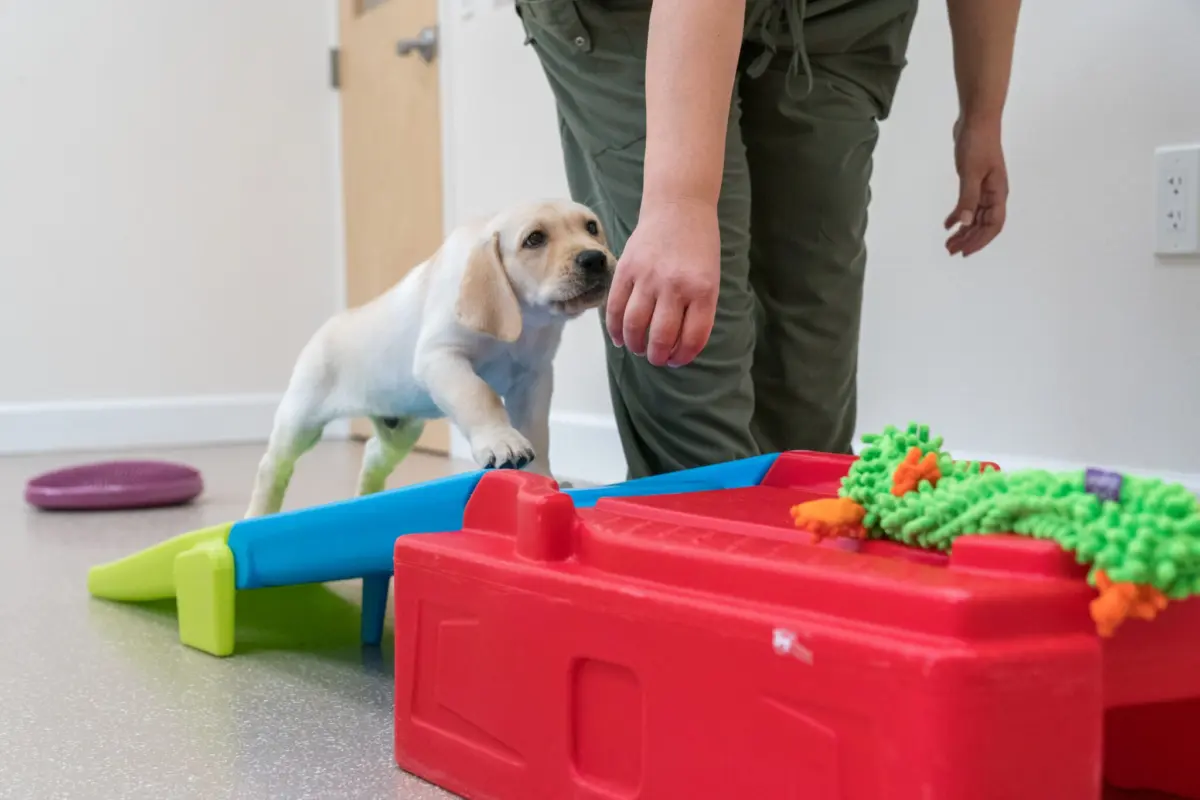
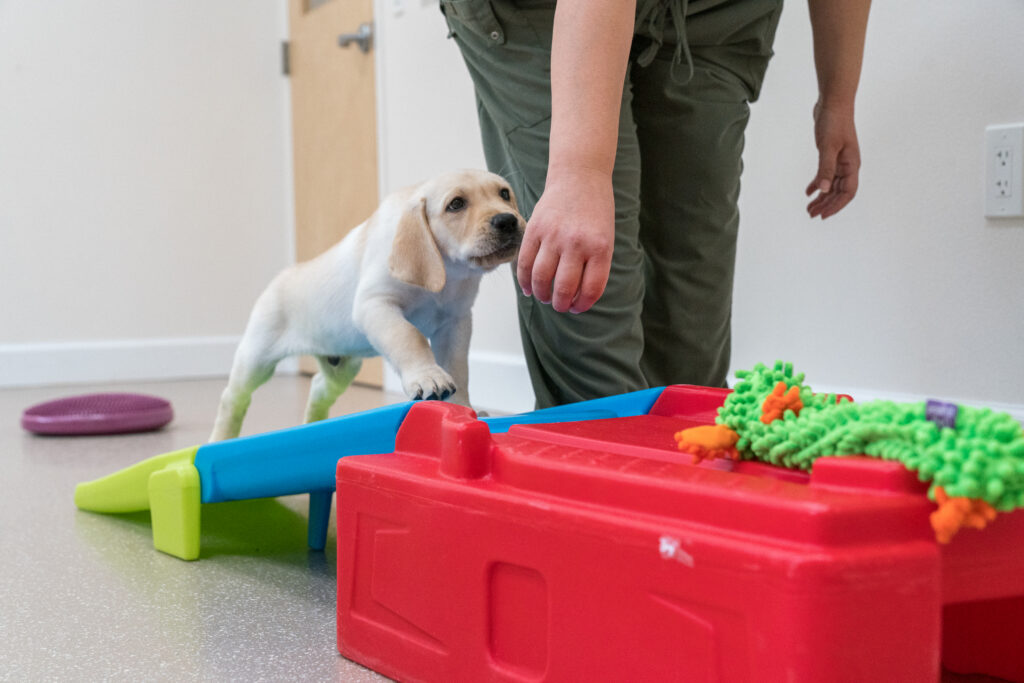
Furthermore, institutions like Dogs Inc stress that breeding and early intervention are only the first links in a long chain of custody. The success of a service dog relies heavily on the dedication of volunteer puppy raisers who take the animals into their homes at eight weeks old, continuing the mission of socialization, boundary-setting, and positive reinforcement until the dog is old enough to enter formal, advanced harness training.
Future Outlook: The Evolution of Canine Breeding and Training
As veterinary behavioral science continues to advance, the landscape of service dog breeding and early development is poised for further innovation. The integration of genetic profiling, epigenetic research, and advanced neonatal tracking promises to refine protocols like ENS even further, tailoring early interventions to the specific genetic profiles of individual litters.
However, the core philosophy remains anchored in timeless principles: respect for biological windows, an unwavering commitment to positive reinforcement, and a deep understanding of the emotional and psychological needs of the dog.
The future of service dog excellence lies in recognizing that every milestone—from a three-second tactile exercise in a neonatal whelping box to an adolescent dog navigating its first complex public access test—is interconnected. By investing care, science, and rigorous structure into the earliest days of a puppy’s life, organizations ensure that tomorrow’s guide dogs are fully equipped to transform the lives of individuals with disabilities, offering not just physical assistance, but a profound sense of independence, safety, and unwavering companionship.