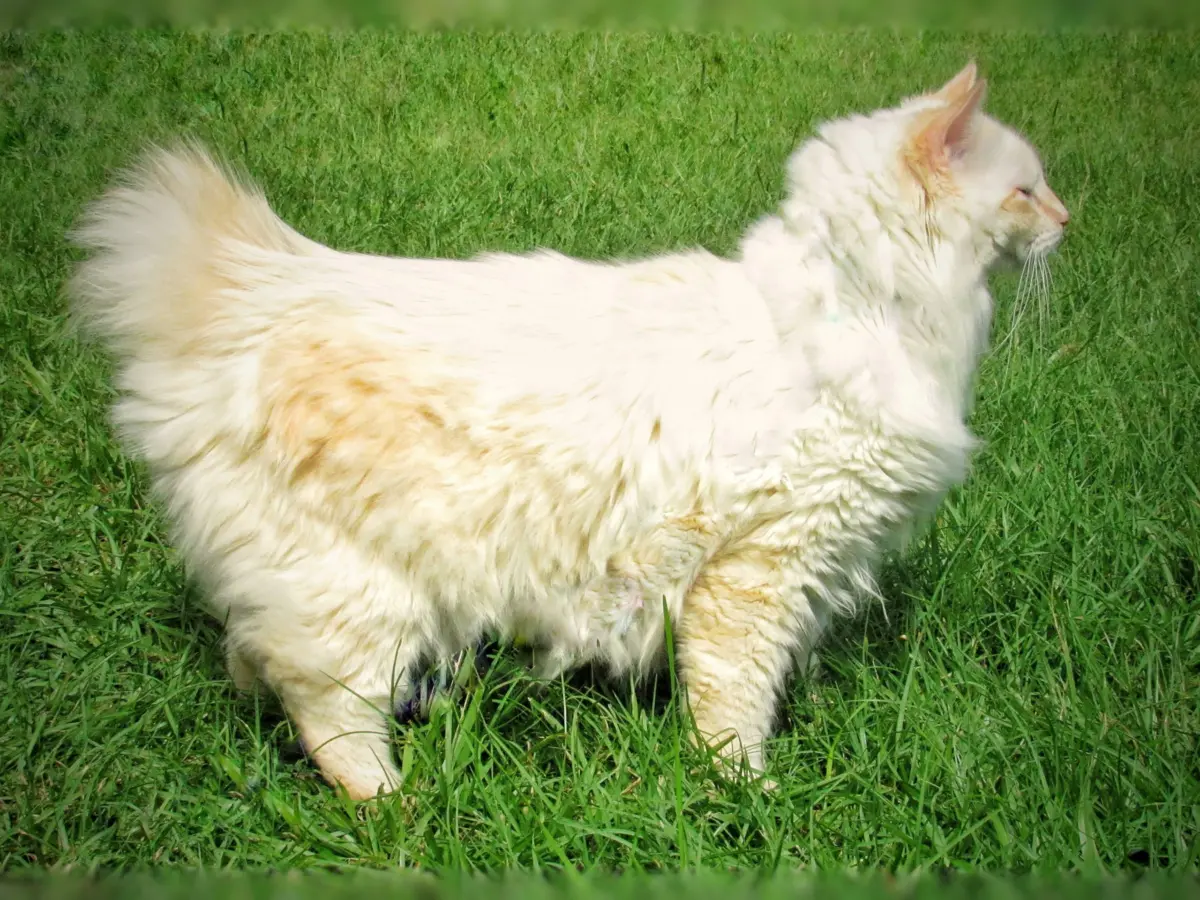
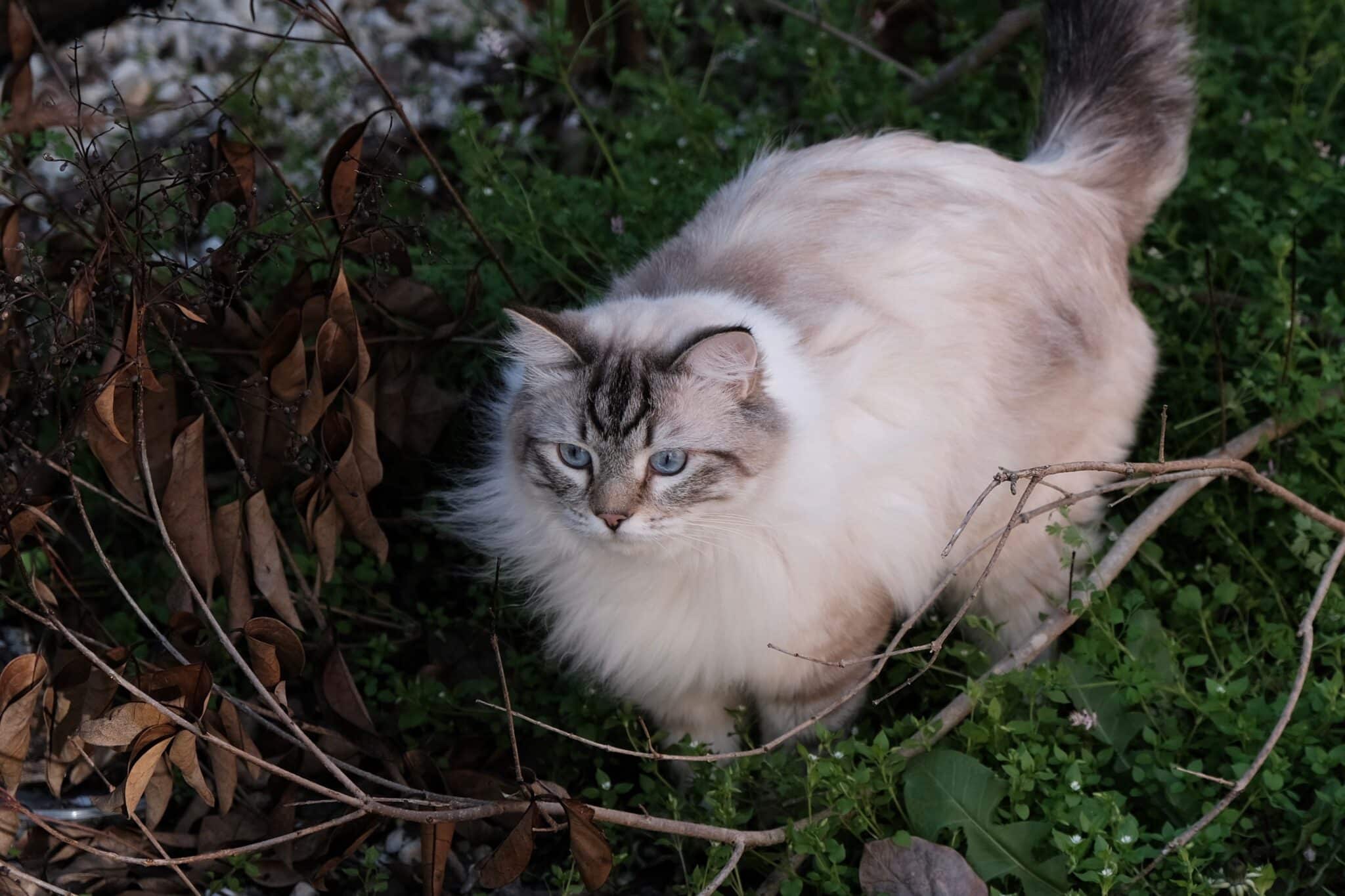
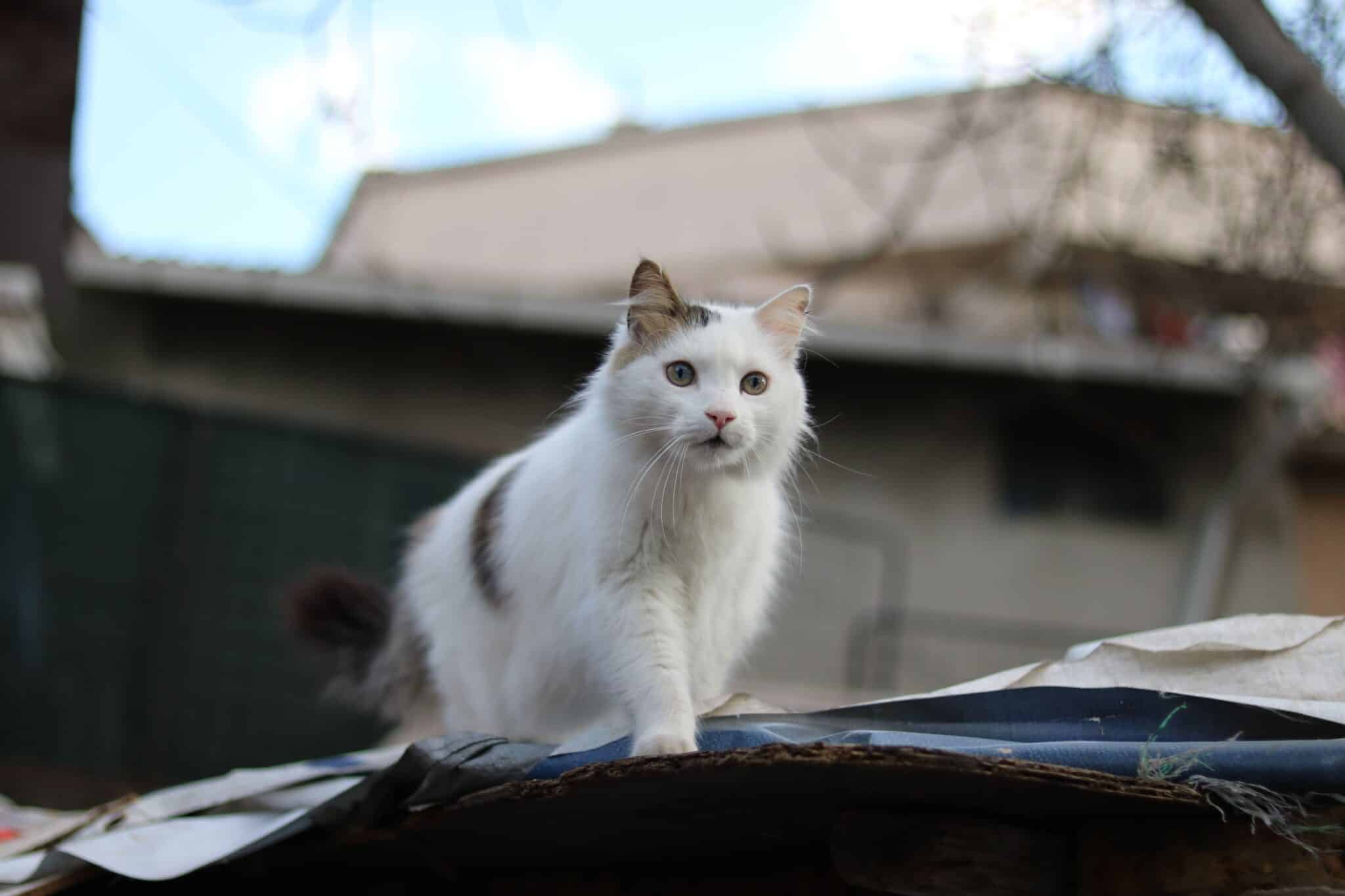
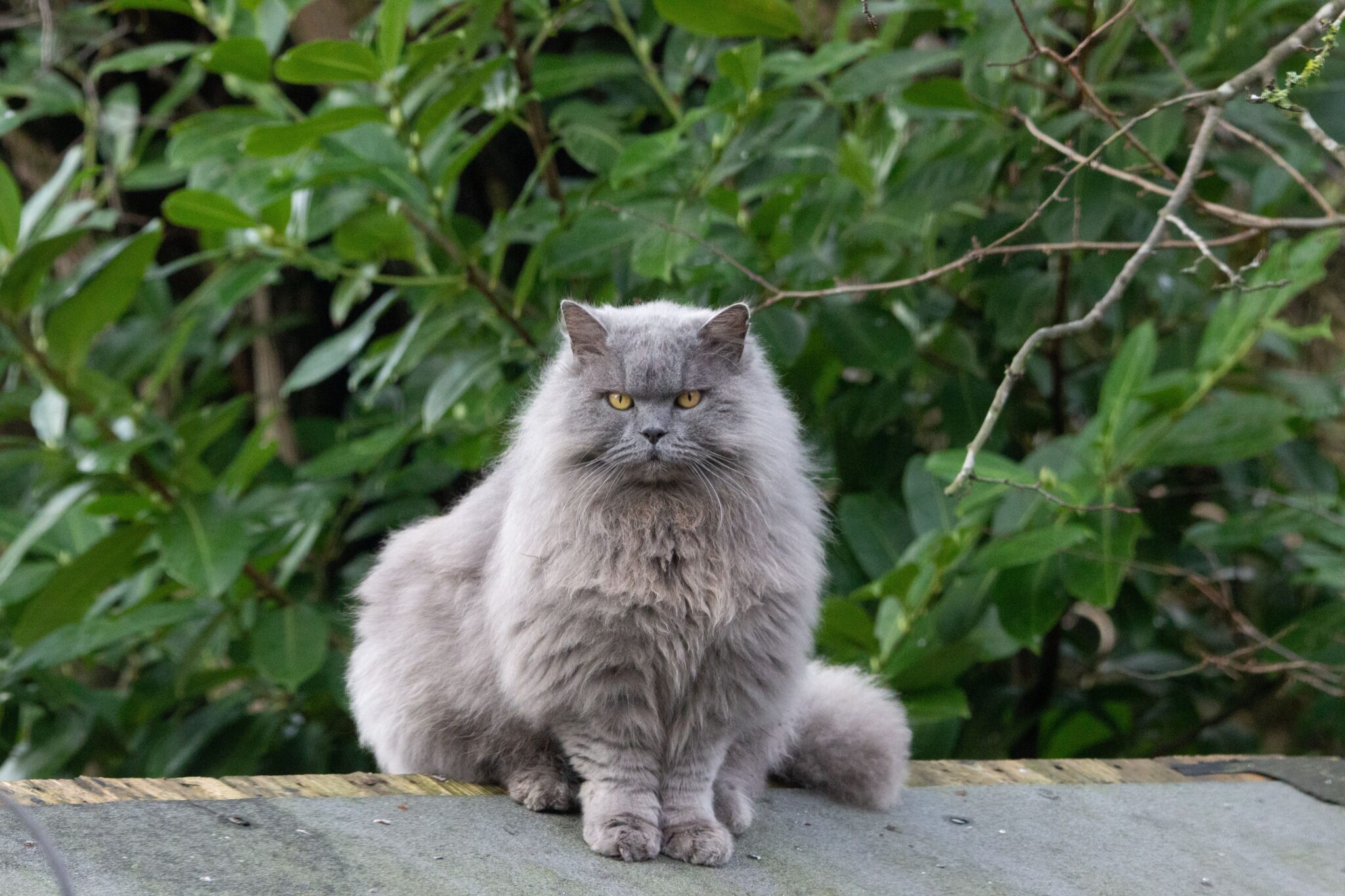
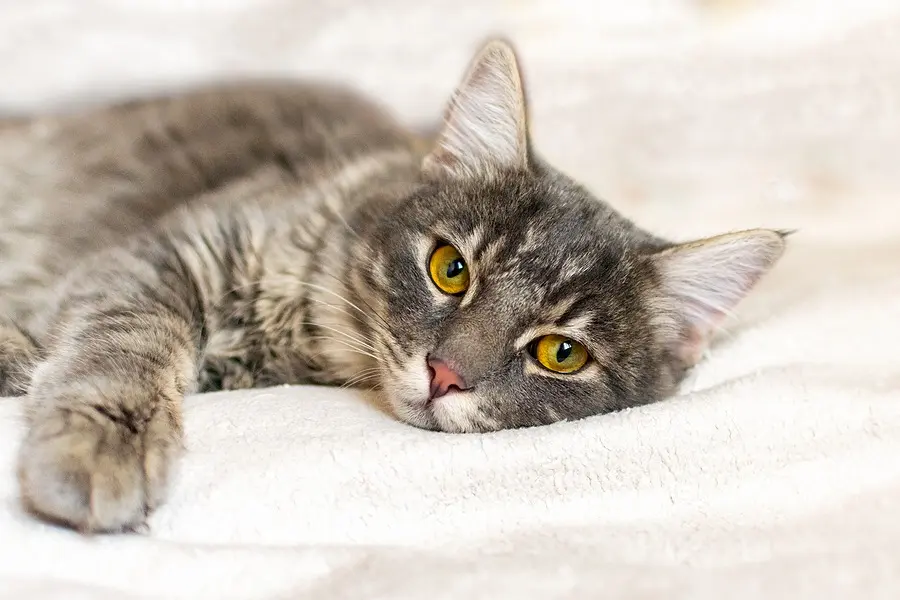
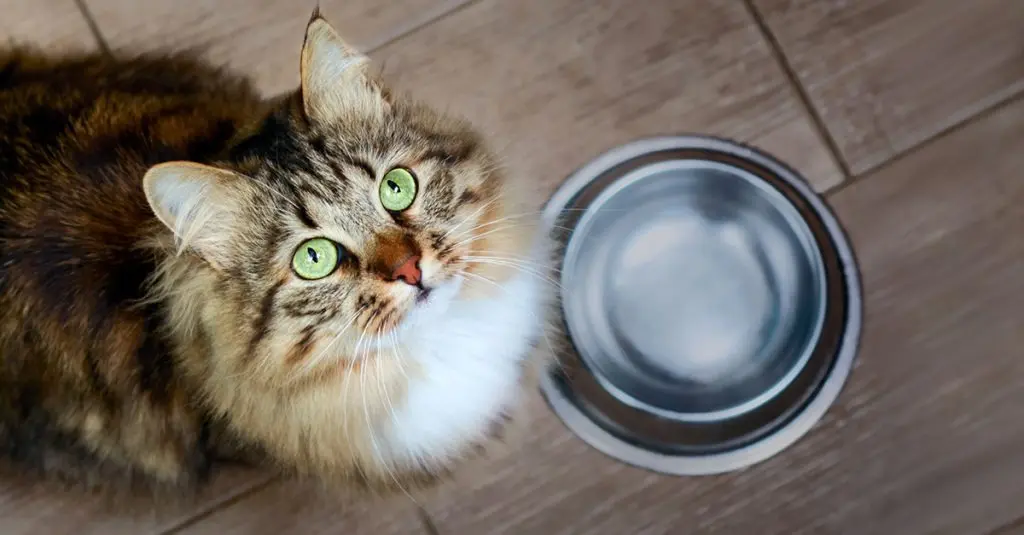
For centuries, human imagination has populated the dense canopies, mossy glades, and snow-draped timberlands of folklore with mythical guardians, clever foxes, and nimble lynxes. Today, however, pet owners and feline enthusiasts do not need to journey into the heart of an untamed wilderness to experience this rustic magic. A distinct cross-section of domestic cat breeds exhibits striking morphological traits—ranging from prominent ear tufts and snow-resistant double coats to striking, ticked fur patterns and bobbed tails—that evoke the aesthetic of woodland creatures.
This comprehensive report examines the intersection of feline genetics, evolutionary adaptation, and aesthetic appeal. While these physical attributes often trace their lineage back to harsh, natural environments in Scandinavia, Russia, and North America, their modern manifestation brings a touch of untamed elegance into domestic households. Beyond exploring the specific traits of breeds such as the Maine Coon, Norwegian Forest Cat, and Siberian, this investigative review underscores a critical journalistic imperative: balancing the allure of a "wild-inspired" visual aesthetic with the rigorous demands of ethical breeding, animal welfare, and specialized pet husbandry.
Detailed Chronology: The Evolution of Woodland-Inspired Felines
To understand how contemporary domestic cats came to resemble forest-dwelling wildlife, one must examine the chronological progression of natural selection, geographic isolation, and human-led breed preservation.
Pre-19th Century — Natural Selection and Adaptation: Long before formal cat fancying existed, ancestral cats roaming regions like Norway, Siberia, and Maine were subjected to severe environmental pressures. Thick double coats, heavy ruffs, and large, padded paws evolved strictly for survival against sub-zero temperatures, deep snowpacks, and rugged terrain.
Late 19th Century — The Dawn of the Cat Fancy: The foundational era of organized cat breeding began in Victorian England, where regional landraces—such as the early ancestors of longhaired cats—were first categorized for exhibition. However, true recognition of rugged, forest-type breeds lagged behind sleeker counterparts.
Mid-20th Century — Formalization of Hardy Breeds: Breeds like the Norwegian Forest Cat and the Maine Coon clawed their way into formal recognition. In 1938, the Norwegian Forest Cat was first showcased in an exhibition in Oslo, though World War II delayed its official preservation efforts. Concurrently, the Maine Coon transitioned from farm utility cat to a revered champion in American cat shows by the 1970s.
Late 20th Century — Opening the Iron Curtain and Expanding Horizons: Following the geopolitical shifts of the late 20th century, previously localized Russian landraces, such as the Siberian and the Russian Blue, gained international exposure. Concurrently, experimental breeding programs in North America isolated unique mutations, giving rise to cats like the American Bobtail.
The 21st Century — The Rise of the "Wild Aesthetic" and Ethical Scrutiny: Today, internet culture and digital media have exponentially increased the demand for pets that look like miniature lynxes or woodland sprites. This surge in popularity has forced a parallel evolution in veterinary oversight, pressing breeders and owners to prioritize skeletal and cardiac health over exaggerated physical features.
Supporting Context & Metrics: Decoding the Woodland Morphology
The illusion of the forest creature is not merely cosmetic; it is rooted in specific biological adaptations. Examining the physical metrics and genetic backgrounds of these breeds reveals why they captivate our imaginations.
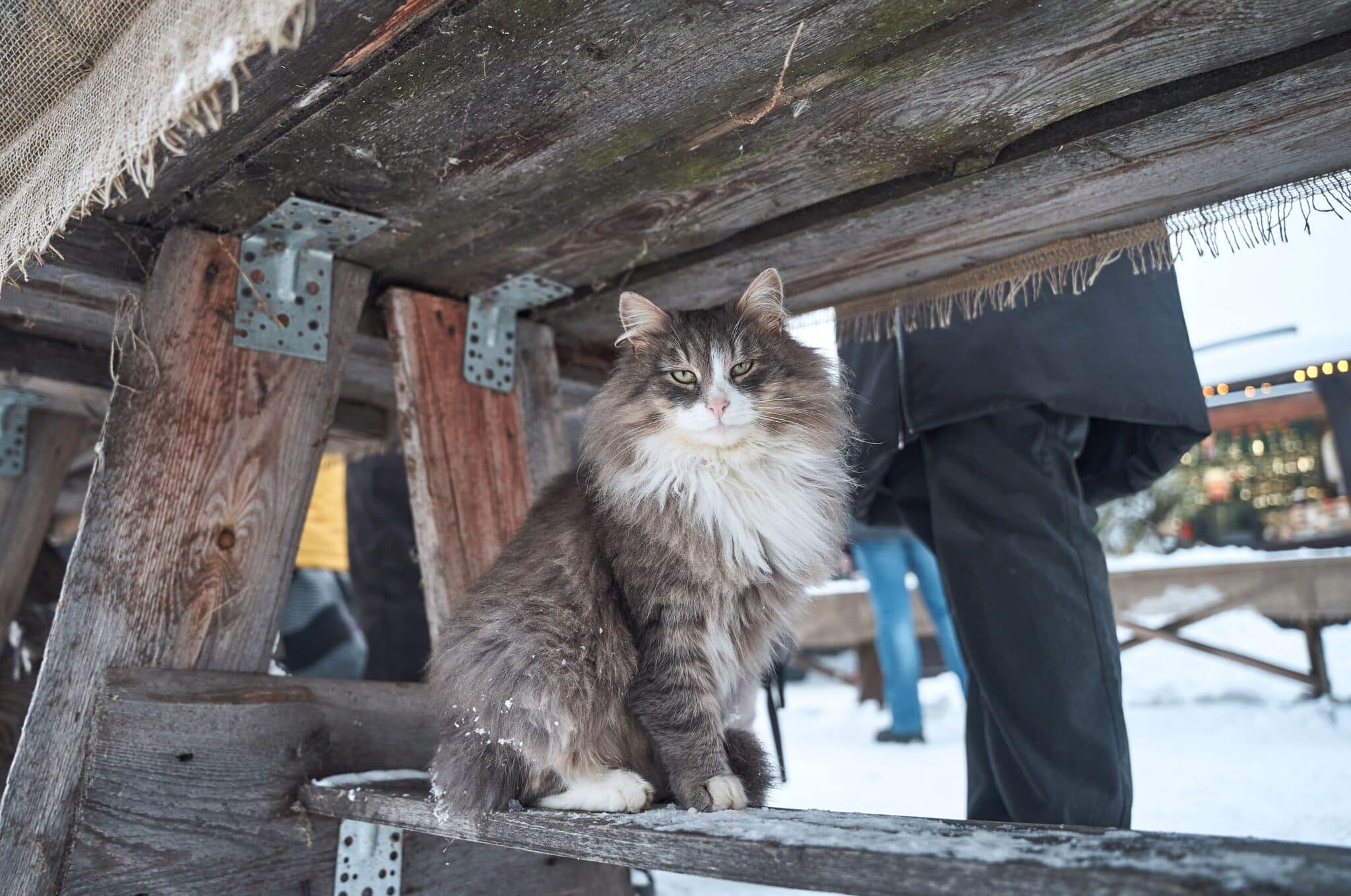
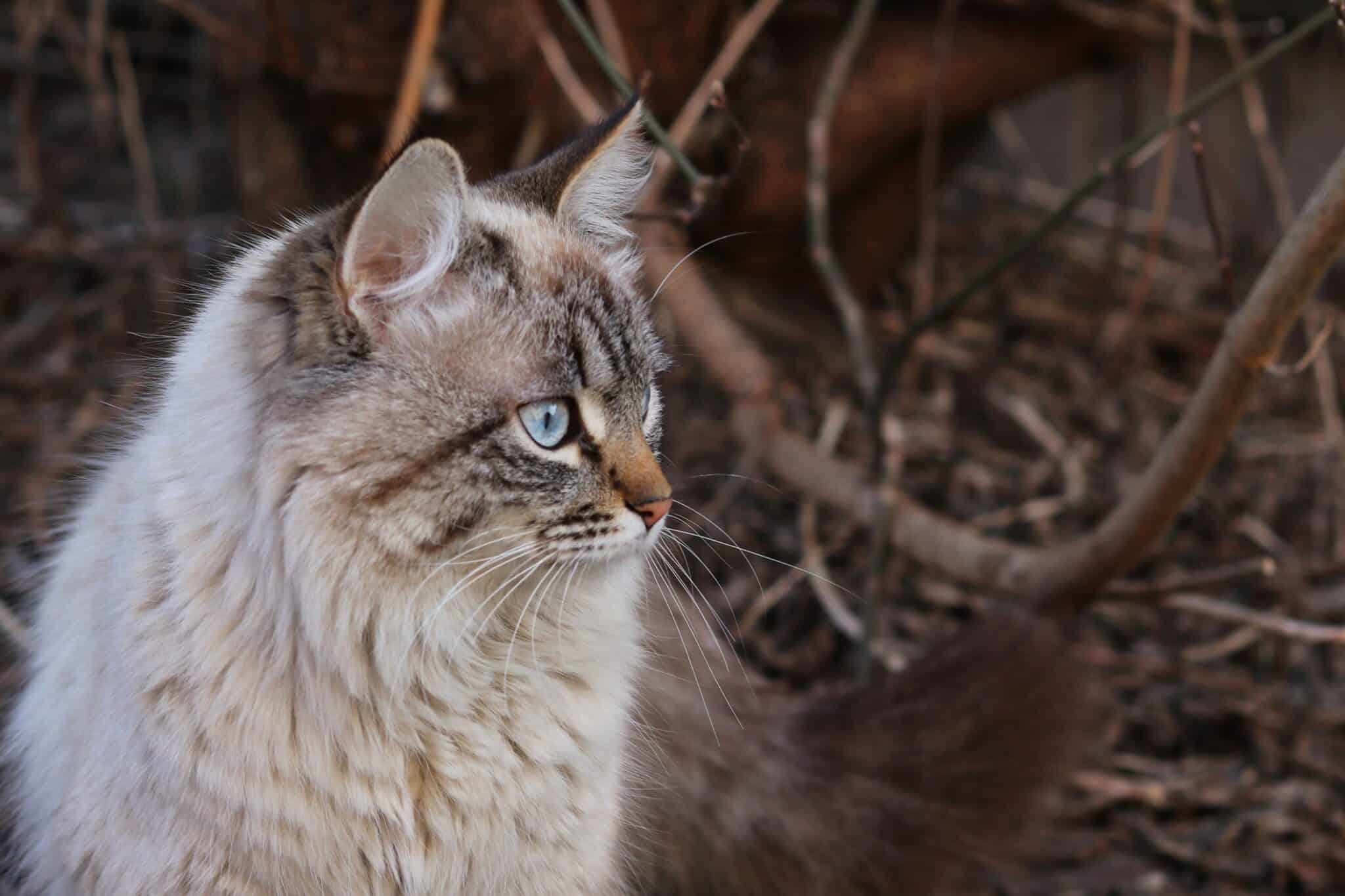
1. The Heavyweights of the Timberlands: Maine Coon, Norwegian Forest Cat, and Siberian
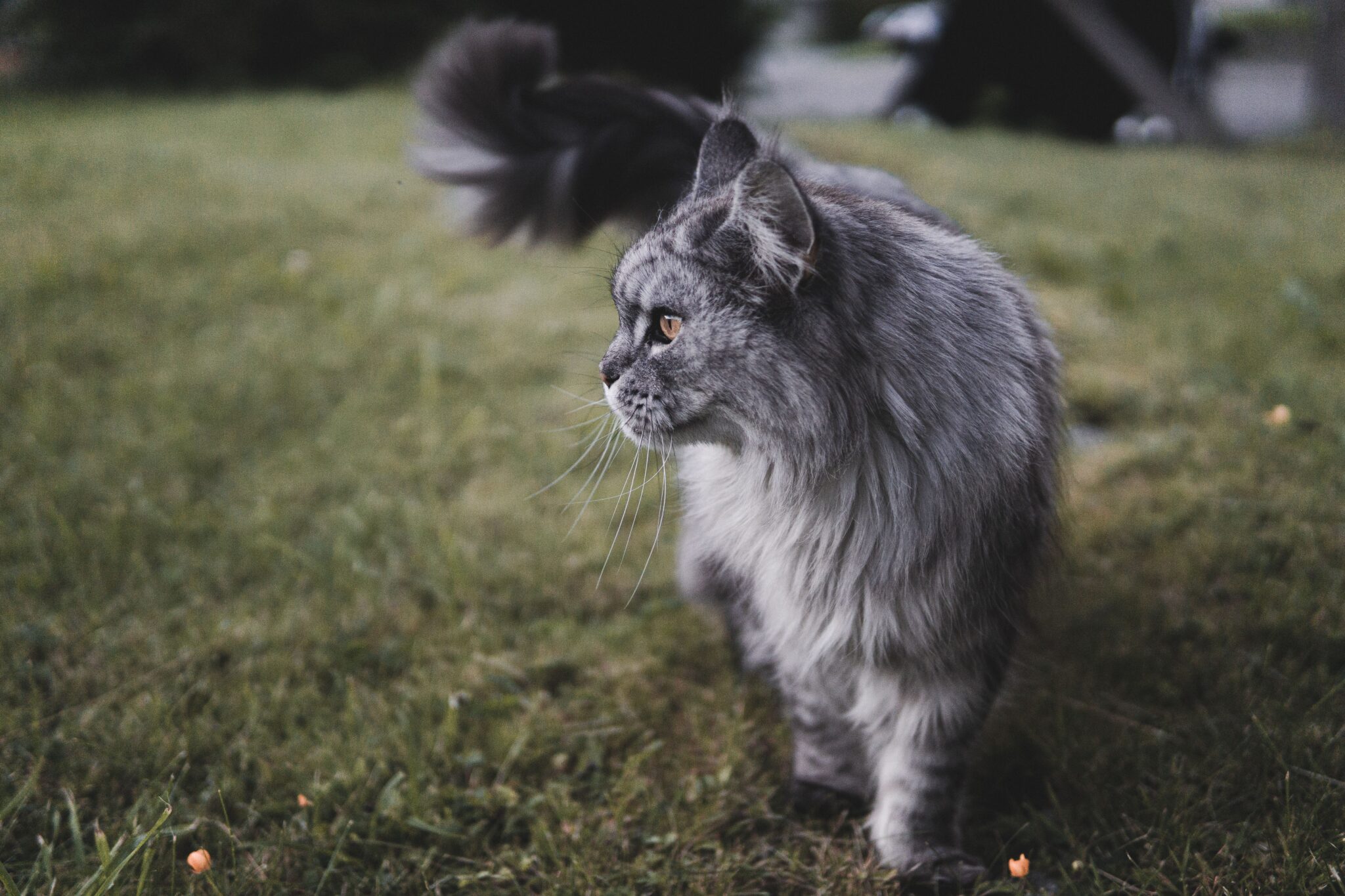
Size and Weight Metrics: These three natural breeds are among the largest in the domestic feline world. Male Maine Coons frequently range from 15 to 25 pounds, while Siberians and Norwegian Forest Cats display substantial muscle mass, often weighing between 12 and 20 pounds.
Coat Architecture: All three possess modified water-repellent or triple-layer coats. The Siberian, for instance, features a dense, oily guard hair over a thick undercoat designed to shed melting snow, mirroring the survival tactics of Siberian wildlife.
Ear Furnishings: Lynx-like ear tipping (tufts of hair extending beyond the ear tips) serves a dual evolutionary purpose in cold climates: preventing wind chill inside the ear canal and helping to break up the silhouette of the head against a natural backdrop.
+------------------------+-------------------+----------------------------+
| Breed                  | Native Region     | Primary Distinctive Trait  |
+------------------------+-------------------+----------------------------+
| Maine Coon             | United States     | Shaggy coat, massive paws  |
| Norwegian Forest Cat   | Norway            | Triangular face, double fur|
| Siberian               | Russia            | Rounded contours, dense ruff|
| Somali                 | Africa / Britain  | Fox-like tail, ticked coat |
| Egyptian Mau           | Egypt / Global    | Naturally spotted coat     |
+------------------------+-------------------+----------------------------+
2. Sleeker Sylphs and Clever Mimics: Somali, Egyptian Mau, and Russian Blue
While heavy coats define the classic northern forest look, other breeds achieve a woodland aesthetic through coloration and sleek agility:
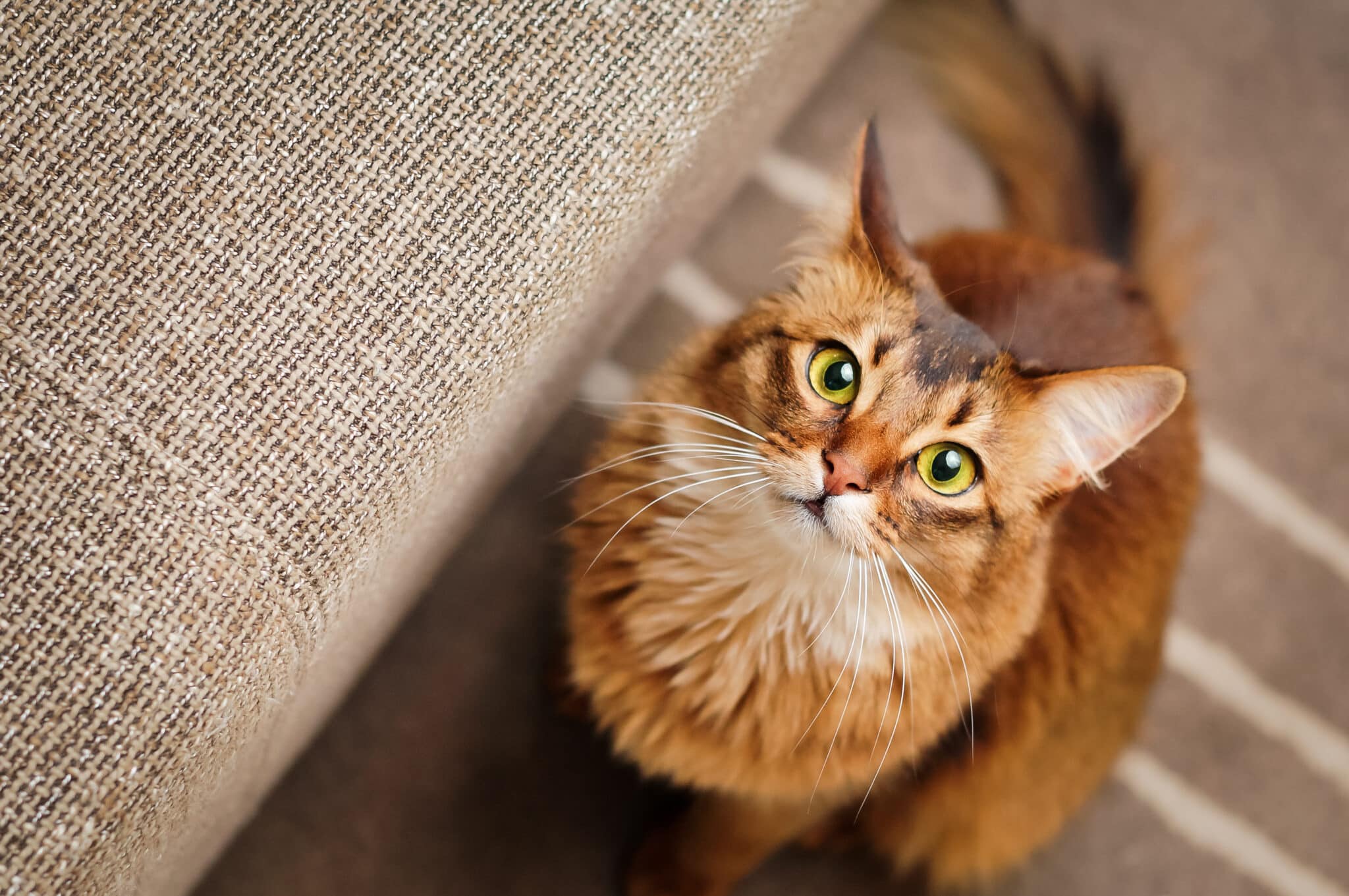
The Somali: Often dubbed the "fox cat," its ruddy, ticked coat and plumed tail mimic the clever red fox of European and North American woodlands.
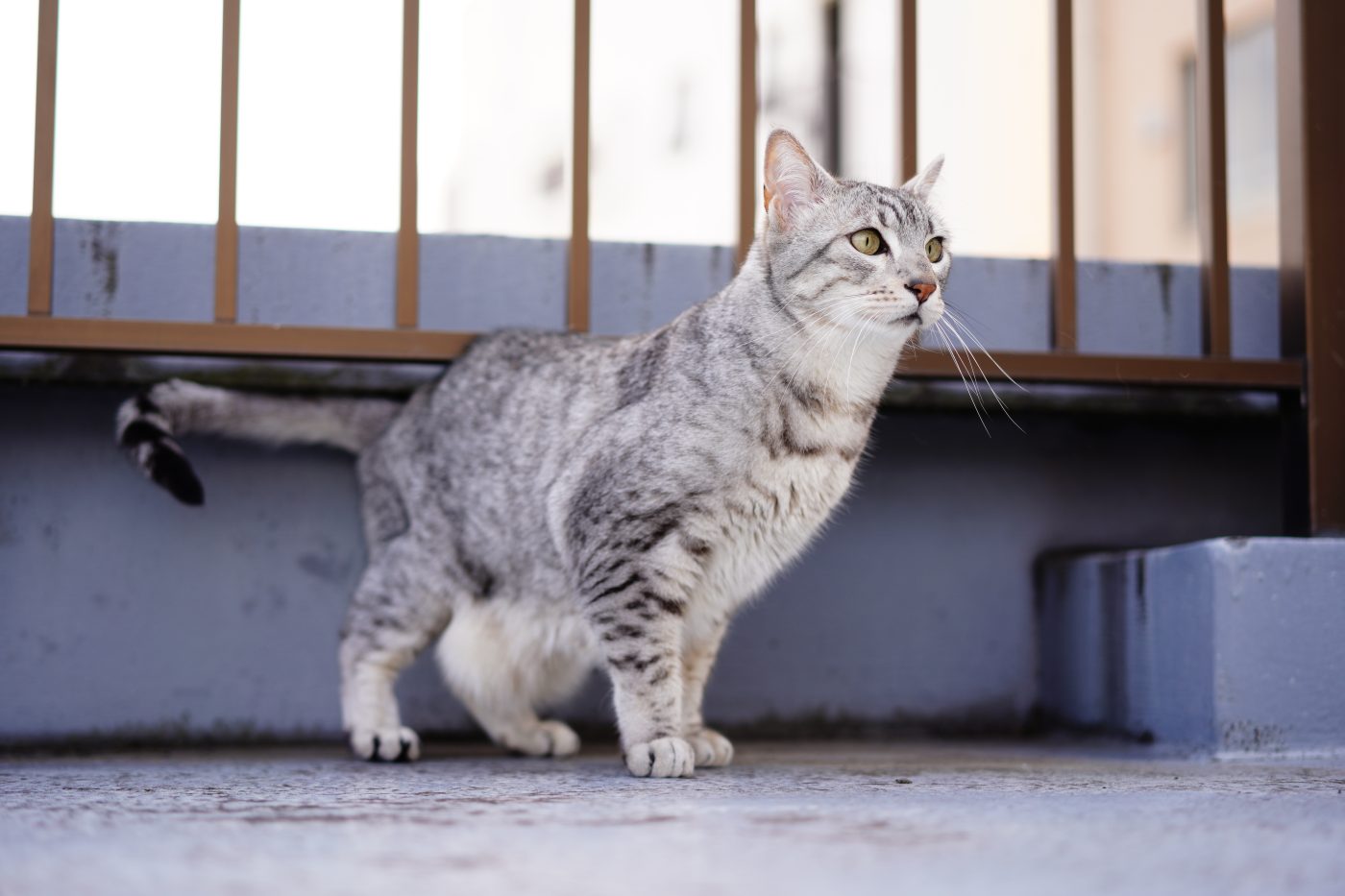
The Egyptian Mau: As one of the few naturally spotted domestic breeds, its random spot distribution provides natural camouflage akin to wild felines navigating dappled forest sunlight.
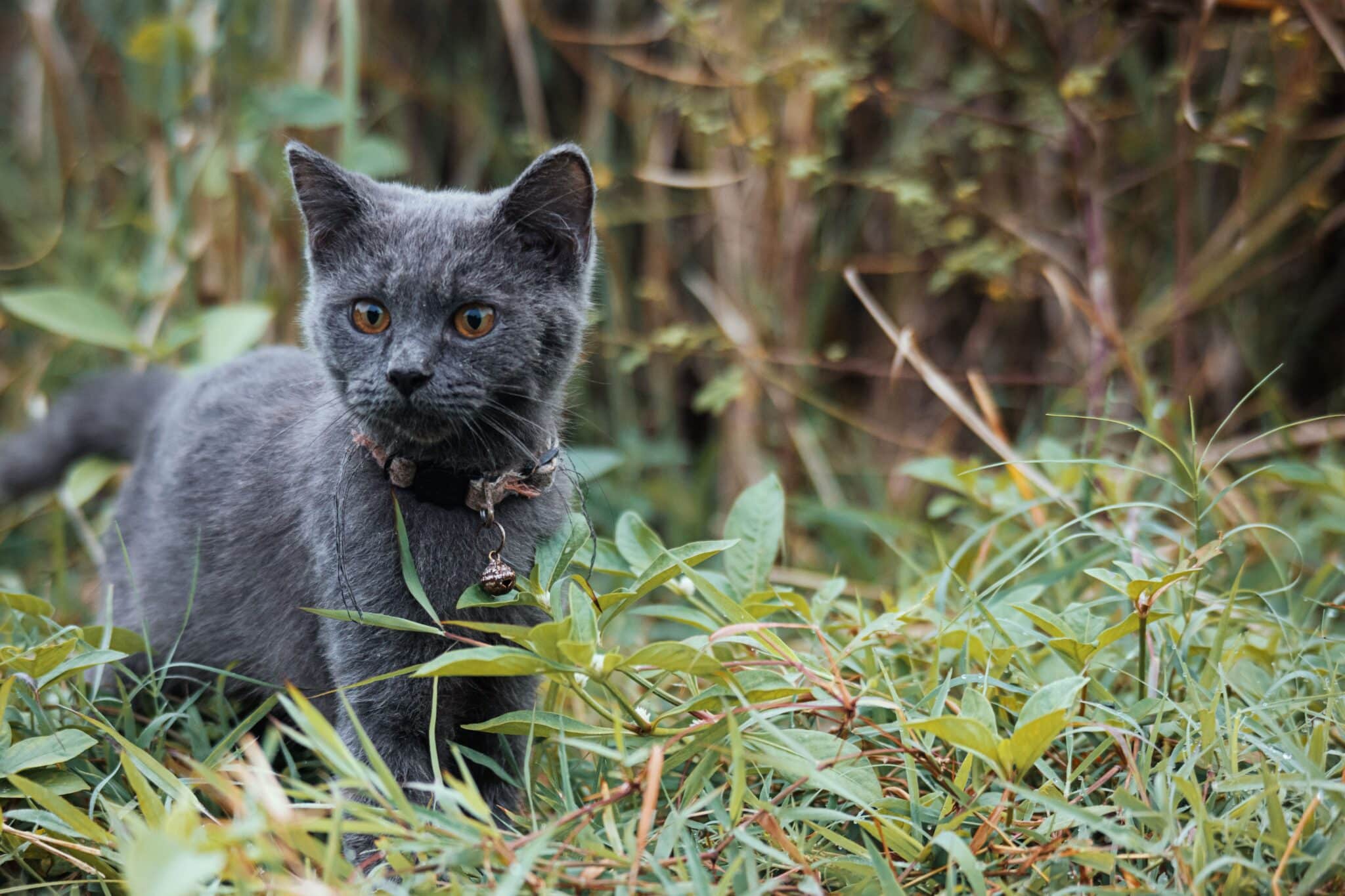
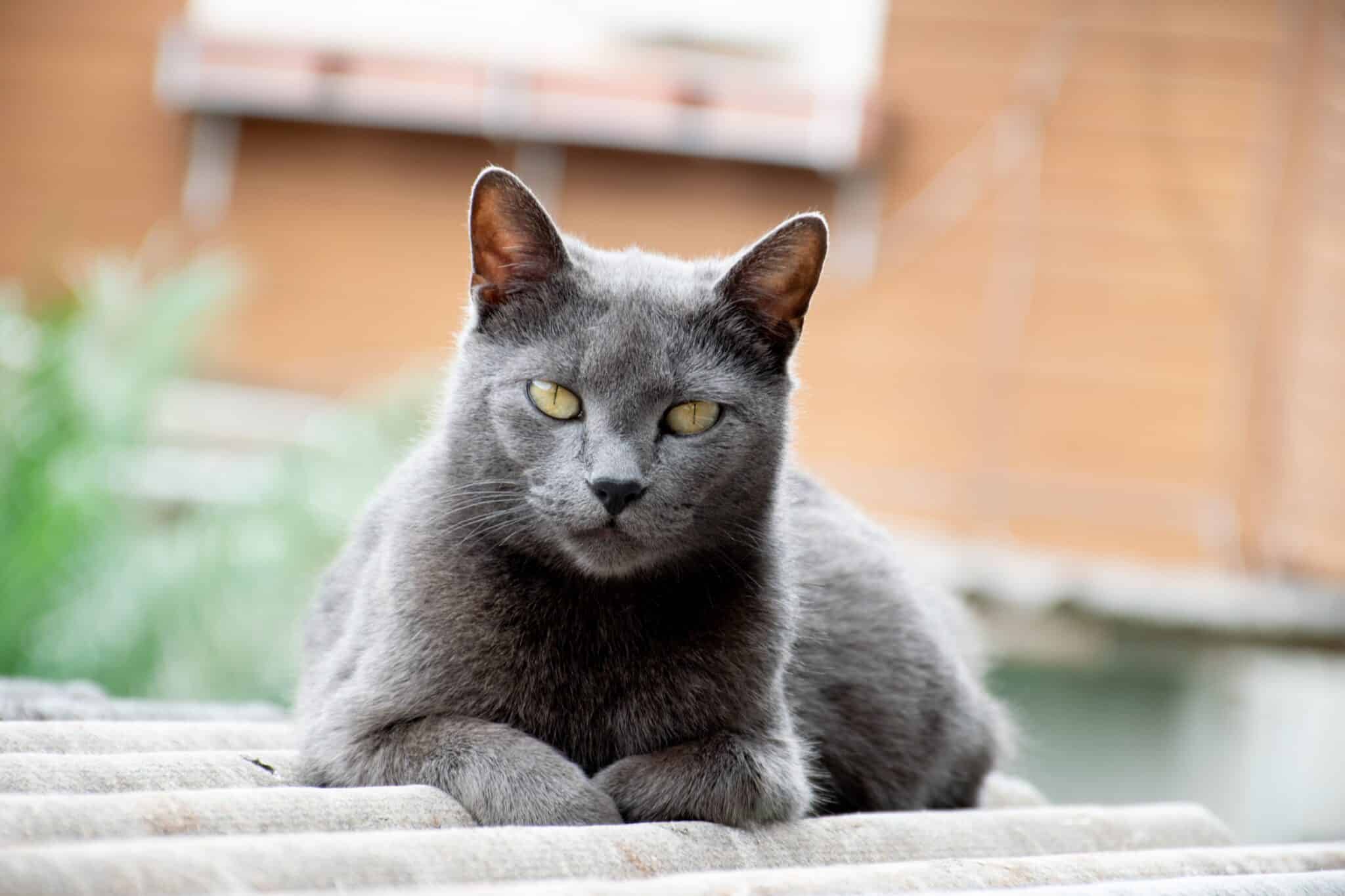
The Russian Blue: Its silver-tipped, dense double coat reflects light like the morning mist hovering over a shaded woodland floor.
Official Statements and Ethical Considerations
As the commercial appeal of aesthetic-driven pet ownership grows, animal welfare organizations, veterinary associations, and feline geneticists have issued crucial guidelines regarding the breeding of cats with specialized physical features.
Dr. Eleanor Vance, a prominent feline geneticist and animal welfare advocate, notes:
"When we selectively breed animals to emphasize extreme physical traits—such as heavy bone density, modified facial structures, or folded ears—we walk a fine line between aesthetic appreciation and biological compromise. Nature designed these traits for survival and mobility, not for human novelty. Breeders must treat health as the primary baseline, ensuring that a cat’s majestic appearance never comes at the expense of its structural comfort."
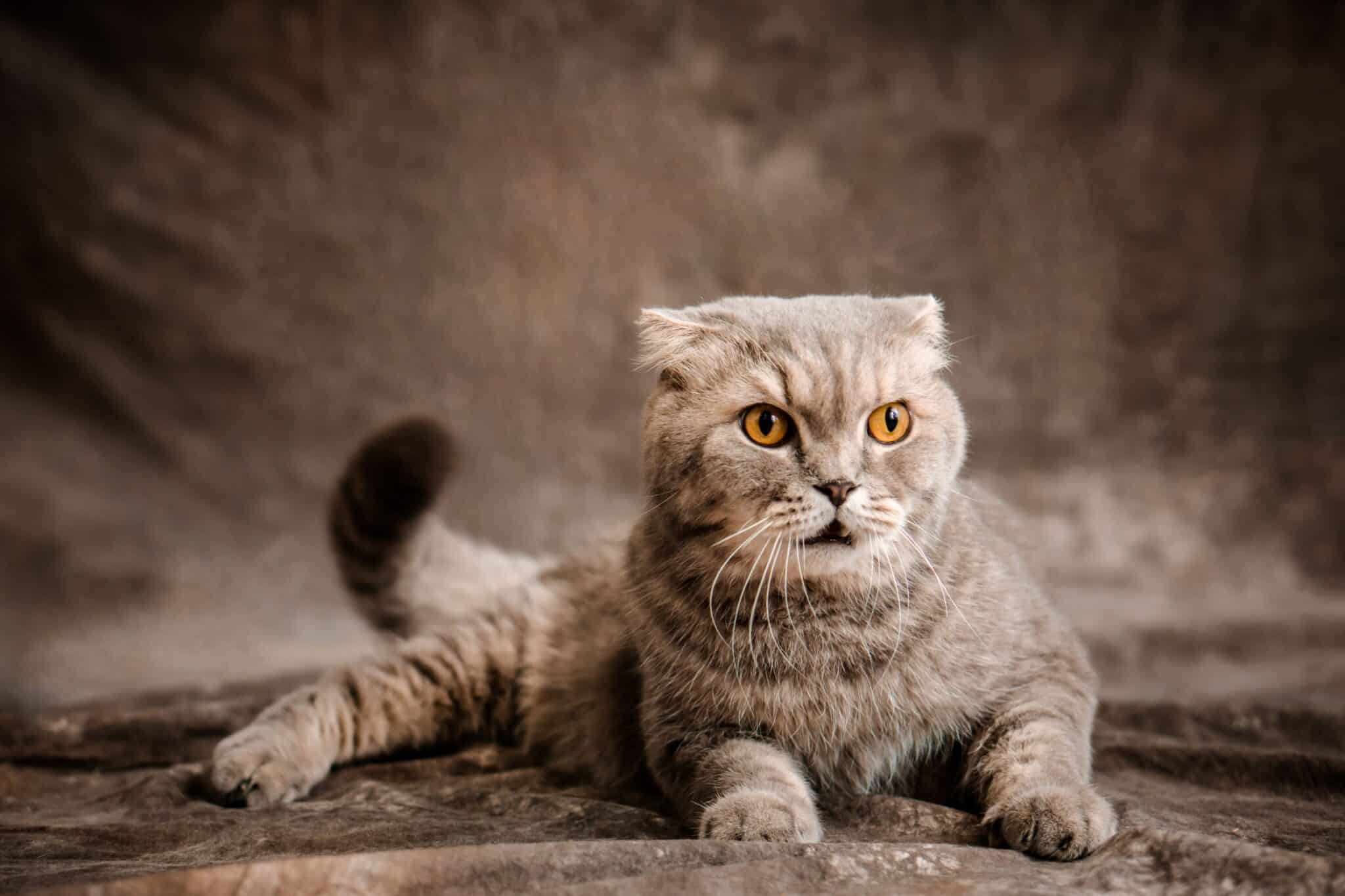
Veterinary governing bodies have been particularly vocal regarding mutations like those found in the Scottish Fold. While the folded ear gives the cat a whimsical, storybook appearance, the underlying cartilage defect (osteochondrodysplasia) causes progressive and often painful joint disease. Ethical organizations globally advocate for strict transparency, urging potential owners to research lineage and prioritize veterinary clearance over superficial charm.
Furthermore, rescue organizations emphasize that domestic cats—regardless of whether they resemble a lynx or a humble shorthair—require complex environmental enrichment. Replicating a woodland experience indoors through vertical climbing spaces, interactive puzzle toys, and secure outdoor enclosures (catios) ensures that these instinct-driven animals thrive mentally and physically.
Future Outlook: The Intersection of Genetics, Welfare, and Feline Companionship
Looking toward the horizon, the relationship between humans and woodland-inspired cats is poised to enter a more sophisticated, science-driven era. Advances in genetic testing allow breeders to screen for hereditary conditions—such as Hypertrophic Cardiomyopathy (HCM) in Maine Coons and Polycystic Kidney Disease (PKD) in Persians—with unprecedented accuracy. This technological shift ensures that the pursuit of a breathtaking, wild-inspired aesthetic will increasingly align with superior animal health outcomes.
At the same time, cultural shifts in pet ownership are redefining what it means to keep an "enchanted" pet. Modern guardians are moving away from passive appreciation of an animal’s looks toward active engagement with their psychological and physical needs. The future will likely see a greater emphasis on indoor-outdoor safety hybrids, smart environmental enrichment, and a deeper respect for the wild instincts that linger beneath a soft, domestic exterior.
Ultimately, whether a cat rests quietly beneath a fern-patterned rug or scales a towering cat tree like a miniature forest guardian, these creatures bridge the gap between civilization and the wild. By honoring their evolutionary heritage with responsible care, informed ownership, and ethical breeding practices, we ensure that the magic of the forest remains safely and healthily alive within our homes.