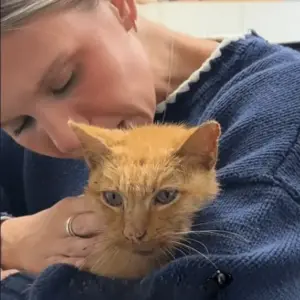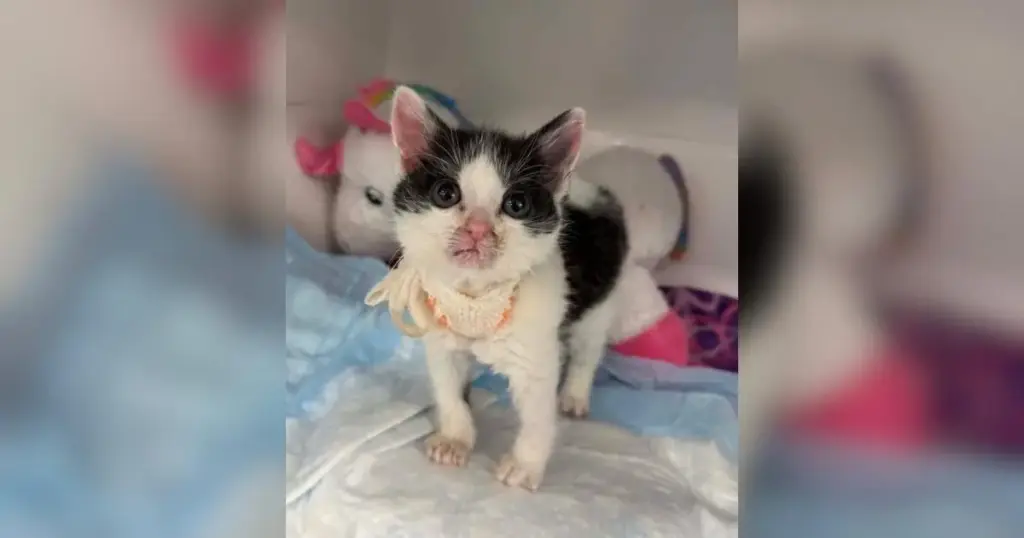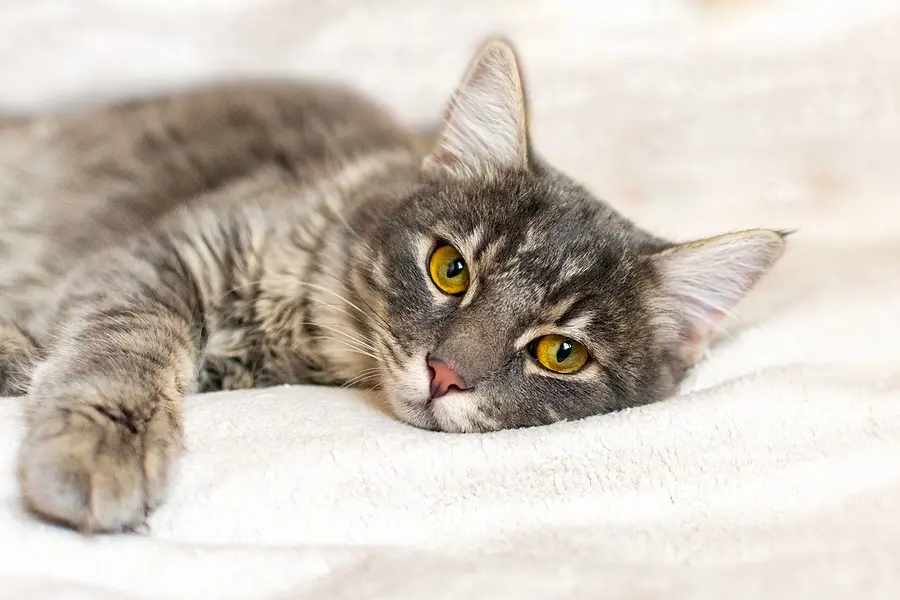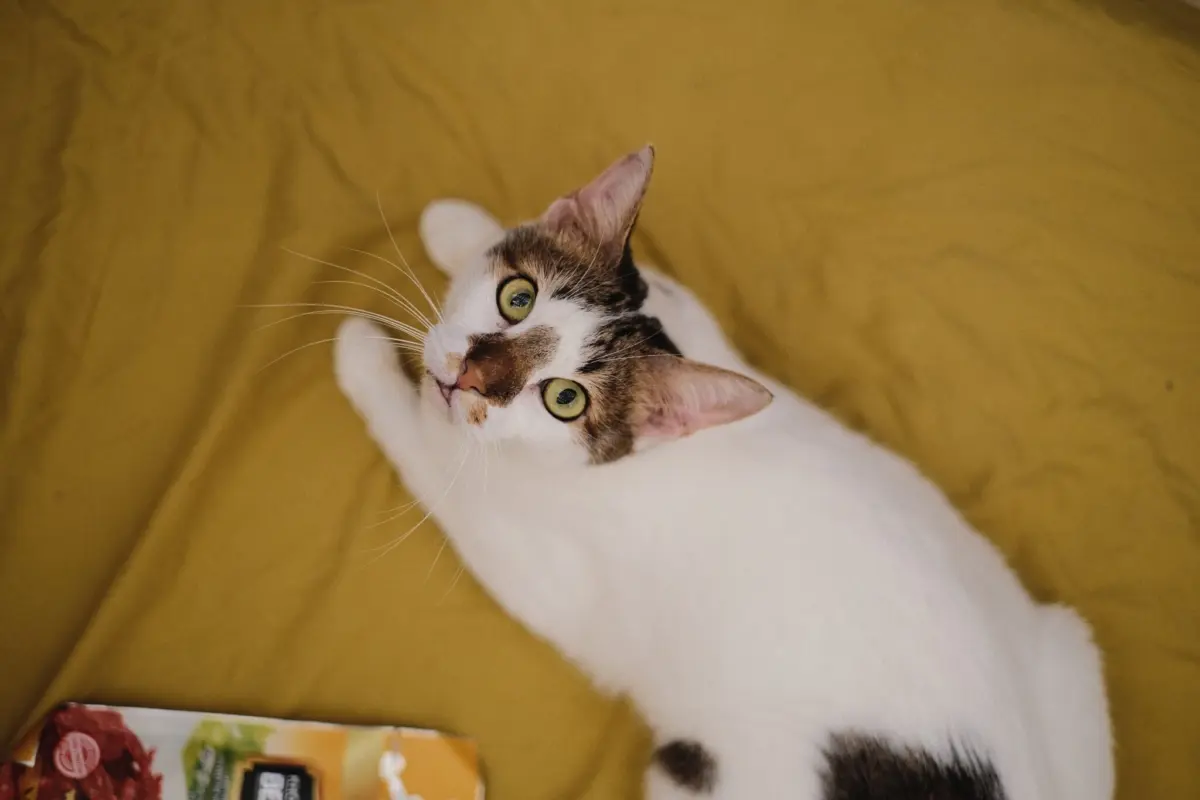

To the casual observer, a domestic cat may appear to exist in a state of perpetual, aloof indifference. Lounging lazily on a sun-drenched sofa or seemingly ignoring its owner entirely, the feline often gets mischaracterized as an independent creature detached from its human environment. However, modern feline behavioral science reveals a starkly different reality. Beneath that calm exterior lies an ultra-sensitive, hyper-observant mind constantly cataloging human habits, vocal inflections, spatial shifts, and olfactory markers.
Cats are master pattern-recognition specialists. Utilizing a sophisticated sensory apparatus—including an auditory range that far exceeds human capabilities and a vomeronasal organ that turns scent into a narrative—they monitor every movement, sound, and emotional fluctuation of the people sharing their territory. Far from being oblivious roommates, cats build intricate mental maps of our daily schedules, learn to interpret subtle changes in our body language, and use these observations to anticipate their next meal, playtime, or period of quiet rest.

This comprehensive investigation explores the multifaceted ways in which cats observe, process, and react to human behavior. By dissecting the acoustic, visual, and olfactory cues that govern the feline world, pet owners can gain a profound appreciation for the silent, complex bond they share with their animal companions.
Detailed Chronology: How Cats Learn and Adapt to Human Routines
Understanding how a cat processes its domestic environment requires examining the timeline of behavioral development and associative learning. From the moment a cat enters a human household, it begins an ongoing process of data collection.
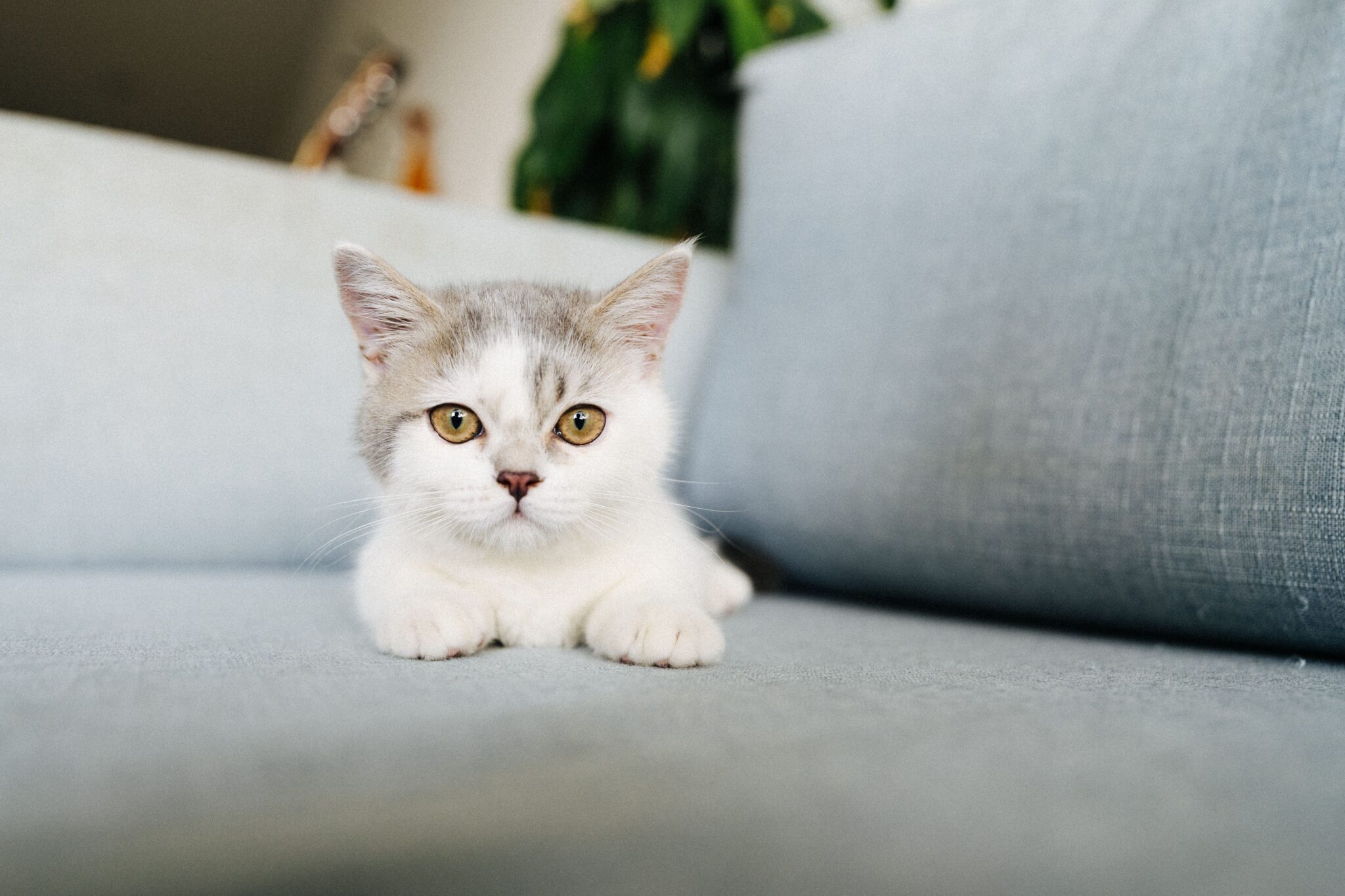
Phase 1: Initial Acclimation and Scent Mapping
When a cat first encounters a new living space or a new human companion, its primary tool is the olfactory system. Unlike humans, who rely heavily on visual cues, cats experience the world predominantly through scent. During the initial days and weeks in a home, a cat systematically maps out the territory, depositing facial pheromones via cheek-rubbing to mark familiar areas and humans as safe zones. This foundational phase establishes a baseline of what is "normal" within the environment.
Phase 2: Associative Learning and Schedule Formation
As weeks turn into months, the feline brain begins linking recurring events with predictable outcomes—a process known in behavioral psychology as classical conditioning.
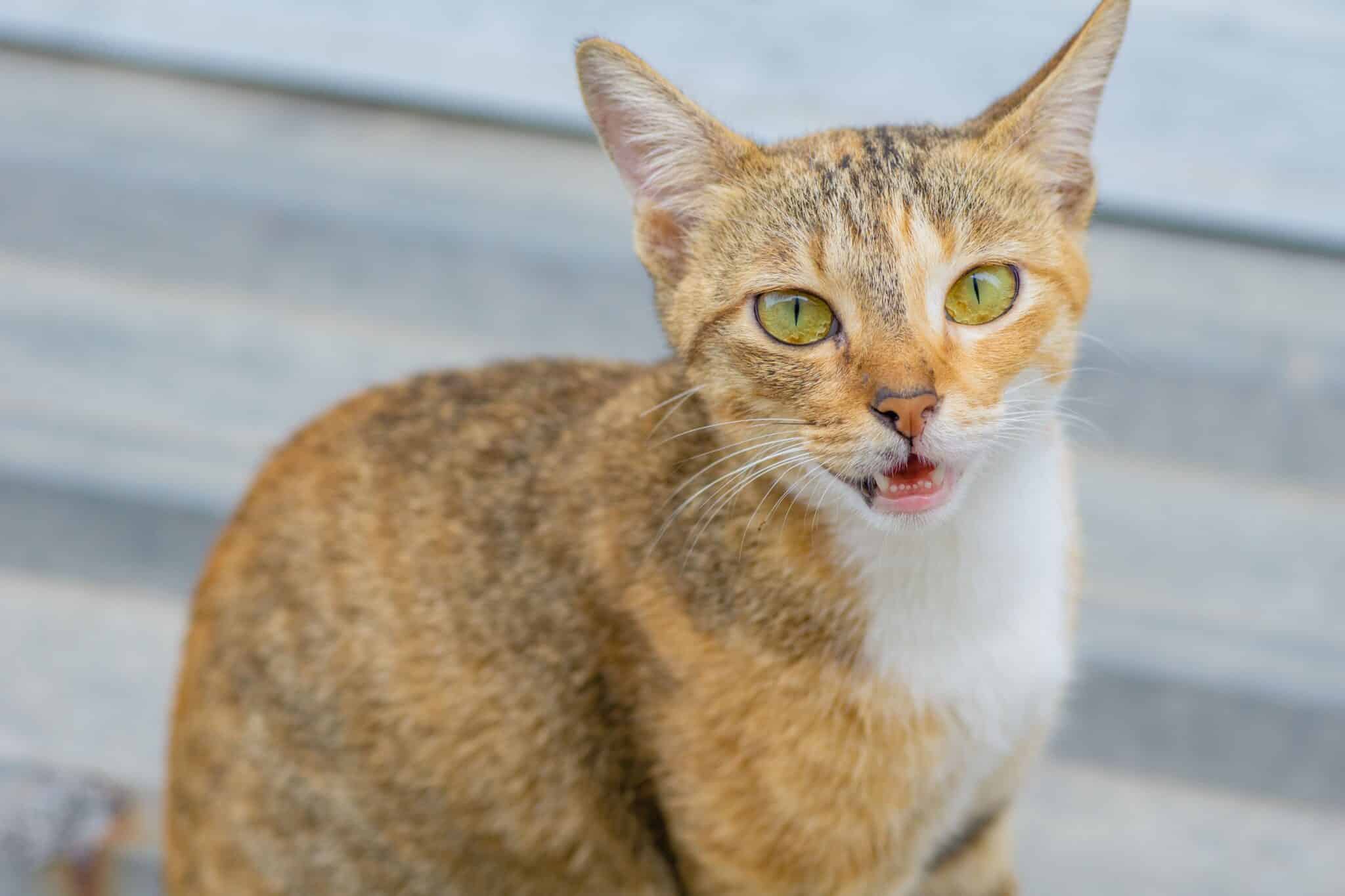
- Acoustic Triggers: The distinct rattle of a dry food container, the click of a specific cupboard door, or the jingle of keys transforms from background noise into meaningful signals.
- Temporal Patterns: While cats do not read clocks, they track circadian rhythms and human micro-habits. The rustle of bedsheets, the activation of a morning alarm, or footsteps heading toward the kitchen at 7:00 AM become fixed markers in the cat’s internal schedule. Consequently, the cat learns to anticipate breakfast or the departure of its human long before the action actually occurs.
Phase 3: Fine-Tuning Behavioral Responses
In the mature phase of the human-cat relationship, the animal ceases to be a passive observer and becomes an active participant in household dynamics. The cat adjusts its proximity, vocalization levels, and physical interactions based on past feedback. If approaching a human who is typing at a desk consistently yields a gentle stroke or a conversation, the cat integrates this action into its repertoire for seeking attention or food.
Supporting Context & Metrics: The Science of Feline Perception
To truly grasp how intensely cats study us, one must examine the biological hardware that drives their observational prowess.
Acoustic Acuity: Hearing Beyond Human Limits
Human ears can typically perceive frequencies up to 20,000 Hertz (Hz), whereas cats can detect sounds up to 64,000 Hz. This extraordinary hearing range allows them to distinguish subtle vocal nuances, identify the unique cadence of their owner’s voice among a crowd of strangers, and recognize the specific pitch of a footstep on hardwood floors long before the person enters the line of sight. Research into feline psychoacoustics indicates that cats not only recognize their owners’ voices when spoken directly to them, but they also modulate their own vocalizations (such as purring or meowing) to manipulate human behavior effectively.
Visual Processing and Sensitivity to Movement
While cats do not possess the same visual acuity for fine detail as humans, and their color spectrum is limited compared to ours, their eyes are heavily optimized for motion detection and low-light environments. Their rod-rich retinas make them exceptionally sensitive to quick movements, postural shifts, and subtle changes in human gait. When an owner changes how they walk—whether due to an injury, fatigue, or carrying a bulky object—the cat’s visual processing centers immediately register the anomaly, prompting heightened vigilance or investigation.

The Power of Olfactory Intelligence
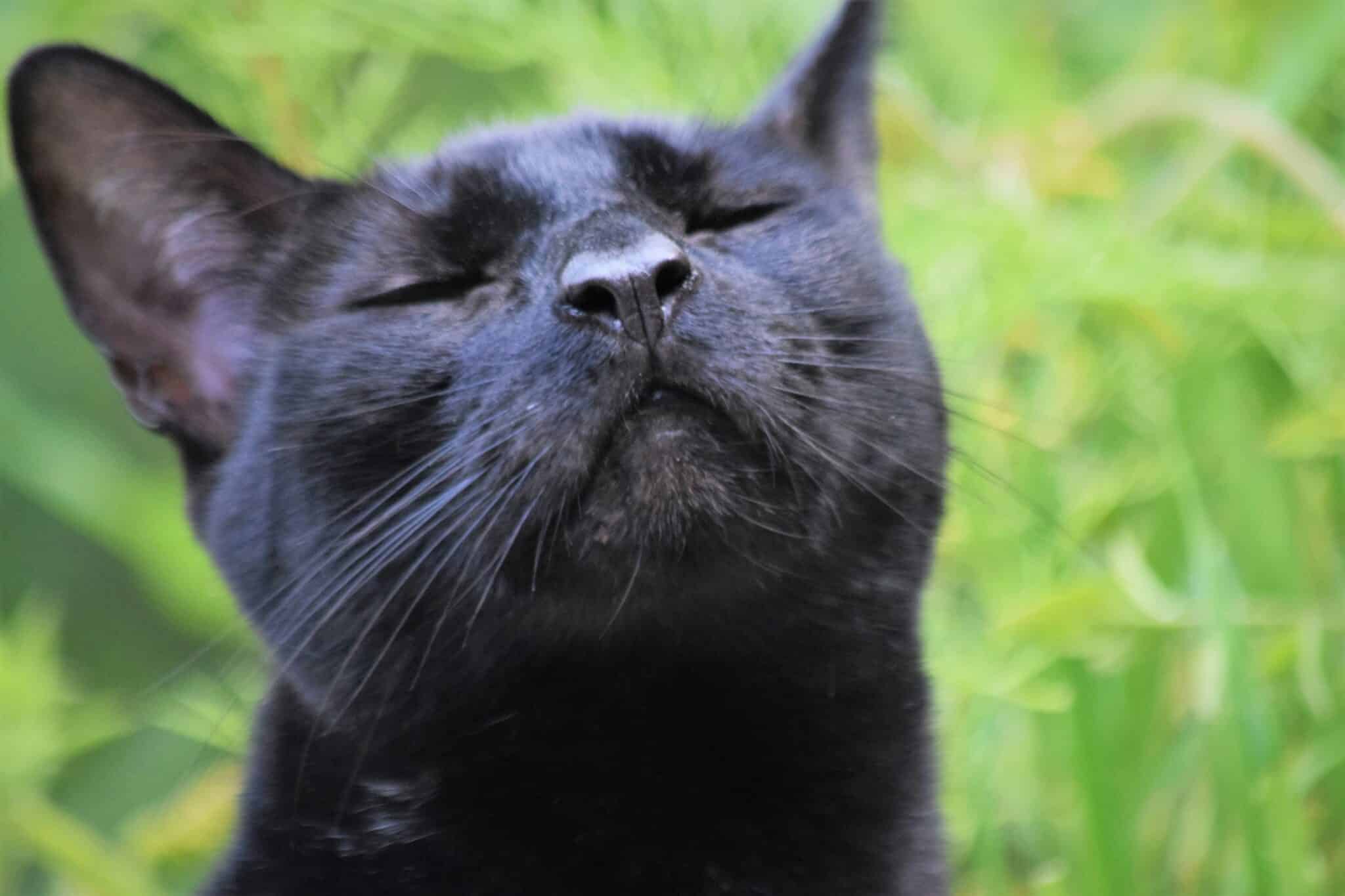
A cat’s sense of smell is roughly 14 times stronger than that of a human. The presence of the vomeronasal (Jacobson’s) organ allows them to analyze chemical signatures, pheromones, and environmental scents left on clothing, shoes, and skin. When a cat sniffs an owner returning from work or travel, it is gathering a rich sensory tapestry of where that human has been, what other animals they have encountered, and what emotional state or stress levels they might be carrying.
Official Statements & Expert Insights
Animal behaviorists and veterinary researchers have increasingly focused on the cognitive capabilities of domestic cats, moving past the outdated stereotype that felines are untrainable or emotionally detached.
"Cats are far more attuned to human behavior than popular culture gives them credit for," notes Dr. Elena Vance, a leading feline behavioral researcher. "They do not decode human language in a semantic sense, but they are exceptionally brilliant at reading context. They piece together vocal tones, postural cues, and environmental changes to construct a predictable world for themselves. When a cat responds to your voice or waits by the door before you pick up your keys, it is demonstrating advanced associative memory."
Veterinary behaviorists also emphasize that a cat’s observational skills are tied directly to its need for security and territory management. Because cats are simultaneously predators and prey in an evolutionary sense, monitoring their environment—including the dominant alpha figures (humans) within that environment—is an essential survival strategy.

"When a cat observes you intently while you work, change clothes, or rearrange furniture, it is conducting risk assessment and territorial mapping," explains Dr. Marcus Vance, a small animal practitioner. "Understanding that your cat is watching you not out of mere nosiness, but out of a deep-seated drive to maintain predictability and safety, transforms how we should interact with them. Respecting their need for time and space during periods of household change is vital for their mental well-being."
Future Outlook: The Evolution of Human-Cat Coexistence
As urbanization increases and more people rely on companion animals for emotional support and lifestyle grounding, the scientific appreciation for feline cognition is expanding rapidly. Future research in animal-computer interaction and feline neurology promises to unlock even deeper insights into how cats process human emotion and intent.
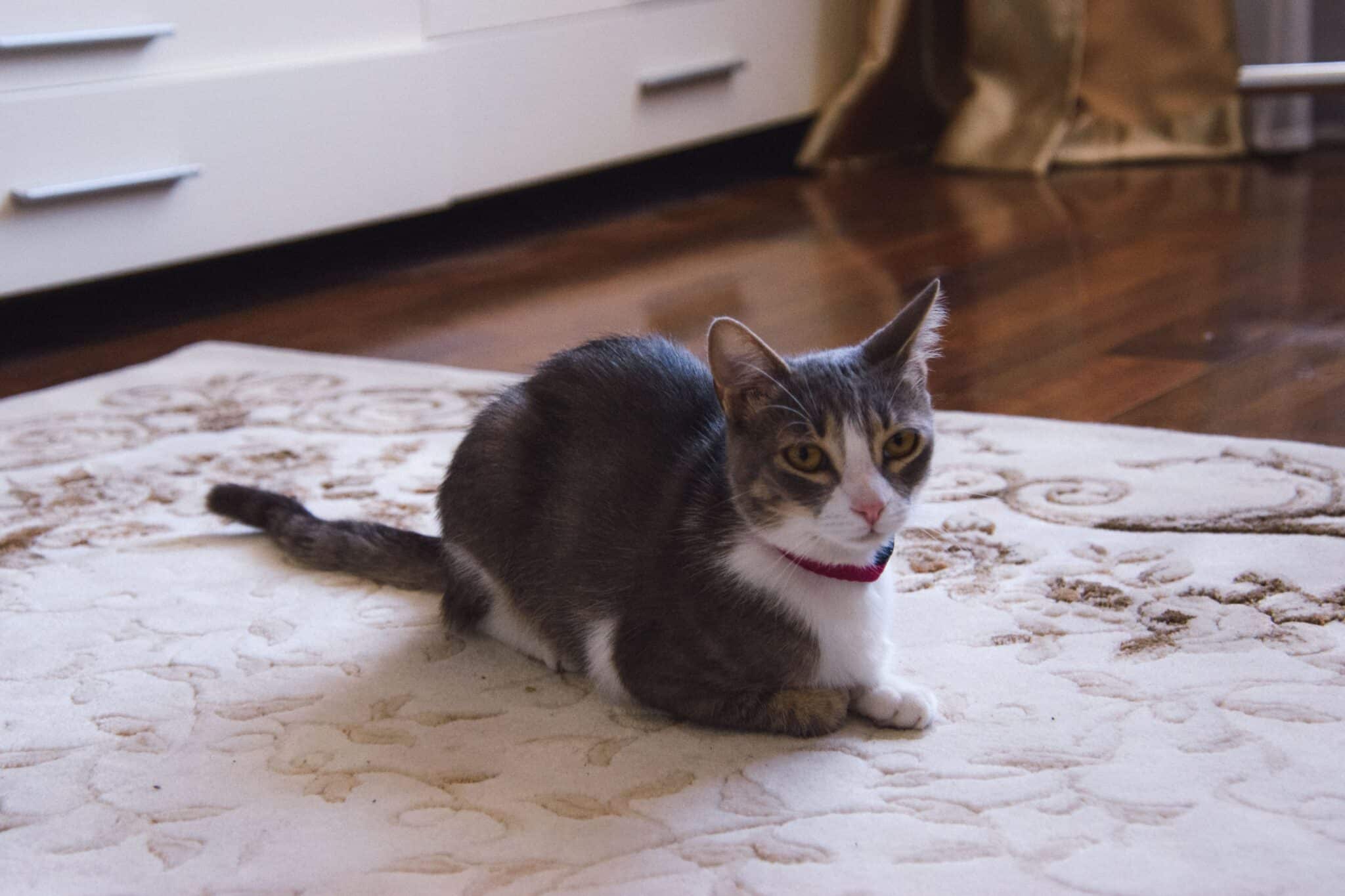
Emerging Trends in Feline Care
- Enriched Indoor Environments: Recognizing that cats are hyper-observant hunters trapped in indoor settings, modern pet product design is shifting toward interactive enrichment that stimulates their visual, auditory, and olfactory faculties.
- Stress Mitigation Strategies: Understanding that cats notice subtle shifts in routine has led to improved veterinary protocols for mitigating anxiety during household renovations, moves, or changes in family structures.
- Strengthened Communication Bridges: As owners become more literate in feline body language—such as slow blinking, ear positioning, and tail flagging—the quality of the human-animal bond continues to deepen, moving from mutual tolerance to genuine, communicative companionship.
Ultimately, the next time your cat’s ears suddenly swivel toward you from across the room, or it appears beside your desk just as you take a break, remember that you are being studied by an expert observer. Far from being indifferent housemates, cats are quiet scholars of our daily lives, mapping our routines, listening to our voices, and anchoring their world to our presence.