
Executive Overview
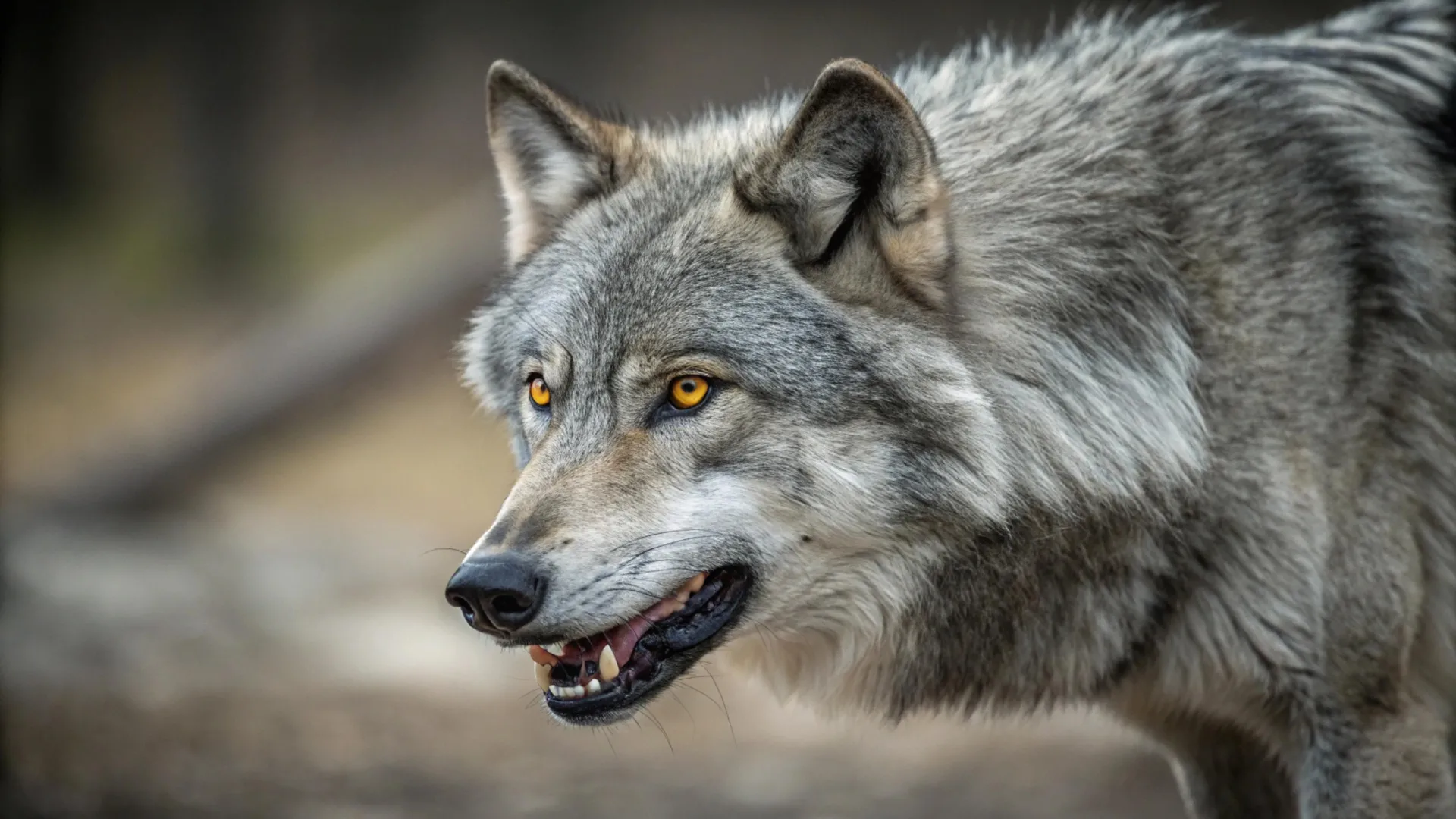
In the rugged, densely forested wilderness of Prince of Wales Island, Alaska, a profound behavioral shift is quietly unfolding along the coastline. Gray wolves (Canis lupus), traditionally recognized as apex terrestrial predators whose primary domain is the deep forest and tundra, are actively hunting and consuming marine life—specifically, sea otters (Enhydra lutris). This unexpected crossing of ecological boundaries is challenging long-held scientific assumptions about mammalian diets, apex predator adaptability, and the complex interconnectedness of terrestrial and marine food webs.
While indigenous knowledge and sporadic field observations have hinted at aquatic foraging by wolves for more than two decades, the true mechanics, ecological drivers, and physiological consequences of this behavior have remained largely unstudied. Now, a team of researchers spearheaded by Patrick Bailey, a Ph.D. candidate at the University of Rhode Island (URI), is stepping into this uncharted territory. Working within Sarah Kienle’s Comparative Ecology and Anatomy Lab (CEAL) in the Department of Natural Resources Science, Bailey is combining cutting-edge stable-isotope teeth analysis, museum archival work, and high-density trail camera deployment to decode how coastal wolves operate.
However, this evolutionary pivot toward the ocean is not without its risks. Recent findings suggest that by capitalizing on recovering sea otter populations, these coastal wolves are inadvertently exposing themselves to dangerously high levels of marine-derived methylmercury. Liver concentrations in coastal wolf populations have been recorded at up to 278 times higher than those of their inland counterparts, raising serious questions about bioaccumulation, long-term health, reproductive success, and behavioral alterations. As researchers race to analyze over a quarter of a million camera trap images and historical museum specimens, this investigation promises to rewrite our understanding of how large carnivores shape—and are shaped by—the boundaries where land meets the sea.
Detailed Chronology: Unraveling an Ecological Mystery
The documentation of marine-foraging wolves on Prince of Wales Island did not happen overnight. For years, local residents, hunters, and biologists whispered about or casually documented coastal wolves scavenging or actively hunting marine mammals. Yet, translating these anecdotes into rigorous, peer-reviewed science required a methodical, multi-phase research architecture.
Phase 1: Establishing the Foundation and Local Collaboration
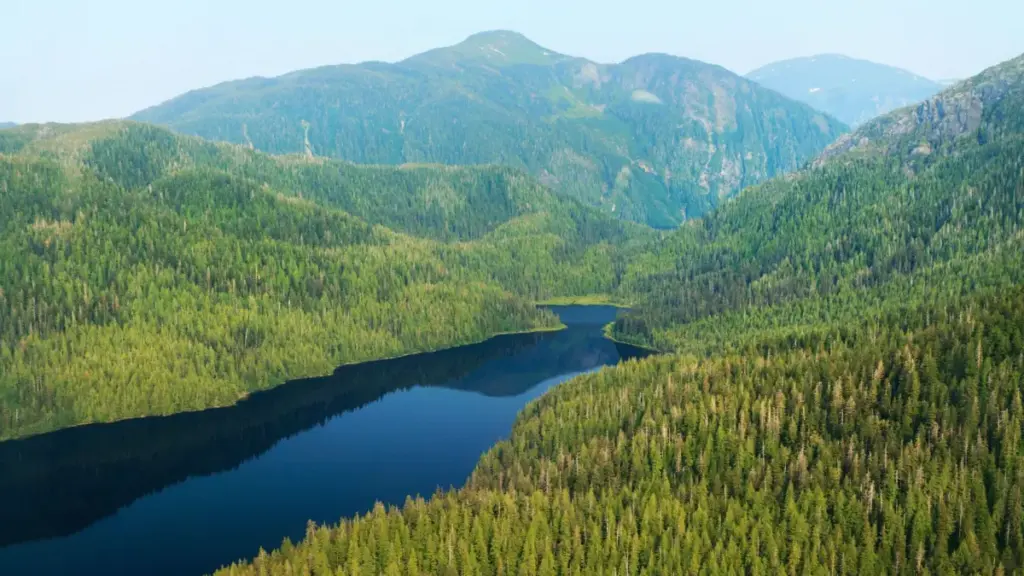
The formal scientific inquiry into this phenomenon began with the recognition that Prince of Wales Island—characterized by its rugged terrain, dense temperate rainforests, and expansive, convoluted shorelines—serves as a unique laboratory. Recognizing that outside researchers cannot hope to match decades of localized ecological intuition, Bailey forged critical partnerships with Alaska Department of Fish and Game (ADF&G) biologist Gretchen Roffler and local research technician Michael Kampnich.
Kampnich’s deep familiarity with the island’s geography and microclimates proved instrumental. Without local guidance, navigating the treacherous, highly rural terrain to deploy monitoring equipment would have been virtually impossible. This collaborative framework allowed the research team to pinpoint high-activity coastal zones where wolf tracks, sea otter haul-outs, and intertidal feeding zones intersected.
Phase 2: Deploying Technology in the Wild
Historically, capturing the exact moment a wolf secures prey in a marine environment has been plagued by poor data resolution. Previous video footage lacked the necessary clarity to determine whether wolves were actively hunting live sea otters in the surf or merely scavenging carcasses washed ashore by heavy tides.
To resolve this ambiguity, Bailey spearheaded the deployment of a specialized network of trail cameras across strategic coastal choke points on Prince of Wales Island during the summer months. These cameras were positioned specifically to monitor intertidal zones and rocky shorelines. The logistical undertaking was immense: a dedicated team of seven URI undergraduate students was recruited and rigorously trained to sort through, categorize, and analyze an astronomical data backlog of more than 250,000 images accumulated since December.
Phase 3: Unlocking the Past Through Teeth and Skull Morphology
While trail cameras capture contemporary behavior, teeth provide an evolutionary and chronological record of an individual animal’s life history. Utilizing stable-isotope analysis, Bailey began examining gray wolf teeth sourced from both museum archives and recently deceased specimens.
Much like the concentric growth rings of a tree, mammalian teeth accrue layers of dental tissue over time as the animal consumes nutrients. By isolating and sampling these microscopic layers individually, researchers can reconstruct an animal’s dietary shifts across different seasons and years. When aggregated across an entire population, these isotopic signatures reveal whether marine foraging is an isolated anomaly practiced by a few rogue animals or a widespread, culturally transmitted survival strategy.
Concurrently, Bailey expanded the temporal and geographical scope of the research by traveling to institutions like the Harvard Museum of Comparative Zoology. There, he began analyzing historical east coast wolf skull specimens—including populations from Newfoundland and Labrador—to conduct comprehensive morphological comparisons between historical coastal populations and modern inland gray wolves.
Supporting Context & Metrics: Ecosystems, Otters, and Toxins
To fully appreciate the significance of Bailey’s research, one must examine the historical baseline of the Pacific coastal ecosystem, the biology of sea otters, and the invisible chemical threats moving up the marine food chain.
+-------------------------------------------------------------------+
#           THE COASTAL BIOACCUMULATION PATHWAY                     #
+-------------------------------------------------------------------+
|                                                                   |
|   [Marine Environment / Industrial Deposition]                    |
|                        │                                          |
|                        ▼                                          |
|         [Methylmercury in Marine Organisms]                       |
|                        │                                          |
|                        ▼                                          |
|   [Sea Otters (Endangered / Recovering Apex Consumers)]           |
|                        │                                          |
|                        ▼  (High Bioaccumulation)                  |
|       [Coastal Gray Wolves (Up to 278x Inland Mercury Levels)]    |
|                        │                                          |
|                        ▼                                          |
|   [Physiological Risks: Reproduction, Health, Behavior]           |
|                                                                   |
+-------------------------------------------------------------------+
The Return of the Sea Otter
Sea otters are foundational keystones of the nearshore marine environment. Historically, their populations thrived along the entire Pacific Rim. However, during the intense maritime fur trade of the 18th and 19th centuries, commercial hunting brought sea otters to the brink of extinction.
As conservation laws took effect and reintroduction programs succeeded over the latter half of the 20th century, sea otter populations began a slow, hard-fought recovery. This demographic rebound reintroduced a high-density, calorie-rich prey base into the intertidal zones of Southeast Alaska. For adaptable, opportunistic predators like the gray wolf, the re-emergence of sea otters represents an untapped evolutionary opportunity—effectively resurrecting an ancient, dormant predator-prey dynamic that had been interrupted by human colonial expansion.
Bridging Terrestrial and Aquatic Food Webs
Ecologists have long understood that gray wolves exert "top-down" control over terrestrial ecosystems. By regulating ungulate populations like deer and elk, wolves indirectly restructure vegetation, forest composition, and even river geomorphology (as famously observed in Yellowstone National Park).
However, science has traditionally treated terrestrial and aquatic food webs as largely isolated compartments. Sarah Kienle, head of the CEAL Lab, notes that hunting in the marine realm presents entirely different biomechanical and behavioral challenges than running down a deer in a forest. Catching slippery, agile marine mammals in dynamic tidal zones requires specialized swimming skills, timing, and predatory tactics. Bailey’s research aims to prove that the trophic influence of wolves extends far beyond the tree line, creating vital nutrient and energy subsidies that flow seamlessly between the ocean and the land.
The Hidden Price of Marine Dining: Methylmercury Poisoning
While marine foraging offers an abundant caloric reward, it introduces severe physiological hazards. Recent findings led by ADF&G biologist Gretchen Roffler have uncovered alarming concentrations of methylmercury—a potent, highly bioaccumulative neurotoxin—within the coastal food web of Southeast Alaska.
Because sea otters feed heavily on benthic invertebrates such as crabs, urchins, and clams, they accumulate significant quantities of heavy metals over their lifetimes. When gray wolves systematically prey upon these marine mammals, they ingest these concentrated toxins at the top of the food chain.
Comparative necropsies and liver tissue analyses have revealed a staggering biochemical discrepancy:
- Inland Gray Wolves: Exhibit baseline, nominal levels of heavy metal accumulation typical of terrestrial environments.
- Coastal Gray Wolves: Show methylmercury concentrations in liver tissue up to 278 times higher than their inland counterparts.
This severe chemical burden poses an imminent threat to the long-term viability of coastal wolf packs. High levels of methylmercury are scientifically linked to a suite of pathological conditions, including impaired reproductive output, degraded general body condition, neurological damage, and abnormal behavioral patterns. Consequently, an evolutionary strategy that enhances short-term caloric intake may carry a devastating long-term physiological cost.
Official Statements and Expert Insights
The complexity of bridging marine ecology, mammalian behavior, and heavy metal toxicology has drawn commentary from leading researchers in the field:
-
Patrick Bailey, Ph.D. Candidate (University of Rhode Island):
"We don’t have a clear understanding of the connections between water and land food webs, but we suspect that they are much more prevalent than previously understood. Since wolves can alter land ecosystems so dramatically, it is possible that we will see similar patterns in aquatic habitats."
-
On the mechanics of the hunt:
"What hasn’t been explored, and what I am really interested in documenting, is how exactly wolves are able to capture sea otters… So far, we know that these wolves are consuming sea otters, and we’re now staged to capture the details that have previously eluded us."
-
On the challenges of fieldwork in Alaska:
"When you pair these [elusive and intelligent] traits with a landscape that is very rural and difficult to traverse, researching them becomes quite the undertaking."
-
Sarah Kienle, Assistant Professor / CEAL Lab Director (University of Rhode Island):
"Capturing and eating prey in the marine environment is very different from doing it on land. We are super curious to see if these coastal wolves have behavioral adaptations that are different from terrestrial wolves."
-
On local collaboration:
"Kampnich has been an unbelievable resource for getting us acquainted with the island and its unique ecology. Working with locals is so important because they have decades of experience and perspective that we as outside researchers simply do not have."
Future Outlook
As the research team looks toward the horizon, the scope of the Prince of Wales Island study is poised for expansion. Data collection is slated to continue across multiple years, with Bailey planning a return expedition to the rugged Alaskan field sites next summer to maintain and expand the trail camera network.
Beyond the immediate work in Southeast Alaska, future phases of the research will incorporate broader comparative analyses. Bailey intends to integrate his findings on historical eastern Canadian wolf skulls—generously provided by institutions like the Harvard Museum of Comparative Zoology—into his broader dissertation. By examining skull morphology alongside stable-isotope data, he hopes to determine whether physical adaptations distinguish coastal wolf lineages from their mainland relatives.
Ultimately, this research serves as a poignant reminder of nature’s dynamism. As historical anthropogenic pressures recede and species like the sea otter recover, ecosystems do not simply revert to static portraits of the past; they evolve. Gray wolves are proving that their predatory plasticity knows few bounds, bridging terrestrial forests and marine tides in a high-stakes ecological dance. Yet, as they tap into the ocean’s bounty, they also absorb its hidden poisons—leaving scientists with the urgent task of monitoring how these remarkable predators will navigate an increasingly complex, human-influenced world.