
Executive Overview
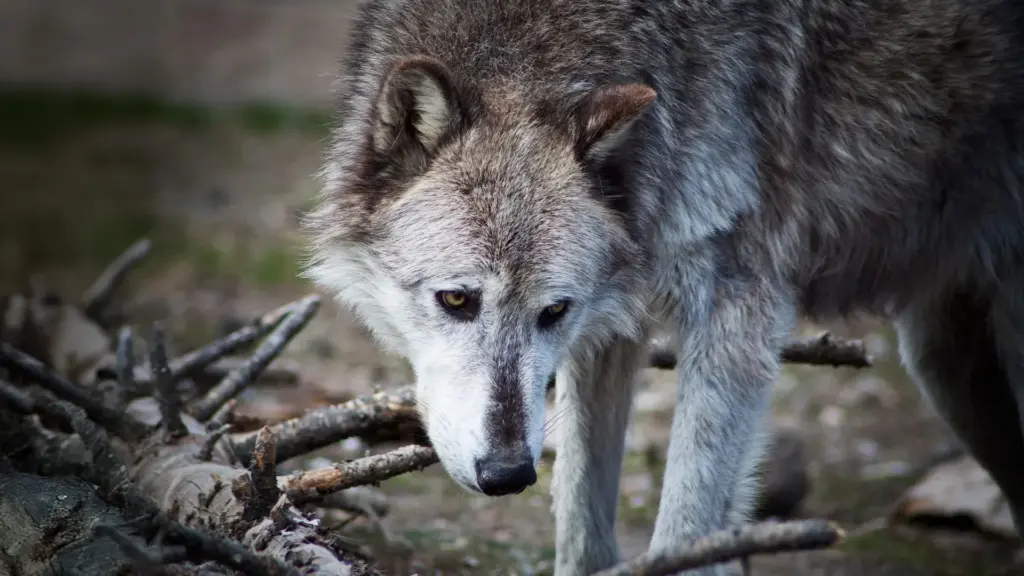
An unexpected archaeological discovery on a remote Baltic Sea island is fundamentally challenging long-held scientific assumptions about the relationship between ancient humans and wild canids. Published in the Proceedings of the National Academy of Sciences (PNAS), a landmark international study has identified wolf remains dating back roughly 3,000 to 5,000 years on Stora Karlsö, a tiny island off the coast of Sweden.
The finding is remarkable not merely because of its antiquity, but because of the profound logistical and ecological implications it carries. Stora Karlsö spans a mere 2.5 square kilometers and completely lacks native land mammals. Because wolves are biologically incapable of naturally colonizing such an isolated landmass across miles of open sea, researchers have arrived at an inescapable conclusion: prehistoric humans deliberately captured and transported these apex predators across the water by boat.
Yet, geographic relocation is only the opening chapter of this extraordinary finding. Through a combination of ancient DNA extraction, isotopic dietary analysis, and osteological examination, an interdisciplinary team of researchers from the Francis Crick Institute, Stockholm University, the University of Aberdeen, and the University of East Anglia uncovered a startling reality. Genetic testing confirmed that the specimens were pure wolves, devoid of dog ancestry. However, isotopic data revealed that these animals subsisted heavily on marine proteins—principally seals and fish—matching the dietary profile of the island’s human inhabitants. Furthermore, physical and genomic analyses revealed bodily stunting, unusually low genetic diversity, and skeletal evidence of severe injury recovery that strongly points toward direct human management, captivity, and care.
This paradigm-shifting discovery complicates the traditional, linear narrative of animal domestication. For generations, academia has viewed the human-wolf relationship primarily through the teleological lens of dog origins—the idea that wolves gradually morphed into domestic dogs solely through passive adaptation to human rubbish dumps and eventual selective breeding. The Stora Karlsö revelation exposes a forgotten, alternative chapter in human-animal history: an era where prehistoric communities captured, maintained, integrated, and cared for wild wolves in their settlements without driving them down the traditional evolutionary highway of full domestication.
Detailed Chronology & Archaeological Context
The Stora Förvar Cave: A Neolithic and Bronze Age Hub
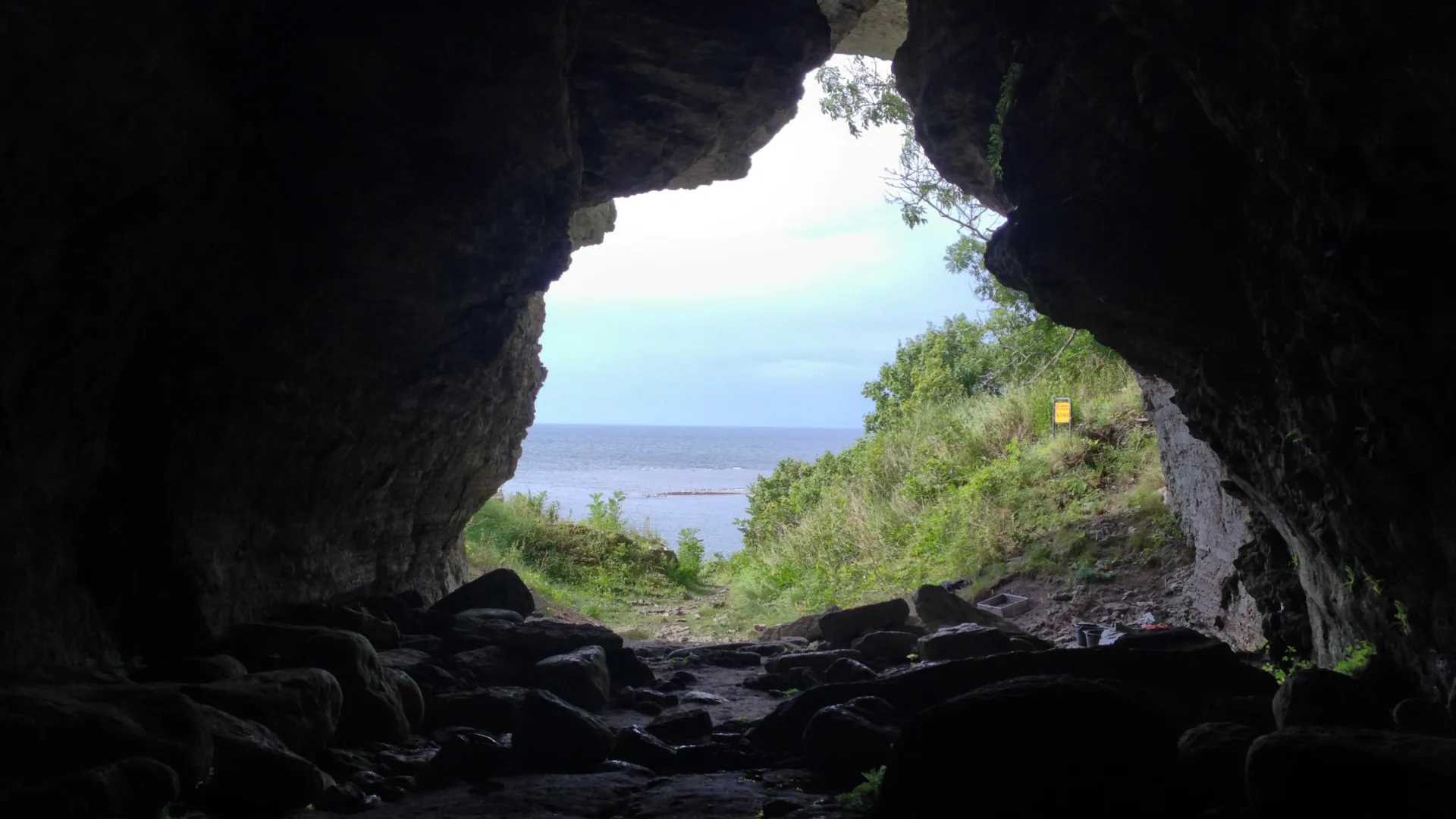
The window into this forgotten chapter of human-canid history was opened inside the Stora Förvar cave, a deep, strategically positioned archaeological site located on the limestone cliffs of Stora Karlsö. During the Neolithic and Bronze Age periods—spanning roughly from 3,000 to 5,000 years ago—this remote outpost served as an intensive seasonal basecamp for maritime hunter-gatherers, seal hunters, and fishermen.
Long before the advent of modern infrastructure, these ancient mariners navigated the choppy waters of the Baltic Sea in primitive watercraft, harvesting the rich marine bounty of the archipelago. As archaeologists sifted through the deeply stratified sediment layers of the Stora Förvar cave, they unearthed a trove of faunal remains, stone tools, and pottery. Mixed among the refuse of seals, fish, and seabirds were the bones of canids.
Initially categorized alongside typical domestic dog remains common to prehistoric Eurasian sites, these particular specimens demanded closer scrutiny due to their geographic context. Stora Karlsö is separated from mainland Gotland—itself an island—by miles of open Baltic waters. A wolf cannot swim across these icy reaches, nor can it drift across on ice floes during mild prehistoric climatic periods with any statistical probability of establishing a sustainable population. The physical presence of these animals inside the cave demanded human intervention.
The Maritime Voyage and Settlement Integration
Reconstructing how these ancient mariners transported adult or juvenile wolves across the sea paints an evocative picture of prehistoric life. Capturing a wild wolf requires immense skill, strategy, and risk. To transport such a dangerous, high-strung carnivore by boat implies a deliberate, premeditated effort. Why would ancient seal hunters risk hauling a apex predator across open water to an island with no natural prey base?
The answer lies in the lifestyle of the island’s human occupants. Stora Karlsö during the Neolithic and Bronze Ages was a slaughterhouse of marine mammals. Seals hauled out on its rocky shores by the thousands, providing an endless, rich supply of blubber, meat, and skins. For human seal hunters, processing this massive harvest generated immense quantities of surplus protein and fat—resources that could easily sustain captive carnivores.
Once brought ashore, these wolves were not kept merely as distant curiosities. Isotopic analysis of the canine bone collagen—which records the dietary intake of an animal over years—revealed a heavy reliance on marine resources. The chemical signatures embedded in the wolves’ bones matched the isotopic values of the human inhabitants who were eating seals and fish. The wolves were eating from the same tables, sharing the domestic sphere of human settlements, and depending on their human handlers for daily sustenance.
Physical and Genomic Anomalies
As researchers deepened their investigation, physical abnormalities began to emerge from the osteological data. The Stora Karlsö wolves were noticeably smaller in stature than their contemporary mainland counterparts—an anatomical shift often observed when large wild mammals are confined to island environments or restricted spaces.
More tellingly, the genomic data extracted from the preserved bone samples exposed a striking anomaly. One of the specimens possessed a completely sequenced genome revealing exceptionally low genetic diversity. This level of genomic uniformity is unprecedented for ancient wild wolf populations. It mirrors the genetic signatures found in modern isolated populations experiencing severe population bottlenecks, or in organisms that have undergone intensive, artificial selective breeding by humans.
Furthermore, paleopathological analysis of a Bronze Age wolf specimen revealed an old, severe fracture to a limb bone. In the unforgiving crucible of the wild, a major leg injury is a death sentence; an animal unable to hunt or outrun competitors quickly starves or falls prey to others. Yet, this particular wolf survived long enough for the trauma to heal extensively, leaving permanent, remodeled bone remodeling scars. This survival provides compelling evidence that the animal was sheltered, fed, and actively cared for by humans during its rehabilitation—defying the transactional, utilitarian ways we often assume ancient people interacted with wild fauna.
Supporting Context & Scientific Metrics
To fully appreciate the weight of the Stora Karlsö discovery, one must examine the methodological rigor applied by the multi-institutional research team and evaluate the quantitative markers that separate these specimens from standard archaeological canids.
Interdisciplinary Methodologies
The study relied on a powerful trifecta of scientific disciplines, bridging classical morphology with cutting-edge biomolecular technology:
- Osteology and Morphology: Detailed anatomical examination of bone structures, tooth wear, and cranial shapes to assess age, health, and species identification.
- Ancient DNA (aDNA) Analysis: Extraction of genetic material from sub-fossilized bone and tooth samples, allowing scientists to sequence whole genomes and map maternal and paternal lineages. This definitively ruled out dog ancestry, confirming 100% wolf genetic heritage.
- Stable Isotope Analysis: Measuring the ratios of carbon ($^13textC/^12textC$) and nitrogen ($^15textN/^14textN$) isotopes in bone collagen to reconstruct long-term dietary habits and trophic level placement.
Quantitative Overview of the Findings
| Metric / Parameter | Finding / Observation | Significance |
|---|---|---|
| Chronological Age | 3,000 to 5,000 years Before Present (BP) | Places the specimens firmly in the Neolithic and Bronze Age eras. |
| Geographic Isolation | 2.5 sq. km island with zero native land mammals | Proves definitive human transportation (boat transit) across open water. |
| Taxonomic Identification | Canis lupus (Pure Wolf, zero dog introgression) | Disproves the initial assumption that all managed canids of this era were domestic dogs. |
| Dietary Profile | Heavy marine protein diet (seals, fish) | Demonstrates direct sharing of human food resources and settlement provisioning. |
| Genetic Diversity | Exceptionally low genomic variance in complete genome | Points toward restricted breeding, small population sizes, or human management/selection. |
| Pathological Recovery | Healed severe limb fracture | Indicates animal care, sheltering, and relief from natural predatory pressures. |
Challenging the Domestication Paradigm
For decades, evolutionary biologists and archaeologists have utilized a relatively straightforward model for canid domestication. The prevailing hypothesis suggested that during the Late Pleistocene or early Holocene, certain bold or opportunistic wolves gravitated toward human hunter-gatherer camps to scavenge refuse. Over millennia, natural selection favored tameness, smaller jaws, and altered social cues, gradually morphing these proto-dogs into domestic companions (Canis lupus familiaris).
The Stora Karlsö discovery shatters this one-way, evolutionary inevitability. It demonstrates that the relationship between humans and wolves was not a simple, linear march toward becoming the modern domestic dog. Instead, prehistoric humans engaged in complex, experimental, and localized management strategies. They captured apex predators, isolated them on islands, fed them marine resources, integrated them into settlements, and even nursed them back to health—all without transforming them into dogs or establishing permanent lineages that survived into modern times.
Official Statements & Expert Perspectives
The profound implications of the research have drawn widespread attention from the international scientific community, highlighting the paradigm-shifting nature of the published PNAS study.
Dr. Linus Girdland-Flink of the University of Aberdeen, a co-lead author of the research, emphasized the psychological and cultural complexity revealed by the data:
"The discovery of these wolves on a remote island is completely unexpected. Not only did they have ancestry indistinguishable from other Eurasian wolves, but they seemed to be living alongside humans, eating their food, and in a place they could only have reached by boat. This paints a complex picture of the relationship between humans and wolves in the past."
Pontus Skoglund, senior author of the study from the Ancient Genomics Laboratory at the Francis Crick Institute, underscored how the findings challenge established historical frameworks:
"It was a complete surprise to see that it was a wolf and not a dog. This is a provocative case that raises the possibility that in certain environments, humans were able to keep wolves in their settlements, and found value in doing so."
Detailing the genetic anomalies found within the specimens, Anders Bergström of the University of East Anglia and co-lead author highlighted the uniqueness of the genomic data:
"The genetic data is fascinating. We found that the wolf with the most complete genome had low genetic diversity, lower than any other ancient wolf we’ve seen. This is similar to what you see in isolated or bottlenecked populations, or in domesticated organisms. While we can’t rule out that these wolves had low genetic diversity for natural reasons, it suggests that humans were interacting with and managing wolves in ways we hadn’t previously considered."
Finally, Jan Storå, Professor of Osteoarchaeology at Stockholm University, summarized the overarching triumph of combining multiple scientific techniques to rewrite history:
"The combination of data has revealed new and very unexpected perspectives on Stone Age and Bronze Age human-animal interactions in general and specifically concerning wolves and also dogs. This points to a forgotten chapter in the history of humans and wolves, one that hints at experiments in coexistence that never ultimately produced the dogs we know today."
Future Outlook & Unresolved Questions
As the scientific community digests the revelations emerging from the Stora Karlsö cave, the study opens up critical new avenues for archaeological and genetic research across the globe. While the Baltic Sea discovery is unprecedented in its clarity, researchers are left with a series of compelling, unresolved questions that will shape the trajectory of ancient human-animal studies for years to come.
Unlocking the "Why": Utility vs. Companionship
The most pressing question centers on the exact motivation behind these ancient human-wolf experiments. Why go through the dangerous and logistically difficult process of capturing wild wolf pups or adults, transporting them across open water, and provisioning them with prime seal meat?
- Guarding and Security: Did these captive wolves serve as perimeter guards for seal-hunting camps, protecting stored provisions and human groups from rival human clans or other predators?
- Hunting Partners: Were the wolves utilized to flush, track, or corner prey during seasonal inland excursions?
- Symbolic or Spiritual Roles: Did these apex predators hold ritualistic, totemic, or religious significance within Neolithic and Bronze Age belief systems, much like bears or raptors in other ancient cultures?
- Status and Prestige: Did maintaining a captive wolf serve as a display of tribal dominance, raw power, or technological prowess among maritime hunter-gatherer elites?
Global Re-Evaluation of Faunal Collections
In light of the Stora Karlsö findings, archaeological curators and osteoarchaeologists worldwide are beginning to re-examine previously cataloged canid remains from other Stone Age and Bronze Age sites. For decades, the default assumption in zooarchaeology has been that small or anomalous canid bones found in human settlements belong either to domestic dogs or wild wolves that wandered into camps and were killed.
Researchers are now deploying ancient DNA sequencing and stable isotope analysis on archived bone collections across Europe, Asia, and the Americas. The central hypothesis driving this new wave of investigation is simple: Stora Karlsö may not be an isolated anomaly. If prehistoric humans were managing captive wolves in the Baltic, similar localized experiments in human-wolf coexistence may have occurred across diverse geographic and cultural landscapes, leaving hidden genomic and isotopic footprints waiting to be uncovered.
The Evolutionary Dead Ends of Coexistence
Ultimately, the Stora Karlsö wolves represent an evolutionary dead end—a fascinating, localized experiment in human-animal symbiosis that did not give rise to modern domestic dog breeds. These island populations vanished over time, leaving behind only their sub-fossilized bones in the limestone layers of the Stora Förvar cave.
Yet, this failure does not diminish their historical significance. History is written by the victors, but archaeology preserves the experiments that failed. By uncovering this forgotten chapter of human-wildlife interaction, science is reminded that our ancestors’ relationships with the natural world were far more fluid, experimental, and nuanced than our modern taxonomies suggest. Long before civilization standardized the domestic dog, ancient humans and wild wolves shared firesides, boat journeys, and meals on windswept islands—proving that the boundary between human society and the untamed wilderness has always been porous, dynamic, and full of surprising intimacy.