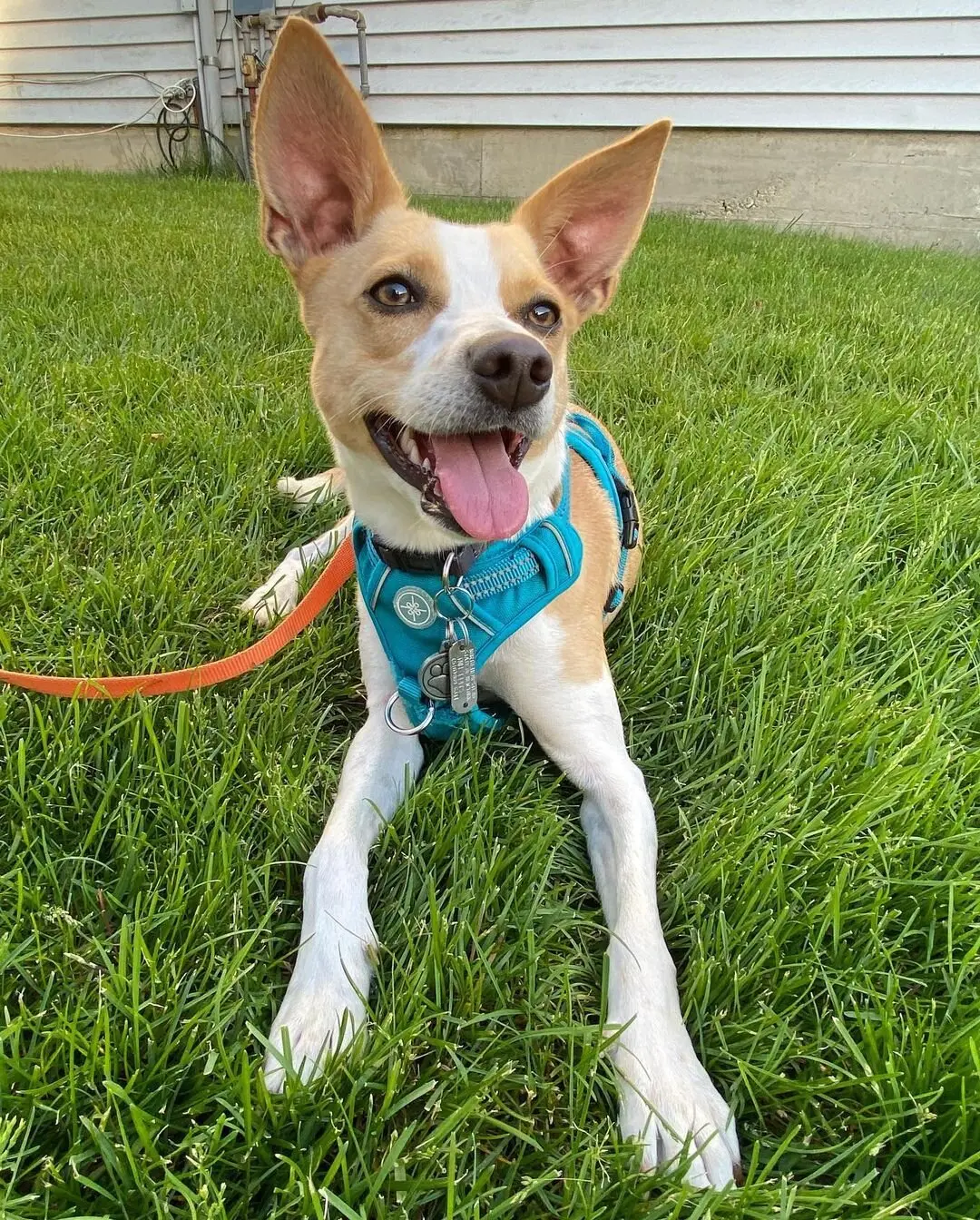
The decision to adopt a rescue dog is frequently fueled by romanticized visions of immediate canine companionship: idyllic weekend hikes, warm cuddling sessions on the couch, and a devoted shadow following you from room to room. However, the reality of transitioning a shelter animal—or even a young puppy—into a domestic household is often a complex, demanding, and emotionally taxing process.
To bridge the gap between romantic expectation and hard-earned reality, rescue organizations and experienced pet parents are increasingly emphasizing transparency. Recently, adoption communities have turned inward, surveying experienced adopters to compile a definitive guide on what they wish they had known before bringing their dogs home. From the psychological phenomenon of the "puppy blues" and the hidden logistics of urban pet ownership to the logistical hurdles of pet insurance and behavioral regression during canine adolescence, these firsthand accounts serve as an essential roadmap.
This report synthesizes these insights, offering a comprehensive look into the true dynamics of pet adoption, practical preparation strategies, and the systemic shifts organizations are making to support modern pet parents.
Detailed Chronology: The Phases of Canine Integration
Understanding the timeline of a rescue dog’s integration into a new home is critical for managing expectations. Behavioral specialists often refer to structured milestones that dictate how a dog processes environmental stress, builds trust, and reveals its true personality.
Days 1–7: The Decompression Phase and Overload
During the initial week in a new environment, a rescue dog is typically in a state of sensory overload. Having been moved from a shelter, foster home, or transport vehicle into a completely alien landscape, the dog’s adrenaline levels are high.
Behavioral indicators: Some dogs may appear exceptionally quiet, "well-behaved," or withdrawn. Others may experience acute anxiety, digestive upset from dietary changes or scavenging (especially in urban environments like New York City), and initial sleep disruptions.
The Adopter’s Experience: New owners frequently panic during this window, questioning whether they made the right choice or if they are compatible with the animal.
Weeks 2–4: Boundary Testing and Evolving Personality
As the adrenaline recedes and the dog begins to feel slightly more secure, the veneer of hyper-compliance often fades.
Behavioral indicators: Dogs start testing boundaries. Behaviors that were suppressed due to fear or uncertainty—such as resource guarding, jumping, or vocalization—may emerge.
The Adopter’s Experience: Routine becomes vital. Adopters note that this is the period where they must actively resist reinforcing undesirable behaviors simply because they appear "cute" in a small puppy, knowing those habits will become problematic when the dog reaches full size.
Months 1–3: The Real Dog Emerges
By the end of the first month, and extending through month three, the dog’s authentic personality fully surfaces.
Behavioral indicators: Confidence grows. The animal understands the daily rhythm of the household, recognizes its primary caregivers, and begins expressing individual quirks, preferences, and triggers.
The Adopter’s Experience: Cohesiveness improves, but consistency is continuously tested. Adopters report that what worked for a bathroom or feeding schedule in month one may need adjustment by month three as the dog’s energy levels and maturity shift.
Months 7–12: Canine Adolescence
For those who adopt young puppies, this timeframe introduces a notoriously challenging developmental stage.
Behavioral indicators: Often called "puppy adolescence," dogs between seven months and one year of age frequently exhibit behavioral regression. Commands that were previously mastered may be ignored, and independent streakiness peaks.
The Adopter’s Experience: Adopters often feel that their dog has suddenly "broken." Recognizing that this is a temporary, biologically normal phase—akin to human teenage years—is vital to preventing surrender or frustration-driven mistakes.
Supporting Context & Perspectives: Lessons from the Adoption Frontlines
The unfiltered reflections of experienced adopters provide invaluable qualitative data on the hidden labor of dog ownership. Their insights span behavioral expectations, financial preparedness, and partnership dynamics.
1. Behavior and Reinforcement: The Cute Trap
One of the most common pitfalls highlighted by adopters is the inadvertent reinforcement of unwanted behaviors. When a small puppy jumps up, nibbles on fingers, or vocalizes for attention, it is frequently dismissed as harmless or endearing.
"I wish someone had told me not to reinforce bad behavior because it’s cute. It won’t be cute when they’re 55 lbs and still not fully grown!" — Christine, adopter of Mia & Luka.
Behaviorists note that consistency from day one is non-negotiable. Allowing exceptions based on size or age sets both the dog and the owner up for future behavioral remediation struggles.
2. The Myth of Instantaneous Bonding
Media portrayals of rescue often feature an instant, cinematic bond between owner and pet. In practice, attachment is reciprocal and incremental.
Katlyn (adopter of Cricket):"One thing I wish I knew not to do was to think that my dog would immediately be attached to me and vice versa! I had a few moments of panic where I wondered if we were right for each other. I now realize that like with people, dogs take time to build a relationship with."
Alex (adopter of Paddles):"Dogs take a while to settle in and their personality really evolves over the first few weeks and months. You might not be completely head over heels in love and you might be frustrated until you get into a routine, but it will come!"
3. The Reality of Urban and Winter Housetraining
Logistics vary dramatically depending on geography and housing type. Adopters transitioning from suburban environments with backyards to vertical city living face steep learning curves.
"We did not realize how often you have to take a puppy out, especially during the dead of the winter. For those adopters like myself who grew up outside of NYC with a backyard, housetraining is very, very different… You physically have to go outside down the stairs or elevator with the dog and stand outside in the freezing cold begging this little puppy to please pee or poop for you." — Inky, adopter of Banjo.
4. Decoding "High Energy" and Managing Expectations
Terms like "high energy" or "active breed" are frequently underestimated by prospective adopters.
"I didn’t realize exactly what ‘high energy’ meant as a trait in a dog. I thought that meant maybe adding a couple extra miles to our walks each day. But having a high energy dog means ensuring your dog is mentally and socially stimulated. Roo requires a strict routine, and a lot of time goes into ensuring she gets enough exercise." — Chloe, adopter of Roo.
Similarly, projected fantasies—such as long hiking trips, visiting bustling friend gatherings, or playing endless games of fetch—often collide with individual canine medical or psychological realities. Dogs with severe motion sickness, anxiety-induced bathroom issues, or noise phobias require customized lifestyle adjustments rather than forced participation in high-stress activities.
5. Professional Support, Time Off, and Financial Preparedness
Adopters universally emphasize that structural preparation can make or break the adoption experience:
Time Allocation: Rachelle (adopter of Milo) notes the critical mistake of failing to take adequate time off work. "You can’t just get a dog and hope that he’ll be fine on his own when you go off to work… There was a lot of separation anxiety to work through, and we probably set training back by months just by continuously leaving our dog home alone to ‘cry it out’."
Pet Insurance: Amanda (adopter of Lucy) warns against delaying insurance coverage. Finding a medical anomaly shortly after adoption—only to discover that waiting a mere month has disqualified the condition as a "pre-existing issue"—is a costly and heartbreaking oversight.
Proactive Training: Ilona (adopter of Zadie and Levi) stresses the value of engaging professional trainers before issues escalate. "I wish I had thought to pick out a trainer and learn more about dog psychology and behavior long before adopting… The cost is so worth it!"
Official Statements & Systemic Evolution
Animal rescue organizations are actively listening to adopter feedback and adapting their operational models to address these very challenges. Progressive shelters are moving away from rigid, idealized adoption paradigms and embracing educational transparency and flexible support structures.
The Psychological Phenomenon of the "Puppy Blues"
Organizations are increasingly validating the emotional toll placed on new owners. The term "puppy blues"—characterized by acute anxiety, sleep deprivation, grief over lost personal freedom, and self-doubt during the first two weeks—is now openly discussed by rescue coordinators. By normalizing these feelings, communities like Muddy Paws Rescue (MPR) help adopters navigate the psychological valley of transition without resorting to premature surrenders.
Modernizing Adoption Frameworks
To accommodate the nuanced realities of modern lifestyles, rescue groups are innovating their placement programs:
Flex Adoption Programs: Recognizing that many potential pet parents hesitate due to rigid long-term commitments or scheduling uncertainties, organizations have introduced trial-based or "flex" placement options. These initiatives provide structured interim periods that allow adopters and dogs to test compatibility under real-world conditions.
Streamlined Registration and Matching: Digital intake and modern registration processes are being refined to capture lifestyle data more accurately, ensuring that high-energy dogs are matched with appropriately active households, and first-time owners receive realistic briefings on urban care logistics.
Removing Breed Labels: In a significant systemic shift, many forward-thinking rescue organizations are abandoning visual breed labels for mixed-breed dogs. Because visual identification is notoriously inaccurate—and frequently burdened by housing restrictions or societal stigma—removing these labels encourages adopters to evaluate individual dogs based on behavior, temperament, and personal compatibility rather than speculative ancestry.
Future Outlook: Preparing the Next Wave of Adopters
As the pet adoption landscape evolves, the focus is shifting decisively from volume-based placements to quality, sustainable matches supported by lifetime education.
Future prospective adopters can expect greater emphasis on pre-adoption counseling that covers:
Financial Forecasting: Clear breakdowns of veterinary inflation, emergency care costs, and the absolute necessity of day-one pet insurance.
Environmental Auditing: Realistic assessments of apartment living, elevator logistics, local weather extremes, and walking route hazards (such as urban scavenging).
Behavioral Literacy: Mandatory baseline education on decompression timelines, canine body language, and adolescent regression phases.
Ultimately, bridging the gap between expectation and reality benefits everyone involved. By stripping away the romanticized mythologies of pet ownership and replacing them with honest, peer-tested guidance, rescue organizations are fostering more resilient relationships—ensuring that when adopters commit, they are equipped to handle not just the joy of the journey, but the hard work required to sustain it.