
Executive Overview
That sharp, sudden jolt of discomfort triggered by a sip of morning coffee, a bite of ice cream, or even a deep breath of crisp winter air is a universally jarring experience. What often begins as a sporadic, fleeting nuisance can gradually morph into a persistent burden, reshaping daily routines, dictating dietary choices, and eroding the natural confidence of a smile. While tooth sensitivity is frequently dismissed as a minor inconvenience, it functions as a primary biological warning system. It indicates that the robust, protective outer defenses of the tooth have been compromised, exposing the highly sensitive inner networks to external stimuli.
Modern general dentistry offers sophisticated diagnostic pathways and targeted, non-invasive interventions to resolve this discomfort. Beyond merely masking symptoms, contemporary practitioners focus on identifying the precise physiological triggers—ranging from microscopic enamel erosion and aggressive brushing habits to deep-seated structural micro-fractures, periodontal recession, and dental caries. Furthermore, as aesthetic demands evolve alongside clinical necessity, modern patients frequently integrate functional care with cosmetic enhancements, exploring advanced treatments like porcelain dental veneers in Wichita Falls to simultaneously restore structural integrity and visual harmony.
This investigative report explores the root causes of tooth sensitivity, examines how professional evaluations decode complex clinical presentations, details the spectrum of evidence-based treatments, and provides a forward-looking perspective on oral health maintenance.
Detailed Chronology: The Evolution of Dental Sensitivity and Clinical Intervention
Understanding how a healthy tooth transforms into a hypersensitive nerve conduit requires examining the progressive breakdown of dental anatomy over time. The chronology of sensitivity is rarely instantaneous; rather, it is a sequence of biological wear, environmental exposure, and structural compromise.
Stage 1: The Integrity of Healthy Enamel and Cementum
In an optimal biological state, the crown of the tooth is encased in dental enamel—the hardest mineralized substance in the human body. Enamel contains no living cells or nerve endings, acting as an impenetrable shield against thermal, mechanical, and chemical pressures. Below the gumline, the tooth root is covered by a specialized mineralized tissue called cementum, which is further insulated by healthy, tightly adhered gingival tissue.
Stage 2: The Onset of Vulnerability (Micro-Abrasion and Early Loss)
Over months and years, cumulative stressors begin to compromise this natural armor. Chronic mechanical friction—often resulting from abrasive toothpastes, hard-bristled toothbrushes, or the unconscious nocturnal grinding known as bruxism—gradually thins the enamel layer. Simultaneously, aggressive brushing techniques or mild, progressive periodontal inflammation can cause the gingiva to recede. This recession strips away the protective cementum, exposing the underlying dentin of the root surface.
Stage 3: The Dentin-Tubule Pathway
Dentin is fundamentally different from enamel; it is permeated by thousands of microscopic, fluid-filled channels known as dentinal tubules. These microscopic pathways extend directly from the outer surface of the tooth inward toward the dental pulp, which houses the central nerve endings and blood vessels. When dentin is exposed to the oral environment, thermal fluctuations (hot and cold), osmotic shifts (sweet and acidic foods), and mechanical pressure cause the fluid within these tubules to shift rapidly. This hydrodynamic movement stimulates nerve receptors inside the pulp, transmitting a sharp, distinct pain signal to the brain.
Stage 4: Professional Intervention and Remineralization
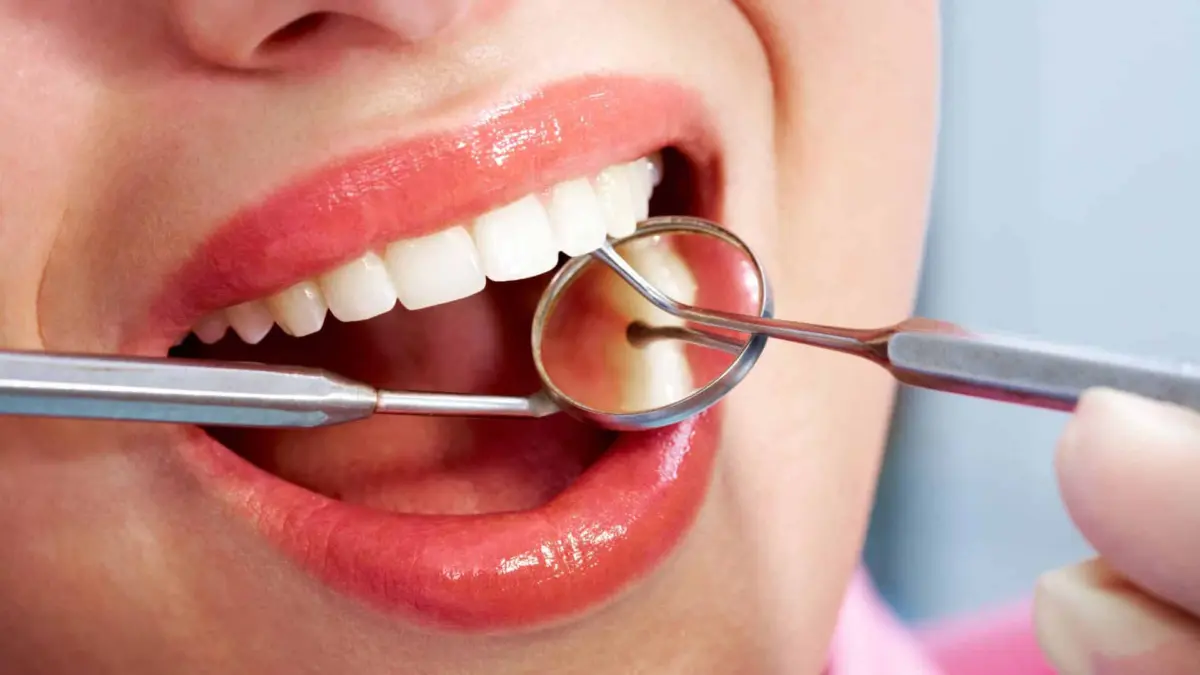
When patients cross the threshold from mild discomfort to chronic avoidance behaviors—such as chewing only on one side of the mouth or entirely eliminating favorite foods—clinical intervention becomes necessary. A professional dental evaluation halts this progression. Through targeted diagnostics, a general dentist isolates the specific etiological factor, applies desensitizing agents, restores structural breaches with advanced bonding or composite resins, and establishes a personalized regimen to promote remineralization before irreversible pulpal inflammation occurs.
Supporting Context & Metrics: Prevalence, Triggers, and Analytical Insights
Tooth sensitivity, clinically referred to as dentin hypersensitivity, is a remarkably widespread public health concern. Epidemiological studies indicate that it affects anywhere from 10% to 30% of the adult population at any given time, with peak incidence frequently occurring between the ages of 20 and 50. Women are statistically more likely to report symptoms than men, a variance often attributed to differing oral hygiene habits, hormonal fluctuations affecting periodontal tissue, and reporting behaviors.
To contextualize the multifaceted nature of dental sensitivity, clinical observations and diagnostic data highlight several key categories of causation:
- Enamel Erosion via Dietary Acidity: Frequent consumption of carbonated soft drinks, citrus fruits, vinegar-based dressings, and sports drinks systematically lowers the pH of the oral cavity. This chemical softening leaves enamel acutely vulnerable to mechanical abrasion.
- Gingival Recession Mechanics: Periodontal disease, natural aging, and traumatic toothbrushing account for the exposure of root surfaces in over 50% of older adults, making root dentin hypersensitivity a predominant geriatric oral health issue.
- Iatrogenic Factors: Recent dental procedures—such as professional teeth whitening, orthodontic tooth movement, or the placement of new restorations—can temporarily inflame the dental pulp, resulting in acute, localized post-operative sensitivity that typically resolves within a predictable timeframe.
Comparative Analytical Framework: Managing Sensitivity
| Approach | Primary Mechanism | Target Clinical Scenario | Limitations & Constraints |
|---|---|---|---|
| Desensitizing Toothpastes | Blocks neural transmission in tubules via potassium nitrate or occludes tubules via stannous fluoride. | Mild, generalized sensitivity from enamel wear or minor root exposure. | Requires consistent daily use over 2 to 4 weeks; ineffective against structural cracks or deep caries. |
| Soft-Bristled / Modified Technique | Prevents further mechanical abrasion of compromised enamel and receding gums. | Prevention-focused management and patients exhibiting aggressive brushing habits. | Does not repair pre-existing structural damage or reverse advanced dentin exposure. |
| Dietary Modification | Reduces chemical dissolution of enamel by limiting prolonged acid exposure. | Early-stage acid erosion and prevention of chemical softening. | Fails to address underlying mechanical wear, bruxism, or structural defects. |
| Professional Clinical Care | Targeted resin bonding, fluoride varnish application, professional desensitizers, or restorative crowns. | Ongoing, severe, localized, or unexplained sensitivity requiring structural intervention. | Requires in-office procedural visits and financial investment, but offers definitive diagnosis and resolution. |
Official Statements and Authoritative Health Perspectives
To address oral health challenges effectively, major scientific and governmental health bodies emphasize the importance of professional diagnosis over trial-and-error home remedies.
The National Institute of Dental and Craniofacial Research (NIDCR) stresses that dental pain—including acute sensitivity—is an unambiguous indicator of underlying biological stress or pathology. According to NIDCR clinical communications, individuals experiencing persistent oral discomfort should avoid relying exclusively on over-the-counter palliative products if symptoms persist beyond a few days. Masking the symptoms of an underlying structural failure, such as an undetected root fracture or an advancing carious lesion, can allow bacteria to penetrate the dental pulp, ultimately necessitating more complex endodontic therapy (root canal treatment) or tooth extraction.
Furthermore, academic institutions such as Columbia University College of Dental Medicine highlight the complex hydrodynamic nature of dentin hypersensitivity in their patient care literature. Dental experts underscore that because multiple distinct etiologies can produce identical pain profiles—a sharp stab triggered by cold air, for instance—a differential diagnosis by a trained clinician is indispensable. A general dentist systematically rules out cracked tooth syndrome, marginal leakage around older restorations, and active periodontal attachment loss before formulating a customized therapeutic strategy.
Future Outlook: The Next Generation of Dental Diagnostics and Restorative Care
As dental technology continues to evolve at a rapid pace, the future of managing tooth sensitivity points toward regenerative medicine, advanced bio-materials, and minimally invasive diagnostics.
Regenerative Bio-Materials and Remineralization
Traditional treatments for sensitivity have focused primarily on blocking dentinal tubules or deadening nerve responses. Emerging clinical research, however, centers on true bio-mineralization. Scientists are developing advanced bioactive glasses and peptide-infused formulations that actively recruit minerals from saliva to synthesize a natural, hydroxyapatite-like mineral layer over exposed dentin. This effectively seals the microscopic tubules permanently, restoring the structural integrity of the tooth surface rather than offering a temporary chemical blockade.
Precision Diagnostics and Imaging
The integration of high-resolution intraoral scanners, laser fluorescence caries detection, and cone-beam computed tomography (CBCT) imaging is transforming how general dentists evaluate structural compromises. Clinicians can now visualize micro-fractures and subtle occlusal imbalances long before they manifest as catastrophic structural failures or severe pulpal infections. This predictive capability allows for early, conservative interventions—such as minor occlusal adjustments, custom-fitted night guards for bruxism, or precise composite bonding—that preserve natural tooth structure and eliminate sensitivity at its genesis.
Ultimately, navigating tooth sensitivity successfully requires abandoning the mindset of mere endurance. Modern dental science demonstrates that discomfort is a solvable mechanical and biological puzzle. By partnering with a qualified general dentist for a comprehensive evaluation, patients can transition from managing chronic, unpredictable pain to enjoying a comfortable, resilient, and structurally sound smile for decades to come.