
Executive Overview
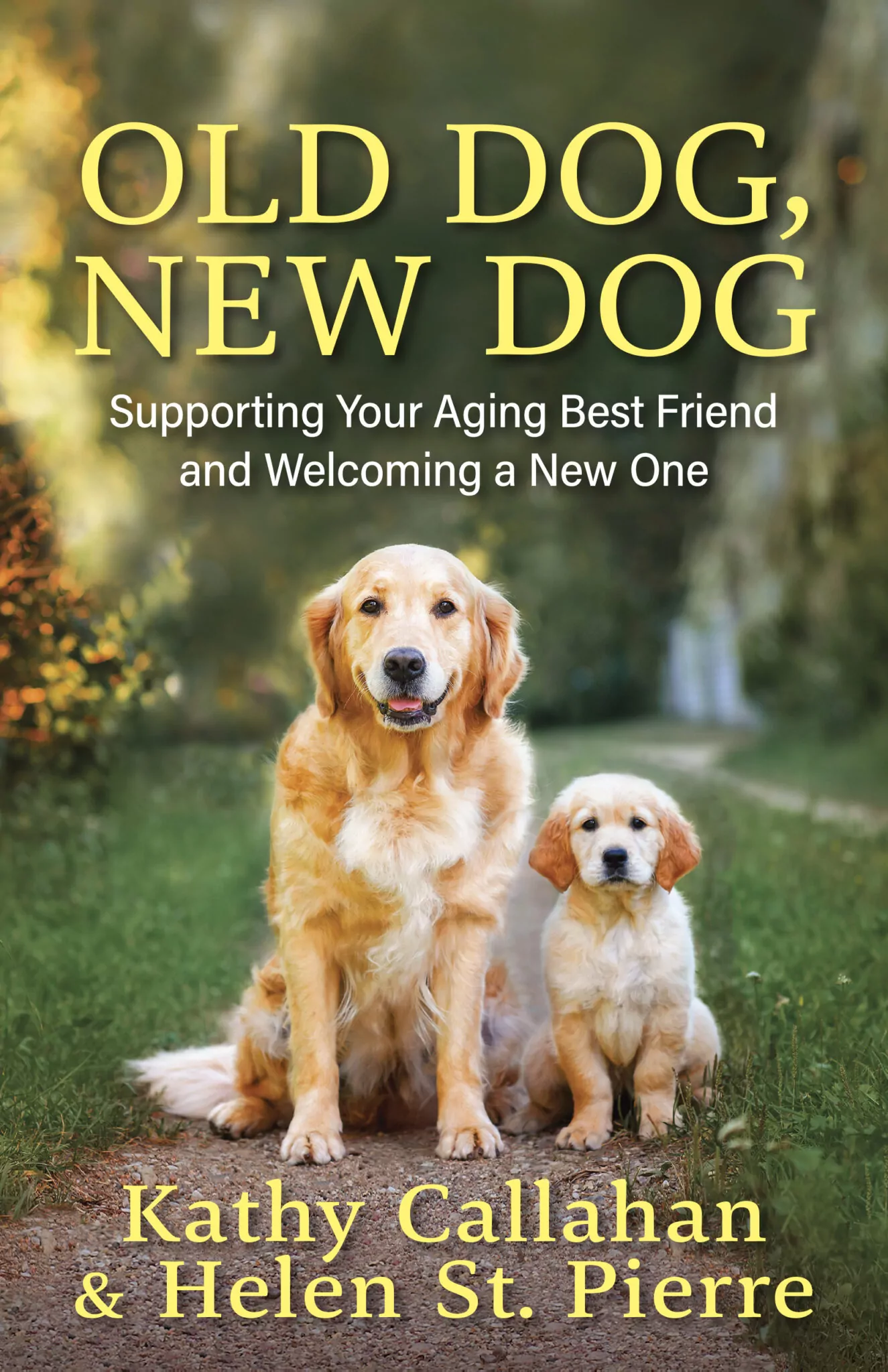
The intersection of canine behavior, geriatric animal care, and household dynamics represents one of the most delicate balancing acts in pet ownership. A newly published manual, Old Dog, New Dog: Supporting Your Aging Best Friend and Welcoming a New One, written by industry authorities Kathy Callahan and Helen St. Pierre, provides an essential roadmap for pet parents navigating these complex transitions. Co-authored by two of the most respected names in modern animal behavior and care—Callahan, founder of PupStart, and St. Pierre, the driving force behind Old Dogs Go To Helen—the book addresses a critical gap in contemporary veterinary and training literature: how to seamlessly honor the needs of a senior dog while integrating the chaotic, high-energy presence of a puppy.
Beyond the literary review, this dispatch captures a broader reflection on the realities of multi-generational animal husbandry, farm management, and local ecology. Drawing from observations at a rural homestead featuring sheepdog training sessions, local pollinator conservation dynamics, and puzzling localized wildlife behavior, this report offers both professional guidance for animal caretakers and an intimate glimpse into the rhythms of rural stewardship.
Detailed Chronology & Review of Old Dog, New Dog
The Genesis of a Crucial Resource
The decision to introduce a puppy into a household with an established, elderly canine is rarely straightforward. Too often, families act on impulse, seeking to soften the impending grief of losing an aging companion by introducing the vibrant energy of youth. According to Callahan and St. Pierre, this dynamic frequently precipitates household stress, behavioral friction, and unintended emotional neglect of the senior pet.

Old Dog, New Dog systematically deconstructs this process. The book is organized into intuitive chapters that address both ends of the canine lifespan spectrum. Rather than serving merely as a training manual, it functions as a psychological and logistical guide for pet owners facing the emotional weight of aging companions.
"Savoring the Sunset": Caring for the Aging Canine
For many long-time dog owners, the most impactful section of the book is Chapter 4, provisionally highlighted by reviewers as "Savoring the Sunset." This segment tackles the intricate physical and cognitive needs of geriatric canines. As dogs reach advanced ages—exemplified by long-lived companions such as a 12.5-year-old dog named Maggie and an 8.5-year-old dog managing cardiac issues—their daily requirements shift dramatically.
The authors provide a nuanced, deeply compassionate framework for evaluating quality of life. Crucially, the text addresses the agonizing calculus of elective euthanasia versus waiting for a natural passing. By breaking down the clinical and emotional indicators of decline, the authors aim to spare older dogs from enduring painful, protracted deaths, offering owners clear metrics for compassionate decision-making.

"Welcoming a Puppy": Managing the Tsunami of Youth
Conversely, the chapters dedicated to puppy integration do not sugarcoat the reality of bringing a new canine into the fold. The authors capture the sensory overload, sleep deprivation, and operational chaos that accompany early puppyhood.
A standout takeaway from this section involves the logistical impossibility of walking a frail senior dog and an unruly, curious puppy simultaneously on a standard sidewalk. The authors deliver a blunt, highly pragmatic verdict: "You’ll get really frustrated and come home and exclaim ‘This is impossible!’ You’ll be correct." The manual insists on the necessity of separate walking routines—a logistical demand that owners must honestly evaluate against their daily schedules.
Supporting Context & Metrics: The "Bandwidth" and Mortality Frameworks
When industry experts are asked to distill their decades of experience into a single, defining question for prospective multi-dog households, their answers reveal the profound psychological weight of the decision.

Kathy Callahan on "Bandwidth"
When posed with an elevator-pitch scenario regarding the addition of a puppy to a senior household, Kathy Callahan centers her evaluation on a single metric: human bandwidth.
- "What is your bandwidth when it gets challenging?" she asks.
This inquiry transcends simple scheduling; it speaks directly to crisis management capacity. The realities of multi-dog households are rarely linear. Typical scenarios include:
- The senior dog tolerating the puppy up to an arbitrary threshold, followed by sudden, sharp boundary-setting.
- The relentless, boundary-testing persistence of a young canine who refuses to leave the elder in peace.
- Simultaneous medical crises, such as a puppy contracting a parasitic infection like giardia precisely when the senior dog requires intensive palliative care.
The text emphasizes that these challenges do not automatically disqualify a household from getting a puppy, but they require a brutally honest inventory of the owner’s "crisis tank."

Helen St. Pierre on the Reality of Death
Helen St. Pierre approaches the decision tree through an even more direct emotional lens, asking prospective owners: "How do you feel about death?"
Many individuals utilize puppies as an emotional hedge against the impending loss of a lifelong companion. While introducing a puppy can inject a welcome spark of joy into a grieving household, owners must recognize a critical distinction: A puppy might be good for you, but is it good for your dog?
Behavioral observations underscore this warning. While certain senior dogs experience a cognitive and emotional revitalization when interacting with well-matched puppies, others experience acute stress. For instance, a senior dog confronted with an overbearing visitor may display non-aggressive yet unmistakable signs of withdrawal—a baleful look followed by a quiet retreat. Reading these subtle signals is paramount to preserving the peace and dignity of an aging pet’s final chapters.

Official Insights & Expert Perspectives
In addition to its structured chapters, Old Dog, New Dog benefits from the collaborative rapport of its authors. Conversations with Callahan and St. Pierre reveal a shared philosophy grounded in empirical behaviorism balanced with deep empathy for both human and animal psychology.
Beyond the text, experienced animal handlers often identify minor tactical additions that enhance the transition process:
- Neutral-Ground Introductions: Whenever feasible, initial meetings between a newly arrived puppy and an established senior dog should occur outdoors on neutral ground to minimize territorial friction.
- Post-Mortem Autonomy for Surviving Pets: In the event of a senior dog’s passing, allowing surviving canine companions to inspect and spend time with the deceased body—provided it is done safely and without causing undue distress to the human owner—can significantly aid the survivor’s psychological adaptation and comprehension of loss.
- The Senior Alternative: Both authors and seasoned behaviorists advocate for considering the adoption of an older dog rather than a puppy. While senior adoption bypasses the acute housetraining and developmental chaos of puppyhood, handlers must remain mindful that even mature dogs carry unpredictable adaptation curves when placed in entirely novel environments.
Future Outlook & Rural Stewardship Dispatches
While canine behavioral literature occupies a central place in domestic management, the broader ecosystem of rural stewardship provides an ongoing narrative of labor, ecology, and natural mystery.

Working Sheepdogs in the Field
Away from the urban and suburban debates of multi-dog households, working operations continue on rural acreage. Recent field sessions utilizing well-cared-for sheep and specialized working lines highlight the enduring partnership between handlers and stockdogs. Collaborative training days among experienced sheepdog handlers—featuring dedicated peers exchanging operational insights—reinforce the reality that canine capability is forged through structured work, community, and mutual respect.
Ecological Observations: Pollinators and Flora
Agricultural and horticultural management also offers a window into local biodiversity trends. Recent observations on the farm highlight robust ecological activity:
- Pollinator Diversity: Non-native onion family flora have proven exceptionally attractive to local bumblebee populations alongside honeybees, serving as a reminder of the complex interplay between cultivated landscapes and insect foraging habits.
- Lepidoptera Populations: Sightings of swallowtail butterflies—observed probing zinnia blossoms with their proboscises—offer a bittersweet reminder of environmental shifts. While active pollinators remain vital links to a healthy planetary ecosystem, historical population declines underscore the importance of residential and agricultural commitment to pollinator-friendly gardening.
The Mystery of the Liatris Stems
Rural life is rarely without its biological enigmas. A recurring puzzle on the homestead involves the systematic damage inflicted upon Blazing Star (Liatris), a native perennial plant.

Local rabbits have established a persistent pattern of cleanly cutting the flowering stems of the Blazing Star plants using textbook diagonal cuts—the diagnostic signature of lagomorph damage—while leaving the severed stems entirely uneaten on the ground. Despite defensive deterrence efforts, such as placing protective barriers of dog hair around targeted clusters, the wildlife simply relocates to adjacent patches to repeat the behavior nightly.
This nocturnal phenomenon—consumption-free destruction executed with surgical precision—remains an unsolved behavioral mystery, highlighting the endless complexities and unpredictable challenges of coexisting with the natural world.
Conclusion
Whether evaluating the profound emotional calculus of introducing a puppy to a senior dog through the expert guidance of Callahan and St. Pierre’s Old Dog, New Dog, or managing the intricate, unpredictable daily rhythms of farm and ecological stewardship, animal care demands high emotional bandwidth, resilience, and an unwavering commitment to observation. As pet owners and land stewards alike look toward the future, resources that combine authoritative expertise with profound compassion will remain indispensable tools for navigating the delicate balance of life, aging, and renewal.