
Executive Overview
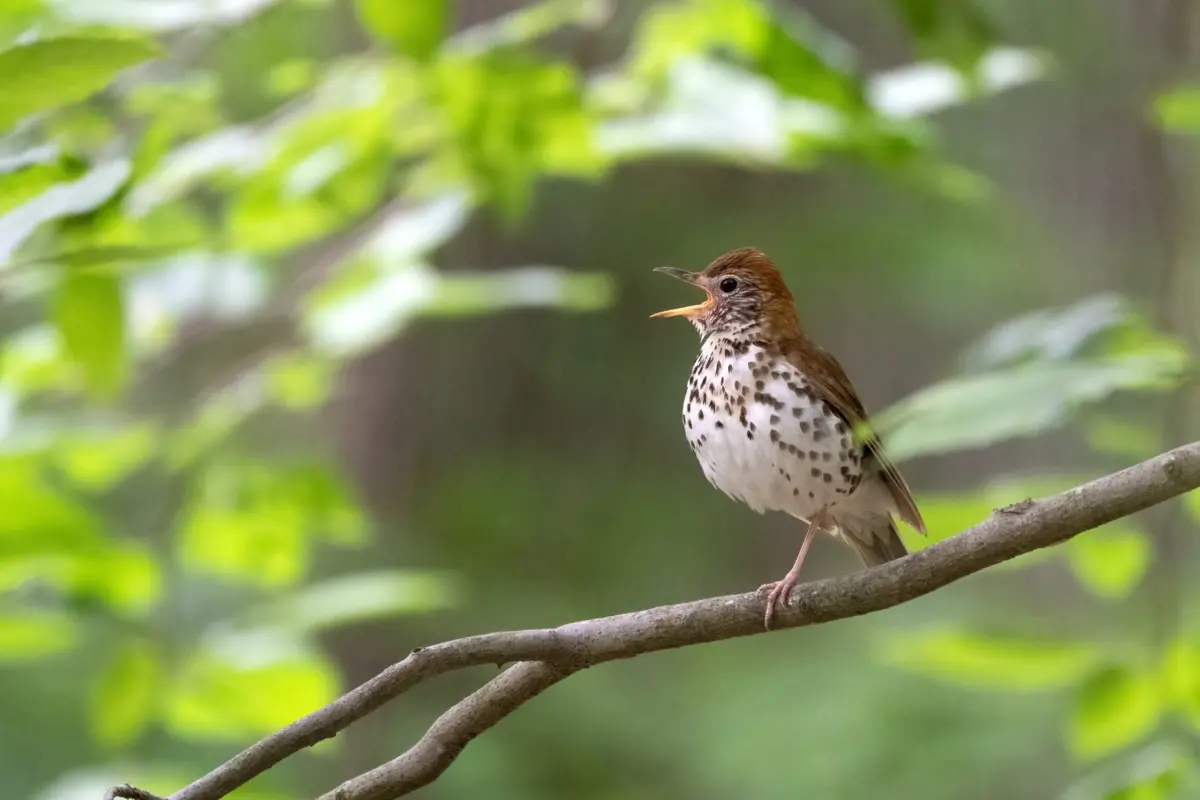
Across the United States, a silent crisis is unfolding beneath the dense green canopies of our nation’s woodlands. Once-thriving populations of forest-dependent birds are experiencing staggering, long-term declines, signaling deeper ecological stress within habitats that millions of Americans take for granted. According to recent ecological data, forest bird populations have plummeted across 65 percent of U.S. states since 1970. Iconic and formerly abundant species—such as the melodic Wood Thrush—have suffered catastrophic population losses, dropping by as much as 60 percent over the same period.
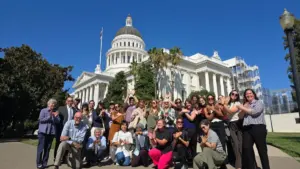
This alarming trend is not merely an environmental footnote; it is a blaring warning alarm for the health of America’s broader ecosystems, rural economies, and local communities. In response to this pressing challenge, the National Audubon Society has taken a proactive approach, stepping out of the boardroom and onto the forest floor. Audubon recently hosted high-profile legislative field tours with two of Capitol Hill’s most influential lawmakers: Representative Glenn "GT" Thompson (R-PA), Chairman of the House Committee on Agriculture, and Representative Bruce Westerman (R-AR), Chairman of the House Committee on Natural Resources.
These bipartisan engagements were designed to bridge the gap between national policymaking and on-the-ground ecological reality. By bringing lawmakers face-to-face with private landowners, local foresters, and state conservation experts, Audubon demonstrated how strategic habitat restoration and sustainable working forest management can reverse the decline of forest birds. Furthermore, these visits underscored the vital role that federal legislative vehicles—most notably the upcoming Farm Bill—play in empowering private landowners to act as environmental stewards while maintaining productive rural economies.
Detailed Chronology of Congressional Site Visits
To understand how national conservation policy translates into local action, one must look at the specific field engagements that took place in Pennsylvania and Arkansas earlier this summer. These visits served as interactive classrooms, showcasing the intricate balance between human livelihood and avian preservation.
Pennsylvania’s Private Working Forests: A Masterclass in Restoration
In early July, Audubon welcomed House Agriculture Committee Chairman Glenn Thompson to a privately owned working forest in Pennsylvania. The Keystone State, characterized by its rolling hills and extensive timber tracts, is a critical landscape for migratory and resident forest birds. However, managing these lands requires a delicate touch to balance timber production with biodiversity.
Chairman Thompson was joined on the tour by Dr. Shane Sergent, the property’s landowner, alongside Calvin Norman of Blue Ox Forestry—an Audubon-endorsed forestry professional—as well as representatives from the Pennsylvania Department of Conservation and Natural Resources (DCNR) and the Alliance for the Chesapeake Bay.
As the delegation walked the shaded property lines, the conversation quickly turned to the mechanics of active forest management. The group examined critical on-the-ground practices, including:
- Invasive Species Control: Removing aggressive, non-native flora that outcompetes native understory plants essential for bird nesting and foraging.
- Strategic Underplanting and Shade Modification: Carefully thinning lower canopy layers to allow sunlight to penetrate the forest floor, stimulating native shrub growth and vertical structural diversity.
These interventions are not cosmetic; they are vital for species like the Wood Thrush and various warblers that rely on complex, multi-layered forest structures for survival. The tour also opened a candid dialogue regarding the economic realities of private land ownership. Dr. Sergent and local foresters voiced the challenges of maintaining sustainable practices without adequate financial margins, emphasizing the desperate need for reliable technical assistance and robust, viable markets for sustainably harvested timber.
Arkansas’s Natural Landscape: Balancing Timber, Habitat, and Community
Shifting focus southward later in the month, Audubon hosted House Natural Resources Committee Chairman Bruce Westerman in Little Rock, Arkansas. With nearly 19 million acres of forests covering more than 50 percent of the state’s total land area, Arkansas represents a premier example of a forested economy where land management directly dictates community prosperity.
Chairman Westerman met with Audubon staff and an Arkansas-based Audubon board director at the Little Rock Audubon Center. The discussion centered on the intrinsic link between forestry, regional economics, and avian health. The group focused heavily on the Chuck-will’s-widow—a declining nocturnal forest bird that breeds in the dense woodlands surrounding the Audubon Center. This local population served as a living case study, illustrating how the ecological health of surrounding habitats directly dictates the viability of regional wildlife.
Discussions during the Arkansas visit leveraged the state’s unique demographic and environmental profile to explore how federal policies can seamlessly integrate with state-level conservation initiatives. Chairman Westerman gained firsthand insight into how federal legislative backing can supercharge ongoing regional efforts, ensuring that Arkansas’s massive timber footprint remains environmentally resilient without placing undue regulatory burdens on generational landowners.
Supporting Context & Metrics: The Scale of the Crisis
The urgency behind Audubon’s legislative tours is rooted in hard, peer-reviewed data and decades of avian monitoring. The health of North American birds has long served as a premier biological indicator for the overall health of the environment—acting essentially as the canary in the coal mine for terrestrial ecosystems.
The Numbers Behind the Decline
- 65 Percent: The percentage of U.S. states that have documented net declines in forest bird populations since 1970.
- 60 Percent: The staggering population drop experienced by the Wood Thrush (Hylocichla mustelina) over the past five decades.
- 19 Million Acres: The total expanse of forestland in Arkansas, demonstrating the massive scale of private and public acreage that requires active, sustainable stewardship.
- Over 50 Percent: The proportion of Arkansas’s total landmass covered by dense, economically vital forests.
The Threat of Habitat Fragmentation
One of the primary themes emphasized during both the Pennsylvania and Arkansas tours was the persistent threat of habitat fragmentation. As rural lands are subdivided, sold, and developed for residential or commercial use, large unbroken tracts of forest are sliced into smaller, isolated patches.
This fragmentation introduces "edge effects"—phenomena where predators, invasive species, and nest parasites (such as the Brown-headed Cowbird) easily penetrate deeper into the woods, devastating nesting success for interior-dwelling forest birds. Furthermore, fragmentation disrupts migratory pathways, making it difficult for species reliant on continuous canopy cover to travel safely between breeding and wintering grounds.
The Solution: Sustainable Working Forests
Audubon advocates for a model known as "working forest conservation." Rather than locking forests away behind fences—which can sometimes lead to unhealthy, overstocked, and fire-prone stands—this approach encourages active, science-based management. By implementing sustainable timber harvesting, controlling invasive species, and fostering structural diversity, landowners can generate income while simultaneously creating optimal nesting, brooding, and foraging habitats for declining bird species.
Official Statements and Policy Solutions
To scale these localized successes nationwide, Audubon is pushing for specific legislative tools within upcoming federal packages, most notably the Farm Bill. During the site visits, Audubon leadership presented lawmakers with actionable policy frameworks designed to empower private landowners.
The Forest Landowner Support Program (FLSP)
A central pillar of Audubon’s legislative advocacy is the Forest Landowner Support Program (FLSP). Private landowners own the majority of America’s forestland, meaning the future of forest birds rests largely in their hands. However, many landowners lack the specialized knowledge or financial capital required to implement complex conservation forestry practices.
The FLSP is designed to bridge this gap by providing targeted financial and technical assistance to private owners. During both congressional visits, Audubon staff highlighted how this program enables everyday landowners to execute comprehensive forest management plans that enhance biodiversity, improve forest health, and protect watersheds—all while keeping their land economically productive.
The Proposed Forest Conservation Easement Program
In Pennsylvania, Audubon introduced Chairman Thompson to the concept of establishing a dedicated Forest Conservation Easement Program. This proposed legislative measure aims to protect working forests from the constant pressure of development and fragmentation. By placing voluntary conservation easements on working timberlands, landowners receive financial incentives to keep their property forested and sustainably managed in perpetuity, ensuring that avian habitats remain intact for generations to come.
Leadership Perspectives
Reflecting on the collaborative nature of the visits, Audubon representatives stressed that conservation cannot succeed through top-down mandates alone. It requires genuine partnerships.
"These visits are about more than sharing the story of declining forest birds," noted Audubon policy advocates during the legislative briefings. "They provide an opportunity for congressional leaders to see the conservation solutions already working on the ground and hear directly from the people putting them into practice."
By engaging chairmen from both sides of the aisle—spanning different geographic regions, political priorities, and ecological landscapes—Audubon has successfully positioned forest conservation as a bipartisan priority that unites rural economic development with environmental stewardship.
Future Outlook: A Collaborative Path Forward
As Congress continues to deliberate the future of federal private land conservation through the Farm Bill and related legislative vehicles, the stakes could not be higher. The path forward demands sustained, bipartisan investments in voluntary, collaborative conservation programs.
The message delivered across the hardwood forests of Pennsylvania and the pine-oak woodlands of Arkansas is clear: ecological preservation and economic vitality do not have to be mutually exclusive. In fact, they are inextricably linked.
When private landowners are equipped with the right financial tools, technical expertise, and market incentives, they transform from passive observers into active guardians of the landscape. Through targeted federal programs like the Forest Landowner Support Program and thoughtful legislative frameworks that protect working forests from fragmentation, America can turn the tide on bird declines.
Ultimately, these congressional site visits laid a strong foundation for future legislative action. By witnessing firsthand the resilience of the land and the dedication of the people who manage it, leaders like Chairmen Thompson and Westerman return to Washington equipped with the real-world context needed to craft smart, effective conservation policy. Continued collaboration will ensure that America’s forests remain vibrant ecosystems where birds can thrive, and where landowners, rural economies, and local communities can prosper alongside them for decades to come.