
Executive Overview
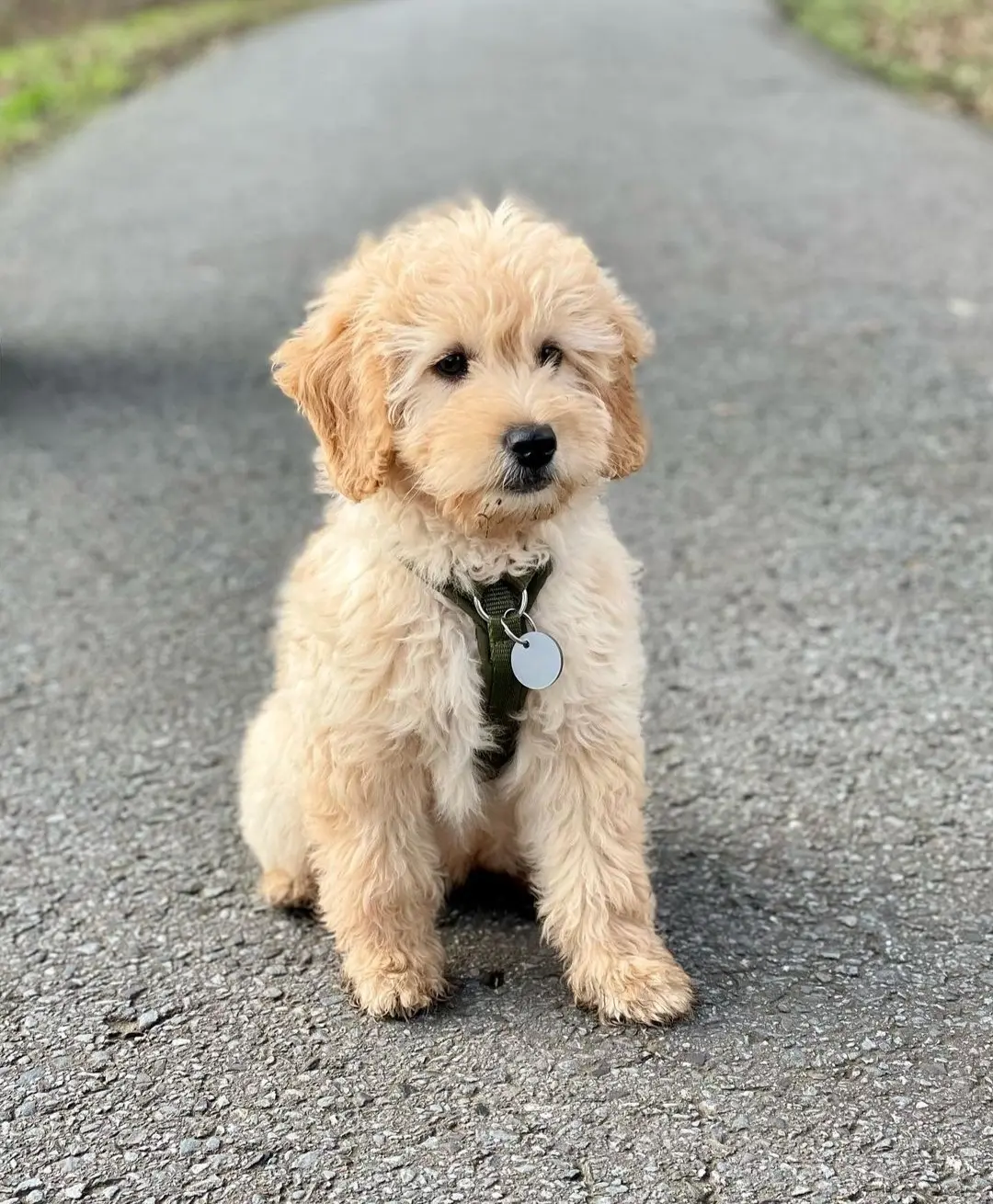
The Goldendoodle—a beloved cross between the Golden Retriever and the Standard, Miniature, or Toy Poodle—has captured the hearts of families worldwide. Famed for their high intelligence, affable temperaments, and signature teddy-bear aesthetic, these designer dogs have cemented their place as a premier family companion. However, prospective owners stepping into the world of Goldendoodles are often met with an alphabet-soup of technical jargon. Terms like F1, F1B, F1BB, F2, and multigenerational (multigen) are frequently thrown around by breeders, leaving buyers perplexed about what these designations actually mean for their future pet’s health, coat type, shedding propensity, and overall appearance.
Far from being mere marketing buzzwords, these alphanumeric codes represent specific genetic lineages that directly influence whether a puppy will be low-shedding, highly hypoallergenic, large in stature, or prone to specific hereditary conditions. Understanding these distinctions is not just a matter of semantics; it is the key to matching the right puppy with your family’s lifestyle, budget, and allergy sensitivities. This report offers an authoritative, in-depth breakdown of Goldendoodle generations, exploring their unique traits, grooming requirements, health profiles, and what prospective owners must know before bringing one of these popular hybrids home.
Detailed Chronology: Breaking Down the Generations
To understand a Goldendoodle’s genetic makeup, one must trace its lineage through the generation mapping system utilized by reputable breeders. Each "F" stands for "filial," representing the generation in line from the original purebred crosses.
F1 Goldendoodle: The Classic First-Generation Cross
The F1 Goldendoodle is the foundational hybrid resulting from the direct cross of a purebred Golden Retriever and a purebred Poodle.
- Genetic Composition: Exactly 50% Golden Retriever and 50% Poodle.
- Characteristics & Temperament: F1s are celebrated for exhibiting "hybrid vigor"—a genetic phenomenon where the first cross of two purebred lines yields maximum health benefits and a reduced risk of shared inbreeding defects. They are exceptionally friendly, intelligent, and eager to please, making them quintessential family pets. However, their deep attachment to humans can occasionally manifest as separation anxiety.
- Coat & Shedding: F1s typically feature a wavy or loose-curl coat. While they shed significantly less than a purebred Golden Retriever—making them suitable for mild allergy sufferers—they are not guaranteed to be hypoallergenic. Their shedding levels can vary depending on which parent breed’s coat genetics are more dominant.
- Size & Appearance: Adult F1 standard Goldendoodles typically range from 50 to 90 pounds, while miniature variants weigh between 15 and 35 pounds. Their coats come in a wide palette, including deep red, apricot, cream, and black.
F1B Goldendoodle: The Backcross for Allergy Sufferers
The "B" in F1B stands for backcross. An F1B Goldendoodle is produced by breeding an F1 Goldendoodle back to a purebred Poodle (or, more rarely, back to a Golden Retriever).
- Genetic Composition: Typically 75% Poodle and 25% Golden Retriever.
- Coat & Allergies: Because of the heavy Poodle influence, F1B Goldendoodles feature tighter curls and significantly reduced shedding. They are widely considered the gold standard for households with severe dog allergies.
- Temperament & Physical Traits: Retaining the stellar disposition of the F1 generation, F1B pups are remarkably loyal and clever. However, their high intelligence and boundless energy require robust mental stimulation. Without adequate outlets, they may resort to chewing on household items. Miniature F1B versions are immensely popular, generally weighing between 15 and 25 pounds.
F1BB Goldendoodle: Maximum Poodle Influence
Taking the backcross concept one step further, the F1BB Goldendoodle is created by breeding an F1B Goldendoodle with a purebred Poodle.

- Genetic Composition: 87.5% Poodle and 12.5% Golden Retriever.
- Coat & Suitability: This generation closely mirrors the Poodle in its coat structure, trapping loose hairs within its tight curls and making it exceptionally non-shedding and hypoallergenic. It is the premier choice for individuals with extreme allergy sensitivities.
- Size & Adaptability: Weighing roughly 14 to 20 kilograms (approx. 30–44 lbs), F1BBs are highly adaptable, thriving just as easily in compact urban apartments as they do in expansive suburban homes with fenced yards.
F2 Goldendoodle: The Second-Generation Cross
An F2 Goldendoodle is produced by crossing two F1 Goldendoodles together.
- Genetic Composition: Theoretically 50% Poodle and 50% Golden Retriever, but with a much wider genetic spread.
- Coat & Traits: Because both parents carry diverse genetic combinations from their purebred grandparents, F2 litters exhibit high unpredictability in coat types (ranging from straight to wavy and curly) and color expressions.
- Temperament: Affectionate, playful, and deeply social, F2s require early and rigorous socialization (such as puppy kindergarten classes and exposure to novel environments) to channel their high-spirited, occasionally mischievous personalities into well-mannered obedience.
F3 and Multigenerational (Multigen) Goldendoodles
F3 Goldendoodles (bred from two F2 parents) and multigenerational Goldendoodles (further down the breeding chain, such as F3 crossed with F3, or F1B crossed with F1B) represent the cutting edge of modern doodle breeding.
- Predictability: Multigen dogs allow breeders to carefully lock in specific physical traits, coat types, and temperamental stability over multiple generations.
- Versatility: These dogs are exceptionally gentle and compatible with diverse living situations, from single-person households to bustling multi-generational families. However, breeding them requires meticulous genetic tracking to avoid compounding recessive health traits.
Supporting Context & Metrics: Health, Exercise, and Care Profiles
Managing a Goldendoodle requires understanding their physiological needs, health vulnerabilities, and lifespan expectations.
| Parameter | F1 Goldendoodle | F1B / F1BB Goldendoodle | F2 / F3 Multigen |
|---|---|---|---|
| Poodle Percentage | 50% | 75% to 87.5% | Varies (~50%+) |
| Hypoallergenic Potential | Moderate (Low shedding) | High (Very low shedding) | Variable (Depends on coat type) |
| Standard Adult Weight | 50 – 90 lbs | 30 – 60 lbs (Mini: 15–25 lbs) | 35 – 75 lbs |
| Lifespan Expectancy | 10 – 15 Years | 10 – 15 Years | 10 – 15 Years |
| Grooming Frequency | Weekly brushing | Frequent brushing (curlier coat) | High maintenance (6–8 week cuts) |
| Exercise Requirement | 30–60 mins daily | 45–60 mins daily | 30–60 mins daily |
Dietary and Nutritional Requirements
A thriving Goldendoodle requires a protein-rich diet formulated to match its life stage and activity level. High-quality animal proteins—such as chicken, turkey, lamb, beef, and pork—should form the cornerstone of their meals. Portions must be carefully managed to prevent canine obesity, which places undue stress on their developing joints.
Exercise and Mental Stimulation
Goldendoodles are athletic, working-line descendants. They demand at least 30 to 60 minutes of daily physical activity, which can include brisk walks, games of fetch, or swimming. Crucially, their high cognitive capacity means physical exercise must be paired with mental stimulation. Interactive puzzle toys, obedience training, and learning new tricks prevent boredom-induced destructive behaviors, such as excessive chewing or digging.
Official Statements and Expert Guidance
Veterinary professionals and canine geneticists emphasize that prospective owners must look past superficial aesthetics when selecting a Goldendoodle.

Dr. Sarah Jenkins, a prominent canine geneticist, notes:
"The alphabet soup of doodle generations—F1, F1B, F2—is not just breeder marketing; it reflects mathematical probabilities of trait inheritance. If a household has severe, clinical allergies, an F1 generation is rarely a safe bet because their coat genetics are too unpredictable. Buyers must look at the parents’ genetic testing and understand the lineage to make an informed choice."
Furthermore, veterinary organizations stress the importance of preventive health screenings. Because both Golden Retrievers and Poodles carry predispositions to specific hereditary disorders, reputable breeders must screen their breeding stock for:
- Hip and Elbow Dysplasia
- Progressive Retinal Atrophy (PRA) and other inherited eye diseases
- Von Willebrand’s Disease (a bleeding disorder common in Poodles)
- Ear infections, due to hair growth within the ear canal and moisture retention in floppy-eared phenotypes.
Future Outlook: The Evolution of Designer Breeds
As the pet industry matures, the breeding of Goldendoodles is undergoing a significant professional shift. Once viewed purely as an unregulated "designer dog" trend, the practice is increasingly embracing rigorous health testing, standardized pedigree registries (such as the WALA and GANA), and transparent generational labeling.
In the coming years, we can expect greater predictability in multigen lines, allowing breeders to reliably produce hypoallergenic companions tailored precisely to service work, therapy roles, and companion living. For prospective owners, this evolution underscores the importance of sourcing puppies from ethical, transparent breeders who prioritize genetic health and temperament over color aesthetics or quick sales. By understanding the distinct generations—from the hardy F1 to the allergy-friendly F1BB—families can navigate the adoption process with confidence, ensuring a harmonious, lifelong bond with their new canine companion.