
Houseplants have long been celebrated for their ability to purify indoor air, elevate interior aesthetics, and bring a restorative touch of nature into domestic spaces. However, the burgeoning popularity of urban jungles and botanical interior design has run parallel to an escalating risk for household pets. When animal behaviorist and author Patricia McConnell recently introduced a trendy Zamioculcas zamiifolia—commonly known as the ZZ plant—into her home, she anticipated a simple decorative upgrade. Instead, the plant catalyzed a harrowing medical emergency for her dog, Maggie, triggering a severe gastrointestinal crisis, frantic veterinary consultations, and a lingering health scare that ultimately tested the limits of canine resilience.
What began as an isolated domestic mishap quickly transformed into a broader educational crusade regarding pet toxicology, the nuances of botanical safety terminology, and the critical lifeline provided by the American Society for the Prevention of Cruelty to Animals (ASPCA) Animal Poison Control Center (APCC). Through a subsequent deep-dive investigation sparked by a fortuitous follow-up from ASPCA leadership, this incident illuminates the hidden dangers lurking in plain sight on living room windowsills. This report examines the chronology of Maggie’s plant poisoning, the clinical realities of insoluble calcium oxalates, the systemic challenges of emergency veterinary communication, and the indispensable resources maintained by the nation’s premier veterinary toxicology experts.
Detailed Chronology: The Anatomy of a Botanical Emergency
The sequence of events began innocuously enough on a late-September afternoon. McConnell returned home to discover that Maggie, a dog with a well-documented history of indiscriminate scavenging, had seized upon the newly acquired ZZ plant. While the owners were out, Maggie had consumed prodigious quantities of the foliage, leaving behind a trail of physical distress, including extensive vomiting that stained a freshly cleaned oriental carpet, followed by hours of acute physical misery.

Initially, the situation was misjudged. A preliminary call to an emergency veterinary clinic yielded reassuring, albeit misleading, advice: the plant was not considered life-threatening. The clinician noted that while the ZZ plant contains high concentrations of calcium oxalate crystals, ingestion typically results only in temporary irritation and pain that should resolve spontaneously.
Unfortunately, biology intervened in unexpected ways. Dogs frequently resort to chewing on fibrous vegetation, such as grass, when experiencing acid stomach or digestive discomfort. Maggie, caught in a compounding loop of physiological distress, found herself trapped in a dangerous feedback mechanism. The more oxalate-laden plant material she ingested, the more intensely her mouth, esophagus, and stomach burned; and the more they burned, the more compelled she felt to continue chewing on the toxic leaves to soothe the very irritation they were causing.
By 8:00 PM, Maggie’s condition had deteriorated from baseline discomfort into acute, visible agony. Desperate for specialized guidance, McConnell dialed the ASPCA Poison Control Center hotline. What followed was a frustrating exercise in technological failure: after enduring a prolonged wait period while attempting to comfort the suffering animal, the call abruptly dropped with a "Call Failed" notification. Facing an animal in abject distress, McConnell pivoted, consulting a secondary emergency clinic and administering a prescribed dose of Tramadol sourced from her home veterinary supplies. Within twenty minutes, the analgesic took effect, allowing Maggie to finally drift into a restorative, pain-free sleep.

Supporting Context & Metrics: Decoding Botanical Toxicity
The fallout from the ZZ plant incident prompted a week-long analytical review of terminology that frequently misleads pet owners. Central to this confusion are two commonly interchanged words: toxic and irritation.
When McConnell originally purchased the ZZ plant, retail nursery staff assured her it was "not toxic," qualifying the statement with the caveat that it might cause "mild irritation." To the layperson, "not toxic" implies a total absence of systemic danger, while "irritation" suggests a minor, fleeting annoyance akin to a papercut.
From a strict toxicological standpoint, however, these definitions carry vastly different weights:

- Toxicity: Merriam-Webster defines toxic substances as those containing or consisting of poisonous materials capable of causing death or serious physiological debilitation. By this metric, plants like the Sago Palm (Cycas revoluta)—where a single ingested seed can trigger catastrophic liver failure and death—unambiguously qualify as acutely lethal toxins. The ZZ plant does not belong in this tier of immediate lethality.
- Biological Irritation: In a medical context, "irritation" caused by insoluble calcium oxalate crystals is a violent, mechanical, and chemical assault on mucosal tissue. When chewed, the plant releases microscopic, needle-like oxalate crystals that embed themselves directly into the tissue of the mouth, tongue, pharynx, and gastrointestinal tract. For an animal that has ingested large volumes, this process does not produce a mild annoyance; it creates a sensation akin to swallowing broken glass, causing severe localized inflammation, hypersalvation, and mucosal burns.
Compounding the domestic danger is the sheer volume of botanical threats cataloged by veterinary authorities. The ASPCA APCC currently tracks 415 distinct plant species known to exhibit varying degrees of toxicity to dogs. Because botanical interior design trends shift rapidly—with previously obscure species like the ZZ plant surging in popularity—maintaining an up-to-date inventory of domestic hazards remains a monumental task for toxicologists.
Furthermore, the physical toll of plant ingestion can extend far beyond initial digestive upset. Weeks after Maggie appeared to have fully recovered from her immediate ordeal, routine blood work revealed alarming spikes in her liver enzyme panels—specifically her alkaline phosphatase (ALP), alanine aminotransferase (ALT), and total bilirubin (TBL) levels. For ten agonizing days, her owners braced for the worst, fearing the onset of terminal hepatic disease in an aging dog approaching her thirteenth year. Fortunately, pediatric and toxicological monitoring confirmed that the systemic shock was a delayed physiological reaction to the massive oxalate burden on her system. Ten days later, her liver values spontaneously returned to baseline, averting a tragic outcome.
Official Statements & Institutional Infrastructure
The narrative took an unexpected turn roughly a week after the incident when Nicole Martin, Senior Director of Business Development for the ASPCA’s Poison Control Center, reached out via email. Exhibiting profound professional diligence, Martin had identified an abandoned call originating from McConnell’s account and initiated contact to investigate the communication failure, determine the technical genesis of the dropped call, and ensure that no other pet owner was left stranded during an emergency.

This outreach culminated in a comprehensive, hour-long consultation between McConnell, Martin, and Dr. Catherine Dzienisiewski, a board-certified veterinary toxicologist. The dialogue shed light on the operational realities of the ASPCA Animal Poison Control Center, an institution that stands as a global gold standard in veterinary medicine.
Established in 1978, the APCC handles upwards of 400,000 animal poisoning cases annually. Staffed around the clock by elite, board-certified veterinary toxicologists, the center does more than simply triage individual emergencies. The organization houses an exhaustive data repository comprising more than 5 million documented cases. This vast epidemiological database serves as the bedrock for modern veterinary toxicology research, allowing scientists to identify emerging botanical and chemical threats, map physiological responses, and formulate evidence-based treatment protocols.
Historically, groundbreaking discoveries driven by APCC data analysis include:

- Identifying the profound, acute renal toxicity of lilies in felines, saving countless cats from fatal kidney failure.
- Establishing the toxic thresholds and clinical manifestations of macadamia nuts, xylitol (artificial sweetener), grapes, raisins, and tartaric acid in canines.
In direct response to the dialogue surrounding Maggie’s case, the ASPCA APCC editorial and veterinary teams published an updated, specialized educational blog post focusing specifically on Insoluble Oxalates. This resource explicitly categorizes common oxalate-bearing houseplants—placing the ZZ plant firmly on the warning registry—and provides clear diagnostic and triage pathways for pet owners confronting accidental ingestions.
(For pet owners facing similar emergencies, the ASPCA Animal Poison Control Center hotline remains operational 24/7/365 at 888-426-4435.)
Future Outlook: Mitigation, Awareness, and Domestic Vigilance
The intersection of modern domestic life, interior horticulture, and companion animal stewardship demands a proactive, highly informed approach to household management. Incidents like Maggie’s run-in with the ZZ plant underscore the reality that even experienced animal handlers can be caught off guard by the complex chemistry of contemporary house plants.

Moving forward, several key takeaways define the best practices for safeguarding pets against botanical hazards:
- Redefining Plant Safety: Owners must discard the false dichotomy of "toxic versus non-toxic." Any plant capable of introducing mechanical irritants, systemic alkaloids, or cardiac glycosides into a domestic environment should be treated with caution, elevated entirely out of reach of curious paws, or strictly prohibited from homes housing known scavengers.
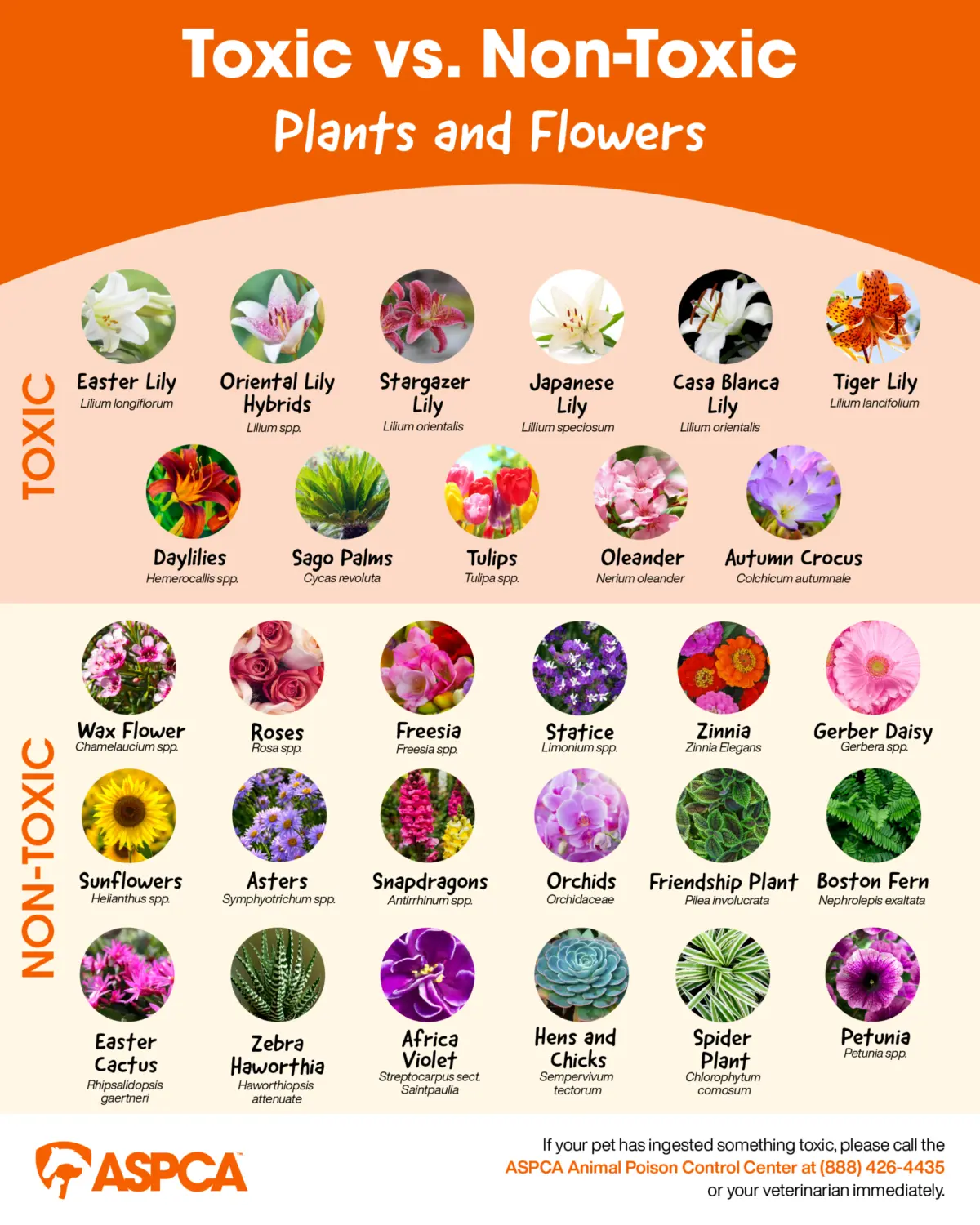
- Leveraging Authoritative Databases: Rather than relying on anecdotal advice from retail nursery staff or ambiguous internet searches, pet owners should regularly consult the exhaustive, peer-reviewed plant lists maintained by the ASPCA APCC. Utilizing visual resources such as the APCC’s "Top Ten Toxins" and "Toxic vs. Non-Toxic Plants" reference posters can drastically reduce domestic risk.
- Emergency Readiness: Familiarity with emergency response protocols—including knowing when to induce vomiting, understanding the contraindications of home remedies (such as the ineffective and counterproductive administration of dairy products for oxalate exposure), and maintaining direct access to emergency veterinary contacts—can mean the difference between minor discomfort and fatal systemic failure.
As households continue to embrace botanical decor, the responsibility falls squarely on owners to bridge the knowledge gap between aesthetic appeal and biological safety. Through enhanced institutional outreach, transparent reporting from organizations like the ASPCA, and heightened vigilance on the home front, pet lovers can create spaces that are both vibrantly green and rigorously secure for their four-legged companions.