
August 11, 2026 — Originally featured in the Alley Cat Action® 2026 Summer Newsletter.
Executive Overview
The landscape of animal welfare in the United States is undergoing a profound and progressive transformation. Across the nation, antiquated, punitive measures that penalize outdoor cats and their advocates are steadily being dismantled. In their place, modern, humane, and science-backed policies—such as Trap-Nevuter-Return (TNR) and legal protections for community cats—are taking root.
This legislative and cultural momentum was underscored during the spring and summer of 2026, highlighted by landmark policy shifts in three diverse American municipalities: Lakewood, Ohio; Leetsdale, Pennsylvania; and Hardin, Montana. Driven by grassroots advocacy, strategic municipal partnerships, and the unwavering expertise of organizations like Alley Cat Allies, these regions have proven that humane education and progressive legislation can triumph over outdated, lethal practices.
From codifying robust TNR protections in the heart of Ohio and eliminating punitive "at-large" ordinances in Pennsylvania, to successfully halting a lethal carbon dioxide (CO₂) gassing proposal in rural Montana, this season marks a watershed moment for community cat advocacy. This report examines the chronological progression of these victories, the broader socio-political context surrounding feline population management, and the future outlook for animal advocacy across the country.
Detailed Chronology of Events
The string of legislative and advocacy victories that defined the summer of 2026 did not happen in a vacuum. They were the result of strategic interventions, community mobilizations, and timely collaborations between local governments and animal advocacy experts.
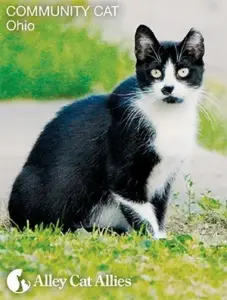
Spring 2026: Lakewood, Ohio, Institutionalizes TNR
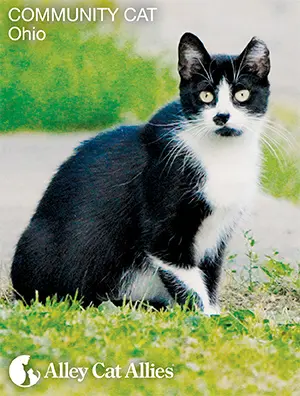
For years, the city of Lakewood, Ohio, operated a successful pilot Trap-Nevuter-Return program. While the pilot demonstrated the undeniable efficacy of TNR in stabilizing outdoor cat populations, municipal policy still lacked the formal structural backing required to ensure long-term, institutional protection for the cats and the compassionate citizens who care for them.

Recognizing the need for permanence, city leaders collaborated closely with Alley Cat Allies this past spring to craft a comprehensive ordinance. Alley Cat Allies provided critical expertise, legal framing, and strategic support to help shape the legislation.
The resulting ordinance, passed in the spring of 2026, formally establishes robust legal protections for TNR initiatives, community cats, and their dedicated caregivers. Crucially, the legislation explicitly distinguishes community cat caregivers from legal pet owners. By legally classifying caregivers as compassionate "good Samaritans" rather than owners, the ordinance relieves them of unwarranted liability and regulatory burdens, ensuring they can continue their lifesaving work without fear of penalty.
June 2026: Leetsdale, Pennsylvania, Removes "At-Large" Hazards
In Pennsylvania, municipal definitions have historically posed a significant hidden threat to outdoor cats. Vague or overly broad animal control codes often categorize any animal found outdoors—regardless of whether they are socialized pets or wary community cats—as "at large." This classification frequently opens the door for unnecessary impoundment, stress, and euthanasia.
In Leetsdale, Pennsylvania, local leadership recognized this systemic vulnerability. Demonstrating commendable proactive governance, the mayor of Leetsdale directly reached out to Alley Cat Allies to seek expert guidance on how the borough could more humanely approach community cat populations.
Seizing the opportunity to effect systemic change, animal welfare experts explained the severe flaws of applying standard "at-large" laws to unowned outdoor cats. They highlighted how impoundment fails to control populations while placing an unnecessary financial and operational strain on local shelters.
Acting swiftly on these recommendations, the Leetsdale municipal government took definitive action in June 2026. The city officially amended its local ordinance, carving out a vital exemption that removes cats from the definition of "at-large" laws. This policy shift ensures that community cats in Leetsdale can no longer be legally targeted, trapped, or impounded simply for living their lives outdoors.
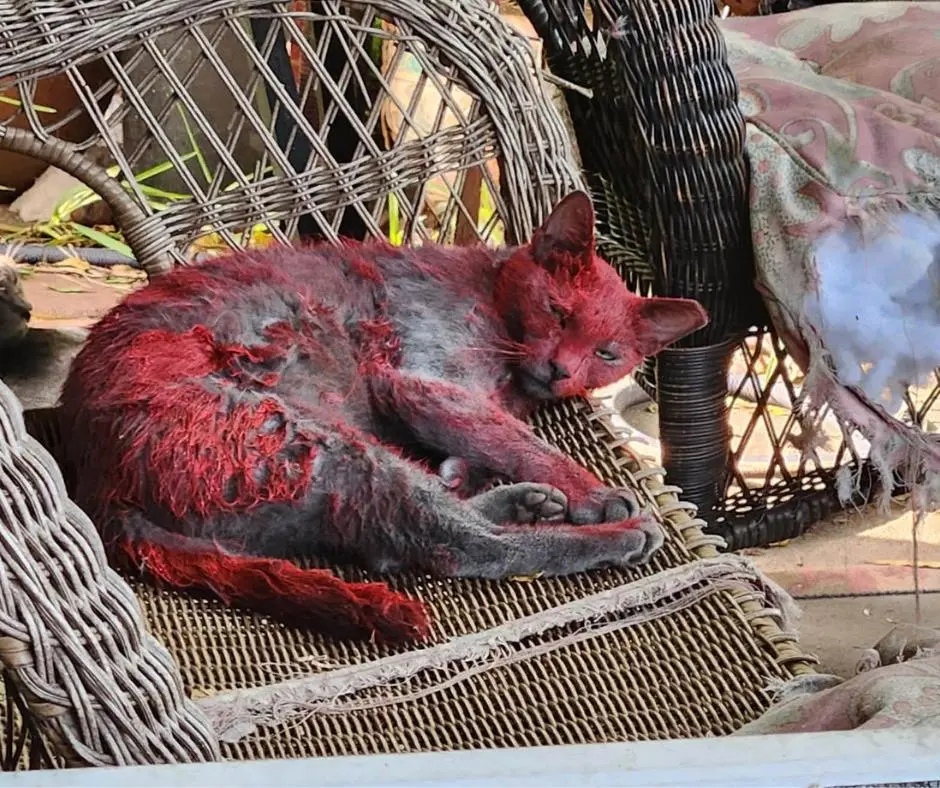
Summer 2026: Hardin, Montana, Halts Cruel CO₂ Proposal
While Lakewood and Leetsdale made proactive strides forward, the summer of 2026 also required urgent, defensive action against regressive cruelty. In Hardin, Montana, the animal welfare community was shaken by a disturbing development: audio recordings surfaced of a Hardin City Council discussion exploring the procurement and implementation of a carbon dioxide (CO₂) gas chamber intended for the mass killing of community cats.
The contemplation of institutionalized gassing—a method widely condemned by modern veterinary science as inhumane, terrifying, and unethical—demanded an immediate and uncompromising response. Alley Cat Allies mobilized instantly upon discovering the discussion, issuing firm demands to city officials to halt any and all plans aimed at the destruction of community cats.
Recognizing that top-down pressure must be met with local voice, Alley Cat Allies launched a massive mobilization effort across Montana. Residents, animal advocates, and compassionate citizens rallied together, flooding the Hardin City Council with messages condemning the proposed gassing scheme.
Faced with a unified front of public outrage and expert legal opposition, the Hardin City Council backed down. The cruel and legally dubious CO₂ proposal was officially stripped from consideration, securing a vital victory for life and proving the undeniable power of collective advocacy.
Supporting Context & Metrics: The Science of TNR
To understand the profound significance of the 2026 legislative victories, one must examine the empirical data driving modern animal welfare policy. For decades, the dominant municipal response to outdoor cats was catch-and-kill—an approach characterized by sweeping up free-roaming cats and euthanizing them in shelters. Decades of data have proven this method to be an abject failure, scientifically known as the "vacuum effect."
The Vacuum Effect Explained
When cats are removed from a specific territory through lethal control, the underlying resources (such as shelter and food sources) remain. Consequently, surviving cats from neighboring areas migrate into the newly available territory, or remaining populations experience a reproductive rebound fueled by abundant resources. Trap-Nevuter-Return disrupts this cycle permanently.

Why TNR Works
- Population Stabilization: By sterilizing community cats and returning them to their outdoor homes, TNR stabilizes population sizes naturally over time. Sterilized cats no longer reproduce, leading to a steady, predictable decline in numbers.
- Elimination of Nuisance Behaviors: Spaying and neutering drastically reduce or eliminate behaviors associated with unsterilized cats, such as yowling, roaming, fighting, and urine-marking.
- Shelter Decompression: Implementing robust TNR ordinances—like the one in Lakewood, Ohio—prevents healthy outdoor cats from entering municipal shelters where they face high risks of euthanasia, thereby preserving shelter resources for animals in genuine need of adoption.
- Public Health and Safety: Vaccinated community cats maintained through TNR act as a natural, healthy barrier against rodent populations while remaining a safe, integral part of the urban and suburban ecosystem.
Official Statements and Stakeholder Perspectives
The wave of progressive policies enacted in 2026 has drawn widespread praise from municipal leaders, legal experts, and animal welfare advocates alike.
Advocacy groups have continuously emphasized that community cat caregivers are the bedrock of successful municipal programs. By redefining the legal status of caregivers—as Lakewood, Ohio, successfully accomplished—cities send a clear message that community-driven welfare efforts are to be supported, not penalized.
Furthermore, the proactive outreach demonstrated by municipal leaders, such as the mayor of Leetsdale, Pennsylvania, signals a shifting paradigm in local government. Rather than relying on outdated, reactionary animal control protocols, modern local officials are increasingly seeking out science-backed, compassionate consultations before drafting legislation.
Regarding the confrontation in Hardin, Montana, national advocates reiterated a hardline stance against inhumane euthanasia methods. The swift defeat of the CO₂ gassing chamber proposal serves as a stark reminder that archaic methods of animal control have no place in modern society. Public transparency, humane education, and community engagement remain the most effective antidotes to cruelty.
Future Outlook: The Road Ahead for Feline Welfare
While the milestones achieved in Lakewood, Leetsdale, and Hardin represent monumental victories, animal welfare organizations emphasize that the work is far from finished. The successes of the summer of 2026 serve as a blueprint for municipalities nationwide that are still struggling with outdated animal control frameworks.
Key Objectives for the Future
- Expanding State and Local Protections: Advocates aim to use the Lakewood ordinance as a model to encourage neighboring jurisdictions in Ohio and across the Midwest to adopt similar caregiver-friendly TNR legislation.
- Revising Archaic "At-Large" Statutes: The victory in Leetsdale highlights the urgent need for a nationwide audit of municipal codes. Thousands of towns and cities still possess ambiguous "at-large" definitions that put outdoor cats at risk; removing these clauses is a primary legislative goal for the coming years.
- Establishing Strict Bans on Inhumane Euthanasia: The near-implementation of a CO₂ gas chamber in Hardin, Montana, demonstrates that threats to humane treatment can emerge anywhere. Advocates are pushing for broader state-level bans on cruel euthanasia methods to ensure local councils never even consider such measures.
- Fostering Public-Private Partnerships: The collaboration between municipal governments and organizations like Alley Cat Allies highlights the immense value of joint efforts. Fostering these relationships will be critical in educating future civic leaders on the humanitarian and economic benefits of TNR.
As the summer of 2026 draws to a close, the message to communities across America is unmistakable: compassion is practical, science-backed policies work, and the collective voice of the public can dismantle cruelty wherever it hides. The victories in Ohio, Pennsylvania, and Montana are not just isolated events—they are beacons of a brighter, more humane future for cats and communities alike.