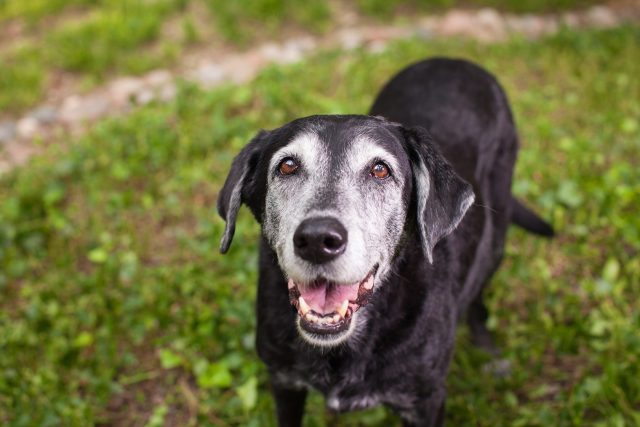
The demographic landscape of the domestic canine population is undergoing a profound shift. Thanks to breakthroughs in veterinary diagnostics, improved infectious disease control, and a cultural evolution that views pets as integral family members, dogs are living longer than at any point in history. However, this extended lifespan has brought a rising challenge: the management of canine senescence and its associated chronic pathologies.
Watching a once-vibrant puppy transition into their senior years is a bittersweet reality for millions of pet owners. The physiological decline is often gradual—marked by a slower rise from the couch, decreased stamina on daily walks, and subtle changes in cognitive engagement, dental integrity, and digestive efficiency. While biological aging remains inevitable, veterinary science has shifted its focus from reactive crisis management to proactive, multimodal wellness strategies.
Recent research indicates that targeted nutritional interventions, raw ingredient bio-availability, and proactive environmental adjustments can dramatically alter the trajectory of a dog’s senior years. This investigative report explores the biological mechanisms of canine aging, examines the latest scientific literature on geriatric support, and details five key nutritional interventions designed to preserve mobility, cognitive function, and systemic vitality in senior dogs.
Detailed Chronology: The Biological Milestones of Canine Aging
Understanding when and how a dog enters their senior years requires looking beyond the calendar. Canine aging is a highly variable biological process dictated by a complex interplay of genetics, breed size, metabolic rate, and environmental factors.
In the wider animal kingdom, larger species generally outlive smaller ones—an elephant comfortably outlives a mouse. In domestic dogs, however, this rule is inverted. Giant breeds, such as Great Danes and Mastiffs, are often classified as senior citizens by age five or six, whereas Toy Poodles and Chihuahuas frequently maintain youthful vitality well into their second decade.
This discrepancy is primarily driven by rapid early growth rates in large dogs, which are linked to elevated levels of the hormone IGF-1 (Insulin-like Growth Factor 1). This rapid cellular proliferation generates substantial oxidative stress, accelerating cellular senescence and making larger dogs susceptible to musculoskeletal and neoplastic diseases much earlier in life.
Clinical Markers of the Senior Transition
Rather than relying solely on chronological age, veterinary professionals evaluate senior status through a sequence of physiological and behavioral markers:
Metabolic Shift: A gradual reduction in basal metabolic rate often leads to fat accumulation and muscle wasting (sarcopenia) if caloric intake and protein quality are not adjusted.
Sensory and Cognitive Decline: Nuclear sclerosis (clouding of the eye lenses) and subtle changes in sleep-wake cycles can signal the onset of Canine Cognitive Dysfunction (CCD), often compared to human Alzheimer’s disease.
Joint Integrity Loss: The wear and tear on articular cartilage reduces joint fluid viscosity, leading to subclinical inflammation and visible stiffness.
Immunosenescence: The aging immune system becomes less efficient at defending against pathogens and correcting cellular mutations, leaving the senior dog more vulnerable to systemic infections and oncology concerns.
Supporting Context & Metrics: The Pillars of Senior Wellness Intervention
To counter the multifaceted nature of canine aging, veterinary nutritionists advocate for a targeted, ingredient-led approach. Below, we break down five critical wellness interventions supported by peer-reviewed research and veterinary clinical trials.
1. Lipid Nutrition and the Fight Against "Inflammaging"
Chronic, low-grade systemic inflammation—often termed "inflammaging"—is a primary driver of age-related degeneration. Omega-3 fatty acids, specifically Eicosapentaenoic Acid (EPA) and Docosahexaenoic Acid (DHA), are powerful natural tools to combat this process.
Because a dog’s body cannot synthesize these essential fatty acids on its own, they must be supplied through their diet. Once consumed, EPA and DHA insert themselves into cell membranes, displacing pro-inflammatory omega-6 arachidonic acid. This shift reduces the production of inflammatory mediators like prostaglandin E2 and tumor necrosis factor-alpha.
The Kibble Processing Problem
Many commercial pet foods advertise the inclusion of Omega-3s on their packaging. However, the high-heat extrusion process used to manufacture dry kibble frequently oxidizes these delicate, long-chain polyunsaturated fatty acids. Once oxidized, these fats become rancid, losing their therapeutic value and potentially contributing to oxidative stress within the dog’s body.
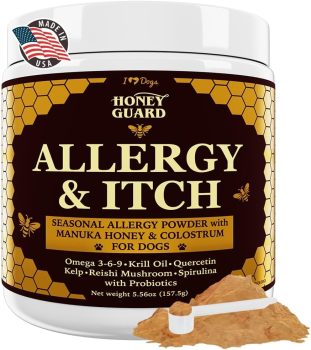
To address this issue, veterinary nutritionists recommend raw, cold-processed, or powder-stabilized supplements. Formulations like veterinary-developed Omega 3-6-9 powders combine active lipids with complementary antioxidants. Ingredients such as Manuka honey, quercetin, colostrum, and reishi mushrooms work together to support skin integrity, soothe seasonal allergies, and bolster the aging immune system from the inside out.
2. Cartilage Preservation and Joint Therapy
Osteoarthritis and degenerative joint diseases are among the most common causes of chronic pain and euthanasia in senior dogs.
Osteoarthritis Progression in Canines
========================================================================================
Stage 1: Subclinical      | Microscopic cartilage wear; early biochemical changes in joint fluid.
----------------------------------------------------------------------------------------
Stage 2: Mild Stiffness   | Occasional limping; difficulty rising; mild joint effusion.
----------------------------------------------------------------------------------------
Stage 3: Moderate Pain    | Visible limp; resistance to stairs; bone spurs (osteophytes) forming.
----------------------------------------------------------------------------------------
Stage 4: Severe/Chronic   | Bone-on-bone friction; severe muscle atrophy; loss of mobility.
========================================================================================
To preserve joint health, proactive supplementation with chondroprotective agents is essential:
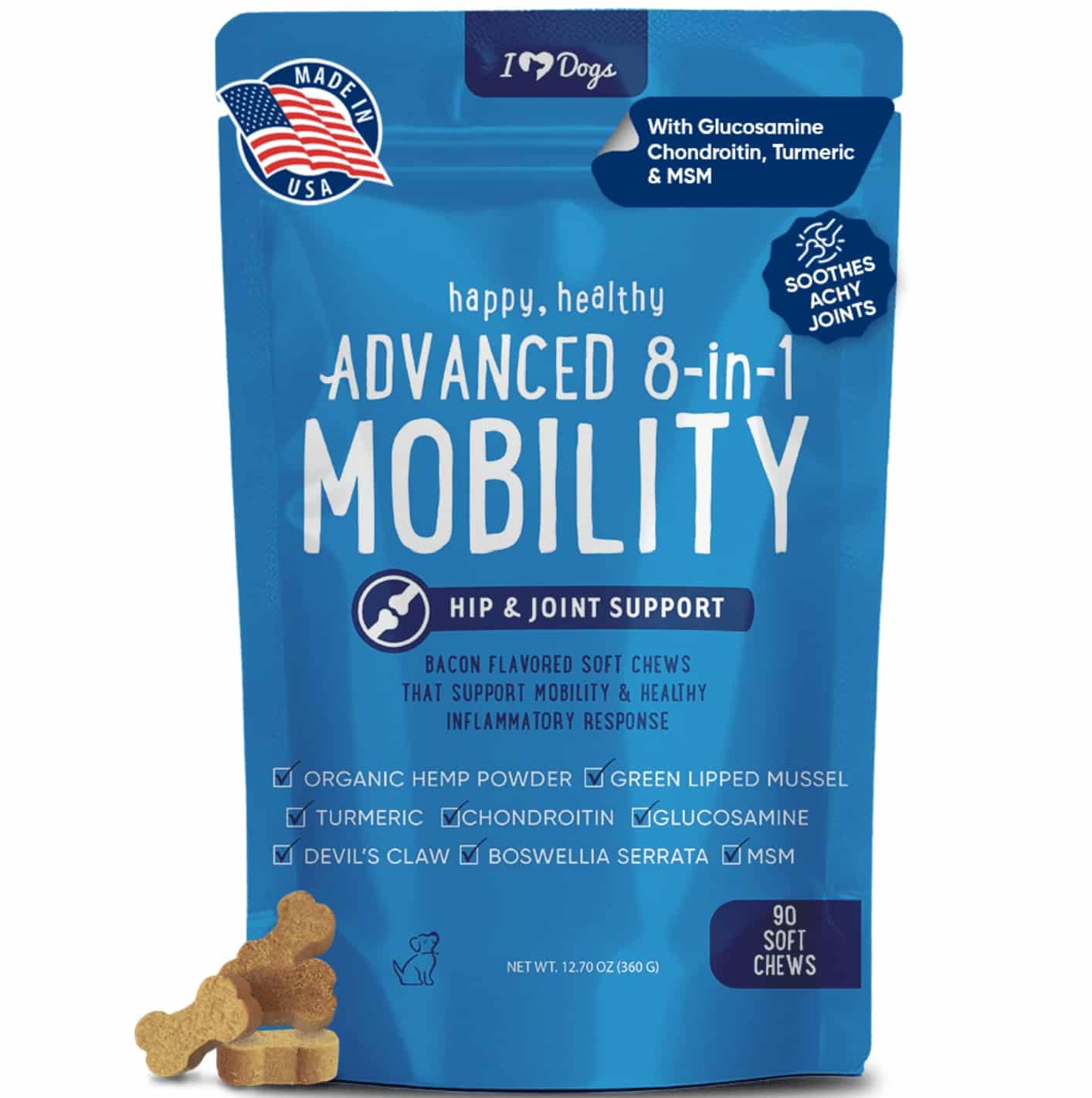
Glucosamine and Chondroitin: These compounds serve as the essential building blocks for glycosaminoglycans, the primary components of healthy cartilage matrix and synovial fluid.
Methylsulfonylmethane (MSM): A highly bioavailable source of sulfur, MSM is critical for maintaining the structural integrity of connective tissues and reducing inflammatory pain pathways.
Botanical Synergists: Modern veterinary joint supplements often pair these structural ingredients with natural anti-inflammatories, such as Turmeric (curcumin), Boswellia serrata, and Green-Lipped Mussel.
A landmark study published in the Journal of the American Veterinary Medical Association (JAVMA) demonstrated that high-quality glucosamine and chondroitin supplements provided a level of comfort and mobility support comparable to some non-steroidal anti-inflammatory drugs (NSAIDs), without the associated risks of renal or hepatic toxicity.
3. The Oral-Systemic Connection: Periodontal Disease
Periodontal disease is a silent epidemic in veterinary medicine, affecting an estimated 80% of dogs by the age of four. In senior dogs, poor oral health is far more than a cosmetic issue or a source of bad breath.
When plaque mineralizes into calculus, it creates a porous home for virulent Gram-negative anaerobic bacteria. As periodontal disease progresses, the blood vessels within the gums become compromised. This allows bacteria to escape directly into the bloodstream (bacteremia), where they can travel to and damage vital organs, including the heart valves, kidneys, and liver.
While professional veterinary dentals under anesthesia remain the gold standard, daily home care is vital for senior dogs—especially those for whom anesthesia carries higher risks. Mechanical dental sticks provide abrasive cleaning action that helps scrub plaque from the teeth. When formulated with active breath-freshening and antimicrobial ingredients, these dental treats offer an easy, stress-free way to maintain daily oral hygiene.
4. Nutritive Hydration and Metabolic Support
As dogs age, their sense of thirst often declines, leaving them vulnerable to subclinical dehydration. This dehydration can place extra strain on kidneys that may already be dealing with age-related decline.
Slow-simmered bone broth is an excellent, nutrient-rich solution to encourage hydration. Rich in collagen, gelatin, and key amino acids like glycine and proline, bone broth supports gut health and joint repair.
For maximum benefit, pet parents can look for modern powder formulations that combine bone broth with immunomodulating adaptogens, such as organic shiitake, turkey tail, and reishi mushrooms. These functional mushrooms contain beta-glucans, which help keep the immune system balanced and resilient against age-related challenges.
5. Gastrointestinal Microbiome and Enzymatic Vitality
The gastrointestinal tract is the foundation of senior canine health, housing approximately 70% of the dog’s immune system. As dogs age, they experience a natural decline in digestive enzyme production by the pancreas, alongside changes in the gut microbiome.
In the wild, ancestral canids naturally supplemented their digestive enzymes by consuming the nutrient-dense organs of their prey. Modern processed diets, however, lack these live enzymes, forcing the senior pancreas to work harder to break down food. This enzyme deficiency often manifests as loose stools, gas, and poor nutrient absorption, which can lead to weight loss and muscle wasting.
To support healthy digestion, a multi-stage approach is highly effective:
Prebiotics: Specialized plant fibers that nourish beneficial gut bacteria.
Probiotics: Live, beneficial bacterial strains that actively support a balanced microbiome.
Postbiotics: The beneficial metabolic byproducts of fermentation that help soothe and protect the gut lining.
When combined with digestive fiber sources like pumpkin, these gut-supportive ingredients help ensure senior dogs get the absolute most nutrition out of every meal.
Official Statements & Veterinary Perspectives
Leading veterinary associations emphasize that caring for a senior dog requires a collaborative approach between pet parents and veterinary professionals.
The American Veterinary Medical Association (AVMA) advises:
"Senior pets should visit the veterinarian at least twice a year for comprehensive exams and diagnostic screening. Because pets age more rapidly than humans, dramatic changes in health can occur in a remarkably short period. Early detection of chronic conditions like kidney disease, diabetes, and osteoarthritis allows for much more effective management."
Regarding the role of nutrition in senior pet care, the American Kennel Club (AKC) notes:
"As dogs enter their senior years, their nutritional requirements change. Incorporating high-quality supplements under the guidance of a veterinarian can address specific age-related vulnerabilities, helping to maintain joint mobility, support cognitive function, and promote overall vitality."
Clinical nutritionists also stress that while high-quality supplements are highly beneficial, they are designed to support—not replace—prescribed medical treatments. Pet parents should always consult their veterinarian before introducing new supplements, especially for dogs with pre-existing medical conditions.
Future Outlook: The Frontier of Canine Longevity and Gerontology
The field of canine gerontology is entering an exciting new era. Researchers are moving beyond simply managing the symptoms of aging to exploring therapies that target the biological drivers of aging itself.
The Future of Canine Gerontological Research
=============================================================================
Research Area       | Focus Mechanism                 | Expected Outcome
-----------------------------------------------------------------------------
Epigenetic Clocks   | DNA methylation profiling       | Highly accurate biological
                    |                                 | age determination.
-----------------------------------------------------------------------------
Senolytic Therapy   | Selective elimination of        | Delays tissue degeneration
                    | senescent cells                 | and extends healthspan.
-----------------------------------------------------------------------------
mTOR Inhibition     | Rapamycin-mediated cellular     | Promotes cellular repair
                    | cleanup (autophagy)             | and increases longevity.
=============================================================================
The Dog Aging Project
A prime example of this forward-looking research is the Dog Aging Project, a massive, multi-institutional study following tens of thousands of companion dogs. By analyzing genomic data, lifestyle factors, and environmental exposures, researchers aim to uncover the precise genetic and environmental keys to healthy aging.
One of the project’s most anticipated initiatives is the TRIAD trial (Test of Rapamycin in Aging Dogs). This study is investigating whether low doses of rapamycin—a drug known to extend lifespan in laboratory mice—can safely slow down the aging process, improve heart function, and extend the healthy lifespan of companion dogs.
Personalized Nutritional Science
As these large-scale studies yield new insights, the pet industry is moving toward highly personalized nutrition. In the near future, senior dog care may routinely include personalized supplement plans based on a dog’s unique DNA, metabolic profile, and gut microbiome analysis.
By combining these cutting-edge scientific discoveries with attentive daily care, high-quality nutrition, and targeted supplementation, pet parents can help their dogs enjoy a vibrant, active, and comfortable life throughout their golden years.