In the contemporary landscape of companion animal ownership, a silent behavioral crisis is unfolding within suburban households and urban apartments. Millions of dogs belonging to specialized working heritages are currently living lives of forced leisure. While the concept of a "pampered pet" is often viewed as the pinnacle of animal welfare, veterinary behaviorists and canine cognitive researchers warn of an evolutionary mismatch. For high-drive, intelligent breeds, the absence of structured, meaningful work is not a luxury—it is a cognitive deprivation state.
For centuries, selective breeding programs prioritized operational utility over companionship. Breeds were engineered to possess hyper-focused attention, high physical stamina, complex problem-solving capabilities, and intense cooperative drives. When these genetically encoded behaviors—such as herding, guarding, retrieving, tracking, and pulling—are denied an outlet, they do not simply disappear. Instead, they frequently manifest as severe behavioral pathologies, including obsessive-compulsive disorders, separation anxiety, barrier frustration, and redirected aggression.
This investigative report examines thirteen prominent working breeds that possess an innate neurological requirement for functional activity. By analyzing their evolutionary trajectories, cognitive profiles, and the physiological metrics of canine understimulation, this article outlines why structured tasks, canine sports, and active mental engagement are clinical necessities rather than optional recreation for these high-performance animals.
Detailed Chronology: The Evolutionary Shift from Tool to Companion
The transition of the working dog from an essential agricultural and security asset to a sedentary household companion occurred rapidly over the last two centuries. Understanding this timeline is critical to understanding the modern behavioral challenges faced by high-drive breeds.
+------------------------------------------------------------------------+
| HISTORICAL TIMELINE OF CANINE UTILITY TRANSITION                       |
+------------------------------------------------------------------------+
|                                                                        |
|  PRE-INDUSTRIAL ERA                                                    |
|  - Dogs bred strictly for functional utility (herding, guarding, hunt).|
|  - Selection criteria: Stamina, environmental resilience, biddability. |
|                                                                        |
|  LATE 19TH CENTURY (Industrial Revolution)                             |
|  - Rise of breed registries (e.g., Kennel Club, UK, 1873).             |
|  - Shift toward aesthetic standardization and pedigree tracking.       |
|                                                                        |
|  MID-20TH CENTURY (Post-WWII Suburbanization)                          |
|  - Working breeds transition from farms/kennels to suburban yards.     |
|  - Decrease in daily physical and cognitive demands on dogs.           |
|                                                                        |
|  EARLY 21ST CENTURY (The Pet Humanization Era)                        |
|  - Working breeds kept in high-density urban environments.             |
|  - Rise in diagnosed behavioral disorders (anxiety, reactivity).       |
|  - Emergence of canine cognitive science as a formal discipline.       |
|                                                                        |
+------------------------------------------------------------------------+
Phase I: Utilitarian Genesis (Pre-Industrial Era)
Before the advent of formalized breed registries in the late 19th century, dogs were classified almost exclusively by their functional output. In pastoral economies, a dog that could not successfully manage livestock or protect property was a liability. Breeding decisions were pragmatic and localized; only the most intelligent, resilient, and responsive working specimens were bred. This created highly specialized neural pathways designed for continuous environmental scanning, rapid decision-making, and close cooperation with human handlers.
Phase II: The Rise of Aesthetic Standardization (Late 19th to Mid-20th Century)
The establishment of national kennel clubs (such as the Kennel Club in the UK in 1873 and the American Kennel Club in 1884) initiated a shift. Breeds were standardized based on physical appearance (conformation) alongside functional capability. While some lineages split into "show" and "working" lines, the fundamental genetic architecture governing drive, stamina, and cognitive processing remained largely intact across the broader breed populations.
Phase III: The Suburban Migration and the "Pet-ification" of Working Breeds (Late 20th Century to Present)
Following World War II, rapid suburbanization and the decline of agrarian lifestyles shifted the canine’s role from partner to companion. High-drive working breeds were increasingly selected by families for their loyalty, appearance, and perceived intelligence, without a clear understanding of the cognitive demands required to keep these dogs mentally healthy. Today, dogs engineered to run 30 miles a day or make split-second decisions regarding livestock are frequently restricted to twice-daily leash walks, leading to a widespread diagnostic rise in canine anxiety and behavioral dysfunction.
Supporting Context & Metrics: The Cognitive and Physiological Profiles of 13 Key Breeds
To understand the specific demands of high-drive dogs, we must analyze the cognitive architecture of the breeds most affected by this environmental mismatch. Below is an investigative breakdown of thirteen breeds that require structured, purposeful activity to maintain psychological homeostasis.
The Herding Group: High Cognitive Complexity and Spatial Awareness
Herding breeds are characterized by high motor patterns, intense visual-motor coordination, and the ability to read and react to subtle movements.
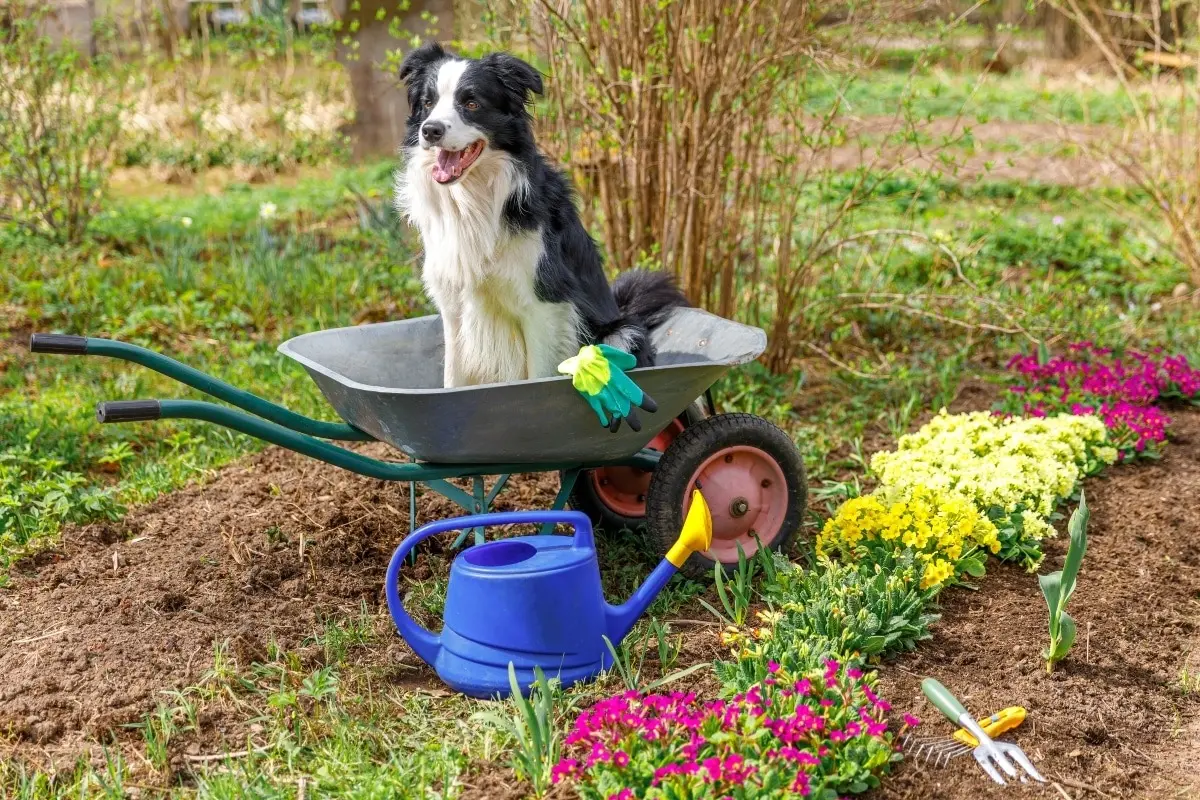
1. Border Collie
Widely regarded as the most intellectually capable domestic dog, the Border Collie was engineered to gather and control sheep in the rugged border country of Scotland and England. Their working style relies on "eye"—a silent, intense stare used to intimidate and direct livestock—combined with explosive athleticism and micro-responsiveness to handler whistles.
Cognitive Profile: Capable of learning vocabulary comparable to a human toddler (often exceeding 200 words) and mastering complex, multi-step chains of behavior.
The Behavioral Risk: Without a complex job (such as agility, competitive obedience, or actual herding), Border Collies frequently develop obsessive herding behaviors directed at children, other pets, moving vehicles, or even shadows.
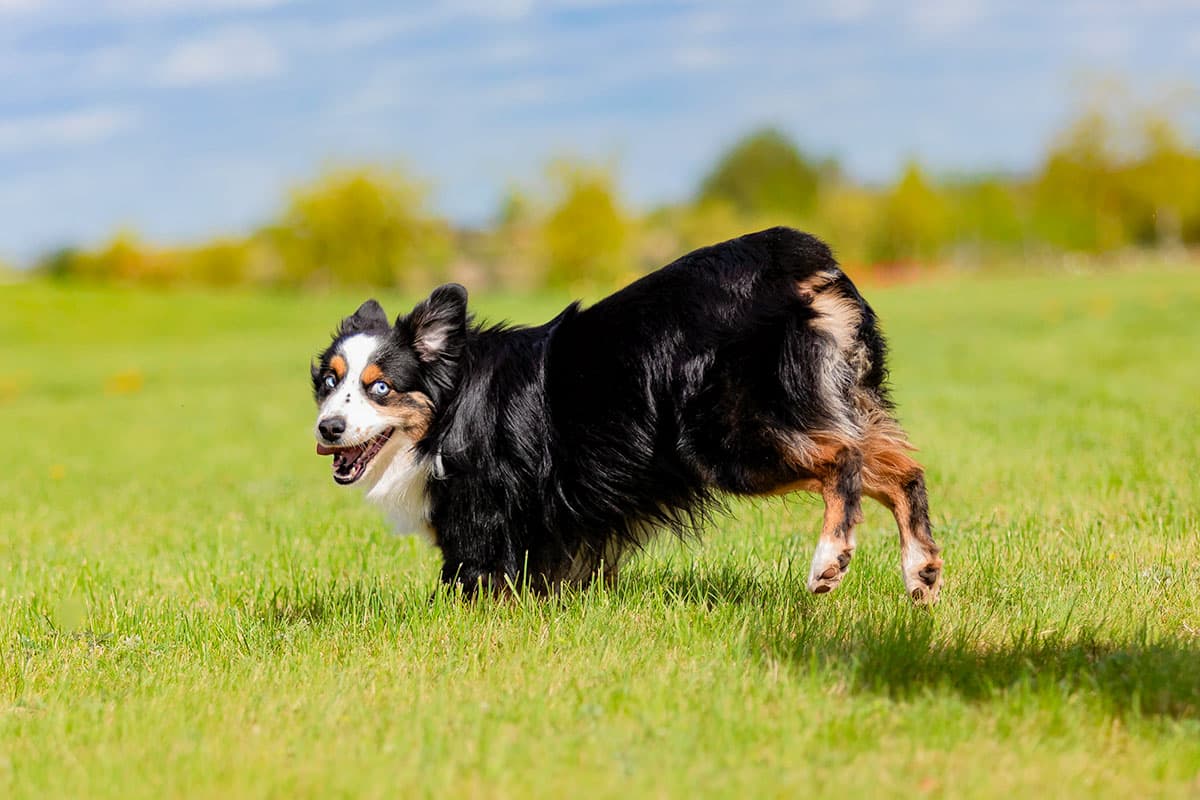
2. Australian Shepherd
Developed on American ranches to manage large herds of cattle and sheep, the Australian Shepherd possesses relentless stamina, agility, and a strong sense of territory. Unlike the silent Border Collie, the "Aussie" is a physical, authoritative herder that uses movement and voice to control stubborn livestock.
Cognitive Profile: Exceptional problem-solving abilities combined with a strong desire to integrate into family routines and monitor household movement.
The Behavioral Risk: Understimulated Aussies often implement their own "management systems," which can manifest as nipping at heels, guarding doorways, or displaying extreme reactivity to changes in their immediate environment.
3. Australian Cattle Dog (Blue/Red Heeler)
Engineered by crossing imported blue-merle Collie lines with native dingoes, the Australian Cattle Dog (ACD) was designed to drive wild cattle over vast, unforgiving terrains under extreme weather conditions. They are physically tough, highly independent, and possess an immense capacity for sustained physical exertion.
Cognitive Profile: Highly analytical with a low tolerance for repetitive, unchallenging tasks. They require a high degree of structural clarity and physical output.
The Behavioral Risk: The breed’s innate toughness can translate into defensive behaviors or destructive chewing if their high energy is not funneled into structured activities like tracking, disc sports, or weight pulling.
4. Shetland Sheepdog
Hailing from the harsh Shetland Islands, the "Sheltie" was bred to herd sheep, ponies, and poultry. Despite their smaller stature, they possess the same intense working drive as their larger herding counterparts, coupled with a highly sensitive and vocal nature.
Cognitive Profile: Extremely quick to learn, highly biddable, and deeply sensitive to environmental changes and human emotion.
The Behavioral Risk: Shelties have a low threshold for arousal. Lacking a structured mental outlet, they often express anxiety through relentless barking, pacing, or obsessive-compulsive circling.
5. Pembroke Welsh Corgi
Bred to herd cattle by nipping at their heels while avoiding devastating kicks, the Pembroke Welsh Corgi is a low-profile, highly courageous working dog. Their short legs were a deliberate anatomical choice to allow cattle hooves to fly harmlessly over their heads.
Cognitive Profile: Highly confident, independent, and possessing a strong sense of spatial control.
The Behavioral Risk: Corgis are highly prone to taking charge of households where clear rules and structured tasks are absent. This can lead to resource guarding, territorial barking, and demand-nipping.
The Guardian and Protection Group: Arousal Control and Threat Assessment
Breeds engineered for protection require strict mental discipline, environmental socialization, and controlled outlets for their protective instincts.
+------------------------------------------------------------------------+
| REQUISITE TRAITS FOR PROTECTION AND UTILITY BREEDS                     |
+------------------------------------------------------------------------+
|                                                                        |
|  [HIGH BIDDABILITY] <----> [ENVIRONMENTAL CONFIDENCE] <----> [DRIVE]   |
|         |                           |                          |       |
|  Must accept rapid       Must accurately evaluate    Possess physical  |
|  instruction from        threats without fear-       stamina & desire  |
|  the handler.            based reactivity.           to perform work.  |
|                                                                        |
+------------------------------------------------------------------------+
6. German Shepherd Dog
Originally developed as a versatile herding and farm protection dog by Max von Stephanitz in the late 19th century, the German Shepherd Dog (GSD) transitioned into the premier utility breed for military and police forces worldwide. Their cognitive profile demands a balance of physical output and cooperative training.
Cognitive Profile: Exceptionally versatile, capable of tracking scents, protecting territory, and executing complex obedience under extreme stress.
The Behavioral Risk: A German Shepherd denied structured work and clear leadership often becomes hyper-vigilant. This hyper-vigilance routinely deteriorates into fear-based reactivity, territorial aggression, and generalized anxiety.
7. Belgian Malinois
The Belgian Malinois is the elite athlete of the canine world. Frequently utilized by special operations forces globally, this breed possesses extreme drive, lightning-fast processing speeds, and a relentless work ethic that makes them unsuitable for casual pet homes.
Cognitive Profile: Hyper-responsive to stimulus, possesses near-limitless stamina, and a deep neurological need for physical and mental exhaustion.
The Behavioral Risk: In the hands of inexperienced owners, an understimulated Malinois is a severe liability. They can easily destroy furniture, scale high fences, or develop aggressive behaviors due to unchanneled prey and defense drives.
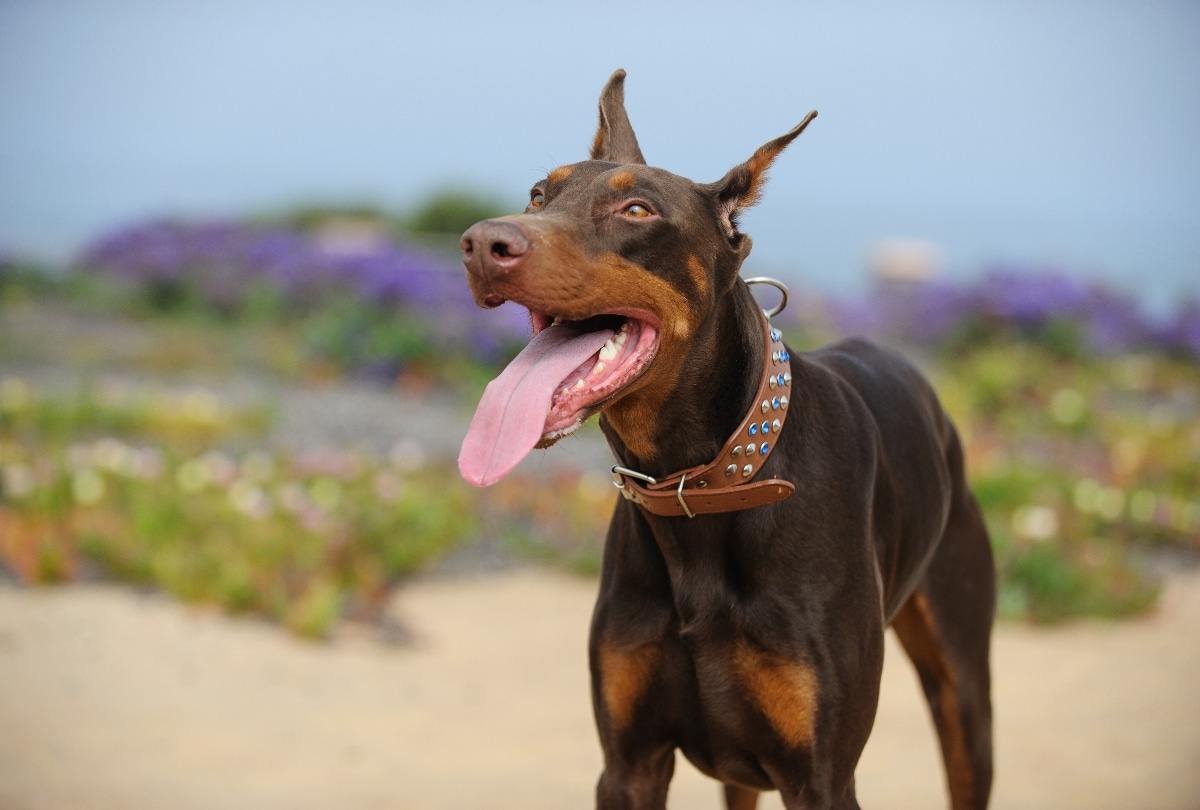
8. Doberman Pinscher
Created in Germany by tax collector Louis Dobermann, this breed was engineered specifically for personal protection. Dobermans combine athleticism, high intelligence, and a deep, watchful attachment to their handlers.
Cognitive Profile: Highly sensitive to human body language and environmental micro-signals, requiring consistent mental engagement and cooperative tasks.
The Behavioral Risk: Without a "job" (such as tracking, nosework, or advanced obedience), Dobermans often turn their intense focus inward, developing separation anxiety, flank sucking, or over-protective guarding of their owner.
The Retrievers and Gundogs: Cooperative Intelligence and Olfactory Drive
Bred to work in close coordination with hunters, these breeds possess high biddability, excellent retrieval instincts, and a sophisticated olfactory system.
9. Labrador Retriever
Though globally celebrated as the quintessential family pet, the Labrador Retriever’s origin lies in the icy waters of Newfoundland, retrieving fishing nets and downed waterfowl. They possess an innate desire to carry objects, swim, and work closely with humans.
Cognitive Profile: Highly biddable, food-motivated, and possessing an exceptional capacity for cooperative task training.
The Behavioral Risk: Understimulated Labs frequently redirect their oral fixation toward destructive chewing of household items, or develop hyperactive, attention-seeking behaviors.
10. Golden Retriever
Bred in the Scottish Highlands to retrieve game from both land and water, the Golden Retriever is a highly capable gundog. Their soft mouths, athletic build, and keen noses make them exceptional working candidates in search and rescue, detection, and service work.
Cognitive Profile: Possesses high social intelligence, trainability, and a strong desire to execute repetitive cooperative tasks.
The Behavioral Risk: When treated purely as living ornaments, Golden Retrievers can develop anxiety-driven behaviors, self-soothing licking (lick granulomas), or excessive barking.
11. Standard Poodle
Often misunderstood due to modern show grooming, the Standard Poodle is historically a highly capable water retriever. Beneath their elegant appearance lies a highly intelligent, athletic gundog with a love for water and retrieving.
Cognitive Profile: Ranks among the top three smartest breeds; highly analytical, fast-learning, and creative in their problem-solving.
The Behavioral Risk: Standard Poodles quickly become bored with repetitive, unchallenging routines. They can become mischievous, using their intelligence to open doors, raid cabinets, or escape enclosures.
12. English Springer Spaniel
Engineered to flush and retrieve game in dense underbrush, the English Springer Spaniel possesses an intense hunting drive, excellent scenting ability, and high physical stamina.
Cognitive Profile: Highly active, eager to please, and possessing an olfactory-driven focus that requires regular stimulation.
The Behavioral Risk: Lacking a structured scent-work or retrieving outlet, Springers can become hyperactive, display poor impulse control, or obsessively chase birds, insects, and light reflections.
The Endurance Athletes: Intrinsic Motivation and Sledding Drive
13. Siberian Husky
Bred by the Chukchi people of Siberia to pull light loads over vast distances in extreme cold, the Siberian Husky is built for endurance, teamwork, and independent survival.
Cognitive Profile: High intrinsic motivation, low biddability relative to herding breeds, and a powerful instinct for sustained physical locomotion.
The Behavioral Risk: Repetitive backyard confinement is entirely unsuitable for a Husky. Lacking a pulling or running outlet, they are notorious escape artists, destructive diggers, and vocal complainers (howling).
Dock diving, Field trials, Scent detection, Therapy work
Sledding
Sustained pulling, long-distance locomotion
Physical exertion, forward movement
Escape behaviors, howling, destructive digging
Canicross, Bikejoring, Sledding, Skijoring
Official Statements and Expert Perspectives
The necessity of functional work for high-drive dogs is a primary topic of discussion within modern veterinary medicine and animal behavior science. Leading organizations and researchers have issued clear warnings regarding the welfare implications of understimulation.
The American Kennel Club (AKC)
In an official advisory regarding working and herding breeds, the AKC emphasizes the importance of channeling natural instincts:
"Working and herding dogs are not designed to be sedentary. Their brains are wired to solve problems and execute tasks. When we bring these breeds into our homes, we assume the responsibility of providing them with a ‘job.’ Without it, they will inevitably invent their own work—which is rarely aligned with household harmony."
Dr. Temple Grandin, Professor of Animal Science
Dr. Temple Grandin, an expert in animal behavior and welfare, has long advocated for recognizing the emotional systems of animals, specifically the "Seeking System" as defined by neuroscientist Jaak Panksepp:
"Dogs have a powerful SEEKING drive. It’s what motivates them to explore, sniff, and investigate their world. For a working dog, this system is highly developed. If you lock a high-drive dog in a backyard all day with no mental challenges, you are essentially starving their seeking system. The result is a frustrated, neurotic animal."
The American College of Veterinary Behaviorists (ACVB)
The ACVB frequently links the rise in clinical canine anxiety to a lack of mental enrichment:
"A significant percentage of behavior consultations for destructive behavior, self-mutilation, and redirected aggression in working breeds could be resolved or significantly managed by introducing daily cognitive enrichment. Canine sports, scent work, and food puzzles are not luxuries; they are essential veterinary prescriptions for behavioral health."
Future Outlook: Reconciling Ancient Instincts with Modern Urbanization
As urbanization continues to concentrate human populations in cities and suburbs, the space available for large-scale canine activity is shrinking. This structural shift requires a revolution in how we care for and integrate high-drive breeds into our lives.
+------------------------------------------------------------------------+
| FUTURE PARADIGM FOR MODERN WORKING CANINE CARE                         |
+------------------------------------------------------------------------+
|                                                                        |
|  [HIGH-TECH ENRICHMENT] ----> Automated puzzles, interactive tracking. |
|                                                                        |
|  [URBAN SPORTS] ------------> Growth of agility, dock diving clubs.    |
|                                                                        |
|  [COGNITIVE BREEDING] ------> Selection for low-arousal companion lines.|
|                                                                        |
+------------------------------------------------------------------------+
The Rise of Technology in Canine Enrichment
The pet industry is rapidly adapting to the needs of working dogs through technological innovation. We are seeing the emergence of smart puzzle toys that require dogs to solve increasingly complex sequential patterns to access food. Additionally, automated herding devices, motion-activated toys, and specialized GPS-based tracking games allow urban owners to simulate working scenarios within limited physical spaces.
The Expansion of Accessible Canine Sports
Canine sports—once the domain of a small subculture of breeders and professional trainers—are entering the mainstream. Sports like Nosework (which mimics professional detection work), Treibball (an urban herding sport using large inflatable balls), and Canicross (cross-country running with a harnessed dog) are growing rapidly. These activities allow owners to satisfy their dogs’ genetic drives safely within suburban parks and indoor training facilities.
A Shift in Breeding Priorities
There is an ongoing discussion within breed clubs regarding the ethical breeding of working dogs for purely companion homes. While some breeders advocate for preserving raw working drives, others are consciously selecting for lower arousal thresholds and higher adaptability to companion lifestyles. This bifurcated approach may eventually lead to a clearer distinction between "working utility" and "companion" lines across all thirteen of these key breeds.
Ultimately, the future of working breeds in human society depends on education. Prospective owners must look past a breed’s aesthetic appeal or reputation for intelligence, and ask a fundamental question: “Am I capable of providing this animal with the work it was born to do?” For those who can, the reward is witnessing a highly capable, genetically fulfilled animal operating in perfect harmony with its environment—a true partnership between human and canine.