
Executive Overview
The realization of a transformed smile—brighter, straighter, and meticulously refined through cosmetic dentistry—often brings a fleeting sense of permanence. Patients who invest significant time and financial resources into teeth whitening or porcelain veneers frequently experience a profound sense of renewal. However, the euphoria of a newly enhanced aesthetic is routinely tested by the realities of daily life: morning coffee, rich culinary acids, nocturnal bruxism (teeth grinding), and the subtle, creeping accumulation of plaque.
Without proactive maintenance, the structural integrity and aesthetic brilliance of cosmetic dental work can deteriorate much faster than anticipated.
Far from being a mere finishing touch, cosmetic dentistry requires a robust biological foundation. As dental professionals across the country frequently emphasize, cosmetic enhancements look stunning and perform reliably only when the underlying oral environment remains exceptionally healthy. Preventive dental care acts as the ultimate safeguard for your investment, drastically lowering the incidence of discoloration, structural decay, periodontal disease, and mechanical damage.
This comprehensive report examines why routine preventive care is non-negotiable following whitening and veneer procedures, breaks down the biological mechanisms that threaten cosmetic investments, provides comparative methodologies of dental maintenance, and outlines actionable strategies to ensure long-term clinical success.
Detailed Chronology: The Lifecycle of a Cosmetic Smile
To understand the necessity of preventive maintenance, one must examine the chronological stages a smile undergoes from the initial consultation through years of daily wear and tear.
Phase 1: The Initial Transformation and Structural Setup
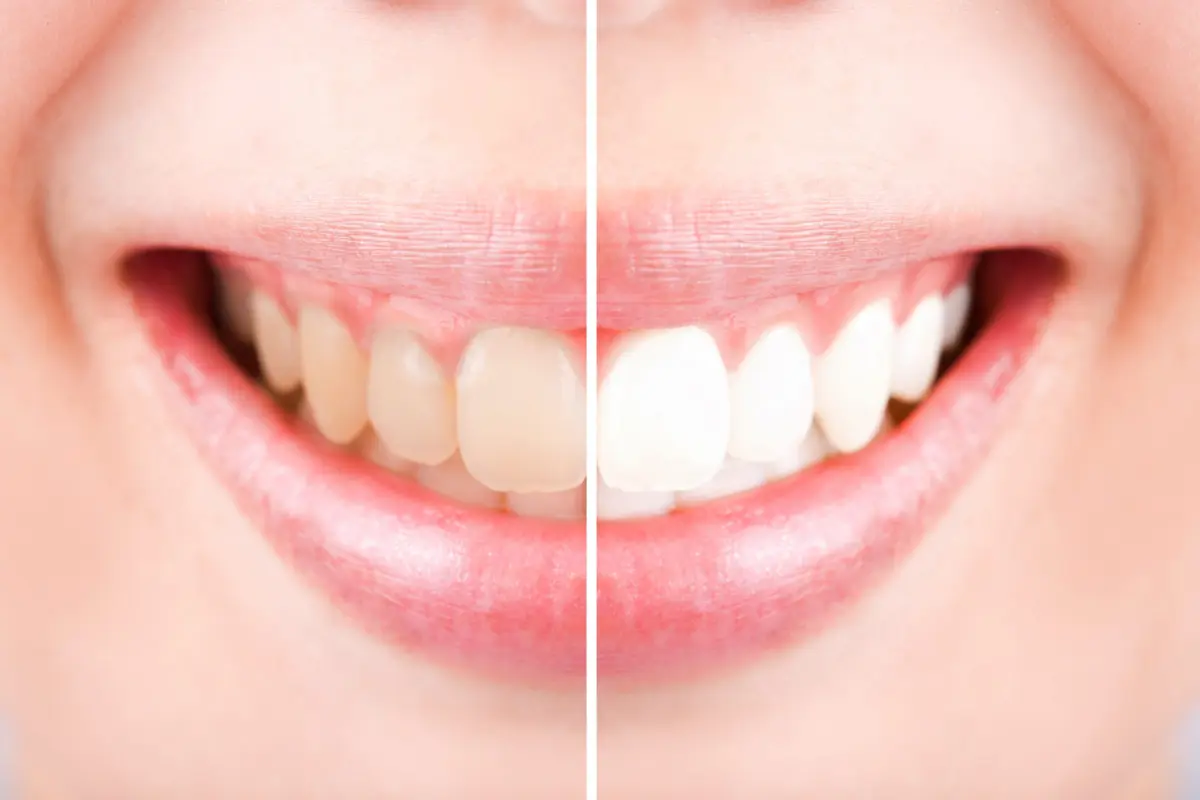
The journey begins in the dental chair. Whether a patient undergoes in-office chemical whitening or receives custom-crafted porcelain veneers, the immediate result is striking.
- For Whitening: Bleaching agents penetrate the enamel to break down organic stain molecules, resulting in a significantly lighter shade.
- For Veneers: Clinicians delicately prepare the tooth enamel, bonding ultra-thin porcelain shells that correct shape, alignment, and severe discoloration.
At this stage, the bite is balanced, margins are seamless, and the aesthetic payoff is maximized. However, this is merely the starting line, not the finish line.
Phase 2: The Seduction of Comfort (Months 1 to 6)
During the first few months post-procedure, patients are typically hyper-vigilant. They rinse after drinking dark liquids, brush meticulously, and avoid biting hard objects. Because everything looks pristine, a false sense of security often develops. Patients may begin skipping routine hygiene appointments, assuming their cosmetic work is immune to the standard rules of dental decay and staining.
Phase 3: The Micro-Wear and Environmental Assault (Months 6 to 24)
As time progresses, environmental factors begin to test the boundaries of the dental work:
- Plaque Biofilm Accumulation: Microscopic layers of plaque gather around the margins where veneers meet natural tooth structure. If left unchecked, this biofilm initiates localized gum inflammation.
- Dietary Chromogens: Daily consumption of coffee, tea, red wine, and dark berries deposits chromogens onto natural teeth and the microscopic pores of composite bonding or older restorative materials, causing uneven color matching.
- Mechanical Stress: Nightly clenching and grinding exert immense pressure on dental restorations, leading to microscopic micro-fractures in porcelain or accelerated wear on whitening touch-ups.
Phase 4: Long-Term Maintenance or Accelerated Degradation
By year three and beyond, the divergence between patients who practice strict preventive dentistry and those who rely solely on "reactive" care becomes glaringly obvious. Patients practicing proactive care retain their bright, stable smiles. Conversely, neglected smiles suffer from gum recession, marginal staining, recurrent decay beneath veneers, and premature restorative failure.
Supporting Context & Metrics: The Biological and Clinical Realities
Cosmetic dentistry does not exist in a biological vacuum. The success of veneers and whitening is inextricably linked to the health of the surrounding enamel, dentin, periodontal ligaments, and gingival tissues.
The Vulnerability of Margins and Gum Health
Porcelain veneers are exceptionally durable and resistant to surface staining compared to natural enamel. However, the tooth structure beneath and around the veneer remains fully biological and vulnerable to decay.
Furthermore, when plaque accumulates at the margin (the boundary where the veneer meets the natural tooth), it triggers gingivitis. Left untreated, gingivitis advances to periodontitis, causing the gums to recede.
According to data and oral health guidance provided by the Centers for Disease Control and Prevention (CDC), daily oral hygiene routines—supplemented by professional clinical interventions—are vital to mitigating the chronic oral diseases that compromise both functional health and aesthetic symmetry. When gums recede around veneers, the margins become visible, exposing darker root surfaces and disrupting the smile line.
+-------------------------------------------------------------------------+
|                  THE DEGRADATION CYCLE OF NEGLECTED SMILES              |
|                                                                         |
|  [ Inconsistent Brushing / Flossing ]                                   |
|                  │                                                      |
|                  ▼                                                      |
|  [ Plaque Accumulation at Veneer Margins ]                              |
|                  │                                                      |
|                  ▼                                                      |
|  [ Gingival Inflammation & Recession (Gum Pull-Back) ]                  |
|                  │                                                      |
|                  ▼                                                      |
|  [ Exposure of Restoration Margins & Underlying Tooth Root ]            |
|                  │                                                      |
|                  ▼                                                      |
|  [ Premature Failure, Aesthetic Disparity, & Costly Replacements ]      |
+-------------------------------------------------------------------------+
The Multifactorial Nature of Tooth Discoloration
Patients frequently assume that once teeth are whitened, they will remain bright indefinitely. Clinical evidence proves otherwise.
According to medical encyclopedias and oral pathology overviews provided by MedlinePlus, tooth discoloration is driven by a combination of extrinsic factors (surface stains from lifestyle habits) and intrinsic factors (internal structural changes, aging, medications, and enamel thinning).
As we age, natural enamel thinned by decades of mastication reveals the yellowish dentin beneath. Consequently, whitening maintenance is not merely about achieving a high initial brightness score; it is a continuous management strategy designed to slow down the inevitable re-accumulation of chromogenic compounds.
Comparative Methodologies: Preventive Care vs. Reactive Approaches
To fully grasp why structured dental maintenance is indispensable, we can analyze the three primary approaches patients take toward their post-cosmetic dental care.
| Approach Strategy | Clinical Definition & Daily Actions | Likely Long-Term Effect on Whitening and Veneers |
|---|---|---|
| Proactive Preventive Care | Regular bi-annual cleanings, comprehensive professional exams, diligent home hygiene (soft brushing, daily flossing), use of custom nightguards for bruxism, and dietary stain awareness. | Optimal Longevity: Maximizes the lifespan of whitening treatments, minimizes the risk of micro-fractures, prevents decay around veneer margins, and safeguards periodontal health. |
| Passive / "Wait-and-See" Care | Skipping routine dental exams, inconsistent brushing or flossing habits, ignoring mild gum tenderness, and dismissing early signs of nocturnal jaw clenching. | Accelerated Degradation: Higher incidence of marginal staining, severe gum recession, undetected sub-surface decay, and premature failure requiring costly replacements. |
| Unsupervised DIY Over-Correction | Heavy reliance on over-the-counter whitening strips, highly abrasive charcoal or whitening toothpastes, and lack of professional supervision. | Iatrogenic Damage: Increased dental hypersensitivity, enamel abrasion, soft tissue irritation, and jarring color discrepancies between natural teeth and existing restorations. |
Official Guidelines & Expert Perspectives
Dental and public health authorities universally emphasize that cosmetic enhancements must be supported by foundational preventive frameworks.
The Dentist’s Role as a Structural Guardian
A qualified general and cosmetic dentist looks far beyond superficial appearance. While patients naturally focus on shade guides and surface smoothness, clinicians monitor the intricate biomechanics of the bite (occlusion).
If a patient exhibits an unbalanced bite or uneven occlusal forces, even the strongest porcelain veneers will experience undue stress. Routine preventive exams allow clinicians to identify micro-traumas, adjust bite interferences, and apply protective measures—such as customized nightguards—long before structural catastrophe strikes.
Integrating Public Health Standards
The alignment between cosmetic longevity and foundational hygiene is reinforced by institutional guidelines. Public health frameworks consistently indicate that preventive dentistry reduces systemic inflammation stemming from oral pathogens.
By keeping the periodontal pockets clean and free of destructive bacteria, patients protect not only their financial investment in veneers and whitening but also their systemic cardiovascular and metabolic health.
Future Outlook: Sustainable Maintenance for a Lifelong Smile
Protecting a cosmetic dental investment does not require living in a state of clinical anxiety or depriving oneself of life’s simple pleasures, such as morning coffee or a glass of evening wine. Rather, long-term success is achieved through realistic planning, consistent daily execution, and strategic professional follow-up.
1. Institutionalized Cleaning and Exam Schedules
Adhering strictly to professional hygiene recalls (typically every six months, or more frequently for patients prone to rapid calculus buildup) is non-negotiable. Professional scaling removes hardened tartar that home toothbrushes cannot dislodge, while clinical exams allow dentists to evaluate the marginal integrity of restorations under magnification.
2. Gentle, Consistent Home Protocols
- Technique Over Force: Brush twice daily using a soft-bristled toothbrush with non-abrasive fluoride toothpaste. Aggressive brushing with high-abrasion formulas strips away protective enamel and scratches the surface glaze of porcelain and composite restorations.
- Daily Interdental Cleaning: Flossing remains the single most effective tool for preventing interproximal decay and preserving the papillary gum tissue that frames the top of each veneer.
- Controlled Whitening Touch-Ups: Any at-home whitening maintenance should be conducted strictly under the supervision of your dentist to prevent chemical sensitivity and mismatched shades between natural teeth and bonded restorations.
3. Mechanical and Behavioral Safeguards
- Bruxism Management: If nocturnal grinding is diagnosed, investing in a custom-fitted occlusal guard protects both natural dentition and porcelain veneers from catastrophic fracture.
- Dietary Mindfulness: Rinsing the mouth with plain water after consuming staining agents (coffee, tea, red wine) or acidic foods drastically reduces their erosive and chromogenic impact.
Conclusion
A brilliantly enhanced smile is a powerful asset that boosts confidence and alters personal presentation. However, bridging the gap between an initial cosmetic procedure and a lifelong radiant smile requires shifting from reactive repairs to proactive prevention. By prioritizing routine clinical evaluations, maintaining gentle and consistent home hygiene, and respecting the biological boundaries of your teeth and gums, you ensure that your investment pays aesthetic and functional dividends for decades to come.
Make prevention the cornerstone of your dental care routine, and let your smile remain a testament to both beauty and enduring health.