The global pet care market is undergoing a profound structural transformation, driven by a sociological phenomenon known as "pet humanization." Once viewed primarily as working animals or suburban companions, domestic pets—particularly dogs—have been elevated to the status of full family members, surrogate children, and central pillars of personal identity. This cultural pivot has birthed the "Dog Mom" demographic: a highly engaged, consumer-active cohort of pet parents who actively seek out products that externalize their maternal bond with their canine companions.
What began as a niche subculture has matured into a multi-billion-dollar economy. Today, consumer choices are increasingly guided by identity-driven merchandising. From expressive apparel and custom home goods to highly engineered utility accessories, products designed for dog owners are no longer merely functional; they are semiotic markers. This investigative report analyzes the macroeconomic drivers of the "Dog Mom" market, traces the chronology of the pet humanization movement, evaluates the performance of key retail product categories, and projects the future of this highly resilient consumer sector.
Detailed Chronology of the "Pet Humanization" Shift
The transition of the domestic dog from utility animal to household child did not occur overnight. It is the result of a multi-decade intersection of shifting demographics, economic pressures, and sociological evolution.
The Pre-2000s: The Era of the Functional Companion
Prior to the late 20th century, the relationship between humans and dogs was largely transactional. Dogs served functional roles—guarding property, hunting, or acting as simple playmates for children. Merchandising in this era was strictly utility-focused, consisting of basic kibble, wire crates, and heavy-duty chain leashes. Human apparel or accessories celebrating pet ownership were rare and generally confined to novelty veterinary circles.
The 2000s to 2010s: The Rise of "Premiumization"
As urbanization accelerated and family structures began to shift, the term "pet parent" entered the consumer lexicon. The global financial crisis of 2008 demonstrated the unique resilience of this sector; while luxury goods and travel collapsed, pet spending remained remarkably inelastic. Brands capitalized on this by introducing premium organic diets, orthopedic bedding, and advanced veterinary therapeutics. The dog was officially welcomed into the house, occupying physical and financial space previously reserved for human family members.
2020 to Present: The Pandemic Inflection and the "Dog Mom" Era
The COVID-19 pandemic served as an unprecedented catalyst. Remote work mandates and social isolation triggered a historic surge in pet adoptions. Simultaneously, declining birth rates and delayed marriages among Millennials and Gen Z cemented the dog’s role as a primary companion.
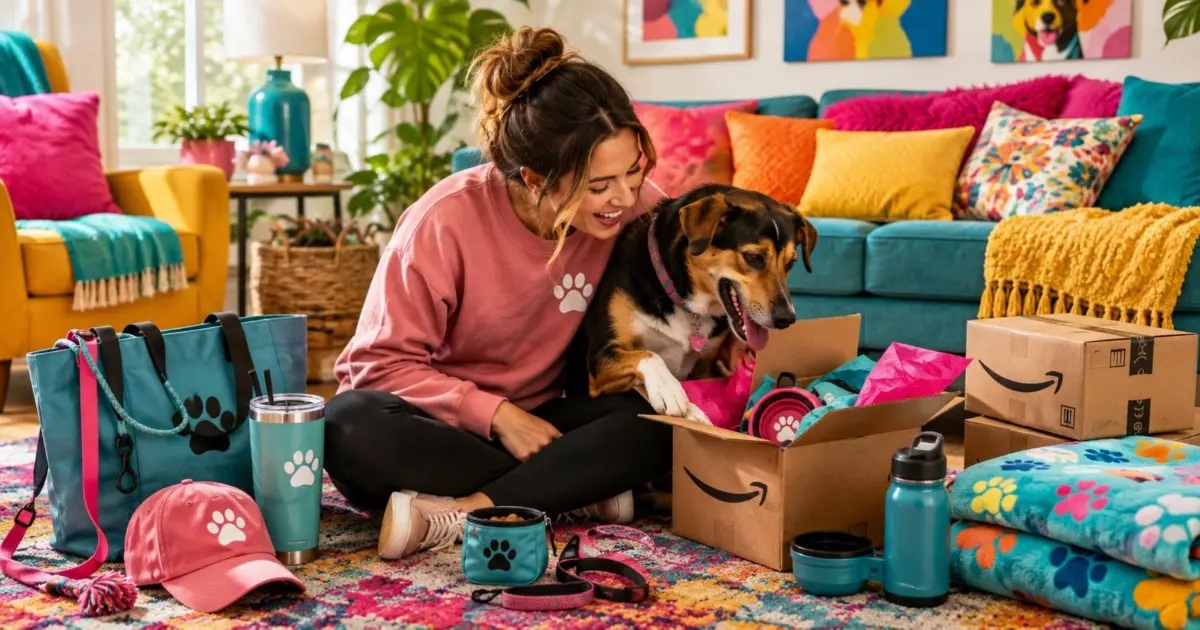
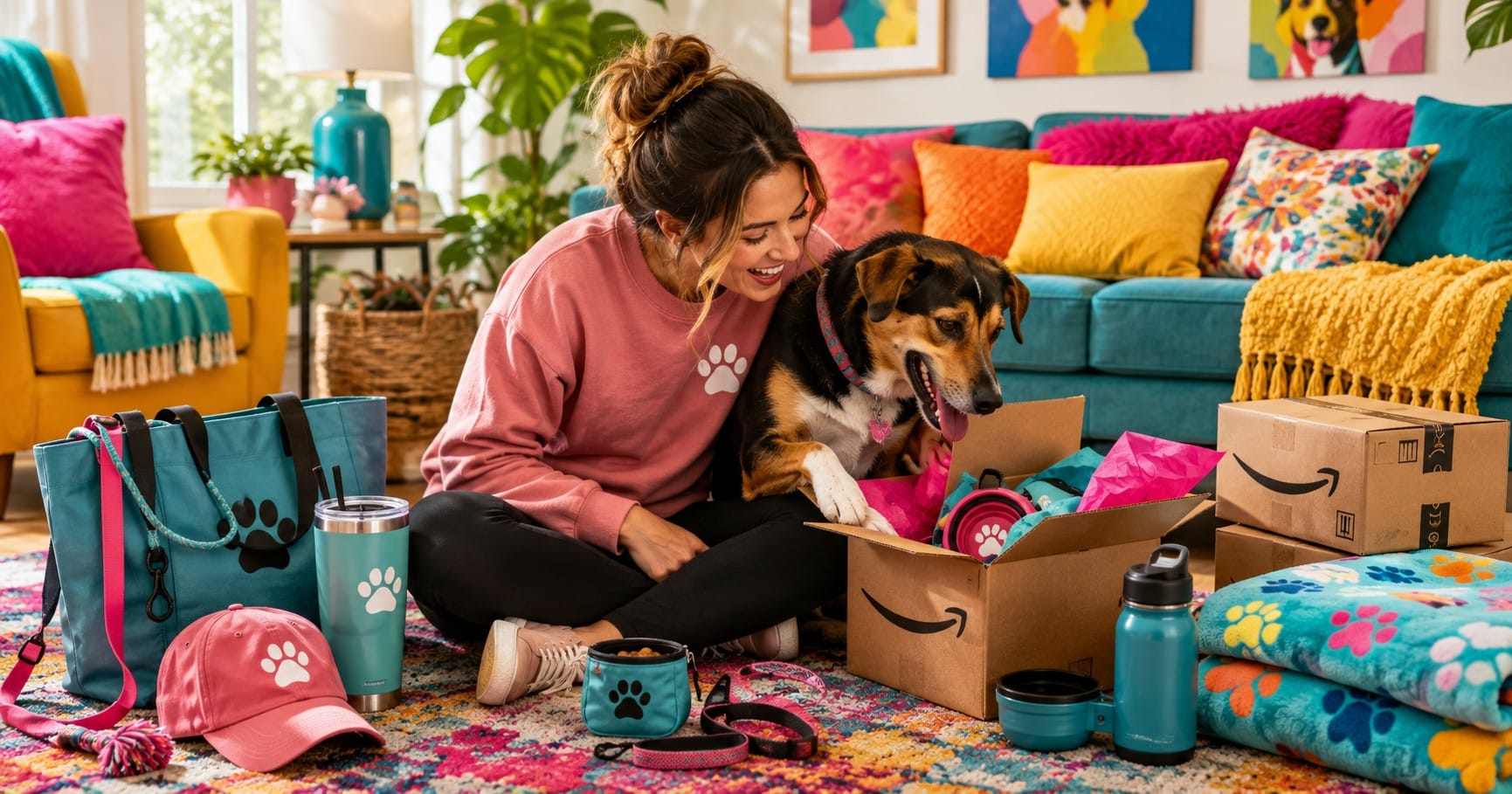
In this landscape, the "Dog Mom" identity emerged as a badge of pride. Social media platforms, particularly Instagram and TikTok, democratized pet influencer culture, making the public display of canine devotion a key component of personal branding. Consequently, the market shifted from producing goods for the dog to producing lifestyle goods for the human that celebrate the dog.
Case Analysis: The Anatomy of Modern Pet-Parent Merchandising
To understand the mechanics of this market, we must analyze the specific product categories that define the "Dog Mom" consumer landscape. An examination of current retail trends reveals that these goods fall into three distinct tactical pillars: Expressive Apparel, Tactical Utility, and Domestic Integration.
Apparel serves as the most direct method of identity broadcasting. Modern "Dog Mom" clothing has evolved beyond simple screen-printed graphics to incorporate contemporary design aesthetics, minimalist typography, and humor.
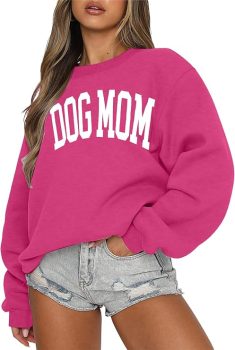
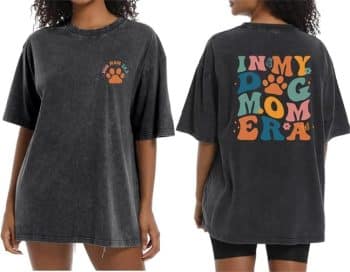
The Identity Sweatshirt: Typographical garments, such as the classic Dog Mom Sweatshirt or the "In My Dog Mom Era" T-Shirt, function as casual uniforms for weekend activities, park outings, and remote work. By aligning with cultural memes (such as the pop-culture concept of "eras"), these garments allow consumers to frame their pet ownership within broader societal trends.
The Narrative Graphic Tee: Humor plays a critical role in mitigating the social stigma of the "obsessive" pet owner. Products like the "I Left My Dog to Be Here" T-Shirt and the "Treat Dealer" T-Shirt utilize self-deprecating irony. These designs acknowledge the psychological friction of leaving one’s pet behind, converting social anxiety into a shared, relatable joke among members of the same subculture.
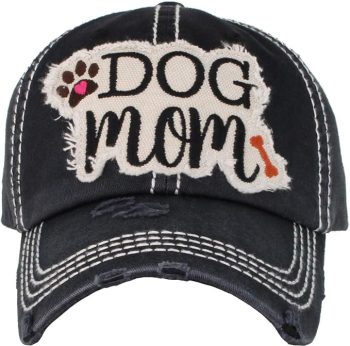
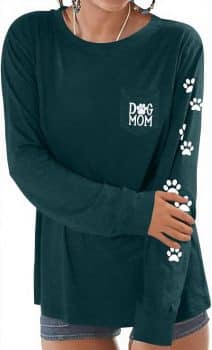
Subtle Branding and Minimalism: For consumers who eschew overt slogans, apparel like the Women’s Dog Paw Long Sleeve or the Funky Junque Distressed Baseball Cap offers a more understated approach. These items utilize distressed textures and simple iconographies (such as single paw prints) to signal pet-owner status without dominating the wearer’s overall aesthetic.
2. Tactical Utility and Mobility
As dogs are integrated into public spaces—including offices, breweries, and outdoor dining establishments—the demand for highly functional, travel-ready gear has escalated.
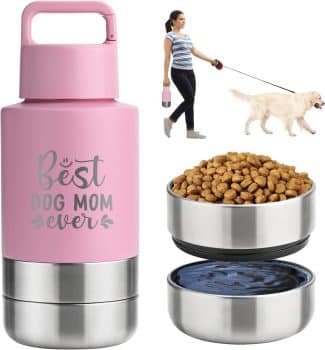
Integrated Hydration Systems: The Insulated Dog Travel Water Bottle with Detachable Bowls represents a major shift toward professional-grade utility. Rather than utilizing makeshift solutions, modern pet parents demand insulated, stainless-steel vessels that maintain temperature control for both human and canine hydration, featuring modular designs that conserve space during travel.
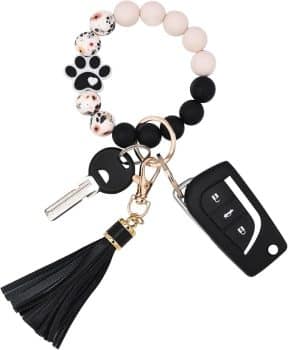
Hands-Free Mobility Accessories: Juggling leashes, treats, waste bags, and personal items has created a market for ergonomic carryalls. The Pawprint Silicone Beaded Wristlet and the CHALA Venture Mini Carryall are engineered specifically to streamline outdoor excursions. By converting keyrings and small storage into wearable, easily sanitized accessories, these products solve a physical pain point for active dog walkers.
On-the-Go Thermal Ware: The Paw Print Tumbler with Handle bridges the gap between office culture and outdoor utility. Featuring double-wall vacuum insulation and durable handles, these tumblers allow pet parents to maintain their daily routine—whether commuting or walking the dog—while keeping their identity visible.
3. Domestic Integration and Nesting
The final pillar of the "Dog Mom" economy centers on the home sanctuary, where products are designed to facilitate shared comfort and domestic rituals.
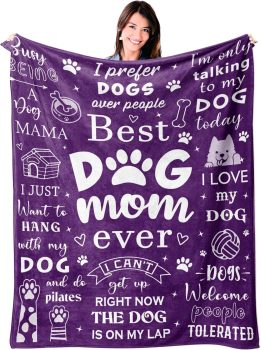
Shared Comfort Textiles: The Mosslink Dog Mom Blanket (60 x 50 inches) and Lazy One Dog Mom Pajamas illustrate the blurring boundary between human and pet comfort. These products are manufactured using ultra-soft, pet-hair-resistant fabrics designed specifically for co-sleeping and couch-cuddling.
Ritualistic Housewares: Morning routines are increasingly centered around pet interaction. The Pavilion Gift Company Dog Mom Coffee Mug and novelty HappyPop Fleece Socks are designed to elevate these quiet, early-morning moments before daily work schedules begin, reinforcing the emotional bond during quiet domestic hours.
Supporting Context & Metrics
The economic resilience of the pet parent sector is supported by robust market data. According to the American Pet Products Association (APPA), total pet industry expenditures in the United States alone exceeded $147 billion in recent fiscal years, with non-food categories—including supplies, apparel, and lifestyle accessories—showing the fastest year-over-year growth.
U.S. Pet Industry Expenditures (Billions USD)
2018: ── $90.5B
2020: ──── $103.6B
2022: ─────── $136.8B
2024 (Proj): ───────── $147.0B+
The Demographics of Spending
Market research indicates that Millennials and Gen Z currently represent over 43% of the pet-owning population. These demographics are characterized by:
Delayed Milestones: A higher percentage of these cohorts delay homeownership and child-rearing, instead investing discretionary income into companion animals.
High Lifetime Value (LTV): Young pet parents are likely to maintain high spending levels over the entire 10-to-15-year lifespan of their dogs, viewing lifestyle purchases as essential wellness investments rather than luxury splurges.
The "Humanization Cushion": Economists note that pet-related retail remains highly recession-proof. Even during inflationary cycles, consumers are highly reluctant to cut spending on their pets, often choosing to reduce their own luxury expenditures instead.
Official Statements and Sociological Perspectives
To understand the psychological drivers behind this market, we must look to consumer behaviorists and industry leaders who study the deep emotional bonds between humans and animals.
Dr. Elena Rostova, Lead Researcher at the Institute for Contemporary Consumer Dynamics, explains:
"We are witnessing a fundamental realignment of the family unit. The ‘Dog Mom’ label is not merely a marketing gimmick; it is a legitimate social identity that fills a vital role in modern, urbanized societies. When a consumer wears a shirt that says ‘I Left My Dog to Be Here,’ they are signaling their values to a world that is increasingly digital and disconnected. It is an authentic declaration of priority and emotional attachment."
Marcus Vance, Senior Retail Analyst at Vanguard Consumer Group, notes the retail implications:
"The brands winning in the pet space today are those that understand the concept of identity-driven commerce. It is no longer enough to sell a functional dog leash or a plain coffee mug. Consumers want products that tell a story about who they are. The integration of high-quality materials, clever design, and emotional resonance is what allows these products to command premium price points even in volatile economic environments."
Future Outlook: The Next Phase of the Companion-Animal Economy
As the pet humanization market matures, several key trends are projected to shape the future of identity-driven merchandising:
As environmentally conscious Gen Z and Millennial consumers consolidate their purchasing power, demand for eco-friendly pet products is expected to skyrocket. Future iterations of "Dog Mom" apparel and accessories will likely prioritize organic cottons, recycled plastics (PCR), and biodegradable materials, allowing consumers to align their love for animals with their commitment to environmental preservation.
2. High-Fashion and Premium Brand Collaborations
The boundary between pet brands and luxury fashion houses will continue to dissolve. We anticipate a significant increase in co-branded lines, where mainstream apparel brands partner with pet-utility companies to release highly curated, limited-edition capsules. This will elevate "Dog Mom" apparel from casual loungewear to high-street fashion status.
3. Systemic Workplace and Travel Integration
As hybrid work models become permanent and corporate offices increasingly adopt dog-friendly policies, the demand for "transitional" gear will grow. Brands will focus on developing products that seamlessly transition from professional office environments to outdoor spaces—such as high-end commuter bags with hidden treat compartments and sleek, silent hydration tools.
Ultimately, the "Dog Mom" phenomenon represents a permanent structural shift in consumer sociology. By celebrating the profound bond between humans and their canine companions, identity-driven merchandising has cemented its place as a cornerstone of the modern retail landscape.