
Executive Overview
In the realm of domestic companion animals, reaching the milestone of twenty years is an extraordinary rarity. For a feline, surviving two decades equates to roughly nearly a century of human experience, carrying with it all the biological frailties, sensitivities, and emotional depth of advanced old age. Yet, for a geriatric cat named Ethel, her twentieth year of life brought not a peaceful celebration in a secure home, but a harrowing trial of abandonment.
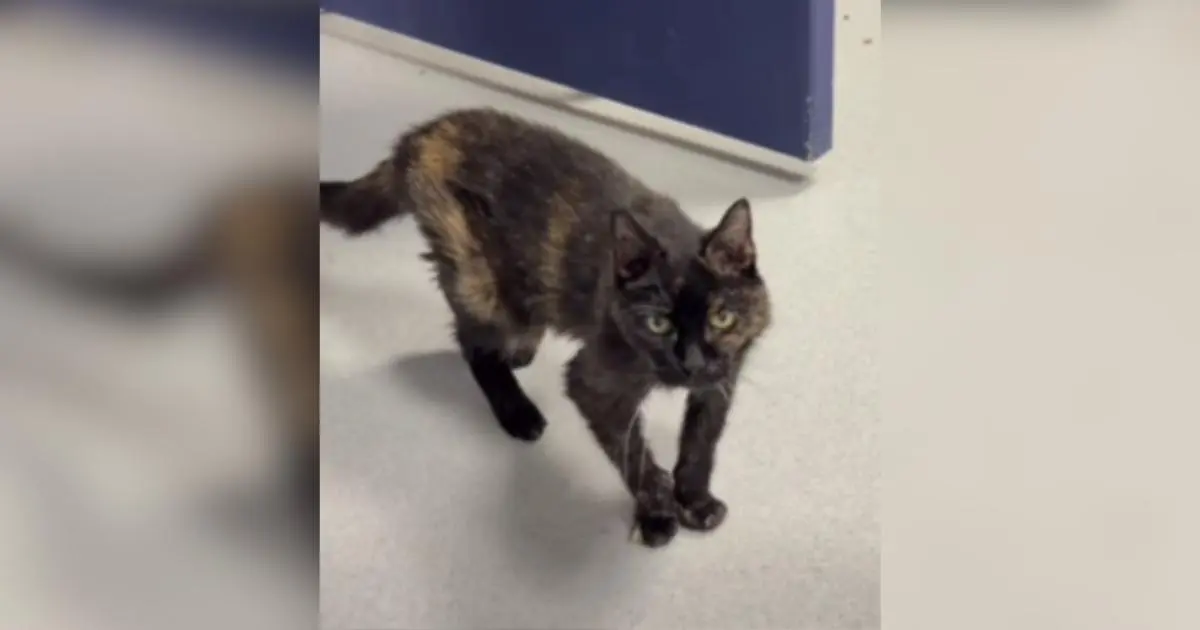
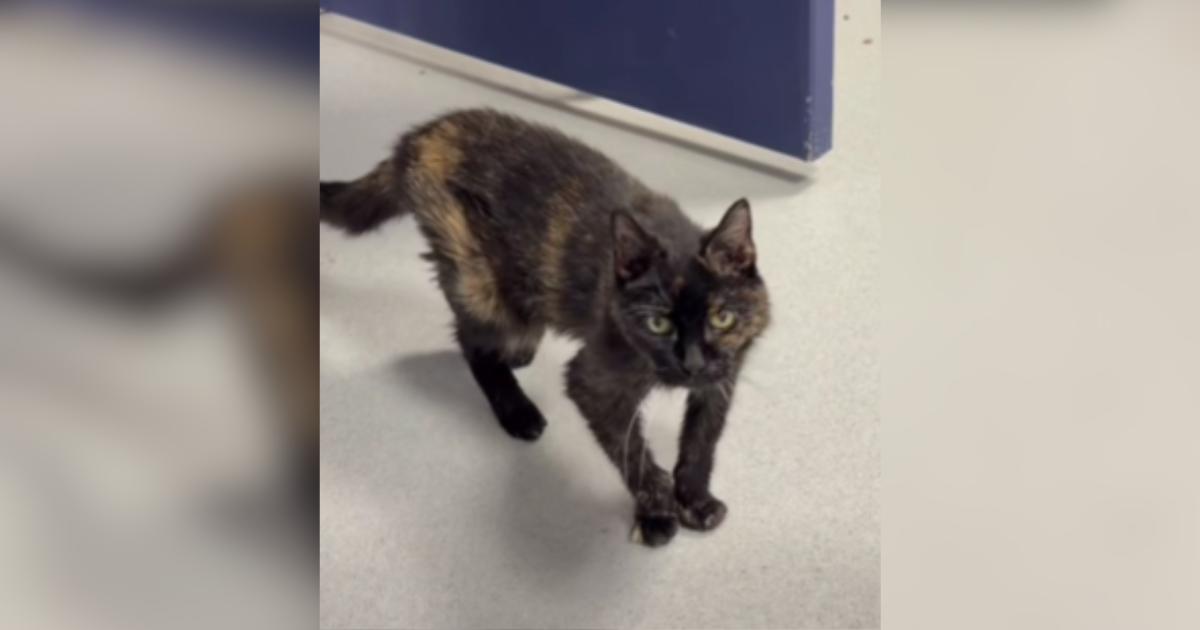
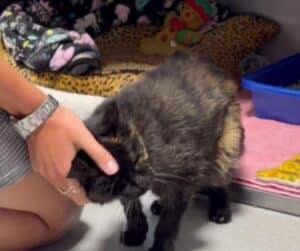
Discovered alone inside a discarded box near a local church during the punishing heat of summer, Ethel was utterly defenseless. Her physical condition spoke volumes of neglect: her once-dignified coat was severely matted, her body carried the acrid, lingering scent of cigarette smoke, and her emaciated frame made it painfully clear that she had suffered from prolonged hunger and vulnerability. How a feline who had spent twenty years under the care of a human owner could find herself cast aside in such a callous manner remains an enduring mystery.
However, Ethel’s story transcends the cruelty of her initial discovery. Through the swift intervention of local animal welfare advocates, a comprehensive medical assessment, and the intervention of an experienced rescuer, Ethel’s narrative shifted from one of heartbreaking abandonment to an inspiring testament of resilience. This report examines the chronological unfolding of Ethel’s rescue, analyzes the broader sociological and welfare implications of senior pet abandonment, explores the vital role of specialized rescue networks, and outlines the triumphant final chapter of a cat who simply refused to give up on love.
Detailed Chronology: From the Church Steps to Safety
The Discovery
The incident began on a blistering afternoon when a concerned citizen stumbled upon an unmarked box left unattended near the grounds of a local church. Inside lay Ethel. Exposed to elevated temperatures and left without access to water, shade, or basic nourishment, the elderly cat was in immediate peril.
Initial responders on the scene noted that Ethel’s physical presentation was distressing. Her fur was heavily pelted and matted—a condition that causes chronic skin discomfort and restricts movement—and she smelled heavily of environmental cigarette smoke, indicating she had likely spent a significant portion of her life in an indoor environment heavy with second-hand pollutants. Beyond physical neglect, the profound psychological toll of displacement was immediately evident in her quiet, trembling demeanor.
Intake and Microchip Revelation
Upon immediate transfer to a local animal shelter, veterinary staff initiated standard intake protocols. This included a thorough physical examination, rehydration therapy, nutritional stabilization, and a routine scan for an identification microchip.
The microchip scan yielded both a crucial piece of the puzzle and a profound ethical dilemma. The chip confirmed that Ethel was indeed twenty years old and had, at some point in her remarkably long life, been registered to a human owner. However, the discovery deepened the mystery rather than resolving it. Shelter investigators were left grappling with a chilling question: What set of circumstances could possibly lead an owner to abandon a twenty-year-old companion animal rather than surrendering her to a shelter, veterinary clinic, or rescue organization? Despite inquiries, the exact pathway that brought Ethel to those church steps remains unknown, leaving her past shrouded in unanswered questions.
Stabilization and Adaptation
While her history remained murky, her immediate future required urgent administrative and medical focus. Transferred from the sweltering heat into a climate-controlled, secure shelter environment, Ethel was finally enveloped by a team of professionals dedicated entirely to her physical restoration.
Remarkably, despite the trauma of being dumped in a box, Ethel exhibited an astonishing lack of hostility. Rather than retreating into a defensive crouch or displaying aggression—behavior frequently observed in traumatized and aged animals—Ethel leaned into human contact. She demonstrated a gentle, patient temperament with her human caretakers and showed immediate ease when placed in the company of other shelter felines. Her capacity to seek out companionship underscored a resilient spirit that two decades of life had tempered, but not broken.
Supporting Context & Metrics: The Crisis of Senior Pet Surrender
To fully grasp the magnitude of Ethel’s ordeal, one must examine the broader systemic challenges facing senior companion animals within the modern animal welfare infrastructure. Statistical data from national shelter networks consistently highlight a troubling trend: geriatric pets (defined generally as cats aged ten and older) face significantly lower adoption rates and disproportionately higher risks of abandonment compared to kittens and younger adults.
The Vulnerability of Geriatric Felines
Reaching twenty years of age places a cat in the top tier of feline longevity. According to veterinary demographic studies, fewer than five percent of domestic cats reach or exceed this milestone. At this stage of life, felines typically require specialized care, which may include:
- Dietary Adjustments: Specialized renal, hepatic, or gastrointestinal support formulations.
- Veterinary Interventions: Management of chronic conditions such as osteoarthritis, dental disease, hyperthyroidism, and early-stage renal insufficiency.
- Environmental Modifications: Easy-access litter boxes, low-profile bedding, and climate-controlled indoor spaces to stave off joint stiffness and temperature stress.
When owners face financial strain, housing displacement, or personal life transitions, the perceived burden of geriatric veterinary care frequently precipitates surrender. However, discarding an elderly animal outdoors—as occurred in Ethel’s case—represents an extreme breach of the human-animal bond. Environmental exposure can prove fatal to a geriatric cat within hours, particularly during extreme seasonal weather fluctuations.
The Role of Microchipping in Accountability
Ethel’s case highlights both the value and the limitations of microchip technology. While microchips serve as an immutable link between an animal and its registered owner, their efficacy depends entirely on the accuracy of the contact data and the ethical framework of the individual responsible. When an owner chooses deliberate abandonment, the microchip transforms from a tool of reunification into a silent witness of neglect. Animal welfare advocates continue to push for stricter legislative penalties for pet abandonment, alongside expanded community support networks designed to assist owners facing crisis situations before abandonment becomes their tragic default choice.
Official Statements and Sanctuary Expertise
The turning point in Ethel’s life arrived when her story caught the attention of individuals uniquely equipped to handle the complex needs of geriatric rescue. Chief among them was Ashley Knapik, a seasoned animal welfare advocate and founder of Hermione’s Home, an organization dedicated to the specialized care of vulnerable and senior animals.
The Expertise of Specialized Rescue
Ashley Knapik has been actively involved in cat rescue and rehabilitation since 2014. Over a decade of dedicated field experience has provided her with deep insight into the psychological and physical rehabilitation of cats that have experienced severe disruption late in life.
"Caring for a senior cat is an act of profound dedication," notes animal welfare literature surrounding geriatric fostering. "When an animal has lived for twenty years, they possess an internal map of the world that has suddenly been shattered. Restoring their sense of safety requires patience, intuition, and an unwavering commitment to comfort."
When shelter staff reviewed Knapik’s credentials and her track record with Hermione’s Home, the decision was instantaneous. Ethel was an ideal candidate for placement in an environment that understood the nuances of end-of-life comfort and palliative care. For the shelter workers who had watched the frail, smoke-scented cat transform into a loving, appreciative presence, seeing her depart for Knapik’s specialized care was an emotional milestone. It represented the ultimate validation of their daily labor: turning suffering into safety.
Future Outlook: Redefining Aging in Animal Welfare
Ethel’s journey serves as a powerful paradigm shift for the animal rescue community. Too often, advanced age is viewed by prospective adopters as an insurmountable barrier—a liability marked by impending veterinary bills and a shortened timeline of companionship. Ethel challenges this persistent stigma directly.
The Power of Senior Adoption
The successful adoption of a twenty-year-old cat underscores several vital takeaways for the future of animal sheltering:
- Emotional Resilience: Older animals frequently possess an established, calm temperament that adapts well to quiet, predictable home environments.
- Capacity for Reconnection: Ethel’s immediate affection toward her rescuers proves that the human-animal bond is not easily severed by trauma; older cats remain fully capable of forming deep, meaningful attachments late in life.
- The Value of Palliative Sanctuary: Organizations like Hermione’s Home demonstrate that society has a moral obligation to ensure that animals who have spent their lives bringing comfort are granted dignity and peace in their twilight years.
As Ethel settles into her new chapter under the expert guidance of Ashley Knapik, her legacy extends far beyond the confines of a local church box. She stands as a living symbol of endurance—a reminder that age does not diminish an animal’s inherent worth, nor does it extinguish their fundamental need to give and receive love. Her story challenges us all to look closer at the senior animals in our communities, to value their remaining days, and to ensure that no creature is left to weather the twilight of its life alone.