
Executive Overview
For centuries, domestic cats (Felis catus) have occupied a unique space in human civilization. Transitioning from revered deities in ancient Egypt to indispensable rodent controllers on historical trading vessels, and finally to cherished family members in modern urban apartments, felines have continuously adapted to human society. Today, selecting the right cat breed for a modern household requires a sophisticated balancing act of lifestyle evaluation, spatial awareness, economic forecasting, and genetic health considerations.
With dozens of recognized pedigree breeds and countless mixed-lineage cats populating shelters and homes, the sheer variety of options can be overwhelming for prospective owners. This report provides an authoritative, deeply researched analysis of the 15 most common cat breeds. It details their historical origins, distinct physiological characteristics, behavioral profiles, and specific husbandry requirements. Furthermore, this guide explores crucial decision-making criteria—including lifestyle alignment, veterinary health predispositions, and grooming commitments—to assist prospective pet parents in making informed, responsible adoption choices.

Detailed Chronology: The Evolution and Recognition of Popular Cat Breeds
The domestication of cats began approximately 10,000 years ago in the Near East, but the formal classification and breeding of distinct feline phenotypes is a relatively modern phenomenon. Understanding the historical timeline of how these breeds emerged sheds light on their instinctive behaviors and physical adaptations.
Ancient Roots and Natural Adaptations
- The Siamese (Pre-19th Century): Originating in the ancient Kingdom of Siam (now Thailand), these cats were revered by royal families and temple monks. Their distinct pointed coloration and vocalizations were documented in ancient manuscripts such as the Cat-Book Poems (approx. 1350–1767 AD).
- The American Shorthair (17th Century): Arriving in North America aboard the Mayflower and subsequent European vessels, these resilient mousers were crucial for protecting shipboard grain stores. Over centuries of natural selection in the New World, they developed robust, adaptable constitutions.
- The Persian / Shiraz (16th–17th Century): Imported from Persia (modern-day Iran) and the ancient city of Shiraz into Europe by Italian and French traders, these long-haired felines quickly became status symbols among European nobility.
The Rise of Organized Feline Fancy (Late 19th to Mid-20th Century)
- The Maine Coon (Late 19th Century to 1970s): Developed in the harsh climate of New England, the Maine Coon was initially celebrated as a rugged farm cat. Despite early popularity in early American cat shows, the breed faced a temporary decline before being officially recognized for championship status by the Cat Fanciers’ Association (CFA) in 1976.
- The Abyssinian (Late 19th Century): Believed to have been brought to Britain by soldiers returning from the Abyssinian War (Ethiopia) in the 1860s, this ticked-coat breed established its distinct look through careful breeding programs in Europe and North America.
- The British Shorthair (Late 19th Century): Formally standardized in Victorian England by breeders like Harrison Weir, these cats were selected from street cats for their sturdy frames and placid temperaments, becoming a cornerstone of European cat fancy.
Modern Experimental and Hybrid Breeding (Late 20th Century to Present)
- The Bengal (1960s–1980s): Created by crossing the Asian leopard cat (Prionailurus bengalensis) with domestic shorthairs, the Bengal was bred to combine wild aesthetics with a domestic temperament, gaining full international recognition in the late 20th century.
- The Scottish Fold (1961): Originating from a single barn cat with folded ears in Perthshire, Scotland, this spontaneous genetic mutation led to a distinct breed, though its development required careful outcrossing to manage associated cartilage and skeletal disorders.
- The Sphynx (1966): Emerging from a hairless kitten born in Toronto, Canada, the Sphynx represents a deliberate preservation of a natural genetic mutation, requiring specialized skin care due to its lack of fur.
The 15 Most Common Cat Breeds
1. Maine Coon
Often referred to as the "gentle giant" of the cat world, the Maine Coon is immediately recognizable by its substantial bone structure, rectangular body, shaggy water-resistant coat, and tufted ears. Native to the northeastern United States, many Maine Coons exhibit polydactylism (extra toes), an evolutionary trait that historically functioned as natural snowshoes, distributing their weight over winter terrain.

- Temperament: Highly social, playful, and remarkably good-natured with children and other household pets.
- Care Requirements: Requires regular brushing to prevent matting in its heavy double coat and ample vertical space to accommodate its large size.
2. Bengal
The Bengal brings the untamed look of the jungle into the living room. Characterized by striking spotted or marbled rosettes set against a shimmering coat (known as "glitter"), this breed descends from carefully managed hybridization between domestic cats and the Asian leopard cat.
- Temperament: Highly energetic, exceptionally intelligent, talkative, and demanding of both physical exercise and mental engagement (such as puzzle toys and leash training).
- Care Requirements: Low-maintenance coat grooming, but high-maintenance enrichment requirements to prevent boredom-induced behavioral issues.
3. Siamese
Distinguished by its high-contrast "point" markings (darker coloration on the face, ears, paws, and tail) and piercing sapphire-blue eyes, the Siamese is one of the foundational pillar breeds of the modern cat fancy. They generally appear in two distinct body types: the traditional "apple-head" (chubbier body and rounded head) and the modern wedge-head (slender, tubular body with oversized ears).

- Temperament: Exceptionally vocal, deeply affectionate, and emotionally demanding. They thrive in environments where they receive constant human interaction.
- Care Requirements: Short coat requires minimal grooming, but their psychological need for companionship means they should not be left alone for prolonged periods.
4. Persian
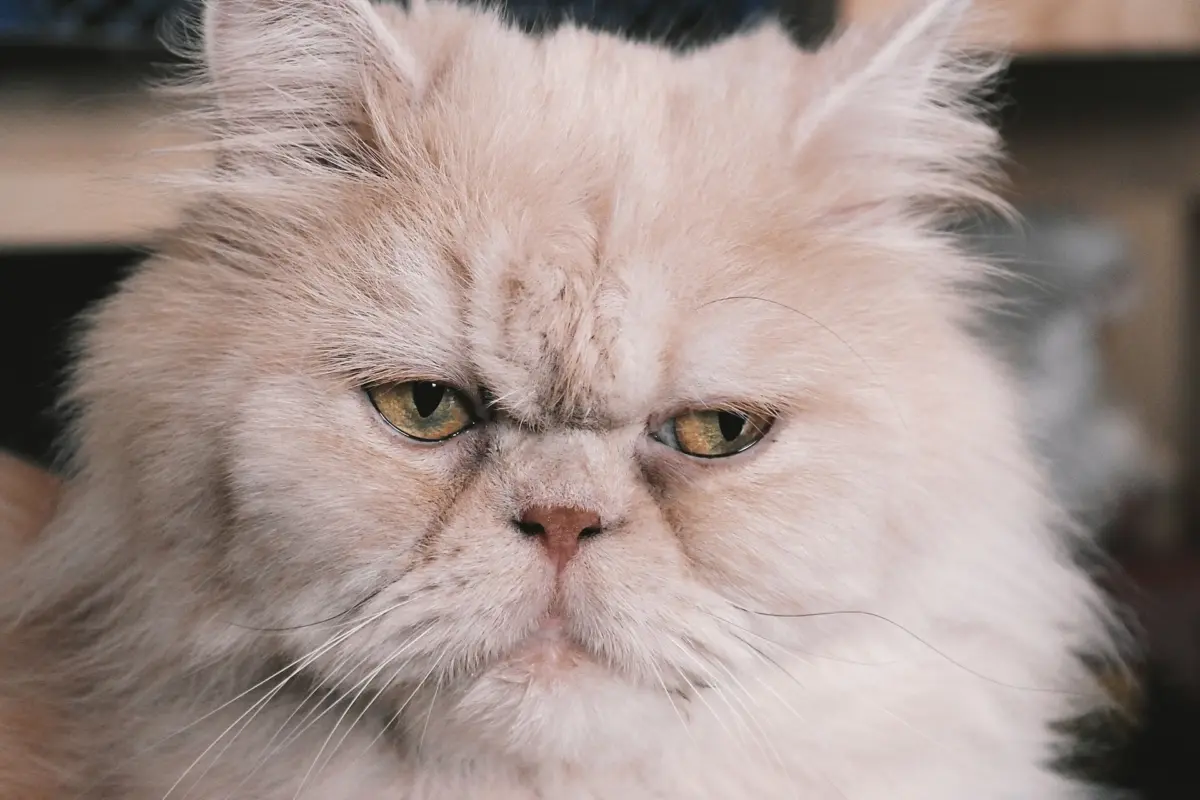
The Persian, or Shiraz cat, is famous for its luxurious, floor-length coat and distinctive brachycephalic ("smushed-face") profile. Available in a vast array of solid, bi-color, and pointed patterns, Persians are the epitome of indoor luxury pets.
- Temperament: Gentle, quiet, and profoundly easy-going. They prefer calm, predictable environments over chaotic households.
- Care Requirements: Demands daily brushing and combing to prevent painful matting. Their facial folds require regular cleaning to prevent tear-staining and dermatological irritation.
5. Ragdoll
Named for their unique tendency to go completely limp and relaxed when picked up, Ragdolls are large, heavy-boned cats with semi-long coats, striking blue eyes, and pointed color patterns reminiscent of long-haired Siamese.

- Temperament: Exceptionally docile, trusting, and dog-like. They frequently greet owners at the door and follow them from room to room.
- Care Requirements: Moderate grooming due to their plush coats, which are less prone to matting than Persian fur due to having minimal undercoat.
6. British Shorthair
A quintessential British icon, the British Shorthair features a compact, muscular body, a broad face, and a dense, plush coat often referred to as "crisp" or "plush-like." The classic blue (gray) variety is particularly famous.
- Temperament: Balanced, independent yet affectionate, and unfailingly polite. They are comfortable around children and other pets without being overly demanding.
- Care Requirements: Low maintenance. Their dense coat requires weekly brushing, and their moderate activity levels make them well-suited for apartment living.
7. Abyssinian
Hailing historically from regions spanning Ethiopia and Southeast Asia, the Abyssinian is celebrated for its distinctive ruddy agouti coat, where each individual hair shaft features multiple bands of color, giving the fur a warm, shimmering appearance.

- Temperament: Highly curious, athletic, and agile. Often described as "clowns of the cat kingdom," they love exploring high perches and participating in household activities.
- Care Requirements: Minimal coat care, but high mental stimulation requirements to keep their sharp minds occupied.
8. Russian Blue
Characterized by a striking double coat of vivid blue-gray tipped with silver—giving the fur a lustrous sheen—coupled with vivid emerald-green eyes, the Russian Blue is an elegant and reserved breed.
- Temperament: Gentle, intelligent, and somewhat shy around strangers. They form intense bonds with their primary caregivers and prefer peaceful, stable household routines.
- Care Requirements: Low grooming needs, though they thrive best in quiet environments free from sudden, disruptive stimuli.
9. American Shorthair
Bred from hardy European working cats brought to North America, the American Shorthair is a working-class feline royalty. They possess a powerful, balanced build capable of athletic feats, paired with a broad chest and strong jaw.

- Temperament: Placid, adaptable, and deeply affectionate. They integrate smoothly into diverse family structures and multi-pet households.
- Care Requirements: Minimal grooming. Regular brushing during seasonal shedding periods is sufficient to maintain skin and coat health.
10. Oriental Shorthair
Closely related to the Siamese family, the Oriental Shorthair shares the sleek, tubular body and large ears of its cousin but comes in over 300 color and pattern combinations, ranging from solid ebony to classic tabby.
- Temperament: Highly extroverted, vocal, and emotionally sensitive. They suffer greatly from separation anxiety if left isolated for extended periods.
- Care Requirements: Extremely low grooming requirements, but high emotional and social investment is mandatory from the owner.
11. Devon Rex
Instantly identifiable by its oversized "bat-like" ears, elfin facial structure, and short, rippled, suede-like wavy coat, the Devon Rex is an architectural marvel in the feline world.

- Temperament: Mischievous, playful, and exceptionally people-oriented. They often ride on their owners’ shoulders and participate actively in family life.
- Care Requirements: Their unique coat requires gentle care—frequent baths are often necessary to manage skin oils, and their ears must be cleaned regularly of wax accumulation.
12. Sphynx
The Sphynx appears entirely hairless at first glance, though a closer inspection reveals a fine layer of peach fuzz covering warm, wrinkled skin. Their large lemon-shaped eyes and prominent cheekbones give them an otherworldly, ancient Egyptian appearance.
- Temperament: Affectionate to the point of being clingy, highly energetic, and warmth-seeking (often burrowing under blankets or seeking human laps).
- Care Requirements: High maintenance. Because they lack fur to absorb natural body oils, Sphynx cats require regular weekly baths and careful skin monitoring.
13. Scottish Fold
Characterized by folded ears that bend forward and downward toward a rounded skull—the result of a spontaneous cartilage mutation—the Scottish Fold possesses an owl-like facial expression.

- Temperament: Sweet-tempered, quiet, and adaptable. They bond closely with human family members and enjoy moderate playtime.
- Care Requirements: Regular ear inspections are vital to prevent infections, and breeding practices must be strictly regulated to avoid degenerative joint diseases associated with the folding gene.
14. Burmese
Originating from a single foundational female (Wong Mau) brought from Burma to the United States in the 1930s, the Burmese is a muscular, surprisingly heavy cat with large, expressive gold or yellow eyes and a short, satin-like coat.
- Temperament: Extroverted, dog-like, highly trainable (capable of learning fetch and leash walking), and deeply social.
- Care Requirements: Low coat maintenance, but requires active companionship to prevent destructive boredom.
15. Birman
Known in legend as the "Sacred Cat of Burma," the Birman features deep blue eyes, color-pointed fur, and distinctive pure white "gloves" on all four paws. Their semi-long coats lack a dense undercoat, giving the fur a silky texture.

- Temperament: Gentle, quiet, and affectionate. They strike a balance between playfulness and serene relaxation, making them ideal companion animals.
- Care Requirements: Moderate brushing to prevent minor tangles, though their lack of a heavy undercoat makes them easier to groom than Persians or Maine Coons.
Supporting Context & Metrics: Key Decision-Making Factors
Choosing the correct cat breed involves analyzing quantifiable metrics related to time, space, and financial resources. Prospective owners must evaluate four core pillars:
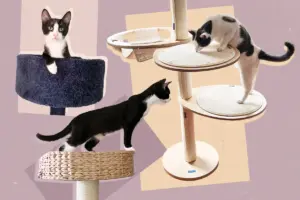
- Energy Expenditure vs. Living Space: High-energy breeds like Bengals and Abyssinians require a minimum of 600 square feet of vertical territory (cat trees, wall shelves) or supervised outdoor/leash access. Conversely, British Shorthairs and Persians adapt effortlessly to compact apartment living.
- Economic and Veterinary Overhead: Purebred cats often carry breed-specific medical predispositions that influence pet insurance premiums and veterinary bills. For instance, brachycephalic breeds (Persians, Scottish Folds) face higher risks of respiratory and orthopedic interventions.
- Allergen and Grooming Allocations: While no cat is truly hypoallergenic, hairless breeds (Sphynx) and low-shedding rex varieties require specialized skin and coat regimens that demand significantly more weekly human hours than standard short-haired domestic mixes.
Official Statements and Expert Perspectives
Veterinary associations and feline welfare organizations emphasize the importance of matching lifestyle with breed characteristics rather than selecting purely based on aesthetic appeal.

"The decision to bring a pedigree cat into a home must be rooted in an understanding of behavioral genetics," notes Dr. Elena Vance, a prominent feline behavioral researcher. "When owners fail to provide adequate mental stimulation for high-drive breeds like Bengals or Orientals, we frequently observe stress-induced behavioral manifestations, such as over-grooming or house-soiling. Conversely, matching the right temperament to a household ensures a harmonious, lifelong bond."
Furthermore, the International Cat Association (TICA) continually advocates for responsible breeding practices, particularly regarding morphological mutations:

"Preserving unique physical traits, such as folded ears or hairlessness, must never supersede the fundamental health, mobility, and physiological well-being of the animal."
Future Outlook: Trends in Feline Ownership and Breeding
As urban environments become denser and more people live in multi-family housing complexes, consumer preferences in cat breeds are shifting.

- Rise of Low-Maintenance Companions: Demand for adaptable, moderately active breeds—such as the British Shorthair and Ragdoll—is projected to rise steadily among remote workers and urban professionals seeking low-stress companionship.
- Advances in Genetic Health Screening: The increasing accessibility of feline DNA testing allows breeders and owners to screen for hereditary conditions (such as hypertrophic cardiomyopathy in Maine Coons or polycystic kidney disease in Persians) before adoption. This scientific progress promises healthier, longer lives for future generations of pedigree cats.
- Ethical Breeding Standards: Public scrutiny regarding extreme physical traits is driving ethical breeders toward structural moderation, prioritizing robust health over exaggerated aesthetic extremes.
By carefully evaluating these breeds against personal lifestyles, prospective cat owners can ensure a rewarding, healthy, and mutually enriching relationship with their new feline companion.