
Executive Overview
A recent media publication recommending commercial pet foods has ignited a sharp debate within the veterinary and consumer advocacy communities, bringing long-standing gaps between commercial pet food marketing, veterinary training, and federal regulatory oversight back into the spotlight. In an article published by Good Housekeeping titled "8 Dog Food Brands Vets Actually Recommend," featured veterinary experts endorsed several high-profile pet food products. However, the recommendations have drawn critical pushback from pet food consumer advocates, who argue that the article perpetuates scientifically inaccurate dental claims, uses vague nutrition terminology, and omits critical distinctions regarding feed-grade versus human-grade ingredients.
The controversy highlights a persistent disconnect in the pet care industry. While media platforms routinely leverage veterinary credentials to validate consumer product guides, the guidance provided frequently overlooks the complex legal definitions established by the Association of American Feed Control Officials (AAFCO) and the regulatory practices of the U.S. Food and Drug Administration (FDA). Advocate organizations, led by Susan Thixton of TruthaboutPetFood.com and the Association for Truth in Pet Food, have formally challenged the publication, raising broader questions about how nutritional advice is vetted, how kibble affects oral health, and whether veterinary professionals receive adequate instruction in pet food manufacturing laws.
Detailed Chronology
[Good Housekeeping Article Published]
       │
       ├─► Recommends 8 dog food brands featuring veterinary commentary
       │   ├─► Dr. Alejandro Caos endorses Nutro Ultra Dry (claims kibble cleans teeth)
       │   ├─► Dr. Megan Conrad endorses Purina ProPlan ("nutritionally balanced")
       │   └─► Ollie Pet Food labeled as "homemade-looking dinners" (human-grade context omitted)
       │
[Advocacy Review & Analysis]
       │
       ├─► Susan Thixton (TruthaboutPetFood.com) evaluates claims against regulatory standards
       │   ├─► Debunks kibble dental claim (lacks VOHC certification)
       │   ├─► Highlights lack of definition for "high-quality" and "balanced"
       │   └─► Identifies failure to distinguish human-grade vs. feed-grade
       │
[Formal Consumer Outreach]
       │
       └─► Advocate outreach sent to Good Housekeeping; calls for consumer transparency
The dispute originated with the digital release of Good Housekeeping’s round-up, aimed at guiding dog owners through the dense marketplace of commercial kibble, fresh foods, and specialty formulations. To establish authoritative credibility, the outlet consulted two veterinary professionals, Dr. Alejandro Caos and Dr. Megan Conrad.
Key Endorsements and Assertions
-
Nutro Ultra Dry Dog Food ("Best Overall"):
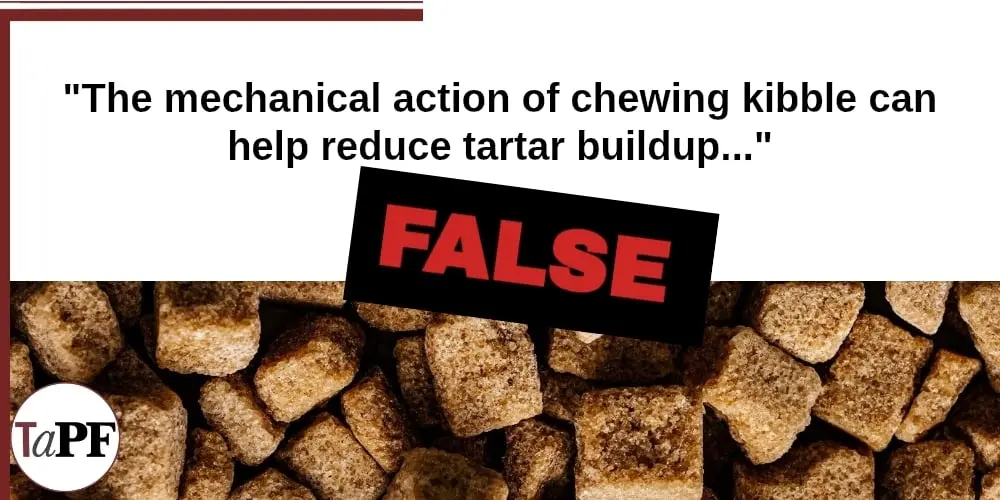
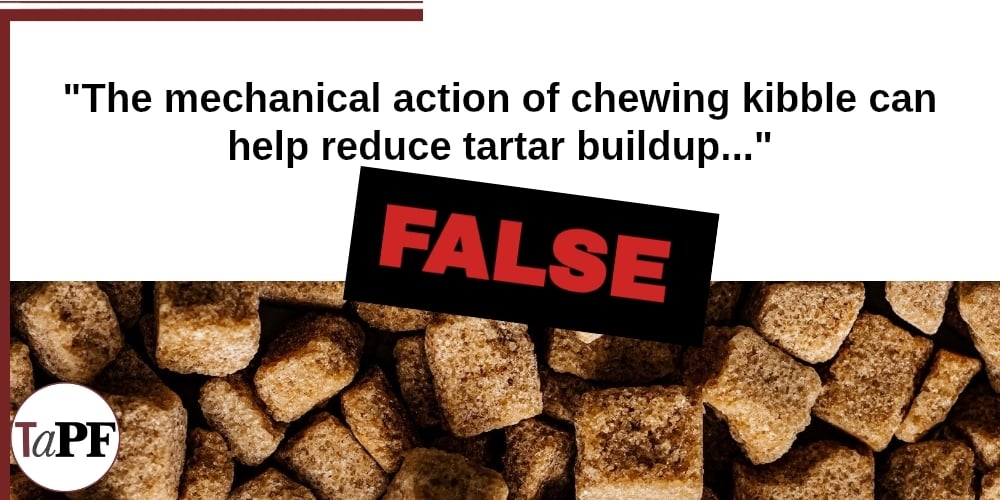
Dr. Caos endorsed this formulation, claiming that the physical texture of dry kibble active in the chewing process plays a therapeutic role in canine dental hygiene. Dr. Caos stated:"The crunchy texture can help promote dental health… The mechanical action of chewing kibble can help reduce tartar buildup and maintain healthier teeth and gums, while the abrasive action of chewing can help scrape away plaque."
-
Purina ProPlan:
Dr. Conrad offered a strong endorsement for Purina ProPlan, describing it as "one of the most nutritionally balanced options on the market," while advising pet owners that healthy diets must prioritize "balanced nutrition" and "high-quality ingredients." -
Ollie Pet Food:
Among the eight highlighted products, Ollie Pet Food was the sole fresh-food option featured. However, the publication categorized the product primarily by its visual aesthetic, describing it as offering "homemade-looking dinners," rather than defining its structural, regulatory distinction as a human-grade product.
The Advocacy Intervention
Following the publication of these claims, Susan Thixton—a prominent pet food consumer advocate and representative at AAFCO proceedings—published a critique challenging the factual basis of the article’s core recommendations. Thixton argued that the advice offered by the consulted veterinarians reflected widespread misconceptions regarding dry pet food mechanics and regulatory classifications. Formal correspondence was subsequently directed to Good Housekeeping, requesting corrections and detailing how the published guidance could misinform pet owners regarding canine health and diet safety.
Supporting Context & Metrics
The debate underscores several structural issues within pet food manufacturing, veterinary education, and federal labeling regulations.
The Kibble Dental Myth vs. VOHC Standards
The assertion that standard dry dog food cleans teeth via abrasive friction remains one of the most persistent myths in pet care. Scientifically, standard kibble does not reduce plaque or tartar buildup for the vast majority of dogs.
Standard Kibble Chewing Mechanics:
[Tooth Strikes Kibble] ──► [Kibble Shatters Instantly] ──► [Contact Lost Before Gumline]
                                                            (No plaque scraping occurs)

VOHC-Certified Dental Kibble Mechanics:
[Tooth Penetrates Kibble] ──► [Kibble Holds Matrix Structure] ──► [Fibers Scrape Tooth Surface]
                                                                  (Plaque/Tartar Reduced)
When a dog bites into a standard piece of commercial kibble, the brittle structure shatters immediately upon contact with the tip of the tooth crown. Because the kibble crumbles before the tooth fully penetrates it, there is no sustained mechanical friction against the surface of the tooth near the gumline—where plaque and tartar accumulation lead to periodontal disease.
To legally or scientifically claim that a dry food reduces tartar or plaque, a product typically undergoes clinical testing evaluated by the Veterinary Oral Health Council (VOHC).
- VOHC Certification Criteria: Foods receiving the VOHC Seal of Acceptance must demonstrate a statistically significant reduction in plaque or calculus through controlled trials.
- Structural Formulation: VOHC-accepted dental kibbles are engineered with specialized matrices, larger kibble sizes, or chemical plaque inhibitors (such as sodium hexametaphosphate) that resist immediate shattering, forcing the tooth to sink deep into the kibble matrix before it breaks.
- Regulatory Compliance: Standard commercial kibbles, including Nutro Ultra Dry, do not carry VOHC certification for plaque and tartar control, making broad sweeping claims about their mechanical dental benefits scientifically inaccurate.
Human-Grade vs. Feed-Grade: A Critical Regulatory Distinction
A central point of contention raised by advocates is the media’s failure to differentiate between human-grade pet food and feed-grade pet food. By reducing a fresh-food brand like Ollie to merely "homemade-looking," consumers are left unaware of fundamental regulatory and ingredient sourcing differences.
| Feature / Standard | Human-Grade Pet Food | Feed-Grade Pet Food |
|---|---|---|
| Legal Sourcing Standard | Ingredients suitable for human consumption | Ingredients not required to meet human food safety standards |
| Manufacturing Facility | USDA-inspected human food processing plants | Animal feed manufacturing plants |
| AAFCO Definition | Every ingredient and finished product meets 21 CFR Part 117 | Governed by state feed laws and AAFCO feed definitions |
| FDA Enforcement Discretion | Excluded from 4D animal waivers | Subject to FDA policies allowing 4D animal tissues |
| Handling & Packaging | Strict human-food chain safety and sanitation protocols | Standard animal feed safety protocols (FSMA animal feed rules) |
Under federal law (the Federal Food, Drug, and Cosmetic Act), food intended for human consumption must adhere to strict sanitary, sourcing, and handling standards. Conversely, standard pet foods are classified as "animal feed."
The distinction becomes particularly significant when examining FDA policy regarding raw ingredient sourcing. Under FDA CPG Sec. 675.400 (Conditioned Policy/Enforcement Discretion), the federal government exercises regulatory leeway allowing animal feed to contain ingredients derived from animals that have died otherwise than by slaughter (often referred to in the industry as 4D livestock: Dead, Dying, Diseased, or Disabled), provided the processing neutralizes potential microbial hazards.
┌────────────────────────────────────────────────────────────────────────┐
│                        Pet Food Legal Framework                        │
├───────────────────────────────────┬────────────────────────────────────┤
│         Human-Grade Food          │          Feed-Grade Food           │
├───────────────────────────────────┼────────────────────────────────────┤
│ • Human-food-grade processing     │ • Rendered meals & feed ingredients│
│ • USDA inspection required        │ • Animal feed facility standards   │
│ • Zero 4D animal tissue permitted │ • FDA CPG 675.400 discretion applies│
└───────────────────────────────────┴────────────────────────────────────┘
Because human-grade products must maintain an unbroken chain of human-edible verification from farm to final packaging, they operate under entirely different safety, cost, and sourcing structures than traditional feed-grade kibbles. Omitting this distinction deprives consumers of vital context when evaluating pet food value and safety.

The Problem of Unquantified Terminology
The commentary provided by veterinary professionals routinely relies on subjective industry buzzwords that lack precise legal or regulatory definitions under AAFCO guidelines:
- "High-Quality Ingredients": AAFCO regulations do not recognize or define the term "quality" on pet food packaging or in clinical evaluations. Feed-grade rendered byproduct meal and whole human-grade muscle meat can both be marketed under broad claims of high quality without regulatory penalty.
- "Nutritionally Balanced": While AAFCO establishes minimum and maximum nutrient profiles for "complete and balanced" pet foods across life stages (Growth/Lactation vs. Adult Maintenance), describing one feed-grade brand as "more nutritionally balanced" than another lacks empirical foundation unless supported by comparative, peer-reviewed clinical trials.
Official Statements & Stakeholder Positions
Consumer Advocate Perspective
Susan Thixton, founder of TruthaboutPetFood.com and co-founder of the Association for Truth in Pet Food (ATPF), articulated the frustration shared by many informed pet owners regarding media reliance on surface-level veterinary endorsements:
"Good Housekeeping states that for more than 125 years, they have been evaluating products and advocating for consumers. In this case, Good Housekeeping and the veterinarians they consulted with dropped the ball… We have to assume that Good Housekeeping and their veterinarians do not know there are feed-grade ingredients and human-grade ingredients used in pet foods. But they should know."
Thixton emphasized that the issue is not intended to impugn the character of individual veterinarians, but rather to highlight systemic educational gaps within the profession:
"Their words do not make them bad veterinarians; it only shows they are not informed about pet food regulations and manufacturing realities. If your veterinarian makes statements like these, ask them questions: What do you mean by ‘quality ingredients’? Are they human-grade or feed-grade? Do you have peer-reviewed science to evidence that a product is ‘more balanced’? Can you share it with me?"
Regulatory Context (FDA Policy Guidance)
The FDA’s position regarding the inclusion of non-slaughtered animal tissues in animal feed remains a foundational element of consumer advocacy critiques. In public statements and compliance policy documents regarding animal feed safety, the FDA has previously noted:
"We do not believe that the use of diseased animals or animals that died otherwise than by slaughter to make animal food poses a safety concern, and we intend to continue to exercise enforcement discretion."
This regulatory posture forms the core justification for advocacy groups demanding clear labeling on pet food packaging to delineate feed-grade items from human-grade foods.
Future Outlook & Consumer Guidance
The controversy surrounding Good Housekeeping’s recommendations points to a growing movement toward transparency in the pet food industry. As pet owners become increasingly aware of ingredient sourcing, manufacturing distinctions, and regulatory loopholes, media outlets and veterinary professionals are facing unprecedented pressure to provide rigorous, evidence-based recommendations.
Moving Beyond Generic Advice: A Consumer Verification Framework
To navigate commercial pet food claims effectively, industry advocates recommend that consumers and pet care professionals adopt a structured verification process when evaluating veterinary advice and brand marketing:
                  [Pet Food Evaluation Framework]
                                 │
         ┌───────────────────────┴───────────────────────┐
         ▼                                               ▼
[Dental Health Claims]                         [Ingredient Sourcing]
  │                                              │
  ├─► Check for VOHC Seal                        ├─► Is it Human-Grade? (21 CFR Part 117)
  └─► If absent, treat "abrasive                └─► Is it Feed-Grade? (FDA CPG 675.400)
cleaning" claims as unverified-
Verify Dental Claims via Objective Standards:
Do not assume dry kibble cleans teeth. Check the product packaging for the official Veterinary Oral Health Council (VOHC) Seal of Acceptance. If the seal is absent, dental benefit claims should be viewed with skepticism, and mechanical tooth cleaning should be managed through daily brushing, dental chews, or professional veterinary cleanings. -
Demand Clarification on Ingredient Sourcing:
When a product or veterinarian claims to utilize "quality ingredients," ask whether the finished product is legally classified as Human-Grade or Feed-Grade. Request specific information on whether ingredients are processed in USDA-inspected human food facilities or standard feed rendering plants. -
Request Peer-Reviewed Evidence for Nutritional Superiority:
If a brand is recommended as "more nutritionally balanced" than competitors, ask for the underlying peer-reviewed studies or clinical trials supporting the claim. Verify whether the food has undergone AAFCO feeding trials or merely meets basic calculated formulation targets.
Regulatory Reform Trajectory
As stakeholder organizations like the Association for Truth in Pet Food continue to represent consumer interests at bi-annual AAFCO meetings and FDA public forums, the push for clearer labeling standards is gaining momentum. Emerging trends indicate that future pet food regulations may eventually require explicit labeling of feed-grade status, tighter rules surrounding structural dental claims, and clearer definitions for marketing buzzwords.
Until such regulatory reforms are codified into law, the onus remains on media outlets to thoroughly vet their technical sources, and on pet owners to critically evaluate mainstream nutritional advice through the lens of established regulatory facts.