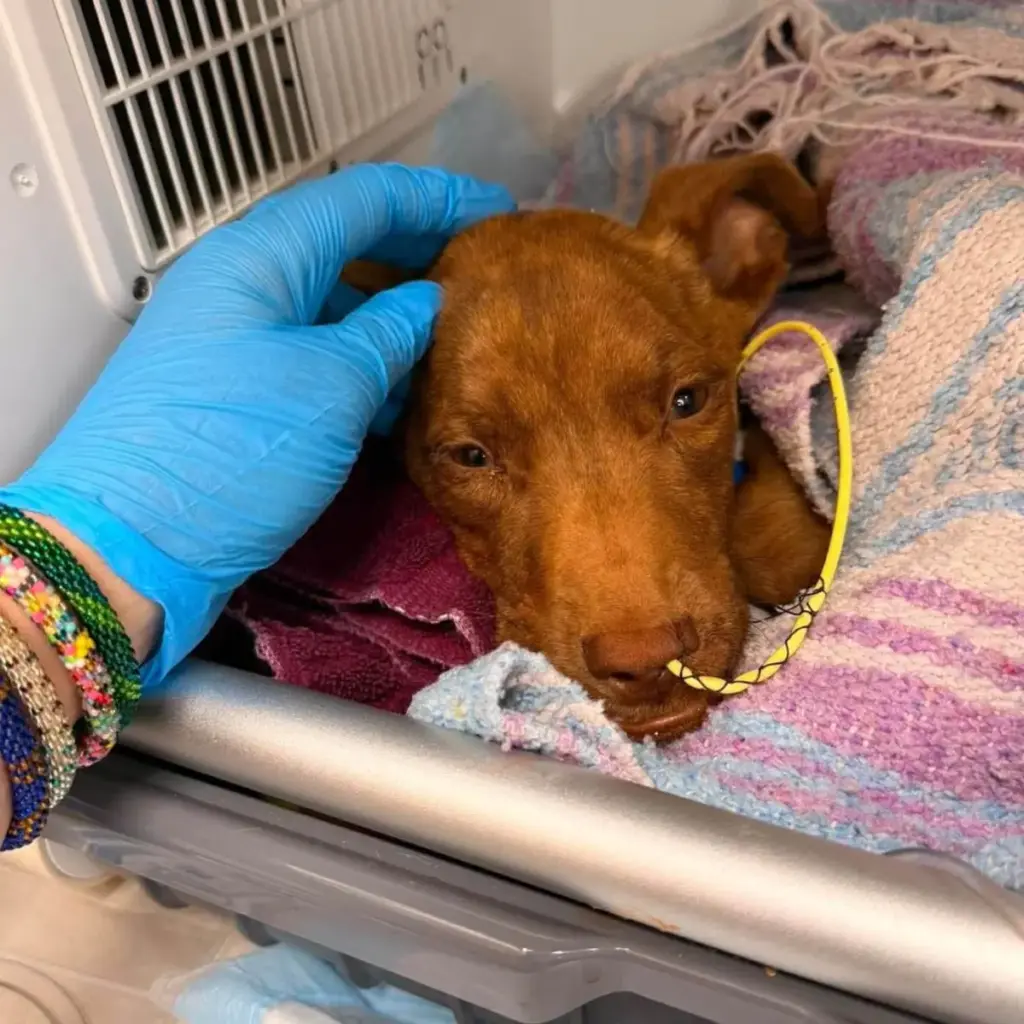
In the municipal landscape of Houston, Texas, the crisis of stray and neglected animals remains an ongoing challenge for local animal welfare organizations. While thousands of cases pass through shelters annually, occasionally a single animal’s survival campaign captures the stark realities of this systemic issue. Rudy, a mixed-breed puppy estimated to be under six months old, became the center of one such intensive intervention in late August.
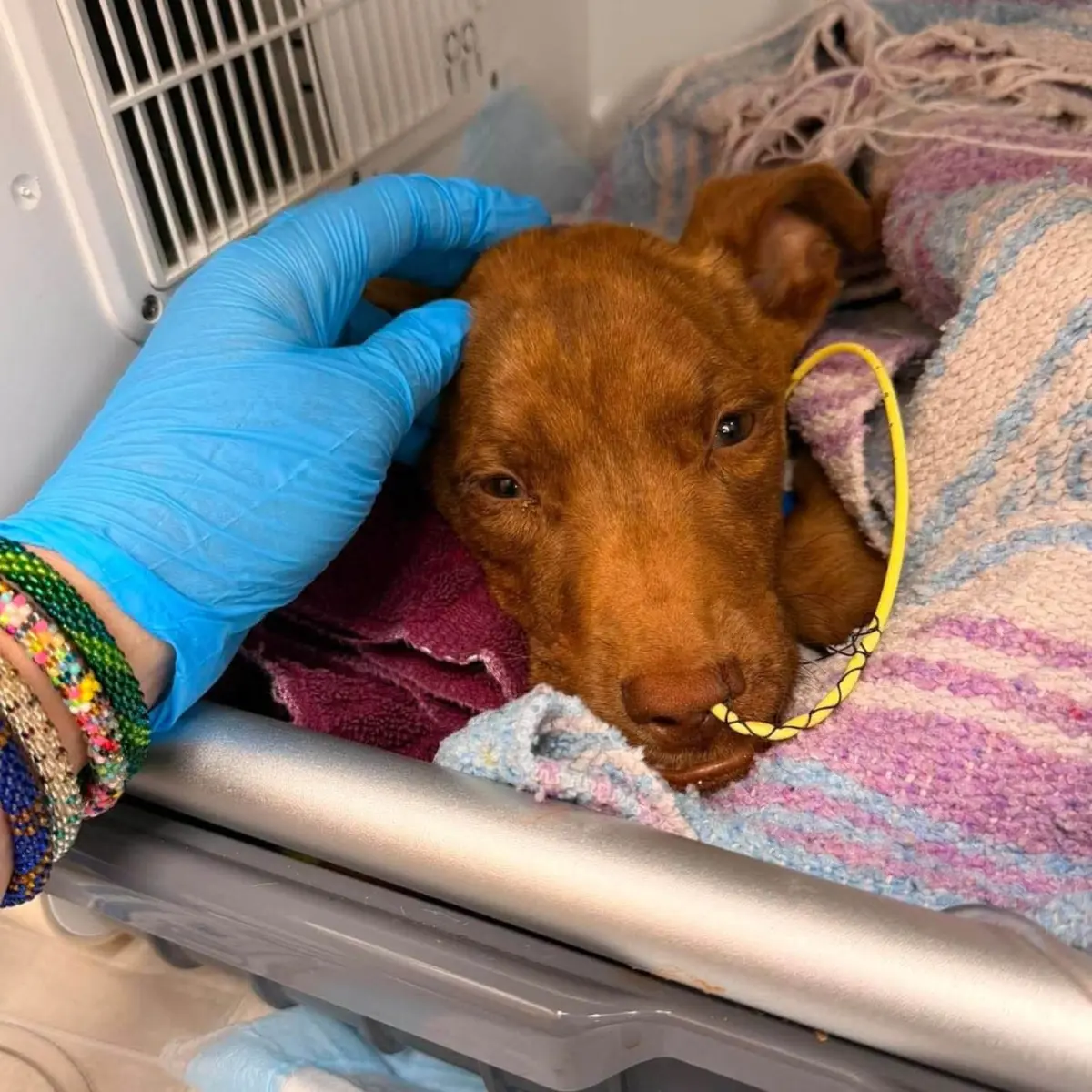
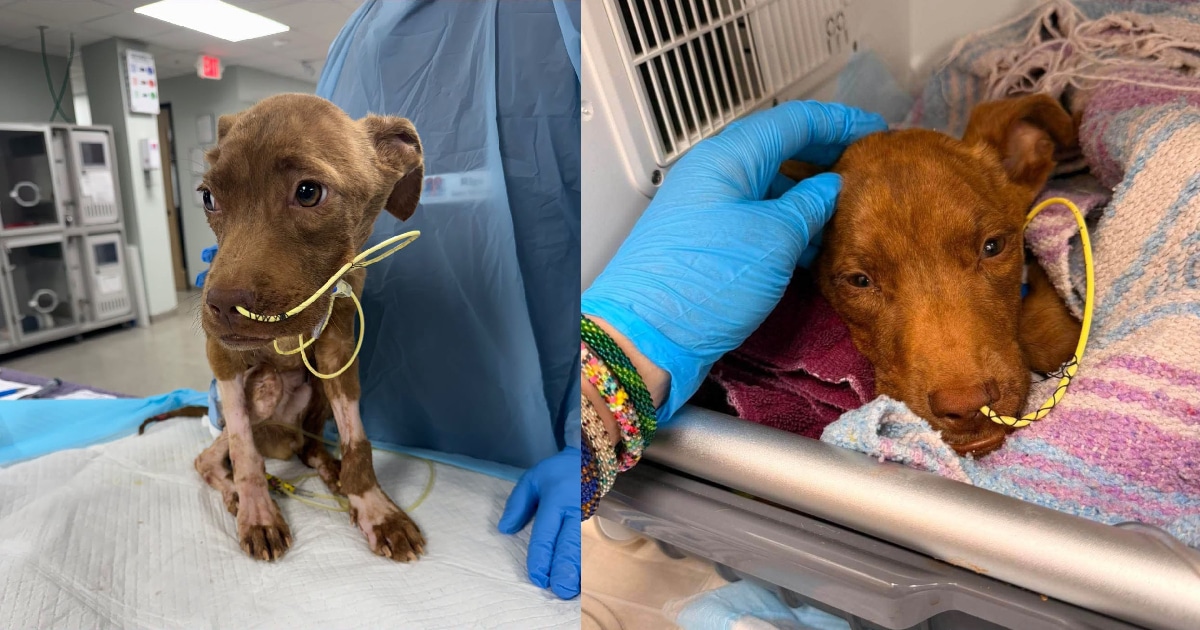
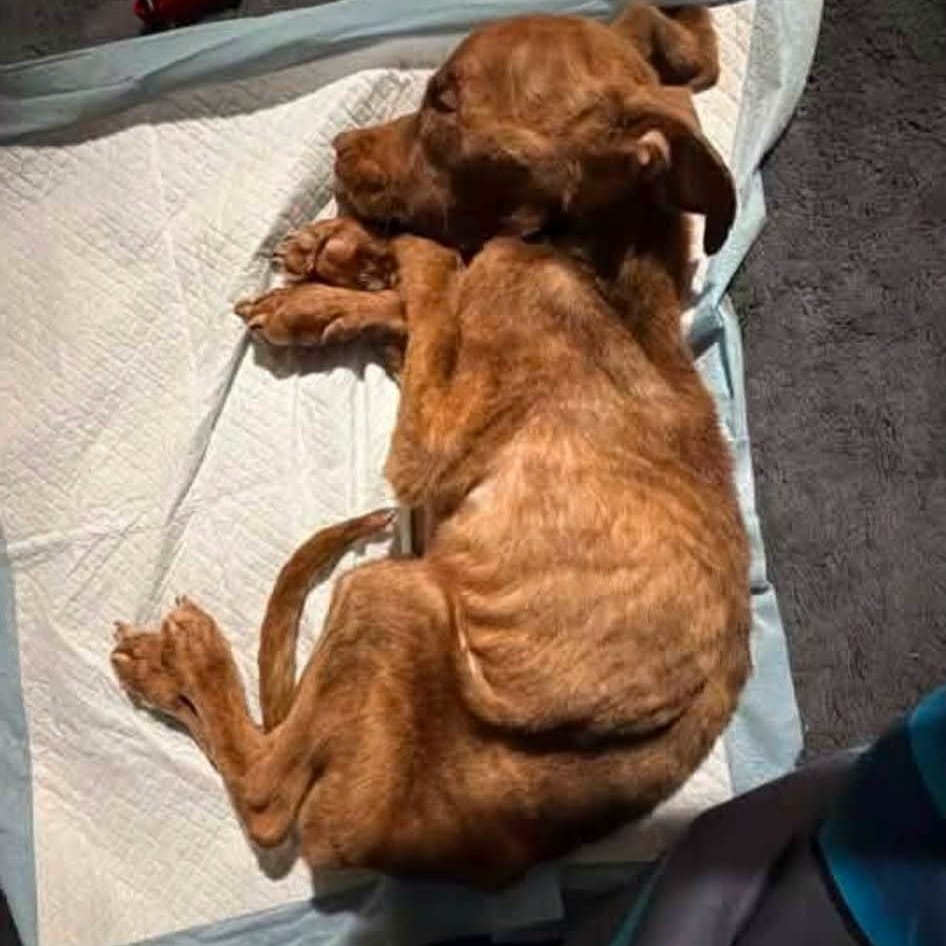
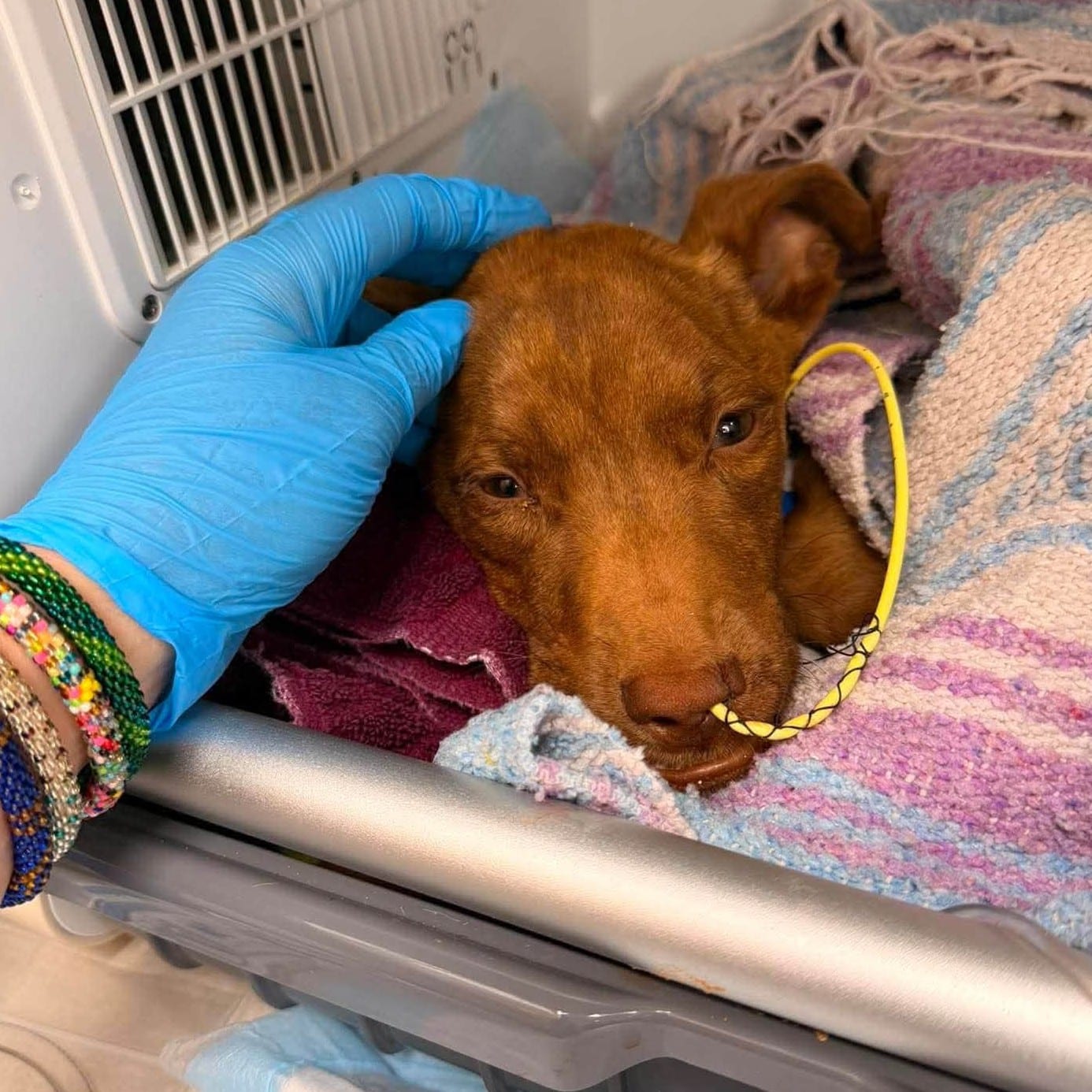
When discovered on the streets of Houston, Rudy was in a state of advanced physiological collapse. Severely emaciated, profoundly hypothermic, and displaying signs of multisystemic failure, his clinical presentation was so critical that immediate diagnostic procedures had to be postponed in favor of basic life-support stabilization. His rescue, orchestrated by the non-profit organization ThisIsHouston and executed in partnership with the veterinary specialists at VERGI 24/7 Emergency & Critical Care, initiated a multi-week medical campaign.
Rudy’s case represents a complex veterinary challenge, requiring a multidisciplinary treatment protocol that addressed severe anemia, profound leukopenia, suspected sepsis, potential neurological pathogens, and debilitating secondary tissue necrosis. This investigative report details the chronological, clinical, and systemic dimensions of Rudy’s rescue, offering a comprehensive look at the limits of emergency veterinary medicine and the community infrastructure that supports it.
Phase I: Admission and Immediate Life Support (The Golden Hours)
Rudy was admitted to the emergency intake unit of VERGI 24/7 in a state of near-dead suspension. Initial triage metrics painted a grim clinical picture:
Core Body Temperature: Recorded at 90°F (32.2°C), representing a state of severe, life-threatening hypothermia. Normal canine body temperature ranges between 101°F and 102.5°F.
Perfusion Status: Gums were extremely pale, indicating poor peripheral perfusion, severe anemia, and potential hypovolemic shock.
Hematology: Initial blood testing revealed a Packed Cell Volume (PCV) of approximately 10%, a critical threshold indicating that the puppy’s blood was depleted of oxygen-carrying red blood cells. Normal canine PCV values range from 35% to 55%.
Faced with these figures, the veterinary team prioritized thermal regulation and vascular volume restoration. Rudy was placed in an active-warming incubator to slowly elevate his core temperature without triggering peripheral vasodilation-induced shock.
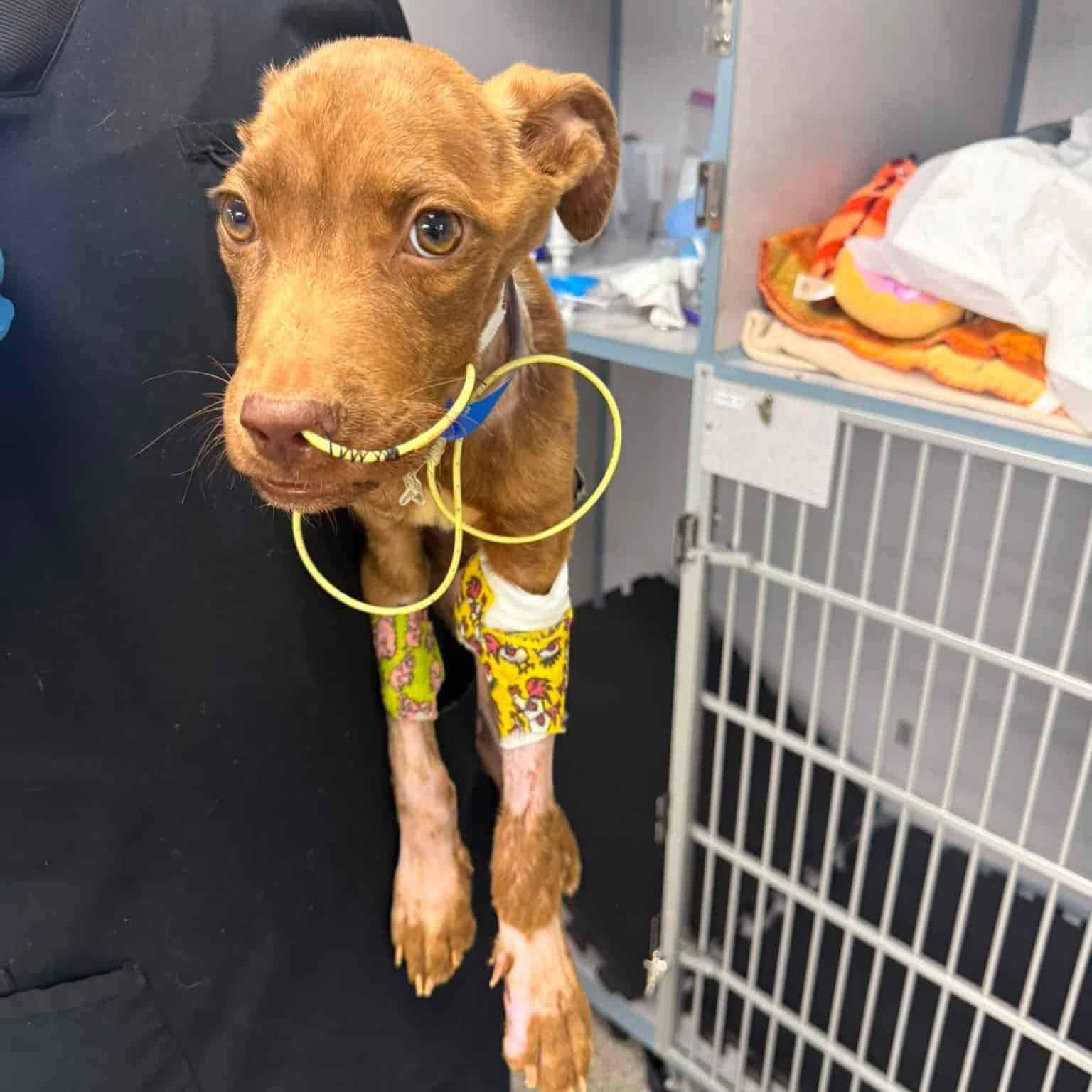
To address the life-threatening anemia, the clinical team administered an emergency whole-blood transfusion. Simultaneously, Rudy’s low blood pressure and hypoglycemia were managed with intravenous fluid therapy containing dextrose and electrolyte supplementation. Because he was too weak to swallow or maintain sternal recumbency, a nasogastric feeding tube was placed to safely introduce caloric intake.
Phase II: The Neurological Threat and Sepsis Scare
By mid-August, as Rudy’s temperature stabilized, his medical team faced a secondary wave of systemic complications. The puppy’s white blood cell (WBC) count collapsed to an alarming low of 1.7 x 10³/µL, leaving him severely immunocompromised. Doctors suspected that an overwhelming bacterial infection, an ingested environmental toxin, or a systemic inflammatory process was driving him toward sepsis.
To combat this suspected systemic infection, veterinarians initiated an aggressive triple-antibiotic protocol, rotating through broad-spectrum antimicrobials.
Just as the antibiotic therapy began, Rudy developed worrying neurological signs, including localized facial twitching, head bobbing, and an inability to lift his head. In a young, unvaccinated stray dog, these symptoms strongly pointed toward the neurological phase of canine distemper virus (CDV)—a highly contagious and often fatal disease.
The veterinary team submitted a diagnostic PCR panel to an external laboratory, forcing rescuers and medical staff into a tense waiting period while Rudy remained isolated under strict biosecurity protocols.
Phase III: Non-Ambulatory Complications and Tissue Necrosis
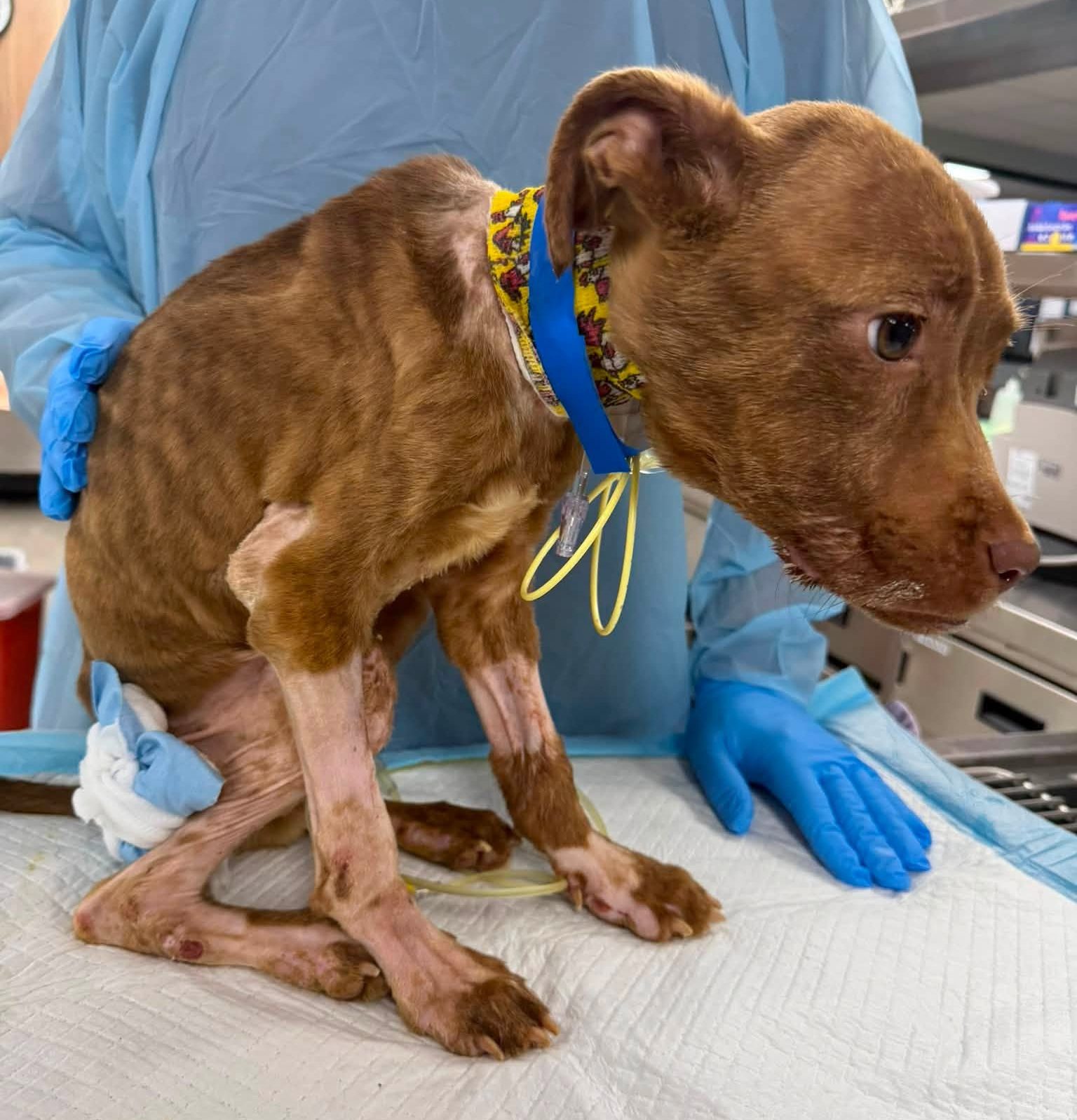
While awaiting the distemper results, Rudy’s prolonged immobility created a new set of painful physical challenges. Because he was too weak to stand or shift his weight, he developed severe pressure sores (decubitus ulcers) over his bony prominences.
A large area of dry, necrotic tissue formed over his left hip. Veterinary surgeons performed a debridement procedure to remove the dead tissue, exposing a deep wound with minimal healthy margin.
A second pressure sore developed over his knee. Initial examinations feared bone exposure, but further evaluation confirmed it was deep fascial tissue.
Additionally, poor peripheral circulation caused dry gangrene at the tip of his tail. The tissue became completely necrotic, prompting plans for a partial tail amputation once the patient was stable enough to undergo general anesthesia.
Phase IV: The Turning Point and Clinical Rebound
On August 23, the rescue received the breakthrough they needed: Rudy’s canine distemper PCR panel returned negative. Concurrently, the neurological tremors subsided, suggesting the facial twitching may have been a transient manifestation of severe electrolyte imbalances or metabolic encephalopathy rather than viral neuropathology.
Rudy’s blood work also showed remarkable signs of recovery:
Leukocyte Rebound: His white blood cell count climbed from a critical 1.7 x 10³/µL to a stable 7.6 x 10³/µL, proving his bone marrow was actively responding to treatment.
Hematocrit Stability: His PCV leveled out at 21% without requiring further transfusions.
Homeostatic Independence: His core temperature stabilized, allowing clinicians to remove him from the incubator.
By August 24, Rudy began showing normal puppy behaviors. He became alert to his surroundings, vocalized at hospital staff, and showed a strong interest in food.
Physiotherapists began gentle, passive range-of-motion exercises to combat muscle atrophy. On August 25, supported by veterinary technicians, Rudy took his first tentative, unassisted steps.
August 15: Admission (Temp: 90°F | PCV: 10% | WBC: 1.7)
   │
August 20: Sepsis & Distemper Scare (Neurological tremors observed)
   │
August 23: Diagnostic Breakthrough (Distemper: Negative | WBC: 7.6)
   │
August 25: Physical Milestone (First unassisted steps taken)
   │
September 2: Discharge (Transitioned to foster care)
Phase V: The Final Setback and Discharge
By the end of August, plans were made to transition Rudy to specialized foster care. However, on the scheduled morning of his release, Rudy spiked a sudden fever.
Erring on the side of caution, the medical team at VERGI 24/7 delayed his discharge, keeping him on intravenous monitoring for an additional 48 hours.
Fortunately, the fever proved to be a temporary spike. His wounds continued to heal, and the necrotic tissue on his tail tip began to slough off naturally, eliminating the need for immediate surgical amputation.
By early September, Rudy was cleared for discharge, leaving the emergency hospital to continue his recovery in a home environment.
Supporting Context & Veterinary Metrics
To understand the severity of Rudy’s case, it is helpful to look at his clinical metrics compared to standard canine reference ranges:
Pathophysiology of Decubitus Ulcers in Non-Ambulatory Puppies
Rudy’s development of pressure sores highlights a major challenge in veterinary critical care. In recumbent patients, prolonged pressure on tissues overlying bony prominences—such as the greater trochanter of the femur (hip) and the lateral condyle of the humerus (elbow)—compresses local blood vessels.
This compression cuts off oxygen and nutrient delivery to the tissues, leading to localized cell death and necrosis. In young, malnourished animals, the lack of protective subcutaneous fat accelerates this process, turning minor pressure points into deep, open wounds in a matter of days.
Official Statements and Community Impact
The successful recovery of Rudy highlights the vital role of specialized rescue networks and emergency veterinary hospitals in managing Houston’s stray animal crisis.
In a public statement, representatives from ThisIsHouston emphasized the collective effort required to save Rudy:
"Rudy’s survival is a testament to the power of swift intervention and collaborative care. When he arrived at VERGI 24/7, his body was essentially shutting down. Without the immediate blood transfusion, targeted antibiotic therapy, and round-the-clock monitoring from the veterinary staff, he would not have survived the night. This case shows what is possible when a community comes together to fund and support emergency veterinary medicine for animals who have no one else."
The veterinary team at VERGI 24/7 also reflected on the challenges of Rudy’s treatment:
"Rudy was a complex patient because we were fighting on so many fronts at once. We had to balance correcting his severe anemia and hypothermia with managing suspected sepsis, waiting on critical infectious disease panels, and treating deep, painful pressure wounds. Seeing him go from completely unresponsive to standing, barking, and wagging his tail is the ultimate reward for our team."
Future Outlook and Systemic Solutions
While Rudy has successfully transitioned from emergency care to a foster home, his recovery is far from over. His long-term rehabilitation plan focuses on three key areas:
1. Wound Management and Dermatological Recovery
Rudy’s deep hip wound requires ongoing care, including regular bandage changes and hydrogel applications to promote healthy granulation tissue. His foster family and veterinary team will monitor the area closely to ensure it heals properly without requiring reconstructive surgery.
2. Nutritional Rehabilitation and Physical Therapy
After suffering from severe emaciation and muscle wasting, Rudy is on a carefully managed diet to help him safely gain weight without triggering refeeding syndrome. He also does daily physical therapy exercises to rebuild his strength, improve his coordination, and restore full mobility in his hind legs.
3. Systemic Advocacy and Public Support
Rudy’s journey highlights the ongoing challenges faced by animal rescues in major cities like Houston. Resolving these issues long-term requires a multi-pronged approach:
Rudy’s story is a powerful reminder of the resilience of animals and the impact of dedicated veterinary and rescue teams. By sharing his journey, advocates hope to inspire continued support for the programs and professionals working to give vulnerable animals a second chance at life.