
Executive Overview
For millennia, the relentless march of human civilization has reshaped the Earth’s ecosystems. From sprawling metropolitan jungles and vast agricultural belts to the intricate webs of highways and industrial corridors, human activity has forced wildlife to adapt to a profoundly altered planet. Traditional ecological thought has long maintained that these physical transformations—habitat fragmentation, deforestation, and urbanization—are the primary drivers of wildlife behavioral shifts. However, a landmark study published in the prestigious journal Science shatters this long-standing assumption, revealing that animals are responding not merely to the concrete and steel of our built environments, but to the simple, pervasive fact of our physical presence.
By synthesizing massive datasets comprising high-resolution GPS tracking from thousands of individual animals alongside unprecedented, anonymized smartphone geolocation records, an international research team has unlocked a startling new perspective on human-wildlife dynamics. The findings demonstrate that wildlife responses to humanity are nuanced, highly species-dependent, and intricately bound to the baseline degree of landscape modification.
This research was made possible by an unexpected and tragic global catalyst: the COVID-19 pandemic. The sudden implementation of sweeping lockdown policies created a historic, unintentional global experiment—an era scientists have termed the "anthropause." As human movement ground to a sudden halt and then violently fluctuated, researchers seized a fleeting window to decouple the impacts of physical human presence from the permanent scars of habitat alteration.
The implications of this study extend far beyond academic curiosity. By proving that human foot traffic and physical proximity exert independent, measurable pressures on animal movement and habitat usage, the findings challenge decades of conventional conservation planning. Moving forward, wildlife management agencies, urban planners, and policymakers will need to adopt far more sophisticated frameworks—frameworks that account not just for where we build, but when and how we walk, drive, and recreate alongside the natural world.
Detailed Chronology: How the Pandemic Unlocked the Secret Lives of Animals
The Limitations of Legacy Conservation
To understand the magnitude of the recent breakthrough, one must first recognize the historical blind spots of wildlife ecology. For decades, scientists studying human-wildlife interactions faced a formidable data barrier: while tracking animals via GPS tags had become increasingly sophisticated, tracking human presence in remote or semi-wild areas remained an imprecise art.
Researchers traditionally relied on crude, indirect proxies to gauge human impact. They measured proximity to urban centers, mapped the boundaries of agricultural zones, or assessed road density. During the early days of the COVID-19 pandemic, studies frequently categorized human activity simply by whether an area was under strict lockdown or open to the public.
While these metrics provided a generalized silhouette of human influence, they failed to capture the dynamic, fluid reality of human movement. A hiking trail in a national park might see zero human presence on a Tuesday morning but be flooded with hundreds of visitors by Saturday afternoon. Traditional landscape metrics could never capture these temporal micro-fluctuations. Furthermore, private tech companies closely guarded the gold standard of human movement data: anonymized, neighborhood-level smartphone geolocation feeds.
The COVID-19 "Anthropause" and the Birth of an Initiative
When the SARS-CoV-2 virus brought global travel to a screeching halt in the spring of 2020, it triggered the largest sudden shift in human mobility in modern history. Recognizing the monumental scientific implications of this global pause, an international consortium of researchers established the COVID-19 Bio-Logging Initiative.
This massive collaborative effort ultimately united over 600 partners worldwide. Together, they amassed an unprecedented repository of roughly one billion location records sourced from approximately 13,000 individual animals. The primary objective was to observe how global fauna reacted when the constant hum of human activity suddenly fell quiet.
Amid this broader global collaboration, a focused sub-team—spearheaded by researchers from the University of California, Santa Barbara (UCSB), the Smithsonian’s National Zoo and Conservation Biology Institute, and Yale University—zeroed in on the continental United States. They set out to achieve what no team had done before: match high-resolution animal tracking data directly with neighborhood-level smartphone movement metrics.
Analyzing the Data: 2019 Versus 2020
To execute the study, the research team gathered weekly GPS records from 4,581 individual mammals and birds across the United States. To control for seasonal variations and normal behavioral cycles, they compared this telemetry data against matching baseline periods from the pre-pandemic year of 2019.
The animal cohort was remarkably diverse, spanning 37 distinct species of birds and mammals. By pairing this vast wealth of animal movement data with granular, anonymized cellular telemetry made available to researchers during the pandemic, the team crossed a major methodological threshold. For the first time, they could independently evaluate two distinct forces that shape the Anthropocene: the physical modification of the landscape and the immediate, dynamic presence of human bodies moving through that landscape.
The analysis revealed that these two factors do not operate in silos; rather, they dance in a complex, reciprocal feedback loop. The degree to which an animal altered its behavior in response to human presence depended heavily on how intact or modified its surrounding habitat already was. Conversely, the impact of habitat alteration was heavily modulated by how many humans were actively roaming the area.
Supporting Context & Metrics: Quantifying the Human Footprint
The numbers generated by the UCSB, Smithsonian, and Yale research team paint a striking statistical portrait of human dominance and wildlife adaptation. The findings challenge the comfortable assumption that animals in remote protected areas are entirely insulated from human influence.
Key Statistical Findings of the Study
- 57% of Species Affected by Both Forces: Over half of all species evaluated in the study showed clear behavioral modifications driven by the dual pressures of physical landscape alteration and direct human presence.
- 67% of Mammals Altered Niches/Territories: Two-thirds of all mammal species studied changed either the overall volume of territory they occupied or the parameters of their environmental niche in response to human presence.
- 68% of Birds Showed Similar Sensitivity: Bird species proved similarly vulnerable, with over two-thirds displaying spatial or niche contraction/expansion directly tied to human proximity.
- 67% of Mammals vs. 41% of Birds Reduced Habitat Use: When faced with the combined cocktail of human presence and landscape modification, the majority of mammals and a significant minority of birds responded by shrinking the physical space they utilized.
- Heightened Sensitivity in Pristine Landscapes: Counterintuitively, animal sensitivity to human presence was often most acute in areas with the least amount of development—such as national parks, state reserves, and wilderness buffer zones—when compared to heavily urbanized environments where wildlife has already been forced into close quarters.
Deconstructing Space and Niche
To grasp what these metrics mean on the ground, one must understand how ecologists define an animal’s interaction with its environment. The study evaluated two primary axes of animal behavior:
- Space Use: The sheer geographic footprint or home range utilized by an individual animal.
- Environmental Niche: How an animal exploits available habitats, resources, and temporal windows to survive.
In highly developed urban centers, many surviving wildlife species have developed a degree of habituation; urban raccoons, coyotes, and pigeons have learned to tolerate the constant background noise of humanity. However, the study revealed that even in these zones, sudden influxes of human foot traffic force micro-adjustments.
More importantly, in pristine environments like national parks—where animals are not constantly bombarded by urban infrastructure—the sudden appearance of hikers, campers, and tourists acts as an acute stressor. In these settings, wildlife often retreats deeper into fragmented pockets of safety, effectively shrinking their active territory to avoid human encounters.
Species Spotlights: Wolves, Deer, and Cranes
One of the most vital takeaways from the research is the complete absence of a universal behavioral playbook across the animal kingdom. Different species possess distinct evolutionary histories, physiological needs, and behavioral adaptations, leading to vastly divergent responses to the human presence.
+---------------------------------------------------------------------------------+
                    DIFFERING WILDLIFE RESPONSES TO HUMAN PRESSURE
+------------------------------------+--------------------------------------------+
| SPECIES                            | BEHAVIORAL RESPONSE TO HUMAN PRESENCE      |
+------------------------------------+--------------------------------------------+
| Gray Wolves                        | Expanded habitat use; spread out to        |
|                                    | distance themselves from human activity.   |
+------------------------------------+--------------------------------------------+
| White-Tailed Deer                  | Niches expanded in altered landscapes;     |
|                                    | contracted when human presence increased.  |
+------------------------------------+--------------------------------------------+
| Sandhill Cranes                    | Displayed the exact reverse response       |
|                                    | of white-tailed deer.                      |
+------------------------------------+--------------------------------------------+
The Apex Predator: Gray Wolves
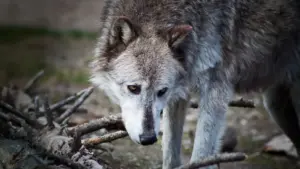
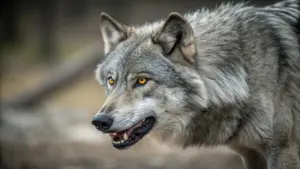
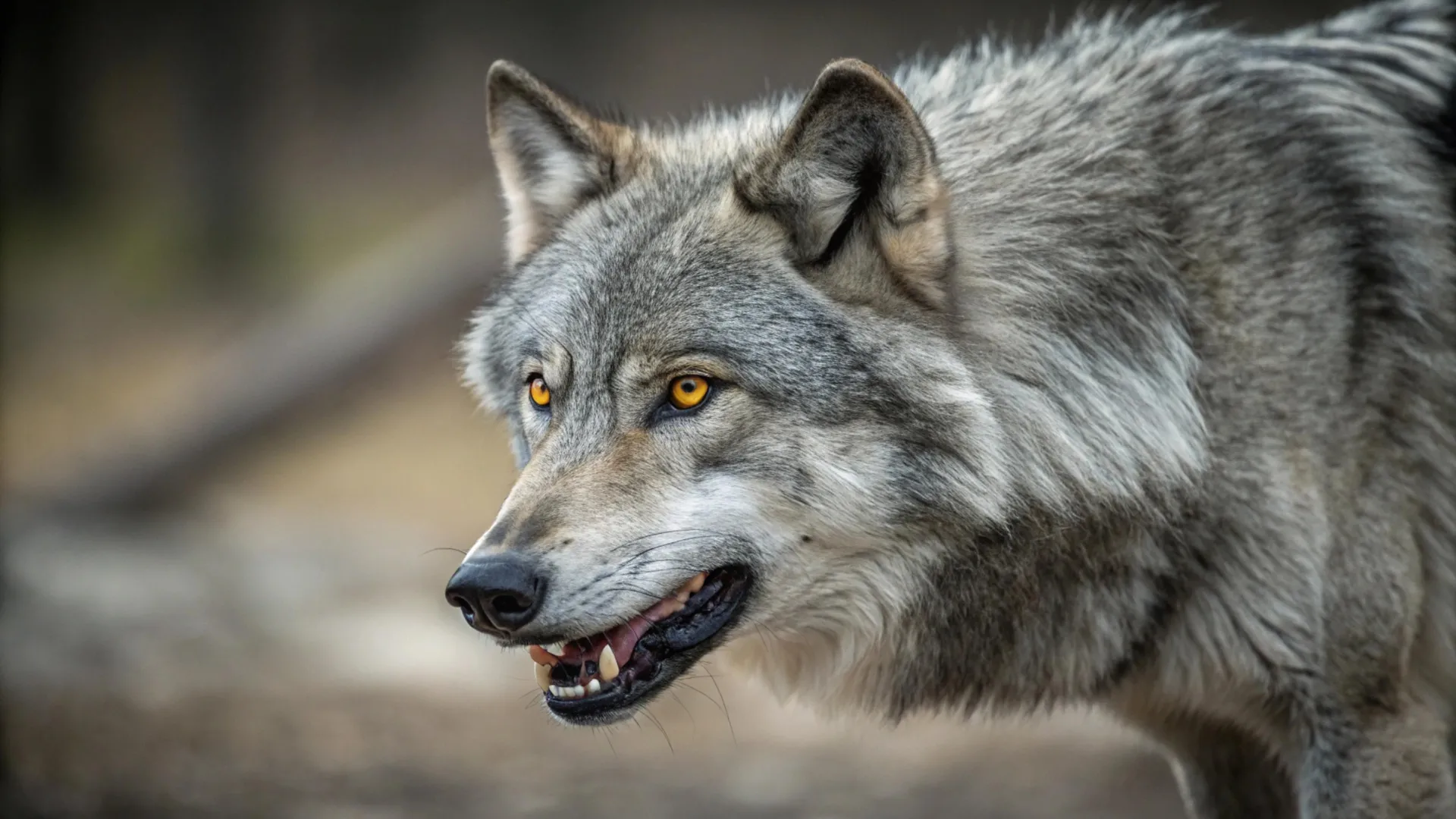
Gray wolves (Canis lupus) provided one of the most fascinating case studies in the research. Unlike many smaller mammals or generalist species that tend to hunker down or hide when humans draw near, wolves demonstrated an expanded habitat use in response to human presence.
Ecologists hypothesize that this expansive behavior is rooted in the deep evolutionary history of conflict between humans and apex predators. Having faced centuries of persecution, culling, and habitat displacement, wolves actively work to widen the buffer zone between themselves and human activity. When human presence increases in a given region, wolves do not simply hide in place; they widen their roaming grounds, actively seeking out untracked expanses to minimize the risk of dangerous encounters.
The Adaptable Herbivore: White-Tailed Deer
White-tailed deer (Odocoileus virginianus) displayed a complex, dual-layered pattern of adaptation. The researchers observed that white-tailed deer environmental niches expanded as their surrounding landscapes became more heavily modified by human infrastructure—presumably because they are forced to forage across a wider array of degraded or fragmented patches to find adequate nutrition.
However, when the researchers factored in direct human presence (such as increased foot traffic or recreational use), the deer responded by contracting their spatial footprint. They sought out dense cover or secluded micro-habitats during periods of high human activity, balancing the nutritional necessity of foraging in human-modified landscapes with the immediate imperative to avoid human contact.
The Avian Perspective: Sandhill Cranes
Sandhill cranes (Antigone canadensis) provided a compelling contrast to the ungulates, displaying the exact reverse pattern of behavioral elasticity. Their unique reactions underscore why blanket wildlife management policies routinely fail. A conservation strategy that successfully protects white-tailed deer may inadvertently drive sandhill cranes away from critical feeding grounds, proving that multi-species management requires granular, species-specific telemetry data.
Official Statements and Expert Insights
The academic community has received the findings with immense enthusiasm, recognizing that the integration of cellular geolocation data and GPS wildlife tracking marks a watershed moment in conservation science.
"Humans have complicated effects on wildlife—from our physical presence to how we reshape habitats—but we can’t understand our full impact without information on both."
— Dr. Ruth Oliver, Co-Lead Author, Assistant Professor at UCSB’s Bren School of Environmental Science & Management
Dr. Oliver emphasizes that conservation biology has long operated with a glaring blind spot. By treating human impact as a static variable defined solely by asphalt and concrete, scientists missed the dynamic, pulsing reality of human movement.
"The cell phone data we used was made available to researchers during the pandemic to help reveal the impacts of COVID-19 shutdowns. Typically, private companies hold onto these, which made this a rare opportunity for us to quantify how human presence impacts wildlife, and to demonstrate that there is more to consider than just land modification to create robust conservation plans."
— Dr. Scott Yanco, Co-Lead Author, Research Ecologist at the Smithsonian’s National Zoo
Dr. Yanco highlights the unprecedented nature of the dataset. Because commercial tech giants tightly guard smartphone geolocation metrics for proprietary and privacy reasons, academic researchers rarely gain access to such fine-grained human movement data at a national scale. The unique convergence of pandemic-era data sharing opened a brief window into human-wildlife interactions that had never before been quantified.
"These findings highlight the critical importance of species-based conservation. Every species has different habitat requirements, has its own particular behavioral tendencies and faces unique threats. Effective conservation requires that we understand the particular challenges that each species faces."
— Dr. Ruth Oliver
Reflecting on the divergence between wolves, deer, and cranes, Dr. Oliver stresses that generalized, one-size-fits-all zoning laws are fundamentally inadequate for modern wildlife management.
Future Outlook: The Path Forward for Conservation and Coexistence
As the world moves further past the immediate disruptions of the COVID-19 pandemic, the insights gleaned from the "anthropause" are beginning to shape the next generation of conservation science and environmental policy.
From Spatial Zoning to Temporal Management
Historically, conservation policy has relied heavily on static spatial zoning—designating national parks, wildlife refuges, and protected wilderness corridors where human development is restricted or prohibited entirely. While these physical sanctuaries remain utterly vital to biodiversity preservation, the new research suggests that spatial protection alone is incomplete.
If animals alter their behavior, restrict their feeding, or abandon optimal habitats simply because hikers, mountain bikers, or tourists are walking through a protected park on weekends, then the timing of human access becomes just as critical as its location.
Forward-thinking conservationists are now exploring the concept of dynamic temporal management. This could involve:
- Implementing seasonal or weekly closures on sensitive wildlife trails during critical breeding, nesting, or migration periods.
- Rotating public access to specific wilderness zones to give local fauna uninterrupted recovery windows.
- Utilizing real-time smartphone data analytics to dynamically manage visitor flow in ecological buffer zones, diverting recreation away from stressed animal populations.
The Crucial Next Question: Are These Behaviors Helping or Hurting?
Even as celebrate these methodological breakthroughs, lead researchers are quick to note that answering one major scientific question has opened the door to an even more urgent one.
While the study definitively proves that animals alter how they use space and resources in response to human presence, it leaves a critical physiological mystery unresolved: Are these behavioral adjustments helping animals successfully adapt, or are they outward manifestations of chronic stress that ultimately reduce survival rates?
Dr. Oliver and her research group are already actively tackling this next frontier. Their ongoing work aims to cross-reference behavioral tracking data with mortality metrics to determine whether individual animals that dynamically alter their behavior in response to human pressure face a higher or lower risk of mortality than their more habituated or less reactive counterparts.
If behavioral shifts are revealed to be signs of chronic, sublethal stress—leading to lowered reproductive success, elevated cortisol levels, or reduced foraging efficiency—then conservation policies will need to become significantly more aggressive in buffering wildlife from human recreational pressure, even in areas previously thought to be adequately protected.
A Framework for Optimism
Despite the sobering realization that human presence exerts a far more pervasive influence than previously understood, the lead researchers maintain a deep sense of optimism.
For generations, conservationists operated in the dark, crafting policies based on incomplete information about how animals react to our mere existence. Armed with the unprecedented clarity provided by combining animal telemetry and cellular geolocation data, humanity now possesses the analytical tools necessary to design truly sophisticated coexistence frameworks.
By understanding precisely where, when, and how our physical presence ripples through the natural world, we can begin to engineer a future where human recreation and wildlife survival are no longer mutually exclusive. Through smarter planning, targeted temporal closures, and a renewed respect for the invisible boundaries wild animals draw around themselves, society can take a monumental step toward genuine, sustainable coexistence.