
Executive Overview
As global climate change continues to drive unprecedented summer heatwaves, the safety and well-being of working canines face mounting challenges. Recent reports from veterinary researchers, professional handlers, and animal behaviorists highlight an urgent need to re-evaluate how working and companion dogs cope with extreme temperatures and rising humidity.
At the center of this dialogue is the intersection of canine physiology, environmental stress, and specialized training practices. Experts emphasize that traditional methods of managing working dogs in temperate climates are increasingly obsolete during severe heat domes. Recent clinical findings from institutions like the University of Pennsylvania underscore the critical importance of immediate cooling interventions, such as complete head-immersion techniques, and challenge long-held assumptions regarding canine hydration, diet, and physical conditioning.

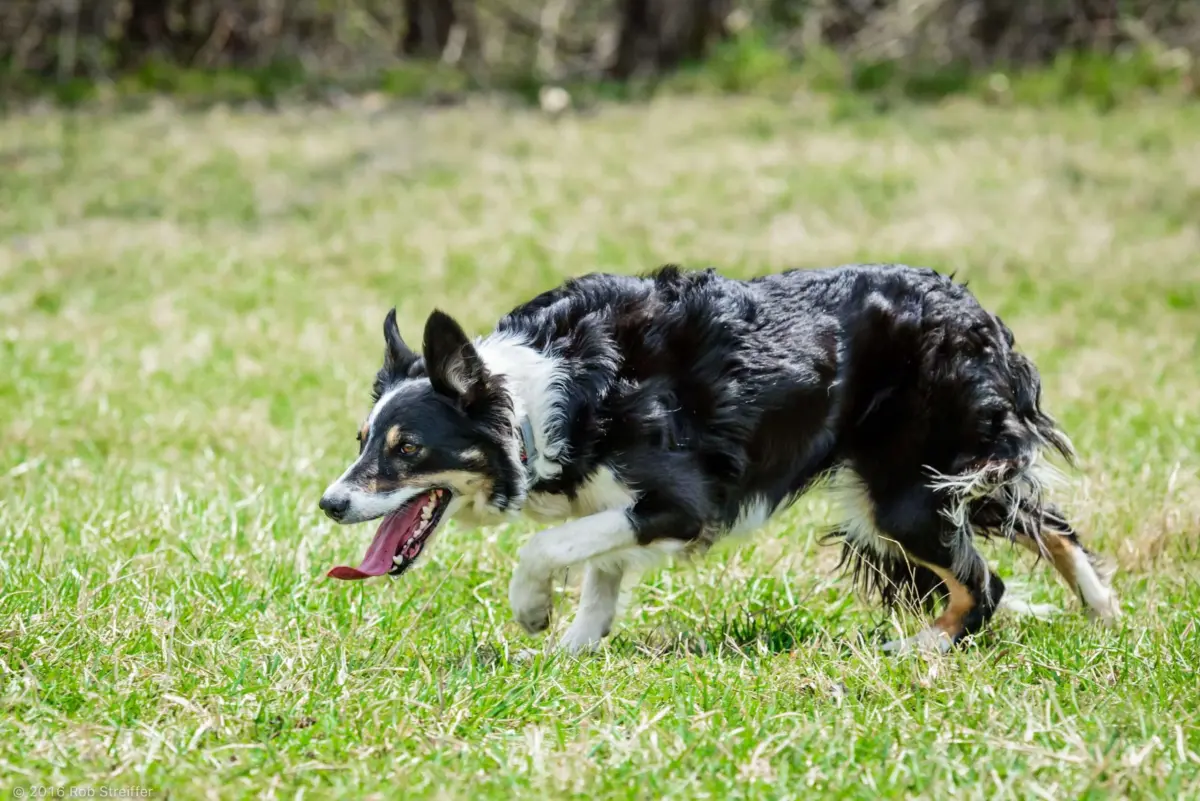
For handlers of high-drive working breeds—such as Border Collies engaged in intensive herding trials—the margin for error in hot weather is narrowing rapidly. Conditions like degenerative mitral valve disease further complicate management strategies, forcing owners to balance the rigorous demands of livestock work with strict life-preservation protocols. This report explores the physiological risks of canine overheating, analyzes recent scientific breakthroughs in rapid cooling, and outlines best practices for safeguarding dogs against the escalating impacts of climate change.
Detailed Chronology
The Rising Toll of Heat Domes on Working Trials
Throughout the summer trial seasons of recent years, handlers across the Northern Hemisphere have reported increasingly hazardous conditions. High ambient temperatures, often crossing the upper 80s and 90s Fahrenheit coupled with dense humidity, have forced cancellations and mandatory withdrawals from major competitions, including the Irish Woods Stockdog Trial.

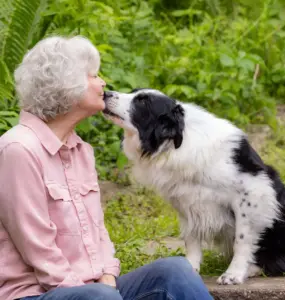
For professional trainer and author Patricia McConnell, the physical reality of these weather patterns became starkly apparent during a local sheepdog trial. Despite preventative measures—such as utilizing water immersion tanks and maintaining shade—cumulative heat stress directly impaired performance. While her canine partner, Skip—a Border Collie diagnosed with degenerative mitral valve disease—exhibited exceptional stock-handling precision, the handler’s cognitive fatigue driven by ambient heat resulted in critical navigational errors, ultimately ending the run in time exhaustion.
Scientific Shifts in Canine Cooling Research
In response to worsening summer climates, recent veterinary research has shifted toward identifying the most efficient methods for core body temperature reduction. Studies conducted by the University of Pennsylvania introduced a pivotal finding: teaching dogs to fully submerge their heads in cool water is the most rapid and effective method for lowering core body temperature during heat stress.

Concurrently, practical gear innovations have entered the market. The adoption of specialized solar-reflective garments, such as Chilly Buddy vests, has shown notable success in mitigating coat-level temperatures by up to 40 degrees Fahrenheit. However, ongoing dialogues with manufacturers highlight a critical data gap regarding internal core temperature regulation versus surface coat cooling, prompting handlers to call for empirical validation of passive cooling wear.
Supporting Context & Metrics
Physiology and the Mechanics of Canine Overheating
Dogs lack sweat glands distributed across their bodies, relying primarily on panting and minimal evaporation through their paw pads to regulate internal temperature. A normal canine internal temperature ranges between 100°F and 102.5°F. When core temperatures exceed 106°F, dogs enter a critical medical emergency phase that can rapidly lead to multiple organ failure, disseminated intravascular coagulation, and death.

Environmental humidity significantly compounds this risk. High humidity prevents effective moisture evaporation via panting, trapping internal heat. Furthermore, urban and agricultural environments present hidden thermal hazards:
- Asphalt Radiation: Blacktop and unshaded pavement can absorb and radiate heat far exceeding ambient air temperatures, exposing low-slung working dogs to intense thermal loads directly at ground level.
- Vehicular Heat Accumulation: Parked vehicles left in direct sunlight can reach internal temperatures of 116°F within an hour, with dashboard surfaces spiking up to 157°F. Despite common misconceptions, cracking windows offers negligible relief due to the vertical dynamics of rising heat. Between 2018 and 2019 alone, documented reports confirm that at least 78 dogs died from heatstroke inside vehicles in the United States.
Nutritional and Hydration Protocols Under Review
Recent studies from Auburn and Cornell Universities investigating scent-detection canines challenged traditional dietary assumptions. The research indicated that dogs maintained on a standard diet supplemented with corn oil returned to normal body temperatures more rapidly post-exercise compared to strictly high-protein regimens. This suggests that specific lipid and carbohydrate balances may influence metabolic heat production during digestion and exertion.

Regarding hydration, historical hesitations against administering electrolyte-enhanced fluids to dogs—primarily driven by fears of sodium toxicity—have been re-evaluated. University of Pennsylvania researchers demonstrated that excess sodium is efficiently excreted through canine urine. Furthermore, chicken-flavored electrolyte solutions significantly encourage fluid intake in high-drive working dogs that otherwise refuse to drink while actively engaged in tasks.
Official Statements and Expert Insights
Veterinary cardiologists and experienced stockdog trainers emphasize the necessity of stringent weight management and targeted core conditioning. Maintaining working dogs at an optimal Body Condition Score (BCS)—keeping them lean to minimize insulating body fat—is universally recommended to reduce cardiovascular strain.

Specialized trainers working under the guidance of elite handlers like Scott Glen advocate for radical adjustments in work duration during peak summer months. Expert consensus highlights the following actionable guidelines:
- The "Stop Before You Must" Rule: Recognizing subtle signs of heat accumulation—such as a gaping mouth with a sharply upward-curling tongue—is vital. Advanced signs of heat stress, including hind-end staggering, weakness, and collapse, require immediate emergency intervention.
- Targeted Cooling Zones: Veterinary medical students and emergency clinicians note that primary thermal transfer points on a canine body include the paws, groin, and facial cheeks. Strategic cooling efforts should focus heavily on the abdominal and groin regions.
- Emergency Protocol for Overheated Canines: If a dog’s temperature reaches dangerous thresholds, handlers are instructed to immediately cease attempts to force oral water consumption. Instead, the dog must be placed directly into cool—not ice-cold—water, focusing on head and belly immersion. Cooling measures must continue uninterrupted until the core temperature drops to 103°F, followed by immediate veterinary evaluation for severe cases.
Future Outlook
As climate projections indicate longer, hotter, and more humid summers across the Northern Hemisphere, the management of working and athletic dogs must evolve. The integration of evidence-based cooling techniques, such as head-submersion training and advanced thermodynamic gear, will become standard operating procedure for handlers, trainers, and rescue organizations.

Future research initiatives will likely focus on bridging the gap between surface cooling technologies and internal core temperature regulation, ensuring that working canines can safely perform their duties without compromising long-term cardiovascular health. Ultimately, the preservation of canine athletes in a warming world relies on proactive environmental management, stringent physical conditioning, and a cultural shift toward prioritizing thermal safety above competitive ambition.