
Executive Overview
California is a landscape of staggering contrasts and breathtaking biodiversity. Stretching from the dramatic marine ecosystems of its rugged coastline to the alpine majesty of the Sierra Nevada mountaintops, the Golden State is widely recognized as the most ecologically diverse region in the United States. Its natural splendor acts as a global magnet, drawing millions of international travelers each year to marvel at ancient redwood forests, desert expanses, and vibrant river valleys. Yet, a persistent and profound paradox haunts this environmental paradise: while California boasts some of the world’s most celebrated natural wonders, millions of its own residents remain structurally disconnected from nature.
For decades, the benefits of the outdoors—clean air, recreational green space, shaded canopy, and the psychological restorative power of nature—have been distributed along deeply entrenched socioeconomic and racial lines. In numerous urban and low-income neighborhoods, the asphalt landscape reigns supreme. Disadvantaged communities and communities of color have historically borne the brunt of industrial zoning, suffering from a disproportionate lack of safe, accessible parks, open spaces, and natural sanctuaries.
This systemic disparity is not merely a matter of aesthetic disappointment; it is a critical public health, environmental justice, and economic crisis. Access to green space correlates directly with reduced rates of chronic illness, improved mental health, urban heat island mitigation, and enhanced community resilience. Recognizing this urgency, the California Legislature has advanced a landmark piece of legislation designed to fundamentally alter the state’s relationship with its natural environment.
Senate Bill 1268 (SB 1268), authored by Senator Gonzalez and co-sponsored by Audubon California alongside Green Latinos, seeks to codify Governor Gavin Newsom’s ambitious "Outdoors for All" initiative into permanent state statute. Having successfully navigated the legislative gauntlet—passing through both the Senate and the Assembly—SB 1268 now sits on the desk of Governor Newsom, awaiting his signature. If enacted, the bill will transition a temporary administrative priority into a binding, enduring commitment, ensuring that equitable access to parks, open space, and nature becomes a permanent pillar of California governance.
Detailed Chronology: The Legislative Path of SB 1268
The journey of SB 1268 from an ambitious environmental justice concept to a finalized piece of legislation awaiting executive signature is a testament to persistent coalition-building, strategic advocacy, and legislative determination.
The Genesis of "Outdoors for All"
The ideological groundwork for SB 1268 was laid through Governor Gavin Newsom’s administrative "Outdoors for All" initiative. Initially rolled out as a budgetary and policy framework to expand outdoor access, the initiative aimed to direct critical funding and resources toward park-poor communities. However, administrative policies, while impactful, remain vulnerable to shifting political tides, budgetary fluctuations, and changes in executive leadership.
Recognizing this vulnerability, environmental justice advocates, conservationists, and community organizers realized that a more permanent legal safeguard was necessary. Audubon California and Green Latinos joined forces to spearhead SB 1268, turning an administrative vision into a legislative mandate. By codifying the initiative, the bill ensures that future administrations will be legally bound to prioritize equitable outdoor access, regardless of changing political landscapes.
Navigating the Legislature
The legislative lifecycle of SB 1268 during the 2023–2024 session required delicate coordination between various stakeholders, state agencies, and lawmakers. As the bill made its way through the committee process, it attracted robust support from community groups, public health advocates, and municipal leaders who witness firsthand the detrimental impacts of park poverty in their districts.
The bill moved steadily through the policy committees of both the State Senate and the State Assembly, steadily accumulating bipartisan support and refining its language to address fiscal and operational considerations. The core objective remained unchanged: to embed equity into the DNA of California’s state park and conservation funding mechanisms.
Final Legislative Hurdles and Passage
The culmination of the legislative effort occurred in the waning days of the legislative session in late August 2024:
- August 27, 2024: The California State Senate officially approved the amendments made to the bill by the Assembly. This vote represented the completion of formal legislative action, sending the reconciled text through the state’s administrative pipeline.
- August 30, 2024: The final version of SB 1268 was officially enrolled and prepared for formal transmission to the Governor’s office.
With both the Senate and the Assembly having greenlit the measure, SB 1268 now rests with Governor Newsom. Given that the legislation directly codifies his own signature administrative initiative, advocates are cautiously optimistic that the Governor will sign the bill into law, cementing a legacy of environmental equity for generations of Californians to come.
Supporting Context & Metrics: The Reality of Park Poverty
To understand the profound necessity of SB 1268, one must examine the stark realities of urban planning and historical land use across California. The term "park poverty" describes the condition wherein specific neighborhoods—almost exclusively low-income communities and communities of color—lack equitable access to safe, well-maintained parks and natural infrastructure.
The Disparity in Numbers
Data compiled by environmental and public health researchers consistently reveal a glaring equity gap in green space distribution:
- The Urban Divide: In many major California metropolitan areas, residents in affluent neighborhoods live within a 10-minute walk of a public park, whereas residents in adjacent, lower-income ZIP codes may have to travel several miles through heavy traffic to reach comparable green spaces.
- Canopy Cover Inequities: Urban heat island studies demonstrate that low-income communities frequently experience significantly higher surface temperatures than wealthy suburbs, a direct result of paved surfaces, industrial zoning, and a severe deficit of mature tree canopies.
- Health Disparities: The lack of accessible outdoor recreation options correlates strongly with elevated rates of childhood obesity, Type 2 diabetes, asthma, and stress-related mental health conditions within park-poor census tracts.
Real-World Models: Proving the "Outdoors for All" Vision
Even before the formal codification of SB 1268, targeted investments by the state, non-profit organizations, and local coalitions have demonstrated the transformative power of prioritizing park equity. Across California, pioneering projects are proving that restoring nature and uplifting urban communities can happen simultaneously.
1. Restoring Habitat and Community in Northeast Los Angeles
In Northeast Los Angeles, the Audubon Center at Debs Park has long served as a beacon for urban conservation. In collaboration with local partners, the Center has expanded its reach to Rio de Los Angeles State Park, an urban sanctuary located just a few miles away in the densely populated Cypress Park neighborhood.
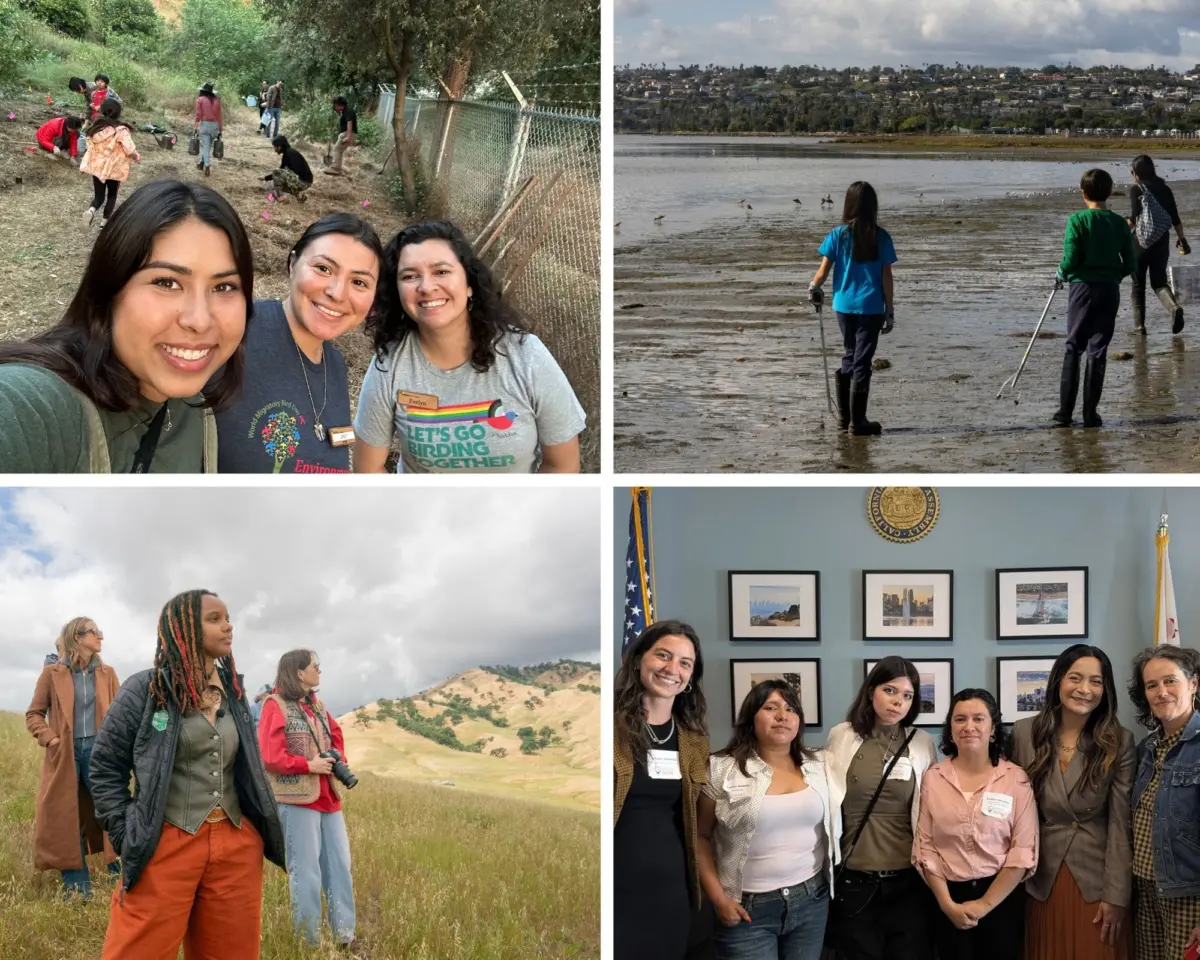
Through hands-on community engagement, local residents—including children and families—actively participate in planting and nurturing native vegetation. This restoration work does double duty: it creates a thriving, resilient habitat for vulnerable and endangered native fauna, such as the Least Bell’s Vireo songbird, while simultaneously reconnecting urban residents with the therapeutic benefits of caring for their local watershed along the Los Angeles River.
2. The Urban Orchard in South Gate
In the industrial hub of South Gate, a historic lack of open space left generations of residents surrounded by factories, warehouses, and concrete. To combat this, the Trust for Public Land—with critical support from California’s Statewide Park Program—transformed a former industrial site into the groundbreaking Urban Orchard Park.
Spanning seven acres, this newly minted green space is a masterclass in modern urban environmental design. It features extensive walking and biking paths, native landscaping tailored to the local climate, educational community gardens, and hundreds of fruit-bearing trees. Crucially, the park incorporates a functional wetland designed to capture, treat, and filter urban stormwater runoff, showcasing how urban parks can simultaneously serve as ecological infrastructure and community living rooms.
3. Ecological Revival at the Salton Sea
Farther south, in the ecologically fragile basin of the Salton Sea, Audubon California is spearheading major restoration efforts alongside state agencies and local stakeholders. The Bombay Beach Wetland Enhancement Project represents a vital convergence of wildlife conservation and human accessibility.
Backed by more than $5 million in state funding, the project is actively restoring hundreds of acres of critical wetland habitat. These restored zones serve as vital rest stops for millions of migratory birds along the Pacific Flyway while mitigating toxic dust emissions that threaten the health of nearby human communities. Furthermore, the project integrates recreational infrastructure—such as walking trails and educational interpretive signage—allowing visitors to safely experience and appreciate a landscape undergoing remarkable ecological renewal.
Official Statements & Stakeholder Perspectives
The momentum behind SB 1268 is fueled by a diverse coalition of environmental organizations, civil rights advocates, and community leaders who view the legislation as a moral and practical imperative.
The Voice of Conservation and Environmental Justice
Sponsors Audubon California and Green Latinos have framed SB 1268 as an essential tool for dismantling historical inequities. In legislative briefings and public statements, advocates have emphasized that access to nature is not a luxury, but a fundamental human right that impacts every facet of community well-being.
"California’s remarkable biodiversity should be a source of pride and accessibility for every resident, regardless of their ZIP code or household income. By codifying the ‘Outdoors for All’ initiative, SB 1268 ensures that our commitment to environmental justice transcends political cycles and becomes a permanent legal standard for the state." — Coalition Statement, Audubon California & Green Latinos
Public Health and Economic Advocates
Beyond environmentalists, public health experts have strongly endorsed the bill, pointing to the undeniable therapeutic value of natural spaces. Urban planners and municipal economists also highlight the economic dividends of green infrastructure. Well-designed parks increase surrounding property values, reduce municipal stormwater management costs, boost local small business activity, and cut healthcare expenditures by encouraging active lifestyles.
As the bill awaits Governor Newsom’s signature, the coalition of supporters remains mobilized, urging the administration to finalize the measure and set a national benchmark for equitable environmental policy.
Future Outlook: A Permanent Legacy for California’s Environment
The passage of SB 1268 through the California Legislature marks a historic milestone, but it also serves as a launching pad for the next phase of environmental governance. If signed into law, the legislation will initiate a series of long-term structural changes across state agencies, funding allocation boards, and municipal planning departments.
What Comes Next?
- Regulatory Integration: State agencies, including the Natural Resources Agency and the Department of Parks and Recreation, will formally integrate the principles of "Outdoors for All" into their long-term strategic planning and grant distribution frameworks.
- Prioritized Funding Streams: Future bond measures and annual budget allocations will face heightened legal and administrative pressure to direct capital improvement grants toward park-poor communities that have historically been overlooked.
- Cross-Sector Partnerships: The success of projects like the Urban Orchard Park and the Bombay Beach Wetland enhancement will serve as scalable blueprints for public-private partnerships uniting conservation groups, urban planners, and local residents.
How Citizens Can Engage
The movement for equitable outdoor access does not end with a governor’s signature; it requires vigilant community oversight and active participation. Conservation organizations like Audubon California continue to invite the public to stay informed and engaged as SB 1268 enters its final administrative phase.
- Stay Informed: Supporters are encouraged to subscribe to the Audubon California newsletter for real-time updates regarding the bill’s status and upcoming implementation milestones.
- Community Action: Residents can follow community channels on social media platforms (such as Instagram via
@audubonca) to learn about local volunteer opportunities, habitat restoration days, and grassroots advocacy campaigns aimed at bringing green spaces to every California neighborhood.
Through persistent advocacy, visionary leadership, and community-driven stewardship, California stands on the brink of making equitable access to parks, open spaces, and nature a permanent, guaranteed reality for all of its residents—paving the way for a healthier, greener, and more connected future.