
Executive Overview
In the depths of winter—where frozen canine excrement transforms into unappealing culinary temptations known colloquially as "poopsickles"—even seasoned animal behaviorists face moments of professional doubt. This dispatch examines a candid reflection from the front lines of pet ownership, training methodology, and animal husbandry.
During National Dog Training Month, celebrated every January, the complexities of positive reinforcement ($R+$) come sharply into focus. From managing a dog with an unwavering appetite for coprophagia to navigating high-stakes veterinary scares and managing a whirlwind literary book tour, this report explores how vulnerability, objective problem-solving, and a healthy dose of self-compassion are essential tools for both human and animal well-being.
Detailed Chronology: Winter Realities on the Farm
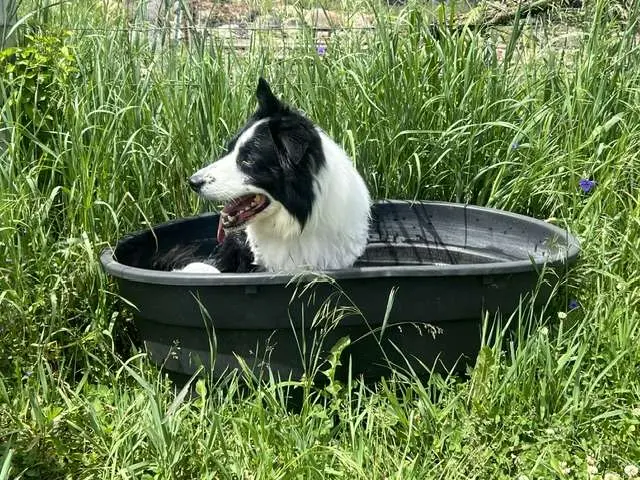
The narrative unfolds during a bitter winter week characterized by sub-zero morning temperatures, plummeting to a brisk 5 degrees Fahrenheit (-15 degrees Celsius). For many pet owners, winter introduces unique behavioral challenges. For Maggie, an enthusiastic canine resident of the farm, the winter season unlocks an obsessive craving for coprophagia—the consumption of feces.
When a standard "leave it" command failed during a freezing morning walk, the author experienced a familiar wave of frustration. Exhausted from stress, depleted of fuel, and immediately defensive against Maggie’s subsequent affectionate, yet ill-timed, face-kissing attempts, the trainer fell into a common trap: self-reproach. Feeling like a failure in her own profession during National Dog Training Month, she retreated to the house.
However, perspective shifted abruptly the following morning with the consumption of media concerning tennis legend Roger Federer’s graduation speech. Federer, widely regarded as one of the greatest athletes in tennis history, maintained a #1 world ranking for 237 consecutive weeks and won multiple Grand Slam titles. Yet, a statistical breakdown of his career reveals a surprising metric: Federer won only 54% of the total points played across his matches.
This revelation served as a profound psychological buoy. If the greatest tennis player in history barely wins a slim majority of his individual attempts, human imperfection is not merely common—it is mathematically inevitable.
Supporting Context & Metrics: The Science of Positive Reinforcement
Dog training, as the author notes, is not a competitive sport with a rigid scoreboard. There are no points tallied at the end of the day, yet owners frequently subject themselves to relentless internal critique. This dynamic is precisely why the Association of Professional Dog Trainers (APDT) established National Dog Training Month.
The Philosophy of Positive Reinforcement ($R+$)
The APDT campaign is designed to promote positive reinforcement training as a primary vehicle for:

- Building effective cross-species communication.
- Fostering canine confidence.
- Strengthening the emotional bond between pets and their human guardians, a crucial framework following holiday pet adoptions.
Despite the proven efficacy of $R+$, the broader pet-owning public remains vulnerable to quick-fix trends, such as board-and-train facilities utilizing aversive tools like electric shock collars. Conversely, when applied thoughtfully, positive reinforcement yields transformative results in routine husbandry and veterinary care.
Practical Application: The Bucket Game and Medical Regimens
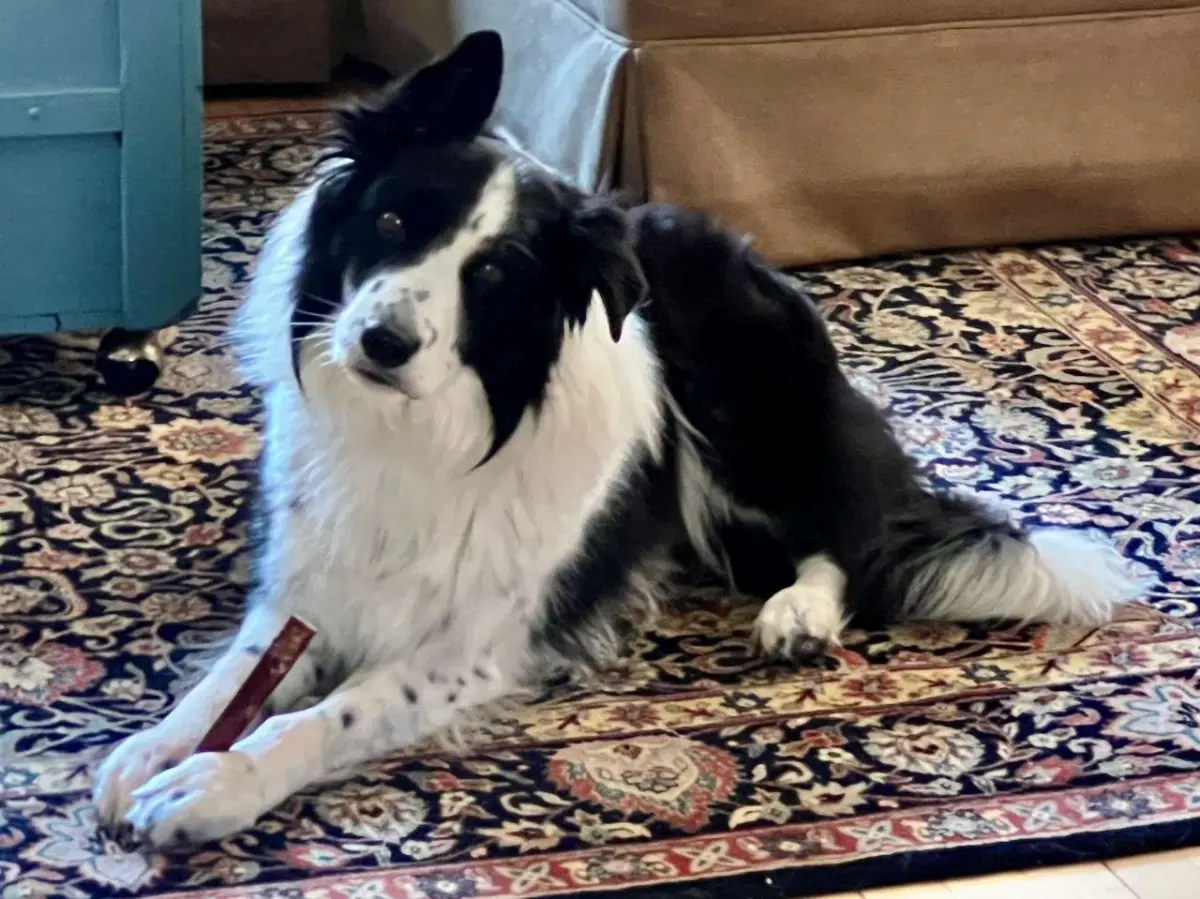
Consider the management of panus, an immune-mediated ocular disease that threatens permanent blindness if left untreated. Skip, another farm resident, requires daily applications of Optimmune ointment for the remainder of his life—a notoriously difficult task given that eye ointments are viscous, uncomfortable, and occasionally sting upon application.
Yet, treating Skip remains stress-free due to the application of $R+$, supercharged by Chirag Patel’s renowned "Bucket Game." By utilizing cooperative care techniques, the animal actively participates in his medical treatments, eliminating fear and aggression.
Turning Behavior Around: Maggie’s New Protocol
Inspired by the realization that failure is simply data, the author re-evaluated Maggie’s coprophagia through an objective lens:
- Analyze the Antecedent and Behavior: Maggie possesses an exceptional olfactory system, loves foraging, and is heavily motivated by high-value food rewards.
- Redesign the Consequence: Instead of reacting with frustration, the trainer leveraged Maggie’s natural scent-detection instincts.
- Implement New Training: Much like professional scent-detection dogs that locate target substances and alert their handlers for a primary reward, Maggie is being trained to "find the poop" and offer an observable alert (such as a sit) rather than consuming it.
This behavioral pivot transforms a frustrating household nuisance into an engaging scent game, proving especially useful for locating camouflaged canine waste under autumn leaves and winter snowpacks.
Official Guidelines & Expert Perspectives
The core philosophy bridging athletic performance statistics, veterinary care, and behavioral psychology rests upon a singular, foundational concept: Grace.
Veterinary medicine and animal behavior fields frequently emphasize that owners operate under fluctuating conditions of physical fatigue, emotional stress, and environmental pressures. When a training plan collapses or an animal displays unwanted behaviors, expert behaviorists recommend a structured protocol:
- Step 1: Pause and Breathe. Step out of the internal monologue of perceived failure.
- Step 2: Evaluate Objectively. Assess the antecedent, the exact behavior, and the immediate environmental consequences without emotional coloring.
- Step 3: Brainstorm Solutions. Construct an alternative, reward-based pathway rather than succumbing to helplessness or frustration.
Furthermore, this ethos extends outward. As life presents complex challenges, extending grace toward fellow pet owners who may be struggling with imperfect training scenarios fosters a healthier, more supportive community.

Future Outlook: Farm Updates and Literary Ventures
While managing daily farm logistics, the household has recently navigated a high-stakes medical scare alongside an aggressive professional schedule.
Veterinary Update: Navigating Skip’s Diagnosis
For five tense days, initial veterinary assessments pointed toward a harrowing diagnosis for Skip: bladder cancer, suspected due to prolonged, dilute urination and elevated shedding of bladder lining cells. However, subsequent ultrasound imaging revealed no evidence of a physical mass.
While cancer has been ruled out, the underlying cause remains under investigation. Veterinarians are actively monitoring for leptospirosis, a ubiquitous bacterial disease capable of inducing renal failure. Skip has been placed on a prophylactic course of doxycycline pending comprehensive blood panels evaluating kidney function.
Literary Launch and Upcoming Events
Concurrently, the author is managing an intense publicity campaign for her upcoming novel, Away To Me. Promotional efforts include a slate of podcast appearances across platforms such as:
- Your Family Dog
- Dog Fostering 101
- Science Matters
- Behavior Buzzzzz
- Barks from the Bookshelf
- Unleashed
Autographed copies of Away To Me are currently available for pre-order through Arcadia Books, with official shipping slated for release on February 24th. Readers seeking in-person engagement can consult the author’s official website for upcoming tour dates spanning Wisconsin and Texas.
Conclusion
Despite physical hurdles—including a strained hand that complicates daily typing—life on the farm continues with its characteristic blend of chaos, humor, and resilience. Whether managing an enthusiastic canine with an eccentric palate, nursing an aging dog through complex medical diagnostics, or launching a major literary work, the overarching lesson remains clear.
Perfection is an illusion. Success, whether in professional tennis, animal husbandry, or daily existence, is built upon a foundation of trial, error, objective learning, and profound self-compassion.