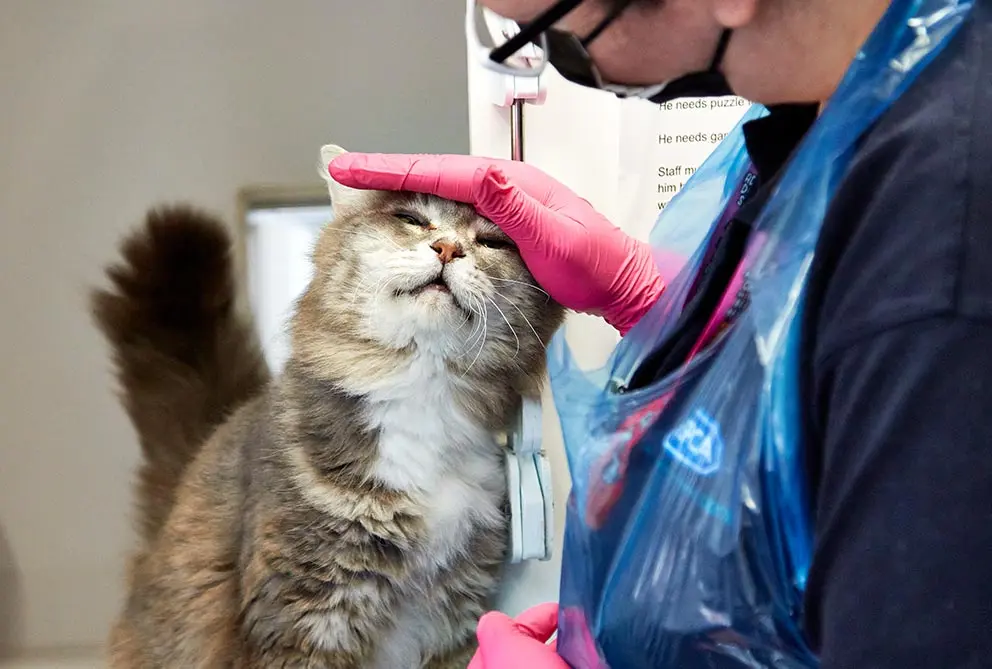

Executive Overview
The successful completion of a veterinary surgical procedure often brings an immediate, palpable sense of relief to pet owners, yet it simultaneously ushers in a complex, high-stakes phase: the post-operative recovery period. For many owners, this transition from the sterile environment of the surgical suite to the domestic routine is fraught with anxiety. The fundamental question occupying their minds remains constant: What happens next, and how does a professional veterinary clinic ensure that a companion animal remains safe, comfortable, and on a reliable trajectory toward full health?
When evaluating how professional veterinary hospitals handle post-surgery recovery, the standard of care extends far beyond merely waiting for an animal to regain consciousness. Modern veterinary medicine approaches recovery as a multi-disciplinary, highly orchestrated clinical protocol. This encompasses meticulous physiological monitoring, multi-modal pain management, specialized wound care, strategic nutritional and hydration support, and comprehensive owner education. Good recovery care is fundamentally proactive; it relies on continuous observation to identify subtle clinical shifts before they manifest as acute complications.
Understanding this process helps bridge the psychological gap between hope and fear for pet owners. By examining the precise mechanics of post-operative care—from immediate post-anesthetic supervision to the nuances of home-based convalescence—owners can transform generalized worry into informed, confident advocacy for their recovering pets.
Detailed Chronology: The Lifecycle of a Veterinary Patient’s Recovery
To truly appreciate the rigor of modern veterinary post-operative care, one must trace the chronological milestones a patient experiences from the final suture to full physiological stabilization.
[Surgical Suite Completion]
       │
       ▼
[Immediate Post-Anesthetic Monitoring (Recovery Ward)]
       │ (Vitals stabilization, pain scoring, thermoregulation)
       ▼
[Intermediate Stabilization & Assessment]
       │ (Mobility testing, initial hydration/feeding trials)
       ▼
[Discharge & Transition to Home]
       │ (Detailed owner briefings, medication scheduling)
       ▼
[Home Convalescence & Follow-Up]
       │ (Restricted activity, incision checks, secondary healing)
       ▼
[Full Physiological Resolution]
Phase 1: The Immediate Post-Anesthetic Window (The Recovery Ward)
The moment a surgical procedure concludes, the patient does not immediately return to baseline consciousness. Instead, the patient is transferred to a dedicated, highly supervised recovery area. Veterinary technicians and veterinary nurses continuously monitor core physiological parameters, including:
- Respiratory Rate and Effort: Ensuring unobstructed airways and adequate oxygen exchange.
- Hemodynamic Stability: Tracking heart rate, rhythm, and peripheral perfusion via capillary refill time and mucous membrane color.
- Thermoregulation: Actively warming patients, as anesthesia frequently induces hypothermia by depressing the hypothalamus and causing peripheral vasodilation.
- Blood Pressure: Maintaining vascular tone to protect vital organ perfusion.
This phase is critical because anesthetic drugs exert profound systemic effects that can linger or present unexpected challenges as the body metabolizes them. For instance, a canine patient waking from an routine ovariohysterectomy may exhibit profound grogginess and transient dysphoria, while a feline patient recovering from a complex dental extraction may mask discomfort through quiet, motionless withdrawal. Because animals instinctually conceal pain as an evolutionary survival mechanism, professional veterinary teams rely on objective pain-scoring metrics rather than overt vocalization alone to gauge patient distress.
Phase 2: Intermediate Stabilization and Clinical Evaluation
Once vital signs stabilize and the patient regains a safe swallowing reflex—signaling the removal of the endotracheal tube—the focus shifts toward intermediate recovery milestones. The veterinary team evaluates neurological alertness, motor control, and early physiological comfort. Pain management protocols, which are frequently initiated preemptively during surgery, are reassessed and adjusted based on the specific surgical trauma inflicted.
Furthermore, clinicians evaluate whether the patient is experiencing procedure-related nausea, systemic inflammation, or abnormal cardiac rhythms. Only when a patient demonstrates stable vitals, adequate pain control, and predictable neurological responses are they cleared for the transition home.
Phase 3: The Transition to Home and Discharge Protocols
The moment of discharge represents a vital handoff from clinical professionals to the pet owner. A high-standard veterinary clinic ensures this transition is marked by explicit, written instructions covering:
- Precise medication dosage schedules and administration techniques.
- Tailored dietary and fluid intake guidelines.
- Strict physical activity limitations (e.g., leash-only walks, crate confinement, or vertical restriction for jumping pets).
- Specific red-flag thresholds that mandate immediate veterinary re-evaluation.
Phase 4: Long-Term Home Convalescence and Secondary Healing
Once home, the recovery timeline stretches across days or weeks depending on the invasiveness of the procedure. Soft tissue healing, bone remodeling (in orthopedic cases), and internal scar formation require a controlled environment. Throughout this phase, the owner acts as the primary frontline observer, monitoring incision sites for dehiscence, tracking elimination habits, and ensuring strict adherence to environmental modification guidelines.
Supporting Context & Metrics: Clinical Standards of Care
To contextualize the rigor applied in modern veterinary hospitals, it is helpful to examine the core monitoring criteria utilized by top-tier clinical settings, academic veterinary medical centers (such as the Cornell University College of Veterinary Medicine), and institutional animal care guidelines (such as those established by the University of Iowa).
| Recovery Domain | Clinical Parameters Monitored | Physiological Rationale & Impact |
|---|---|---|
| Pain Control | Muscle tension, vocalization, restlessness, validated pain scoring scales. | Effective analgesia mitigates the stress response, lowers cortisol production, accelerates GI tract recovery, and promotes earlier voluntary feeding. |
| Cardiorespiratory Status | Respiratory rate/depth, pulse oximetry, blood pressure, electrocardiography (ECG). | Rapid identification of post-anesthetic hypoventilation, arrhythmias, or hypotensive crises allows for immediate pharmacological or oxygen-based intervention. |
| Thermoregulation | Core body temperature tracking via digital or infrared thermometry. | Prevents shivering-induced oxygen consumption increases and supports optimal enzymatic and metabolic recovery from anesthetic agents. |
| Wound & Surgical Site Integrity | Inspection for localized edema, erythema, seroma formation, or active hemorrhage. | Early detection of localized complications drastically reduces the incidence of secondary surgical site infections or catastrophic dehiscence. |
| Gastrointestinal & Renal Function | Assessment of hydration status, urination frequency, appetite, and nausea or emesis. | Validates that the gastrointestinal tract is regaining motility and that renal perfusion has remained stable throughout the surgical event. |
| Neurological & Behavioral Status | Pupillary light reflexes, righting reflex, alertness, anxiety levels, and hiding behaviors. | Ensures proper clearance of anesthetic drugs and helps differentiate normal post-procedural grogginess from neurological compromise. |
Official Statements and Academic Insights
The complexity of veterinary anesthesia and post-operative recovery is widely documented across academic and clinical literature. Veterinary medical institutions emphasize that post-surgical management is not an administrative afterthought, but an exact science requiring specialized personnel and dedicated infrastructure.
Dr. Katherine Miller, a prominent veterinary behaviorist and clinical researcher, notes:
"The immediate post-operative window is a period of profound vulnerability for domestic species. Animals do not possess the cognitive framework to understand why they feel groggy, nauseated, or sore. Consequently, our clinical obligation extends beyond the surgical theater; we must construct a sensory-controlled, highly monitored environment that actively dampens physiological stress and shields the patient from self-inflicted trauma during the re-awakening phase."
Furthermore, specialized anesthesiology guidelines from academic reference centers highlight that complications rarely announce themselves dramatically. Instead, they manifest through micro-trends—a fractional drop in blood oxygen saturation, a subtle elevation in resting heart rate, or a minor downward shift in core body temperature. The hallmark of a superior veterinary hospital lies in its ability to capture these minute indicators through rigorous, continuous instrumentation and trained human observation long before clinical crises can take root.
Future Outlook: Innovations in Post-Surgical Veterinary Medicine
As veterinary medicine continues to evolve in alignment with human healthcare standards, the landscape of post-surgical recovery is undergoing a technological and procedural renaissance.
1. Telemetric and Wearable Monitoring Devices
Looking forward, the integration of wireless telemetric sensors in veterinary hospitals—and increasingly in home recovery kits—is set to redefine patient observation. Wearable patches capable of continuously streaming real-time electrocardiograms, respiratory rates, and core body temperatures directly to veterinary staff smartphones will minimize hands-on handling stress for recovering patients while offering unprecedented data granularity.
2. Advanced Multi-Modal Analgesia
The reliance on traditional systemic NSAIDs and opioids is rapidly shifting toward targeted, localized pain management strategies. Advances in liposomal encapsulation technologies allow for single-injection local anesthetics that provide localized pain relief at surgical sites for up to 72 hours, significantly reducing systemic drug burdens on recovering organs such as the liver and kidneys.
3. Regenerative Medicine and Accelerated Healing Protocols
The incorporation of low-level laser therapy (photobiomodulation), hyperbaric oxygen therapy, and platelet-rich plasma (PRP) into standard post-surgical recovery packages is shortening healing windows. These modalities actively reduce localized inflammation, enhance cellular proliferation, and accelerate tensile strength recovery in both soft tissue and orthopedic surgical incisions.
Practical Recommendations for Pet Owners at Home
For those navigating the home stretch of recovery, adhering to a disciplined protocol remains paramount:
- Establish a Sanctuary: Create a low-traffic, temperature-controlled, quiet recovery zone free of stairs, elevated furniture, and chaotic household activity.
- Never Prematurely Cease Medication: Even if a pet appears fully recovered within 48 hours, inflammatory processes may still be active beneath the surface. Always complete the prescribed analgesic and antibiotic courses unless explicitly instructed otherwise by your veterinarian.
- Maintain Vigilance Over the Mundane: Monitor mundane markers—such as the exact volume of water consumed, the consistency of waste elimination, and minor behavioral shifts—as these often serve as the earliest indicators that professional veterinary consultation is warranted.
Ultimately, navigating the post-surgical recovery journey requires a partnership rooted in trust, education, and open communication between the pet owner and their trusted veterinary hospital. By respecting the physiological realities of recovery and utilizing structured, evidence-based care protocols, owners can guide their companions safely from vulnerability back to vitality.