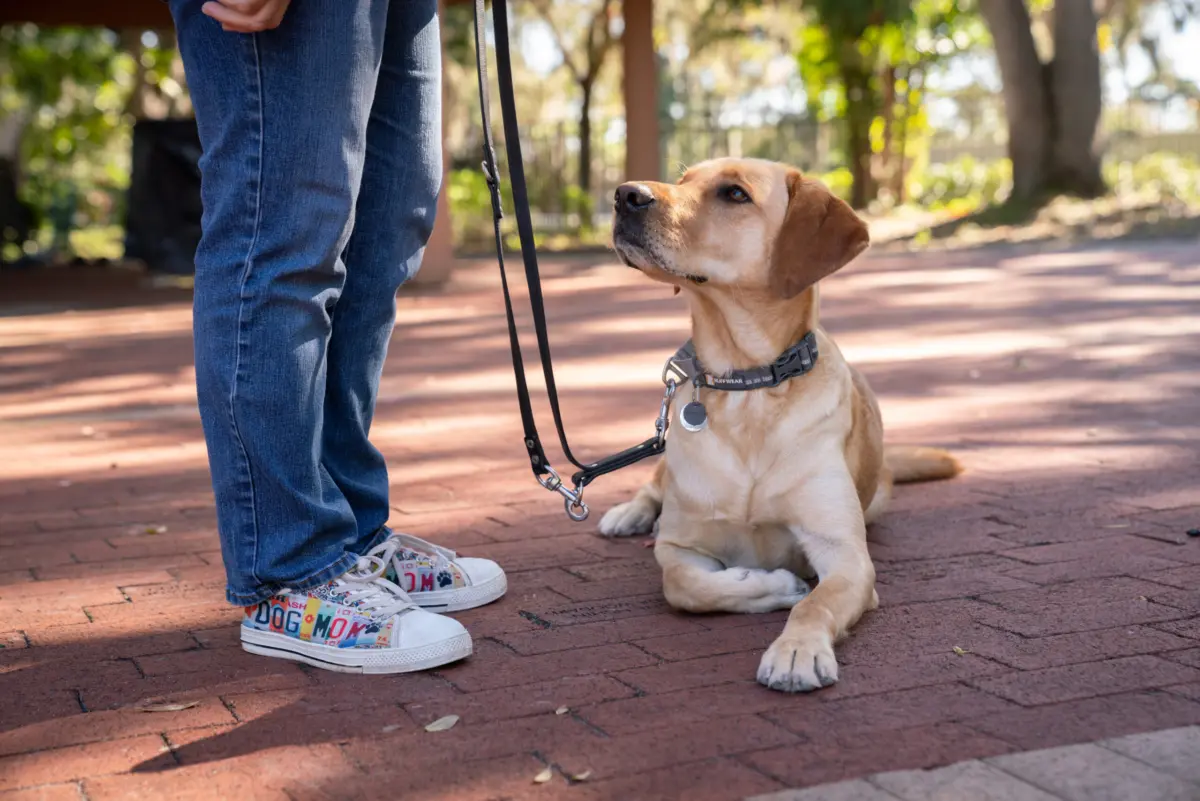
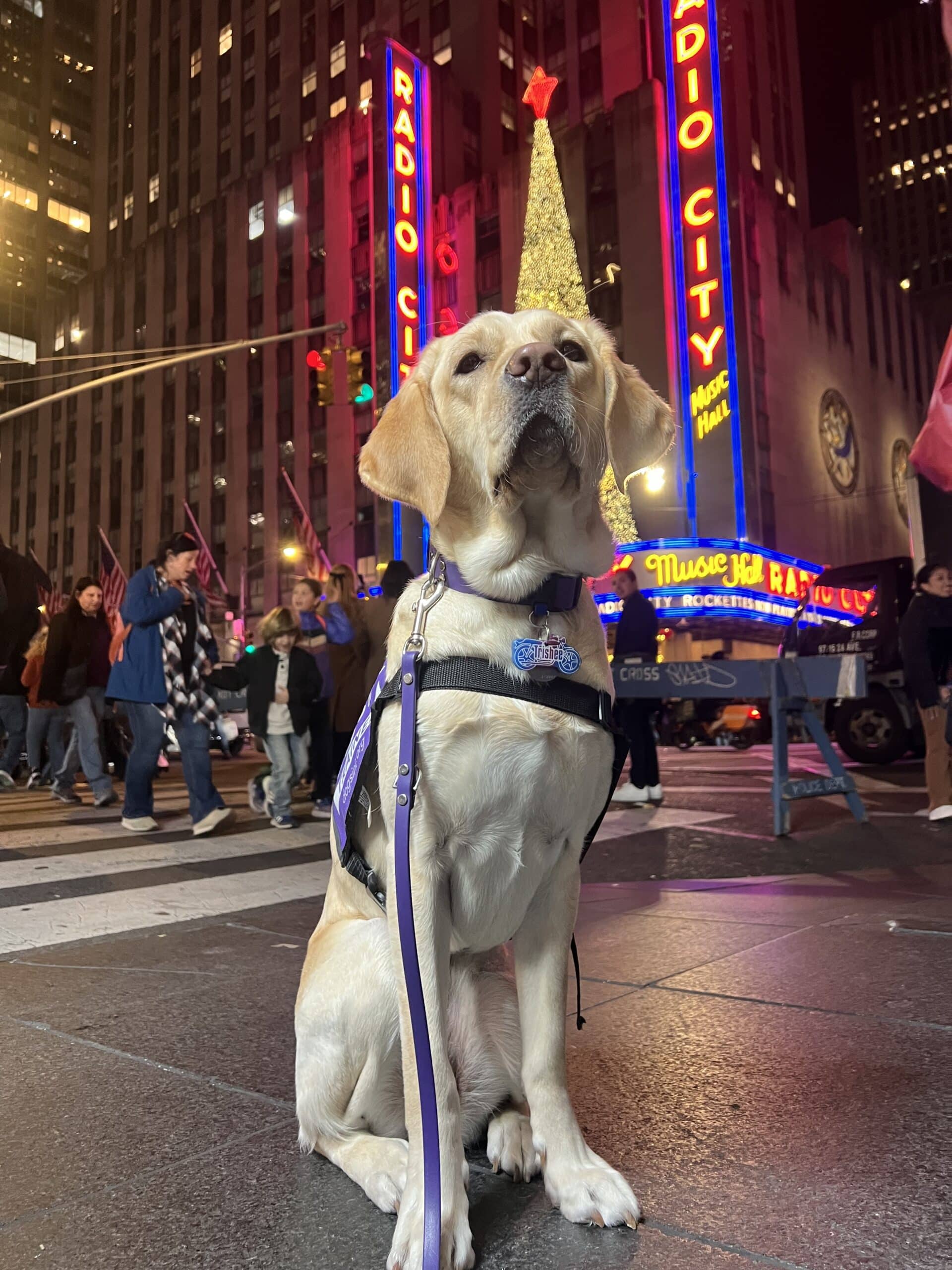
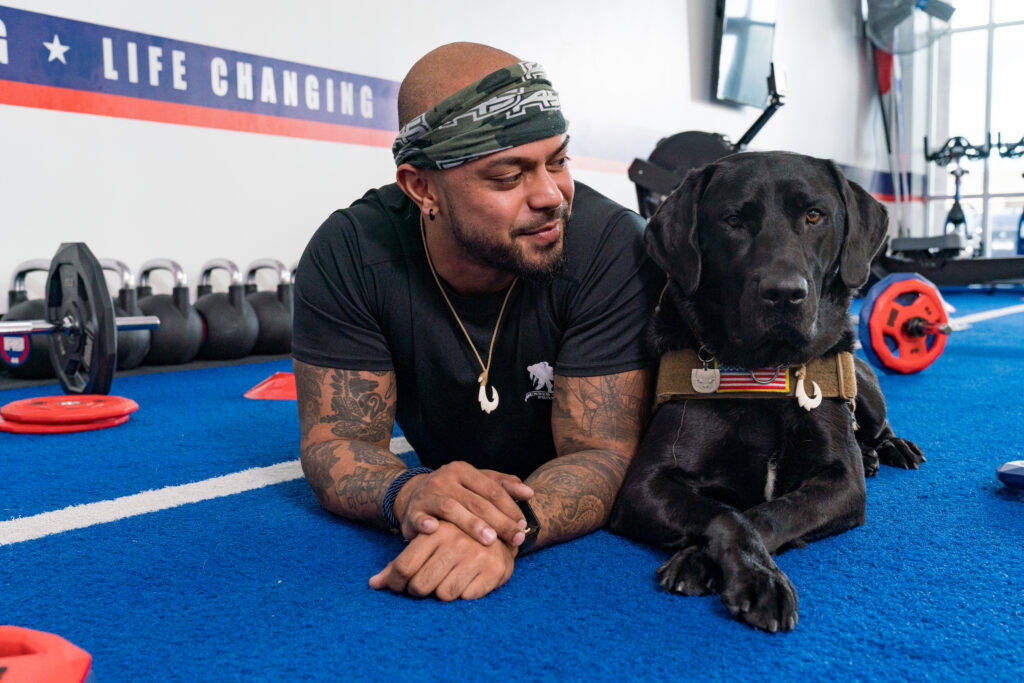
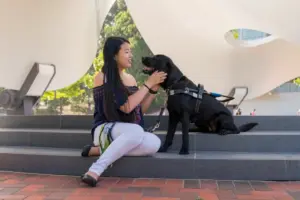
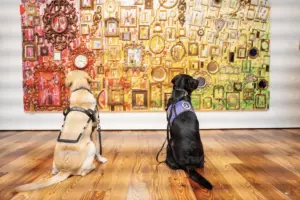
When the public observes a service dog expertly navigating a chaotic airport terminal, maintaining poise amidst hundreds of rushing travelers, or executing a seamless pressure-therapy intervention during a handler’s acute medical episode, they are witnessing the culmination of years of meticulous breeding, evaluation, and specialized training. Yet, this public-facing snapshot represents only the final chapter of a complex, multi-year developmental journey.
Behind every reliable assistance animal lies an exacting selection process designed to identify a rare psychological profile. Contrary to popular belief, the journey does not begin with rigid obedience drills, nor is it simply a matter of finding the "smartest" dog. Organizations such as Dogs Inc recognize that successful service work requires a sophisticated psychological constitution: a rare convergence of native confidence, emotional resilience, adaptability, and an intrinsic desire to partner with humans.
This comprehensive investigative report examines the architecture of service dog development. We explore why temperament remains the foundational bedrock of assistance work, how evaluators utilize standardized tools like the CARAT (Clothier Animal Response Assessment Tool) to forecast success, the vital role played by volunteer puppy raisers, and why acknowledging mismatched career paths is a vital act of animal welfare and public safety.
Detailed Chronology: From Neonate to Public Access
The transformation of a canine candidate into a certified public-access service dog follows a carefully orchestrated timeline. This chronological progression ensures that dogs are evaluated and trained in alignment with their neurodevelopmental milestones.
Phase 1: Early Infancy and Socialization (0 to 6 Months)
The journey begins in the whelping box, where breeding programs focus on genetic predisposition for health, structure, and stable nerves. As puppies transition into their early weeks, they are placed with specialized volunteer puppy raisers. During this phase, formal training takes a backseat to foundational socialization.
Puppies are systematically introduced to novel sights, sounds, textures, and environments. Trips to grocery store parking lots, suburban neighborhoods, and community centers are not designed to teach advanced tasks, but rather to observe how the young dog processes environmental stimuli. Instructors and raisers look for baseline curiosity over debilitating caution, noting how quickly a puppy bounces back from a startling noise or an unexpected visual event.
Phase 2: Adolescent Evaluation and Standardized Testing (6 to 18 Months)
As dogs mature through adolescence, their behavior inevitably fluctuates. Hormonal shifts and developmental fear periods can temporarily destabilize a young dog’s confidence. This is why professional organizations emphasize that behavioral evaluation is never based on a single snapshot in time.
Evaluations occur iteratively at key developmental stages. Instruments such as the CARAT framework are deployed to systematically categorize behavioral traits, score emotional regulation, and flag any latent reactivity. By the critical benchmark of 18 months of age, a dog’s neurological baseline and temperament stabilize significantly, allowing evaluators to make highly predictive determinations regarding public-access suitability.
Phase 3: Advanced Task Training and Integration (18 to 24+ Months)
Once a candidate successfully clears adolescent evaluations, training shifts from basic house manners and public-access etiquette to specialized task acquisition. Leveraging positive reinforcement methodologies, trainers shape behavior over thousands of repetitions.
Depending on the specific career track—whether guide work for the visually impaired, medical alert for diabetes or epilepsy, mobility support, psychiatric assistance, or autism support—dogs learn complex motor skills. These range from the delicate execution of selective disobedience (such as a guide dog refusing an unsafe directional command given by its handler) to deep-pressure therapy and physical bracing. The timeline culminates in team training, where the newly minted service dog is matched with its permanent handler, ensuring a harmonious partnership built on mutual trust and operational synchronicity.
Supporting Context & Metrics: The Anatomy of Temperament and Trait Selection
The success of a service dog hinges on specific behavioral metrics. Evaluating these traits requires dissecting what makes a candidate uniquely suited for high-stress environments compared to household pets or even other working dogs.
The Imperative of Emotional Stability
Service dogs spend their lives navigating environments that would induce acute stress in many typical animals. Dropped shopping carts, sirens, crowded elevators, and erratic human behavior are daily occurrences.
A service dog cannot merely be "fearless"—in fact, dogs exhibiting a total lack of caution often present hidden liability risks because they fail to assess risk appropriately. Instead, true emotional stability is defined by recovery time. When an unexpected event occurs, an emotionally stable dog acknowledges the stimulus, processes it, recovers within seconds, and immediately returns to its operational focus.
Breed Predispositions vs. Individual Variation
While individual temperament always supersedes breed generalizations, certain breeds—most notably Labrador Retrievers and Golden Retrievers—are historically favored for public-access work. These breeds typically exhibit:
A naturally low prey drive.
High social tolerance toward unfamiliar humans and animals.
A forgiving, resilient nature that tolerates minor environmental stressors without developing defensive aggression.
Conversely, high-drive herding breeds, such as Border Collies or Australian Shepherds, often possess intense mental focus and high trainability. However, their genetic predisposition to high environmental reactivity and difficulty settling for extended periods in stationary environments frequently makes them poorly suited for the prolonged stillness required of many service roles.
Understanding the Washout Rate
A critical metric in professional service dog operations is the "career change" or "washout" rate. Across top-tier organizations, a significant percentage of dogs entering training ultimately pivot to alternative paths. This reality is not indicative of failure, but rather of rigorous quality control.
Pushing a dog that naturally prefers a less demanding, more active lifestyle, or one that experiences chronic anxiety in busy public spaces, compromises both animal welfare and human safety. Dogs that transition out of the program frequently find successful, happy lives as beloved family pets or pivot to alternative vocations like facility therapy work.
Official Perspectives and Industry Insights
Leading practitioners in the assistance dog sector emphasize that the integrity of the entire industry rests on the transparency and scientific rigor of the evaluation process.
According to behavioral specialists at organizations like Dogs Inc, the evaluation process is designed to protect both ends of the leash:
"The selection process isn’t about finding the ‘best’ dog in an abstract sense. It is about matching a specific neuro-psychological profile with the relentless demands of public access work. Every observation—from how a puppy reacts to a dropped metallic object to how quickly an adolescent dog settles after a high-distraction outing—serves to safeguard the well-being of the dog and guarantee the unwavering reliability required by the future handler."
Furthermore, industry experts stress the importance of separating service dogs from other classifications of working and companion animals. While emotional support animals (ESAs) and therapy dogs provide immense psychological and emotional benefits, they do not possess the rigorous public-access training, task-specific conditioning, or legal protections afforded to fully trained service dogs under the law. Maintaining this distinction requires an uncompromising selection protocol during the formative stages of a dog’s life.
Future Outlook: Innovations in Behavioral Forecasting
As the demand for specialized service dogs continues to outpace supply, the science of canine behavioral evaluation is undergoing a technological and methodological evolution.
Looking forward, breeding and training institutions are increasingly integrating data-driven metrics into their early-stage selection pipelines. By combining longitudinal behavioral tracking software with standardized physiological stress indicators (such as heart-rate variability monitoring during novel stimuli testing), organizations are working to predict service potential even earlier in a puppy’s development.
At the same time, public education campaigns are shifting cultural perceptions around career changes. By destigmatizing the reality that not every puppy is cut out to be a service dog, organizations foster a healthier appreciation for individual animal psychology.
Ultimately, the future of the service dog industry remains anchored in the quiet, unglamorous details: the thoughtful pause, the calm recovery in the face of chaos, and the unwavering dedication of puppy raisers and instructors. Through this meticulous synthesis of science, empathy, and rigorous evaluation, institutions will continue to forge life-changing partnerships where both handlers and dogs thrive together in an increasingly complex world.