
Executive Overview
For millions of family caregivers, the daily routine is defined by hyper-vigilance, intuition, and an exhausting guessing game. When caring for a nonverbal individual—whether due to developmental disabilities, autism spectrum conditions, advanced cognitive decline, or traumatic brain injury—communicating localized pain or physical discomfort is impossible. A localized toothache, a developing gum infection, or a fractured filling cannot be voiced with a simple sentence like, "My molar hurts."
Instead, discomfort manifests through subtle, often confounding behavioral shifts: a sudden aversion to crunchy foods, a new habit of rubbing the jaw, erratic sleep patterns, increased drooling, or unexplained irritability during mealtimes. Caregivers are left trapped in a high-stress cycle of second-guessing, constantly oscillating between the fear of overreacting to normal behavioral variations and the guilt of missing a medical emergency.
Oral health issues, in particular, are notorious for hiding behind non-specific behavioral flags. Because the mouth is a complex ecosystem heavily linked to systemic health, untreated dental pain can degrade an individual’s quality of life, aggravate behavioral challenges, and lead to systemic infections if left unaddressed.
Fortunately, caregivers do not have to navigate this diagnostic maze in isolation. By establishing a collaborative partnership with a family dentist experienced in treating nonverbal and neurodivergent patients, caregivers can transform ambiguous behavioral flags into actionable clinical data. This investigative report examines how family dentistry bridges the gap between home observations and clinical diagnosis, offering structured protocols, preventative strategies, and emotional relief to those carrying the immense weight of caregiving.
Detailed Chronology: The Evolution of Nonverbal Oral Health Care
Understanding how oral health concerns manifest, escalate, and are ultimately diagnosed in nonverbal patients requires tracing the typical chronology of a dental issue from its silent inception to its behavioral expression.
Phase 1: The Silent Onset (Weeks 1–2)
Dental problems rarely appear overnight. Whether it is micro-leakage under an old filling, early-stage gingivitis, or the slow demineralization of enamel, a problem typically begins beneath the surface. For a verbal individual, this phase might prompt a trip to the mirror or a casual complaint to a partner. For a nonverbal patient, Phase 1 is entirely internal.
However, microscopic changes begin to trigger physiological responses. Mild inflammation releases chemical signals that cause localized discomfort. While the patient may not consciously register a distinct "toothache," their nervous system experiences a low-grade, persistent sensory disturbance.
Phase 2: Behavioral Translation (Weeks 2–4)
As the underlying pathology progresses—perhaps turning an early cavity into a deep carious lesion or exacerbating gum inflammation—the physical pressure or sensitivity increases. Because the patient cannot isolate the source, they express discomfort through altered routines.
- Nutritional Shifts: The patient may abruptly reject favorite foods, particularly those that require heavy chewing, or begin exclusively chewing on one side of the mouth to avoid pressure on a sensitive tooth.
- Tactile Seeking/Avoidance: New habits emerge, such as constant tugging at the ear, rubbing the cheek, or aggressively pressing fingers against the gums. Conversely, they may violently resist routine tooth-brushing, interpreting the sensory input of the toothbrush as an intolerable assault on an already inflamed area.
- Autonomic Responses: Sleep disturbances spike. Unexplained night waking, teeth grinding (bruxism) driven by physical stress, and uncharacteristic daytime agitation become common.
Phase 3: The Caregiver’s Dilemma and Intervention (Month 2 and Beyond)
By this stage, the caregiver is deeply entrenched in the diagnostic puzzle. They notice the behavioral anomalies but lack the clinical tools to verify the root cause. Is the refusal to eat caused by gastrointestinal distress, sensory overload, anxiety, or an aching tooth?
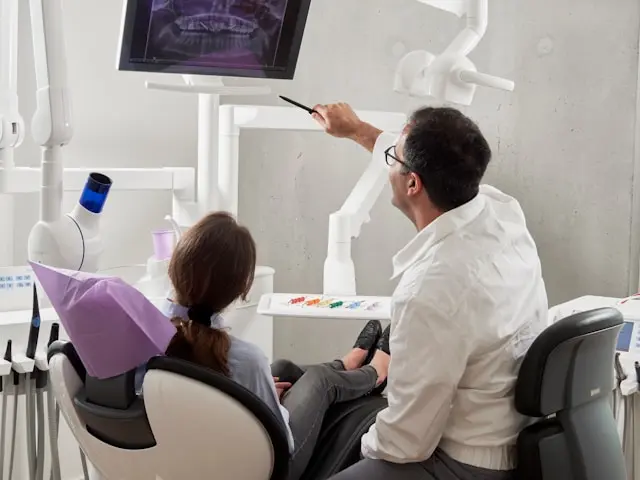
This is the critical inflection point where a proactive family dentist steps in. By performing a comprehensive clinical examination, taking baseline diagnostic images, and correlating the timeline of behavioral changes with oral findings, the dentist lifts the burden of guesswork from the caregiver’s shoulders. The timeline shifts from reactive crisis management to structured, preventive monitoring.
Supporting Context & Metrics: The Intersection of Disability and Oral Health
Oral health disparities among nonverbal and neurodivergent populations represent a significant public health challenge. According to epidemiological data from health agencies like the National Institute of Dental and Craniofacial Research (NIDCR), individuals with developmental and physical disabilities experience significantly higher rates of untreated dental caries, periodontal disease, and poorer overall oral hygiene compared to the general population.
The Diagnostic Barrier: Why Oral Pain is Misattributed
Studies in geriatric and disability care indicate that behavioral changes in nonverbal individuals are frequently misattributed to psychological, behavioral, or psychiatric causes rather than physiological pain. For instance, increased aggression or self-injurious behavior (such as hitting the side of the face) is occasionally treated with behavioral modifications or pharmacological interventions when the underlying driver is actually severe dental abscess pain or orthodontic pressure.
| Clinical Indicator | Common Behavioral Mask | Potential Dental Etiology |
|---|---|---|
| Nutritional Avoidance | Refusing solid foods, pocketing food | Cracked tooth, advanced decay, severe gingivitis |
| Focal Tactile Habits | Jaw rubbing, face-hitting, excessive drooling | Erupting molars, periapical abscess, ill-fitting dental appliance |
| Sleep Disruption | Night terrors, nocturnal thrashing, insomnia | Bruxism (teeth grinding), chronic pulpitis |
| Hygiene Resistance | Fighting tooth-brushing, biting the brush | Sensory hypersensitivity, exposed dentin, oral mucositis |
The Economic and Emotional Toll on Caregivers
Caregiving is an endurance test that spans physical, financial, and psychological dimensions. Chronic stress is a documented occupational hazard for family caregivers. When a loved one is suffering and cannot articulate why, the emotional toll intensifies exponentially.
According to data compiled by the Centers for Disease Control and Prevention (CDC) regarding family caregivers, individuals supporting those with disabilities report elevated rates of anxiety, depression, and burnout. The uncertainty surrounding hidden pain—such as undiagnosed dental issues—creates an atmosphere of perpetual vigilance. Integrating a predictable, supportive family dental care routine directly mitigates this psychological strain by establishing a safety net of clinical expertise.
Official Guidelines and Expert Frameworks
Navigating oral care for nonverbal patients requires adherence to established clinical guidelines and public health recommendations. Leading health organizations provide critical frameworks for optimizing home care and clinical partnerships.
NIDCR Framework for Developmental Disabilities
The National Institute of Dental and Craniofacial Research emphasizes that oral health care plans for individuals with disabilities must be individualized, highly collaborative, and proactive. Key tenets of their framework include:
- Early Baselines: Establishing a dental home early in life or soon after a diagnosis occurs, ensuring clinicians have a clear reference point for healthy tissue vs. pathological changes.
- Desensitization Protocols: Utilizing "tell-show-do" techniques and gradual exposure visits to acclimate sensory-sensitive patients to the dental environment before performing invasive procedures.
- Interdisciplinary Collaboration: Maintaining open communication channels between the caregiver, primary care physicians, behavioral therapists, and the family dentist.
CDC Preventative Protocols for Adult Oral Care
The Centers for Disease Control and Prevention outlines foundational adult oral hygiene standards that must be adapted for nonverbal populations. These include daily plaque removal, fluoride utilization to prevent root caries, and routine professional cleanings. For caregivers, the CDC highlights the necessity of recognizing early warning signs of periodontal disease—such as gingival bleeding, persistent halitosis, and tissue recession—which often serve as the only visible indicators of disease in patients who cannot report discomfort.
Actionable Strategies: Building a Home Monitoring and Clinical Partnership
To move from passive worry to empowered management, caregivers can implement structured, repeatable systems at home while optimizing their interactions with their family dentist.
1. Establishing a Daily Observation Routine
Observation should not be an overwhelming, all-day chore; it should be integrated into existing daily patterns.
- The Post-Brushing Check: Pick a predictable window, such as during evening oral hygiene, to systematically scan the oral cavity (if the patient tolerates it) or observe external markers.
- The Micro-Journal: Keep a dedicated log—either on a smartphone app or a small notebook—focused exclusively on oral-facial markers. Jot down concise, objective phrases: "Refused toast on Tuesday morning," "Noticed right cheek rubbing after dinner," or "Spotted minor blood on toothbrush." Over weeks, these micro-notes reveal undeniable patterns.
2. Preparing for Dental Visits with Contextual Data
When visiting the family dentist, bridging the communication gap requires translating home observations into clinical context. Caregivers should arrive prepared to share:
- The Timeline: Exactly when the behavioral shift began and whether it has accelerated, plateaued, or fluctuated.
- Environmental Triggers: Whether the behavior worsens at specific times of day (e.g., during cold drinks, after waking, or during specific meals).
- Multimedia Evidence: If the patient permits, short video clips of repetitive face-rubbing, chewing adjustments, or atypical biting habits can provide invaluable diagnostic clues to the clinician.
3. Co-Designing a Realistic Prevention Plan
Not every dental hygiene product or routine works for every patient. Caregivers should collaborate with their dentist to customize a sustainable care plan:
- Tool Selection: Discuss whether an electric toothbrush, specialized soft-bristle manual brush, or foam swabs are best suited to the patient’s sensory profile.
- Chemical Interventions: Evaluate the necessity of prescription high-fluoride toothpastes, antimicrobial mouthwashes, or saliva substitutes for patients experiencing dry mouth (xerostomia) caused by medications.
- Recall Frequency: For high-risk nonverbal patients, standard six-month recall intervals may be insufficient. A customized schedule featuring three- or four-month maintenance visits can catch progressive issues before they require emergency intervention.
Future Outlook: The Horizon of Accessible Dental Care
As medical and dental technologies advance, the future of oral health monitoring for nonverbal patients is poised for transformative change. Innovations in teledentistry are beginning to allow caregivers to securely transmit high-resolution intraoral photos or short video logs directly to a family dentist for preliminary triage, reducing the stress of unnecessary clinical transport for sensory-sensitive individuals.
Furthermore, advancements in diagnostic imaging, artificial intelligence-assisted caries detection, and sensory-adapted dental clinics (featuring adjustable lighting, weighted blankets, and noise-canceling accommodations) are making dental visits vastly more accessible.
Ultimately, caring for a nonverbal loved one requires immense emotional resilience, but no caregiver should have to operate in a vacuum of uncertainty. By recognizing that behavioral shifts are often the voice of hidden oral pain, and by forging a proactive, trusting partnership with a skilled family dentist, caregivers can replace anxiety with clarity. Establishing a reliable observation routine and engaging in collaborative, preventive care ensures that comfort is protected, dignity is preserved, and the silent signals of oral distress are finally heard.