
By Narda G. Robinson, DO, DVM, MS, FAAMA
Executive Overview
For years, the public conversation surrounding the cannabis plant has been dominated by two major cannabinoids: cannabidiol (CBD) and delta-9-tetrahydrocannabinol (THC). While THC remains heavily restricted and largely avoided in veterinary clinical practice due to its toxicity profile, CBD has surged into the mainstream as a versatile, non-intoxicating therapeutic agent. However, medical research is rapidly shifting its gaze toward a lesser-known yet remarkably potent precursor molecule: cannabigerol (CBG).
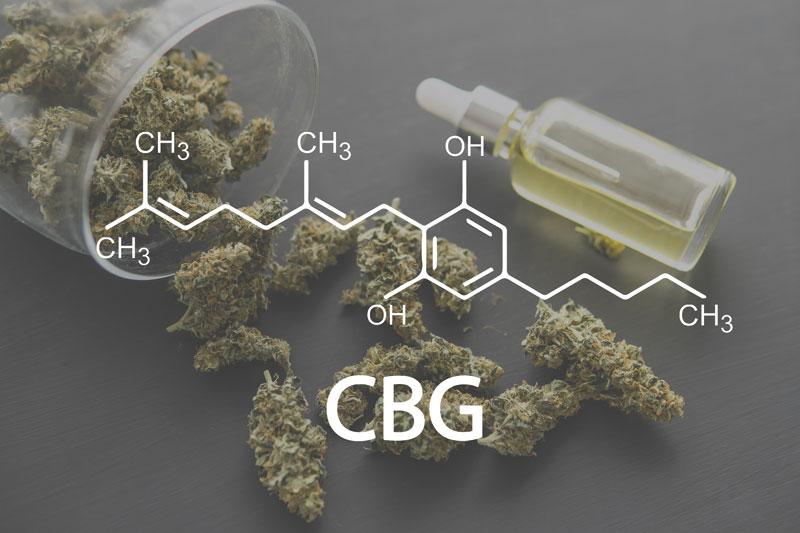
Often referred to as the "mother of all cannabinoids" because other cannabinoids are synthesized from its acidic precursor (cannabigerolic acid, or CBGA), CBG is generating profound excitement across both human and veterinary medical fields. Early pharmacological data suggest that CBG’s anti-inflammatory, antimicrobial, and gastrointestinal protective properties may outpace those of CBD. Furthermore, CBG lends itself remarkably well to topical formulations—providing a vital route of administration for challenging conditions such as atopic dermatitis—while showing immense promise in managing metabolic syndrome and inflammatory bowel disease (IBD).
Despite its promising pharmacological portfolio, the clinical integration of CBG and other phytocannabinoids faces an uphill battle against antiquated regulatory frameworks. While human patients and veterinary professionals seek evidence-based options to improve patient outcomes, restrictive licensing boards and legislative hurdles continue to stifle open clinical dialogue and research. This article explores the pharmacological mechanisms of CBG, compares it with established cannabinoids and modern pharmaceuticals like GLP-1 receptor agonists, and evaluates its burgeoning role in veterinary medicine.
Detailed Chronology & Pharmacological Evolution
To understand the therapeutic mechanics of CBG, one must first examine the historical and pharmacological trajectory of the endocannabinoid system (ECS). Scientific inquiry into the cannabis plant initially centered almost exclusively on the psychotropic effects of THC. The quest to isolate and identify the specific cellular targets of THC ultimately catalyzed the landmark discovery of the endocannabinoid system.
According to insights published by Harvard Health, the ECS comprises a vast, intricate network of chemical signals and cellular receptors densely distributed throughout the central and peripheral nervous systems. Cannabinoid receptors—specifically the CB1 receptors concentrated in the brain—outnumber many other neurotransmitter receptor types. They function akin to neurological traffic cops, governing the levels and activity of surrounding neurotransmitters to maintain homeostasis across hunger, temperature regulation, and alertness.
A second major receptor type, the CB2 receptor, resides predominantly within immune tissues. These receptors are critical for regulating immune function, modulating intestinal inflammation, controlling smooth muscle contractions, and mediating pain responses in inflammatory bowel conditions. Because CB2 receptors do not trigger the intoxication or psychotropic "high" associated with CB1 stimulation, they represent exceptionally attractive targets for pharmaceutical development.
The Receptor Profiles: THC, CBD, and CBG
While researchers have cataloged more than 150 distinct cannabinoids within the Cannabis sativa plant, the clinical hierarchy remains anchored by the "big three": THC, CBD, and CBG.
- THC activates CB1 receptors intensively and extensively, driving both its therapeutic analgesic effects and its undesirable psychotropic side effects.
- CBD modulates this exuberance through negative allosteric modulation. By subtly altering the conformational shape of the CB1 receptor’s binding site, CBD inhibits THC from binding too aggressively. In low to moderate quantities, this mitigates adverse THC-induced reactions, such as tachycardia and paranoia. Furthermore, CBD exerts its primary therapeutic effects via noncannabinoid receptors, enhancing serotonin (5-HT1A) signaling for anti-anxiety benefits, regulating gamma-aminobutyric acid (GABA) for seizure and sleep disorders, and downregulating pro-inflammatory cascades like NF-kappa B and TNF-alpha.
- CBG occupies a unique pharmacological middle ground. As detailed by Nachnani et al., CBG’s affinity for CB1 and CB2 receptors resembles that of delta-9-THC rather than CBD, though with a significantly lower binding affinity (ranging from 5-fold to 27-fold lower).
Crucially, CBG is entirely nonintoxicating, nonhallucinogenic, and noneuphorigenic. It shares minor differences in affinity with CBD across six transient receptor potential cation channels (TRPA1, TRPV1 through TRPV4, and TRPM8). However, CBG sets itself apart through two critical pharmacological distinctions:
- It lacks binding data at GPR55 (the proposed nonhomologous CB3 receptor).
- It acts as a remarkably potent (nanomolar to sub-nanomolar affinity) agonist at the $alpha$-2 adrenoceptor—a physiological site of action where both CBD and THC lack documented data.
- It acts as an antagonist at the 5-HT1A receptor, whereas CBD serves as an indirect agonist.
Supporting Context & Therapeutic Applications
With CBG’s unique structural and receptor profile established, researchers have turned their attention to specific clinical indications where CBG matches or exceeds the performance of traditional cannabinoids.
1. Dermatological Problems and Atopic Dermatitis
Skin disorders—particularly atopic dermatitis (AD)—represent a persistent challenge in both human and veterinary dermatology. Topically applied CBG has demonstrated profound therapeutic efficacy in animal models by simultaneously dampening inflammation and reinforcing epidermal barrier function.
Clinical evaluations of topical CBG serums in humans have demonstrated statistically significant improvements in transepidermal water loss and reductions in erythema compared to placebos. While CBD possesses notable anti-inflammatory qualities, CBG exhibits superior potency in inhibiting the release of pro-inflammatory cytokines triggered by ultraviolet A (UVA), ultraviolet B (UVB), and various chemical irritants.
2. Inflammatory Bowel Disease (IBD)
Both CBD and CBG offer relief to patients suffering from IBD, but CBG appears to outperform CBD in directly mitigating active gut inflammation, particularly in cases mirroring human Crohn’s disease and ulcerative colitis. CBG achieves this by interacting directly with intestinal CB1 and CB2 receptors.
Preclinical murine studies utilizing inflammatory bowel disease models revealed that high-CBG hemp extracts—containing a blend of CBG, CBD, and cannabichromene (CBC)—effectively reduced colitis and actively modulated the gut microbiome. Furthermore, this extract normalized critical metabolic pathways governing inflammation, while the strategic combination of CBD and CBG preserved the colonic epithelium and mitigated visceral pain-related responses.
3. Infectious Disease and Antibiotic Resistance
The rise of multi-drug-resistant bacterial strains has forced researchers to look beyond traditional pharmacopeia. Both CBD and CBG are garnering intense scrutiny for their direct bactericidal properties against drug-resistant pathogens.
CBG actively damages the cellular walls of Gram-positive bacteria, disrupts mature biofilms, overcomes conventional drug resistance mechanisms, and increases bacterial membrane permeability. According to landmark findings by Appendino et al. and Farha et al., CBG exhibited a lower minimum inhibitory concentration (MIC) than norfloxacin across five out of six tested strains of Staphylococcus aureus, while outperforming erythromycin, tetracycline, and oxacillin against resistant isolates. In systemic murine S. aureus models, CBG proved as effective at reducing bacterial colony-forming units as the heavy-hitting glycopeptide antibiotic vancomycin.
4. Metabolic Syndrome
Emerging data continue to underscore CBG’s utility in managing metabolic dysregulation. Its ability to combat systemic inflammation and oxidative stress positions it as a promising candidate for addressing the interrelated facets of metabolic syndrome, including insulin resistance, chronic low-grade inflammation, and lipid abnormalities.
Comparative Analysis: Cannabinoids vs. GLP-1 Receptor Agonists
A fascinating biochemical parallel exists between FDA-approved, predominantly injectable drugs classified as GLP-1 (glucagon-like peptide-1) receptor agonists—such as those used for diabetes and weight management—and phytocannabinoids like THC, CBD, and CBG.
While GLP-1 receptor agonists (GLP-1RAs) combat metabolic syndrome by targeting obesity, hyperglycemia, hypertension, and dyslipidemia, cannabinoids achieve overlapping therapeutic benefits through distinct biochemical pathways.
| Feature / Metric | GLP-1 Receptor Agonists | Phytocannabinoids (CBD, CBG) |
|---|---|---|
| Primary Mechanism | Stimulates GLP-1 receptors; manages blood sugar and appetite. | Engages ECS (CB1/CB2), adrenoceptors, and TRP channels. |
| Anti-Inflammatory Action | Reduces systemic inflammation and oxidative stress. | Reduces TNF-alpha, IL-6, COX-2; suppresses microglial activation. |
| Neuroprotection | Inhibits neurodegeneration and cognitive decline. | Protects mitochondria, reduces neuronal excitotoxicity. |
| Route of Administration | Predominantly subcutaneous injections. | Oral, transmucosal, and highly effective topical applications. |
| Adverse Event Profile | Gastrointestinal distress, gastroparesis, tachycardia, rare pancreatitis, potential thyroid cancer risks. | Highly manageable; non-intoxicating (CBG/CBD); negligible withdrawal. |
| Historical Precedent | Relatively novel pharmacological class; long-term impacts unknown. | Millennia of recorded human and veterinary usage. |
The Economic Horizon: Synthetic Biology
Beyond safety and efficacy considerations, the economic barrier to cannabinoid utilization is poised to drop dramatically. Researchers and synthetic biologists at institutions like UC Berkeley have engineered cost-effective pathways to synthesize cannabinoid precursors—such as CBGA, THCA, and CBDA—utilizing modified brewer’s yeast. As industrial-scale fermentation ramps up, high-purity cannabinoids will become significantly more affordable, universally accessible, and environmentally sustainable.
Official Statements & Veterinary Regulatory Challenges
Despite the overwhelming accumulation of preclinical and clinical data supporting cannabinoid efficacy, veterinary medicine remains hamstrung by regulatory stagnation.
Research evaluating the pharmacokinetics, tolerability, and physiological effects of CBG in canines remains sparse, though early safety trials indicate that both CBG and its precursor, CBGA, are exceptionally well-tolerated in dogs—whether administered in isolation or as part of a broad-spectrum cannabinoid formulation. This disparity highlights a glaring disconnect: while the volume of rigorous cannabinoid science expands exponentially, clinical practice guidelines remain frozen by bureaucratic hesitation.
In the author’s estimation, the primary obstacle facing cannabinoid medicine is not rooted in adverse chemistry, dangerous side effects, or a lack of therapeutic potential. Rather, it stems from regulatory bodies and licensing boards that continue to maintain prohibitionist stances.
To illustrate this regulatory double standard: it is exceedingly rare for a veterinarian to face disciplinary action or license revocation for recommending or dispensing imported herbal remedies containing undisclosed or hazardous constituents. Yet, in many jurisdictions across North America, licensed veterinarians are legally prohibited from even discussing cannabis with their clients.
One must ask: How does gagging veterinary professionals protect the public? How does it benefit animal health? If restrictive constraints fail to serve clients, patients, or the veterinary profession, these archaic policies must be critically re-evaluated.
Future Outlook
The trajectory of cannabigerol (CBG) points toward a paradigm shift in integrative therapeutics. As synthetic biology reduces manufacturing costs and clinical trials validate CBG’s superiority in dermatology, gastroenterology, and infectious disease management, phytocannabinoid medicine will inevitably shed its counterculture stigma.
For veterinarians and human clinicians alike, the mandate moving forward is clear: advocate for evidence-based reform, demand rigorous pharmacokinetic and pharmacodynamic research in target animal species, and dismantle regulatory barriers that prevent practitioners from alleviating suffering with safe, plant-derived therapies. The future of medicine lies not in clinging to outdated prohibitions, but in embracing the sophisticated molecular interplay of the natural world.
References
(Note: A comprehensive index of peer-reviewed pharmacological, botanical, and clinical citations supporting the mechanisms of CBG, CBD, and THC—including foundational works by Nachnani et al., Appendino et al., and Farha et al.—is maintained within the permanent archives of Veterinary Practice News.)