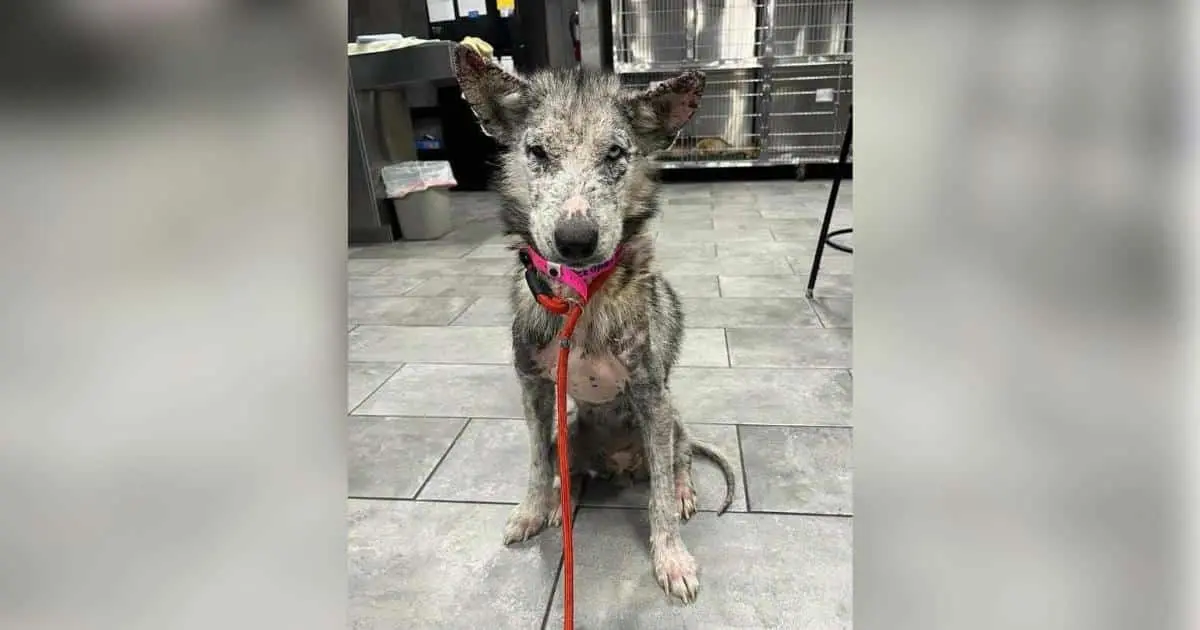
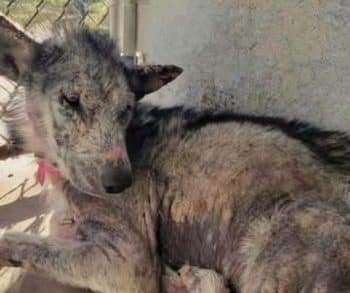
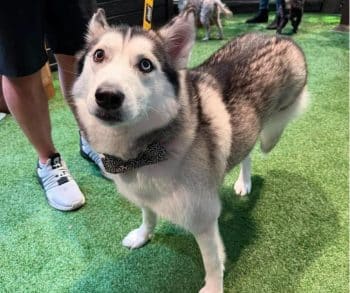
In the landscape of animal welfare and rescue operations, few cases present as stark a challenge—or as profound a testament to canine resilience—as those involving severe physical trauma combined with systemic neglect. When "Bronx," a female Siberian Husky, was admitted into the care of the non-profit rescue organization Rescue Dogs Rock NYC, her physical condition was a grim catalog of abuse. She was severely malnourished, exhibited signs of prolonged neglect, and was suffering from a catastrophic ballistic injury. A gunshot wound had shattered one of her limbs, necessitating its surgical amputation.
For many animals, the convergence of starvation, psychological trauma, and major orthopedic surgery presents a prolonged, sometimes insurmountable hurdle to recovery. Yet, Bronx’s subsequent rehabilitation has challenged conventional assumptions regarding the limitations of three-legged dogs (commonly referred to as "tripods"). Far from being sidelined by her physical loss, Bronx has undergone a profound physiological and behavioral transformation. Today, she navigates her environment with high mobility, demonstrating not only physical recovery but also a sophisticated suite of social behaviors, including seeking tactile engagement and creating structured "nests" from her toys.
This investigative and feature-focused report examines the chronological recovery of Bronx, the biomechanics of canine limb amputation and adaptation, the behavioral science of shelter dog rehabilitation, and the broader systemic challenges faced by specialized rescue organizations managing high-medical-needs cases.
Detailed Chronology of Rescue, Surgery, and Rehabilitation
Upon her initial intake by Rescue Dogs Rock NYC, veterinary examiners noted that Bronx was in a state of advanced physiological compromise. The immediate priorities were stabilizing her vital signs and assessing the viability of her damaged limb.
Pathological Presentation: The gunshot wound had caused extensive soft-tissue destruction and comminuted bone fractures, rendering the limb non-salvageable. The injury was compounded by chronic malnutrition, which had depleted her fat reserves and led to muscle wasting (atrophy).
Surgical Intervention: To prevent systemic infection (sepsis) and alleviate chronic pain, a veterinary surgical team performed a complete limb amputation. The procedure required careful ligation of major vasculature, nerve blocks to manage post-operative neuropathic pain, and a multi-layered closure of the muscular and cutaneous tissues.
2. Post-Operative Nutritional Stabilization
Amputation surgery places immense metabolic demands on a canine, demands that are dangerously amplified in a malnourished patient. The veterinary team implemented a highly structured nutritional rehabilitation program.
Preventing Refeeding Syndrome: In severely starved canines, rapid reintroduction of food can trigger a fatal shift in intracellular electrolytes (specifically phosphorus, potassium, and magnesium). Bronx’s diet was introduced in small, frequent, nutrient-dense portions, with close monitoring of her serum chemistry.
Tissue Repair Support: High-quality proteins and essential fatty acids (Omega-3 and Omega-6) were prioritized to promote wound healing at the surgical site and to begin rebuilding the skeletal muscle necessary for her to support her weight on three legs.
3. Biomechanical Adaptation and Mobility Training
Once the surgical site healed and her systemic strength improved, Bronx faced the challenge of locomotion as a tripod.
Proprioceptive Realignment: Canines must completely recalibrate their vestibular system and spatial awareness when transitioning from four limbs to three. This process involves shifting their center of gravity to maintain balance during both static standing and dynamic movement.
Gait Modification: Bronx quickly learned to utilize a modified gait, compensating for the missing limb by adjusting the angle of her remaining limbs to distribute weight more evenly across her pelvic and thoracic girdles. Rescuers noted that her transition was remarkably rapid, characterized by a determined effort to run and play rather than display guarded, tentative movements.
4. Psychological Recovery and Behavioral Emergence
As her physical pain subsided, Bronx’s personality underwent a significant shift. The fearful, shut-down behavior common in traumatized shelter dogs gave way to highly social, complex behavioral patterns.
Tactile Seeking and Attachment: Rather than avoiding human contact, Bronx developed a habit of using her remaining front paw to physically hook and pull humans closer, demanding physical affection and belly rubs.
Nesting Instincts: In her kennel and play areas, Bronx began displaying "toy nesting" behavior—meticulously gathering her toys and arranging them in a circular perimeter around herself before resting. Behavioral analysts associate this with a desire for environmental control and security.
Acoustic Expression: While Siberian Huskies are notoriously vocal, often prone to high-pitched, frequent howling, Bronx developed a more modulated acoustic profile. She exhibits a relatively calm demeanor punctuated by selective, expressive "singing" when stimulated by her environment.
Supporting Context & Metrics: The Science of Tripod Canines
To understand the scale of Bronx’s recovery, it is necessary to examine the physiological and biomechanical realities of canine tripod adaptation.
Biomechanical Weight Distribution in Canines
In a standard quadrupedal dog, weight distribution is not equal. Canines are naturally front-heavy animals, carrying approximately 60% of their body weight on their thoracic limbs (front legs) and 40% on their pelvic limbs (hind legs).
Metric / Parameter
Quadrupedal Baseline (Four Legs)
Front-Limb Tripod Adaptation
Hind-Limb Tripod Adaptation
Forelimb Weight Load
~60% of total body weight
Up to 80-85% on the single remaining forelimb
Weight shifted forward; increased stress on forelimbs
Hindlimb Weight Load
~40% of total body weight
Decreased load; used primarily for propulsion
Up to 60-70% on the single remaining hindlimb
Spinal Alignment
Linear, minimal lateral flexion during gait
Compensatory lateral bending to swing the body forward
Increased vertical hopping motion; higher impact on lower spine
Long-Term Joint Risks
Standard age-related osteoarthritis
High risk of carpal/elbow hyperextension and arthritis
High risk of hip and stifle (knee) osteoarthritis
Because of these biomechanical shifts, tripod dogs require careful long-term management to prevent compensatory injuries. Key health metrics for a recovering tripod include:
Body Condition Score (BCS): Maintaining a lean body weight (ideally a score of 4 on a 9-point scale) is critical. Every extra pound of body fat exponentially increases the mechanical stress on the remaining three joints.
Joint Supplementation: Early introduction of glycosaminoglycans, chondroitin sulfate, and green-lipped mussel extract is recommended to preserve cartilage integrity in the overloaded joints.
Environmental Modification: Limiting high-impact activities on hard surfaces (such as jumping off furniture or running on concrete) preserves joint longevity.
Official Statements from Rescue Dogs Rock NYC
Representatives and caretakers from Rescue Dogs Rock NYC have documented Bronx’s journey extensively, emphasizing that her recovery is as much psychological as it is physical.
In a recent public update, the rescue organization highlighted her resilient spirit:
"When Bronx first arrived, her body told the story of just how much she had already endured. She was malnourished, in rough condition, and missing a leg after suffering a gunshot wound. Today, the dog her rescuers once worried about runs, plays, explores, and throws herself into life with enough enthusiasm to make three legs seem like little more than a technicality."
The rescue staff notes that Bronx’s capacity for joy has remained completely untouched by her past trauma:
"Bronx lost a leg. She did not lose her joy. She has gone on to become a goofy, affectionate dog with places to go, toys to arrange, car rides to take, and humans to physically pull closer whenever they aren’t providing enough attention."
This sentiment underscores a key philosophy in modern animal rehabilitation: physical differences or disabilities do not equate to a diminished quality of life. With proper veterinary care and behavioral support, tripod dogs can achieve a level of vitality that rivals their four-legged peers.
Future Outlook: The Specialized Adoption Process
With her medical rehabilitation complete and her behavioral patterns stabilized, Bronx has officially transitioned to "adoption-ready" status. However, placing a high-profile, special-needs animal requires a rigorous screening process to ensure long-term success and prevent re-homing.
The ideal home for Bronx must accommodate her altered biomechanics.
Flooring: Homes with polished hardwood or tile floors can pose a slip hazard for tripod dogs, potentially leading to joint strain or ligament tears. Preference is given to homes with carpet, rugs, or those willing to install high-traction runners.
Stairs: While tripod dogs can navigate stairs, frequent stair-climbing can accelerate wear and tear on the joints. Single-level living or homes with minimal stairs are highly favorable.
Outdoor Access: A secure, fenced yard is necessary to allow her to run and play safely without the risk of sudden, uncontrolled bolting, which is a common breed trait for Huskies.
2. Caregiver Profile and Commitment
Potential adopters must demonstrate an understanding of both the Siberian Husky breed and the medical upkeep of a tripod dog.
Breed Experience: Huskies are highly intelligent, working-breed dogs that require significant mental stimulation and structured enrichment to prevent boredom-induced behaviors.
Preventative Healthcare: Adopters must commit to lifelong veterinary oversight, including regular weight checks, joint health monitoring, and potentially physical therapy or hydrotherapy as Bronx ages.
Conclusion: A Legacy of Survival
Bronx’s journey from a severely neglected, gunshot-wounded stray to a vibrant, affectionate companion highlights the profound impact of dedicated rescue networks and modern veterinary rehabilitation. Her story serves as an advocacy tool for other special-needs shelter animals, proving that a missing limb is not a barrier to a fulfilling life. As she awaits her permanent home, Bronx stands as a living symbol of canine endurance—a dog who refused to let her past define her capacity for joy.