
Executive Overview
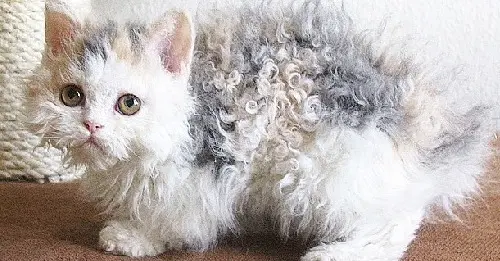
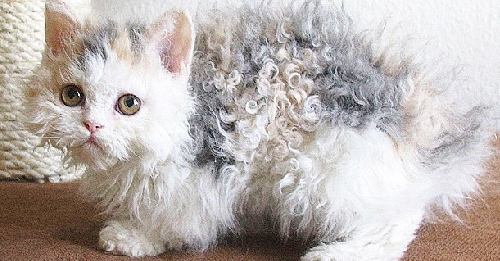
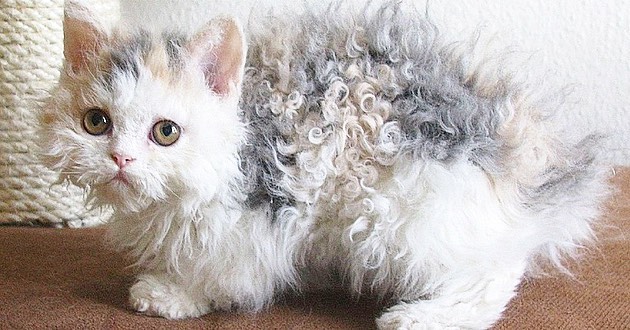
To the uninitiated, the term "poodle cat" sounds like a biological impossibility—a linguistic mashup of canine nomenclature and feline grace. Yet, within the diverse landscape of modern felinology, this charming moniker refers to a very real, highly distinctive group of cats characterized by plush, wavy, or corkscrew curls reminiscent of a Poodle’s iconic coat.
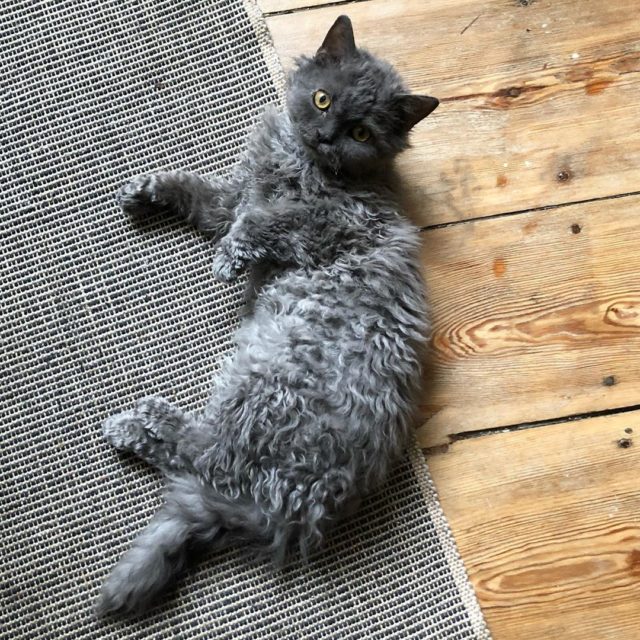
Far from being a dog-cat hybrid or the result of modern genetic engineering experiments, the "poodle cat" phenomenon is a celebration of nature’s spontaneous mutations. While several distinct breeds share this whimsical nickname, the title is most frequently bestowed upon the Selkirk Rex, a relatively young and profoundly charismatic breed that traces its lineage back to a single shelter rescue in Montana in 1987.
Joined by the LaPerm, Devon Rex, and Cornish Rex, these curly-coated felines challenge traditional expectations of what a domestic cat should look like. However, beneath their whimsical, teddy-bear-like exteriors lies a complex genetic tapestry, specific husbandry and grooming demands, and a dedicated global fan base. This comprehensive report explores the history, genetics, health profiles, and cultural footprint of the remarkable cats known affectionately as "poodle cats."
Detailed Chronology: The Origins of the Curly Feline
The story of the curly-coated cat is not a single narrative, but rather a collection of independent genetic discoveries spanning several decades and multiple continents. While the Rex mutation has appeared spontaneously in various parts of the world, each breed possesses a distinct genetic blueprint governing its unique coat structure.
[1950: Cornwall, England] ──> Cornish Rex (Tight "marcel" waves, lack of guard hairs)
[1960: Devon, England]   ──> Devon Rex (Loose waves, pixie face, brittle whiskers)
[1982: Oregon, USA]      ──> LaPerm (Springy curls, born nearly hairless)
[1987: Montana, USA]     ──> Selkirk Rex (Plush, heavy curls, dominant mutation)
1950: The Cornish Rex (Cornwall, England)
The history of curly cats in formal breeding programs began in the rugged countryside of Cornwall, England. In July 1950, a barn cat named Serena, living on a farm owned by Nina Ennismore, gave birth to a litter of kittens. Among them was a red-and-white male named Kallibunker.
Kallibunker possessed an extraordinarily unusual, short, rippled coat that resembled the fashionable "marcel" waves of the era. Genetic analysis later revealed that this coat was the result of a recessive mutation. Unlike normal cats, which possess three distinct layers of hair (guard hairs, awn hairs, and down hairs), the Cornish Rex lacks guard hairs entirely, leaving only a soft, velvety undercoat arranged in tight, finger-wave patterns.
1960: The Devon Rex (Buckfastleigh, England)
Just a decade later, another curly-coated anomaly surfaced in Devon, England, roughly 50 miles from the Cornish Rex’s birthplace. Discovered near a tin mine in Buckfastleigh, a stray female gave birth to a kitten with a distinctly suede-like, rippled coat.
Initially, breeders attempted to cross this new kitten with the Cornish Rex, assuming the gene was the same. To their surprise, all the resulting kittens possessed straight coats. This breeding experiment proved that the Devon Rex carried an entirely different, independent recessive gene. Beyond its waves, the Devon Rex is physically distinct due to its oversized ears, elfin face, and large, expressive eyes—earning it comparisons to an alien or a mischievous pixie.
1982: The LaPerm (The Dalles, Oregon)
Moving across the Atlantic to the Pacific Northwest, a spontaneous mutation occurred in a barn in The Dalles, Oregon, in 1982. A brown tabby farm cat named Curly gave birth to a litter that included a hairless female kitten. As this kitten matured, she developed a remarkably soft, springy, ringlet-heavy coat.
Recognizing the uniqueness of the trait, the farm owner allowed the cat to reproduce, and the resulting offspring displayed the same curly attributes. Breeders dubbed the line the "LaPerm," referencing the soft, cascading curls reminiscent of a human permanent wave. The LaPerm gene operates as a dominant trait and can affect cats with varying hair lengths, though longhaired varieties showcase the signature corkscrews most dramatically.
1987: The Selkirk Rex (Montana, USA) — The Quintessential "Poodle Cat"
The most direct claimant to the "poodle cat" title is the Selkirk Rex, whose origin story reads like a feline fairy tale. In 1987, an unusual kitten was born to a stray cat in a Montana animal shelter. Caught in an era when the television show Moonlighting was dominating American pop culture, shelter workers and early admirers noted that the kitten’s unruly, crimped fur bore a striking resemblance to the voluminous hairstyle of the show’s eccentric receptionist, Agnes DiPesto. Consequently, the kitten was dubbed "Miss DiPesto."
Recognizing the cat’s extraordinary appearance, Persian breeder Jeri Newman adopted Miss DiPesto and integrated her into a controlled breeding program. Newman paired Miss DiPesto with a black Persian tomcat. Remarkably, half of the resulting litter inherited the curly coat, proving definitively that—unlike the Cornish, Devon, and LaPerm mutations—the Selkirk Rex curl was governed by a dominant genetic mutation.
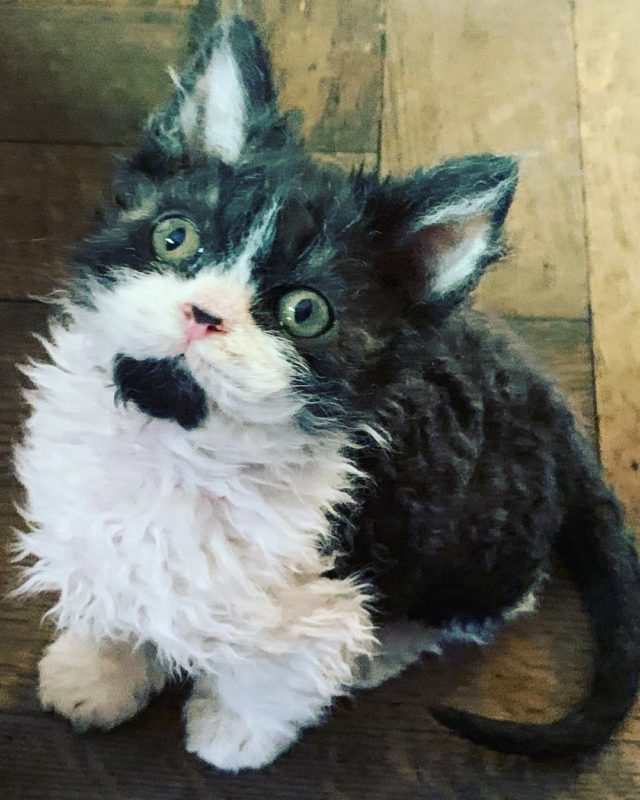
As generations progressed, breeders outcrossed the original Selkirk stock with Persians, British Shorthairs, and American Shorthairs, cementing the cat’s robust bone structure, heavy body type, and plush, teddy-bear-like coat. By 2012, the University of Veterinary Medicine in Vienna officially recognized the genetic distinctiveness of the breed, and major international registries, including The International Cat Association (TICA) and the Cat Fanciers’ Association (CFA), formally accepted the Selkirk Rex into their championship classes.
Supporting Context & Metrics: Comparing the "Poodle Cat" Breeds
While "poodle cat" is often used as a catch-all term for any feline with a curly coat, felinologists emphasize that the four recognized Rex breeds are genetically and physically distinct. None of these breeds feature dwarfism or miniature statures; the nickname refers exclusively to coat architecture rather than bodily dimensions.
Breed Comparison Matrix
| Breed | Geographic Origin | Year Discovered | Genetic Inheritance | Coat Structure | Shedding Profile | Hypoallergenic Status | Primary Temperament |
|---|---|---|---|---|---|---|---|
| Selkirk Rex | Montana, USA | 1987 | Spontaneous Dominant Mutation | Plush, heavy, distinct curls (Long or Short) | Low to Moderate | Non-Hypoallergenic | Affectionate, patient, laid-back |
| LaPerm | Oregon, USA | 1982 | Spontaneous Dominant Mutation | Loose, springy corkscrews | Low | Non-Hypoallergenic | Curious, active, snuggly |
| Devon Rex | Devon, England | 1960 | Spontaneous Recessive Mutation | Short, suede-like waves; fragile whiskers | Low | Non-Hypoallergenic | Mischievous, highly social, energetic |
| Cornish Rex | Cornwall, England | 1950 | Spontaneous Recessive Mutation | Very short, tight "marcel" waves | Low | Non-Hypoallergenic | Athletic, extroverted, agile |
Official Statements and Expert Perspectives
The scientific and breeding communities view the emergence of curly-coated cats as a fascinating window into mammalian genetics. Dr. Leslie Lyons, a prominent feline geneticist and researcher at the University of Missouri, has frequently noted that spontaneous mutations in hair follicle genes—such as those causing keratin malformations in Rex cats—provide critical insights into human and animal dermatology.
According to TICA’s official breed standard, the Selkirk Rex is frequently described as "a cat in sheep’s clothing." TICA’s judges emphasize that the ideal Selkirk Rex should possess a heavy, substantial body frame derived from its British Shorthair and Persian ancestry, combined with a loose, random, tumbling curl that is most pronounced around the neck and tail.

"The Selkirk Rex is fundamentally distinct from other Rex breeds because of its heavy bone structure and abundant, plush coat," notes TICA’s official breed profile. "It is a sturdy, muscular cat with a sweet, tolerant disposition that makes it exceptionally well-suited for family environments."
Similarly, the CFA highlights the social adaptability of these breeds. Despite their exotic appearance, breeders and veterinarians consistently report that curly-coated cats are remarkably people-oriented, often displaying dog-like loyalty, seeking out human lap space, and exhibiting high levels of emotional intelligence.
Husbandry, Health, and the Allergy Myth
Owning a "poodle cat" requires specialized knowledge regarding grooming, healthcare, and human compatibility.
The Grooming Paradox
While a poodle cat’s tousled, fleece-like coat gives it a carefree, low-maintenance aesthetic, the reality of coat upkeep is quite the opposite. Because the curls trap loose undercoat hairs close to the skin, these cats are prone to matting and felting if neglected.
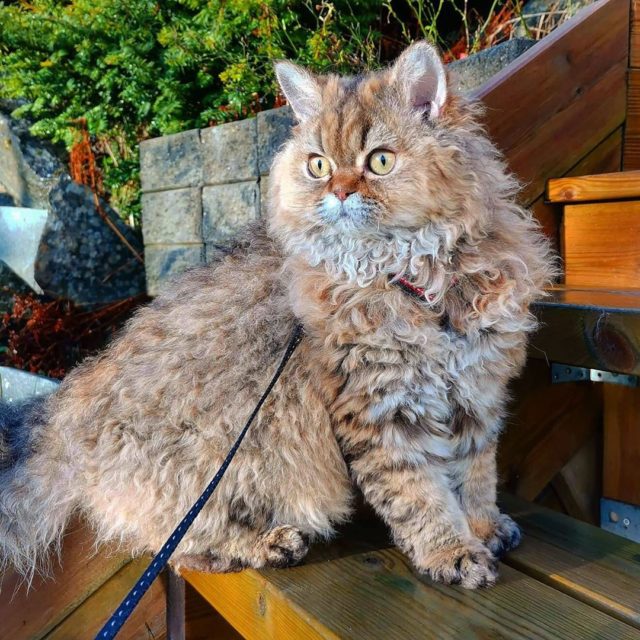
- Selkirk Rex: Requires regular, gentle combing (rather than aggressive brushing, which can straighten and damage the curls). Longhaired varieties need attention several times a week to prevent painful skin mats.
- Devon and Cornish Rex: Require less frequent brushing due to their shorter, sparser coats, but their skin tends to accumulate natural body oils, necessitating periodic gentle baths to prevent greasiness.
The Hypoallergenic Misconception
A prevalent myth in the pet community is that because curly-coated cats shed less visibly on furniture, they must be hypoallergenic. Scientific consensus soundly refutes this claim.
All four Rex breeds produce the primary feline allergen protein, Fel d 1, which is found in cat saliva, dander, and sebaceous secretions. While the unique architecture of a curly coat may temporarily trap loose dander closer to the skin—potentially reducing the immediate airborne dispersal of allergens—these cats are not hypoallergenic. Prospective owners with mild to severe cat allergies are strongly advised to spend extended time in controlled environments with the breed prior to adoption to test their personal sensitivity thresholds.
Future Outlook: Preservation and Ethical Breeding
As the global popularity of the "poodle cat" continues to expand through viral social media exposure, breeders and feline welfare organizations face both opportunities and challenges.
On one hand, the distinct aesthetic of the Selkirk Rex and its counterparts ensures steady demand among cat enthusiasts seeking unique companions. On the other hand, responsible breeding practices are paramount. Because the Selkirk Rex gene pool was initially small, careful outcrossing with authorized breeds (such as British Shorthairs and Persians) is necessary to maintain genetic diversity and prevent inherited conditions such as polycystic kidney disease (PKD), which is historically prevalent in Persian-derived lines. Reputable breeders routinely utilize DNA screening to ensure healthy lineages.
Looking ahead, the future of the poodle cat is secure. Supported by dedicated breed clubs, veterinary researchers, and passionate owners worldwide, these curly-furred felines have transitioned from random shelter anomalies to cherished pillars of modern felinology. Whether admired through the glowing screen of a smartphone or cuddled on a living room sofa, the "poodle cat" remains a testament to the endless, whimsical creativity of nature.