For centuries, human-feline coexistence has been defined by a fundamental misunderstanding: the quiet, enigmatic cat sitting silently in the sun. While pop culture often portrays domestic felines as stoic, aloof, and taciturn, anyone sharing a home with certain high-intelligence breeds knows a vastly different reality. The modern household is rarely a sanctuary of quiet reflection; rather, it often functions as a bustling town hall meeting where the feline residents serve as impassioned, highly articulate, and utterly unyielding debaters.
Certain cat breeds possess an innate combination of high intelligence, deep social engagement, and unwavering confidence. These traits manifest not in quiet compliance, but in an active, vocal, and sometimes relentless insistence on having the final say. From the operatic wails of the classic Siamese to the gentle, melodic chirps of the towering Maine Coon, feline vocalization is a sophisticated tool of negotiation.
This investigative report explores the scientific, behavioral, and sociological aspects of talkative cat breeds. By examining the specific genetic and psychological profiles of eleven distinct breeds, we uncover why certain cats treat every household decision—from meal times to closed doors—as a policy debate that remains perpetually open for review. Far from being mere background noise, these vocalizations represent a complex, learned dialogue between human and animal, establishing a unique cross-species dynamic where the gavel never truly comes down.
Detailed Chronology: The Evolution of Feline-Human Vocalization
To understand why modern cats are so eager to engage in verbal sparring, we must examine the timeline of feline domestication and the evolutionary pressures that transformed the solitary wildcat (Felis lybica) into the loquacious domestic companion (Felis catus) we live with today.
Pre-Domestication: The Quiet Hunter (Pre-10,000 BCE)
In their ancestral wild state, proto-cats relied on stealth, camouflage, and silent patience. Vocalizations among adult wildcats were strictly limited and highly contextual—used primarily during mating seasons, mother-kitten communication, or territorial defense. Unnecessary noise compromised hunting success and signaled vulnerability to larger predators. The wildcat’s acoustic profile was sparse, utilitarian, and decidedly reserved.
The Agricultural Revolution and Co-Adaptation (10,000 BCE – 19th Century CE)
As human societies transitioned to agriculture, rodents drawn to grain stores attracted wildcats to human settlements. A natural selection process occurred: cats that were more tolerant of human presence and less inclined to flee successfully integrated into human spaces. Over millennia, domestic cats discovered a profound evolutionary shortcut. They realized that human ears are uniquely attuned to vocal frequencies resembling human infant cries. They began developing a specialized vocalization—the solicitation meow—directed almost exclusively at humans, rarely used in cat-to-cat communication.
The Era of Selective Breeding and Specialized Talkers (19th – 21st Century CE)
With the advent of formal cat fancying in the Victorian era and the subsequent development of distinct pedigreed breeds, breeders inadvertently and intentionally amplified these communicative traits. Breeds like the Siamese were imported from ancient temple lines in Southeast Asia, where their striking appearances and vocal tendencies were prized. Through selective breeding for traits like extreme sociability, high intelligence, and slender, active builds, certain bloodlines became hyper-communicative. Today’s talkative breeds are the culmination of centuries of genetic refinement, resulting in animals that treat human companionship as a cooperative, conversational partnership.
Supporting Context & Metrics: The Science of the Feline Voice
The mechanics of cat communication extend far beyond the standard "meow." Ethologists and feline behaviorists categorize cat vocalizations into three primary groups:
Murmurs: Purrs, trills, and chirps, typically associated with positive social interactions, greetings, and requests.
Vowel Sounds: The classic meow, which can range from a soft plea to a piercing demand. Cats can modulate vowels to convey urgency, frustration, or anticipation.
High-Energy Sounds: Growls, yowls, and screeches associated with defensive or aggressive states, though in talkative breeds, high-energy sounds are frequently co-opted for dramatic effect during routine requests (e.g., demanding breakfast).
Behavioral studies indicate that vocalization in domestic cats is heavily influenced by operant conditioning. When a cat issues a chirp or a meow and its human responds by opening a door, dispensing food, or offering affection, the behavior is instantly reinforced. Highly intelligent breeds quickly map this cause-and-effect relationship. If an initial comment is ignored, the cat does not surrender; instead, it escalates the auditory profile, timing subsequent interjections for maximum emotional impact.
Breed Profiles: The Master Debaters of the Feline World
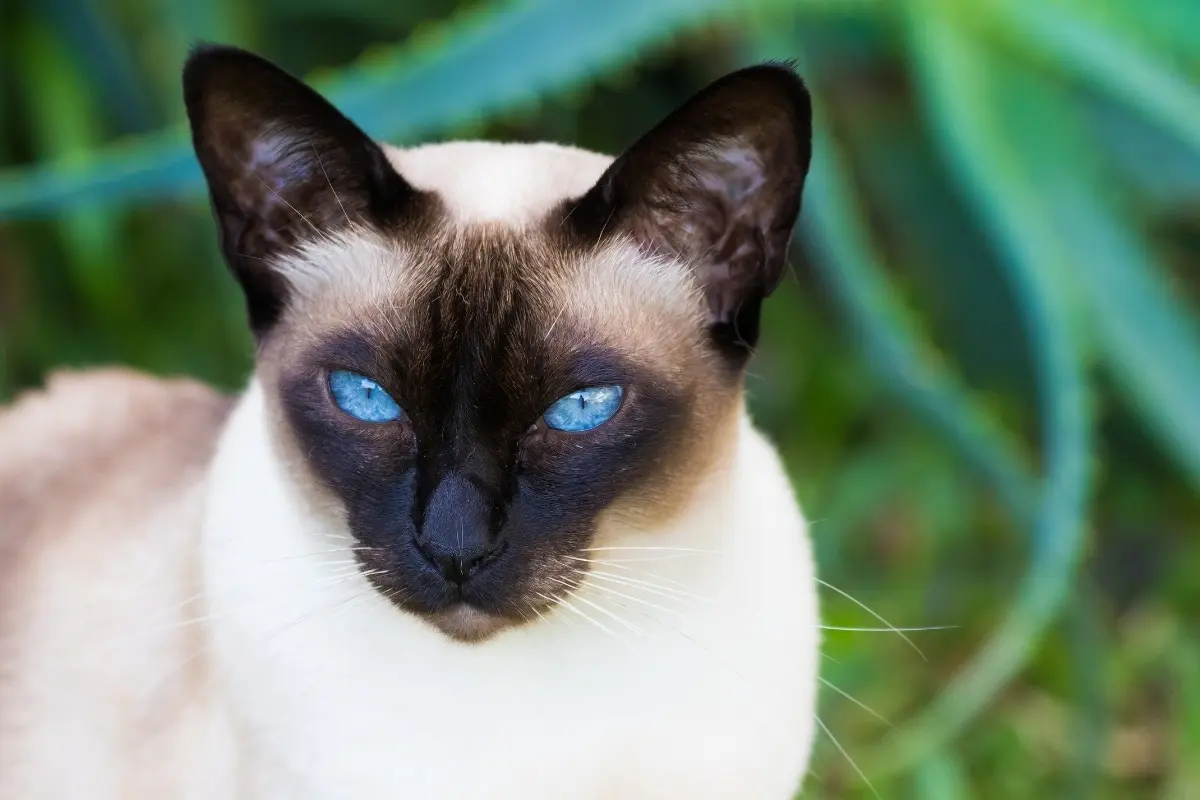
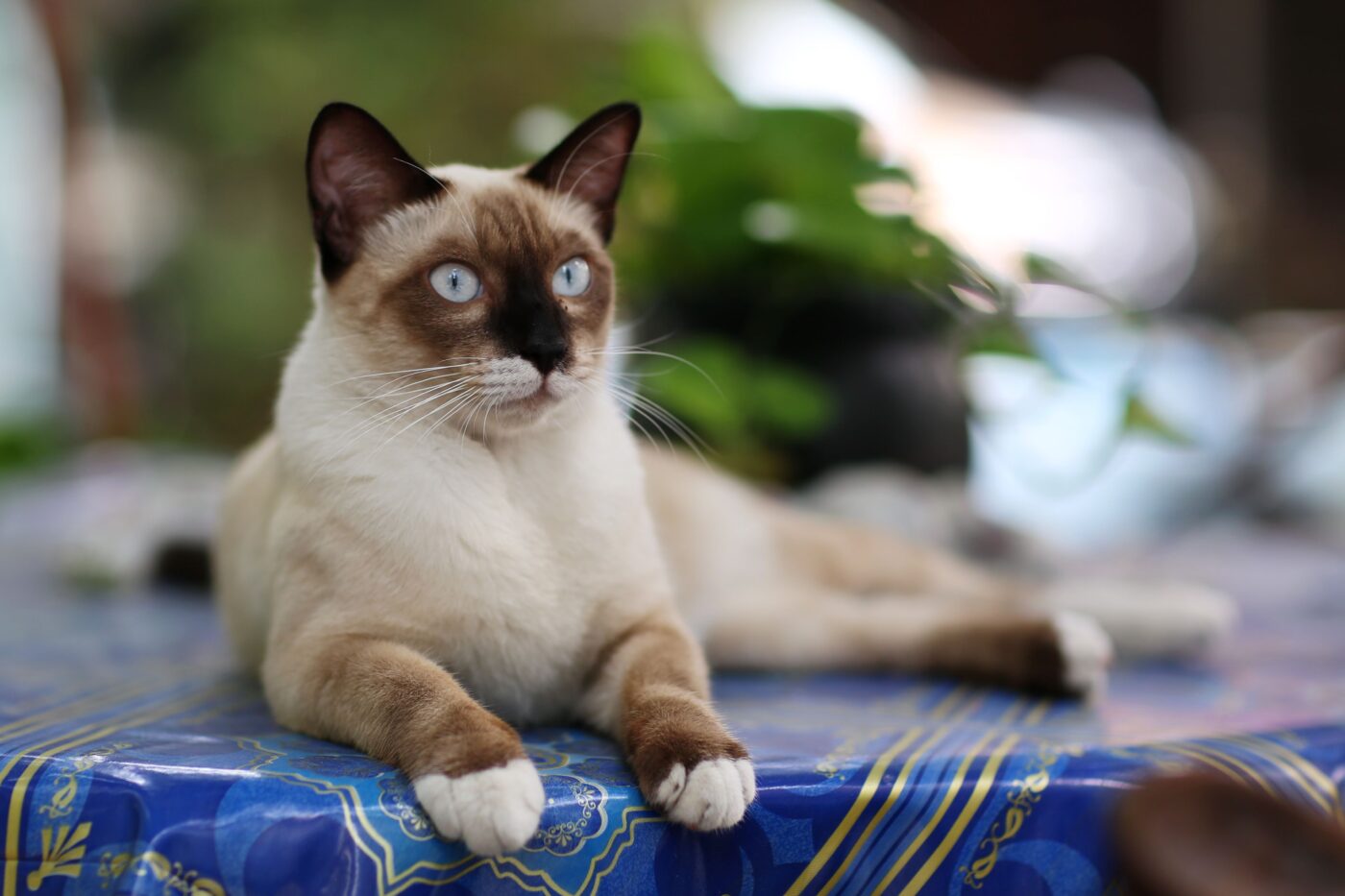
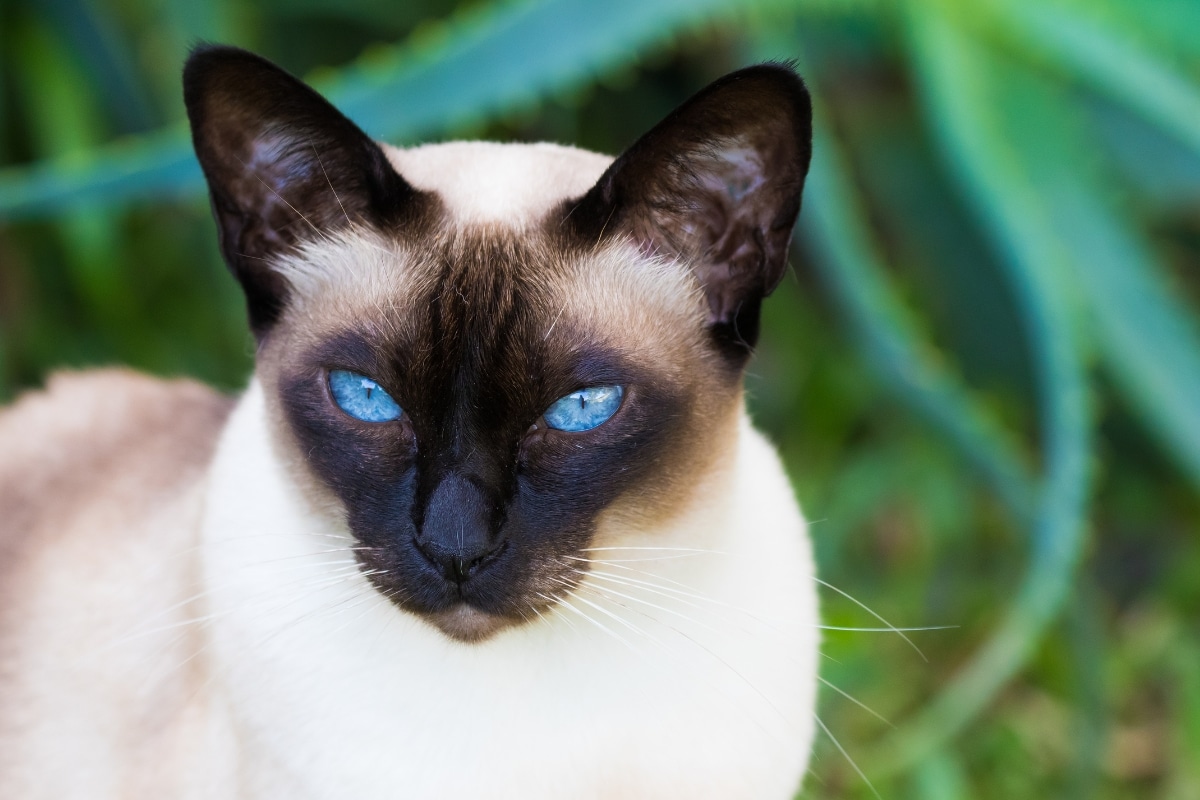
1. Siamese: The Legendary Orator
The Siamese has earned an undisputed, legendary reputation for vocal communication. Members of this breed are rarely content to let a moment pass without commentary. Their voices are distinctive—often described as loud, raspy, or strikingly insistent—and they deploy them with surgical precision whenever they desire food, play, or simply acknowledgment of their existence. Because Siamese cats possess exceptional intelligence and deep social bonds, their vocalizations serve as an interactive bridge to their human companions. Ignore a Siamese, and you invite an escalating series of conversational counter-arguments that firmly establish the debate as ongoing.
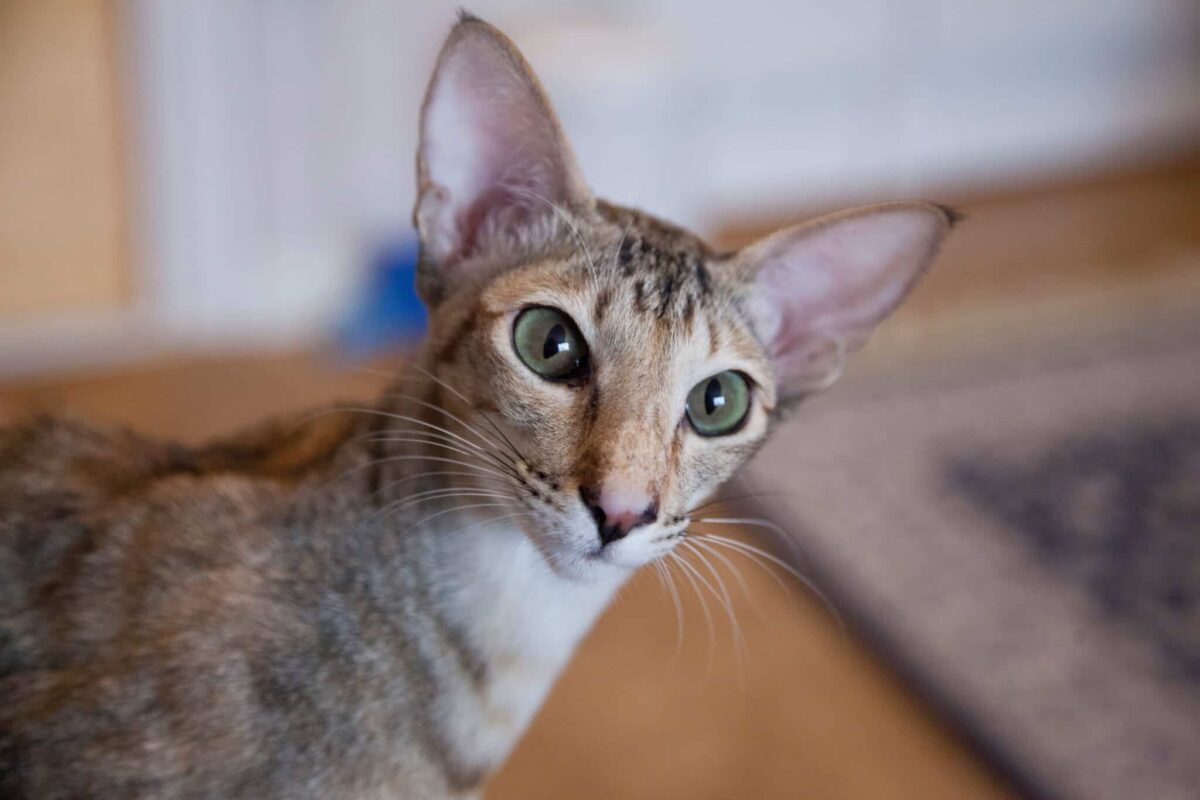
2. Oriental Shorthair: The Enthusisastic Contributor
Closely related to the Siamese, the Oriental Shorthair shares its cousin’s sharp intellect, sociability, and passion for dialogue. These cats thrive on engagement and maintain an active presence in every room they occupy. Their vocal repertoire is remarkably expansive, accompanying requests for companionship or comments on household happenings. Being excluded from an activity is rarely tolerated quietly; an Oriental Shorthair will articulate its displeasure until it is fully reintegrated into the household fold.
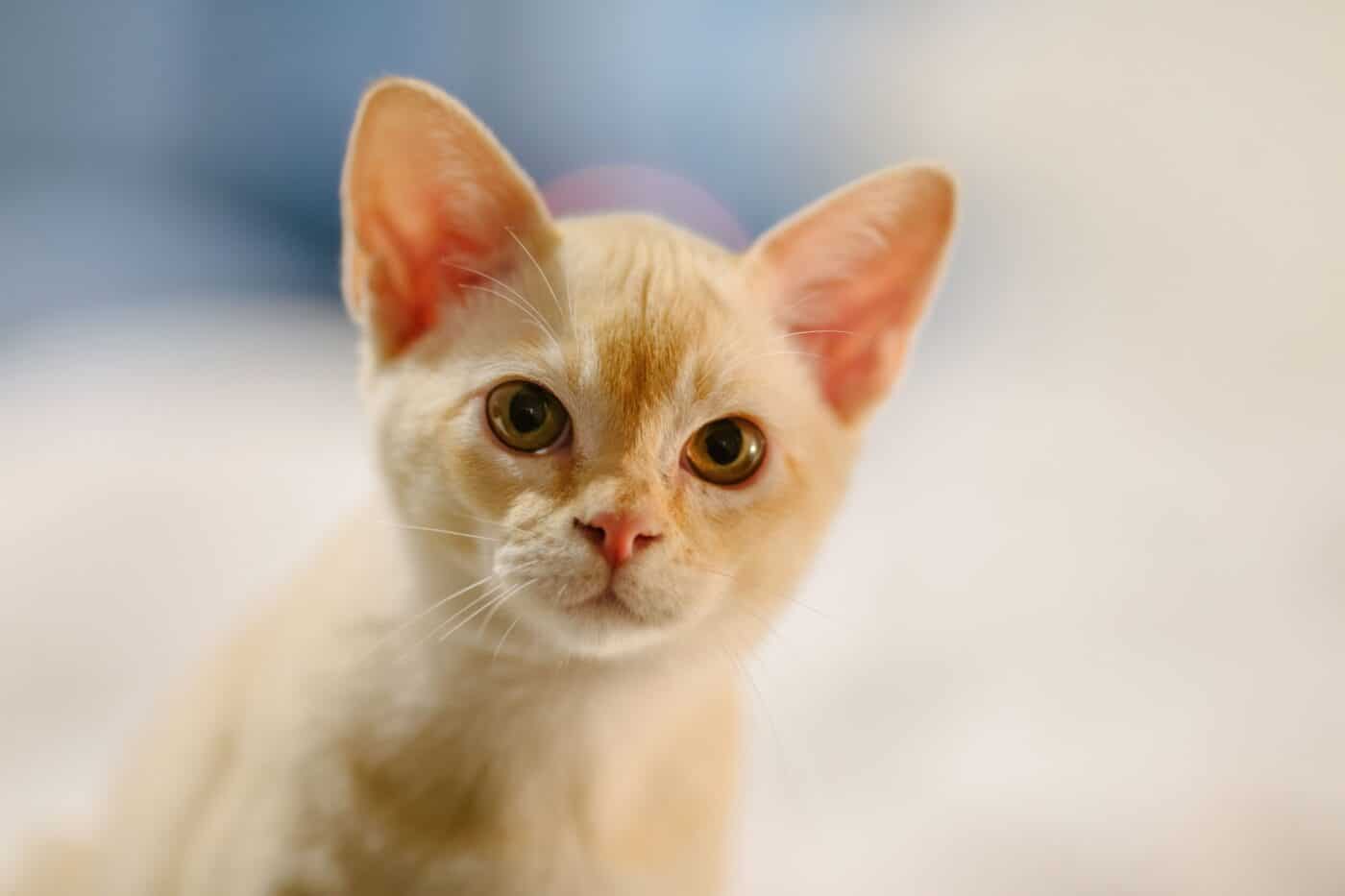
3. Burmese: The Persistent Diplomat
While Burmese cats often employ softer, sweeter vocal tones than their Siamese relatives, they make up for volume with sheer, unwavering persistence. Highly people-oriented, Burmese cats prefer active participation over quiet observation. They follow their humans from room to room, initiating contact and responding enthusiastically when spoken to. Their keen awareness of household schedules means they quickly notice if dinner is late, delivering a perfectly timed, polite little sound that makes it impossible to ignore their demands.
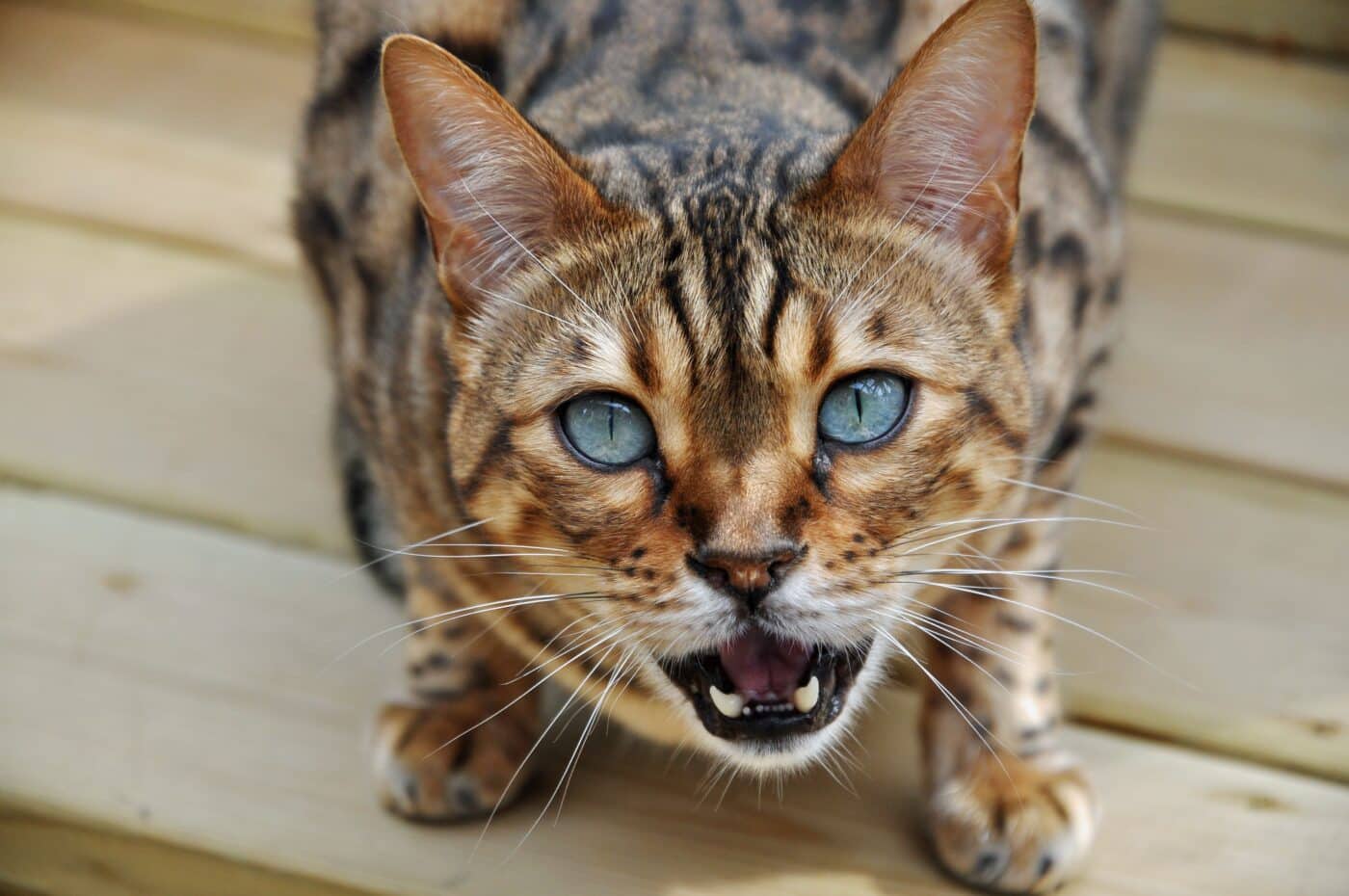
4. Bengal: The Confident Challenger
Combining wild aesthetics with domestic charm, the Bengal brings boundless energy, high curiosity, and supreme confidence to its interactions. Bengals are fully capable of producing chirps, trills, and resonant meows during exploration or play. Their active minds require substantial mental and physical stimulation; without it, their communication turns toward demanding attention and access. A Bengal with an opinion utilizes multiple persuasive strategies, ensuring its preferences are unmistakably clear.
5. Tonkinese: The Social Conversationalist
A harmonious blend of Siamese and Burmese ancestry, the Tonkinese approaches social life with boundless enthusiasm. These cats excel at maintaining an active connection with their humans throughout the day. Using melodic vocalizations to greet family members or request play, Tonkinese cats make exceptionally charming conversational partners. Their eagerness to participate ensures that answering a Tonkinese often triggers a volley of back-and-forth remarks that can last indefinitely.
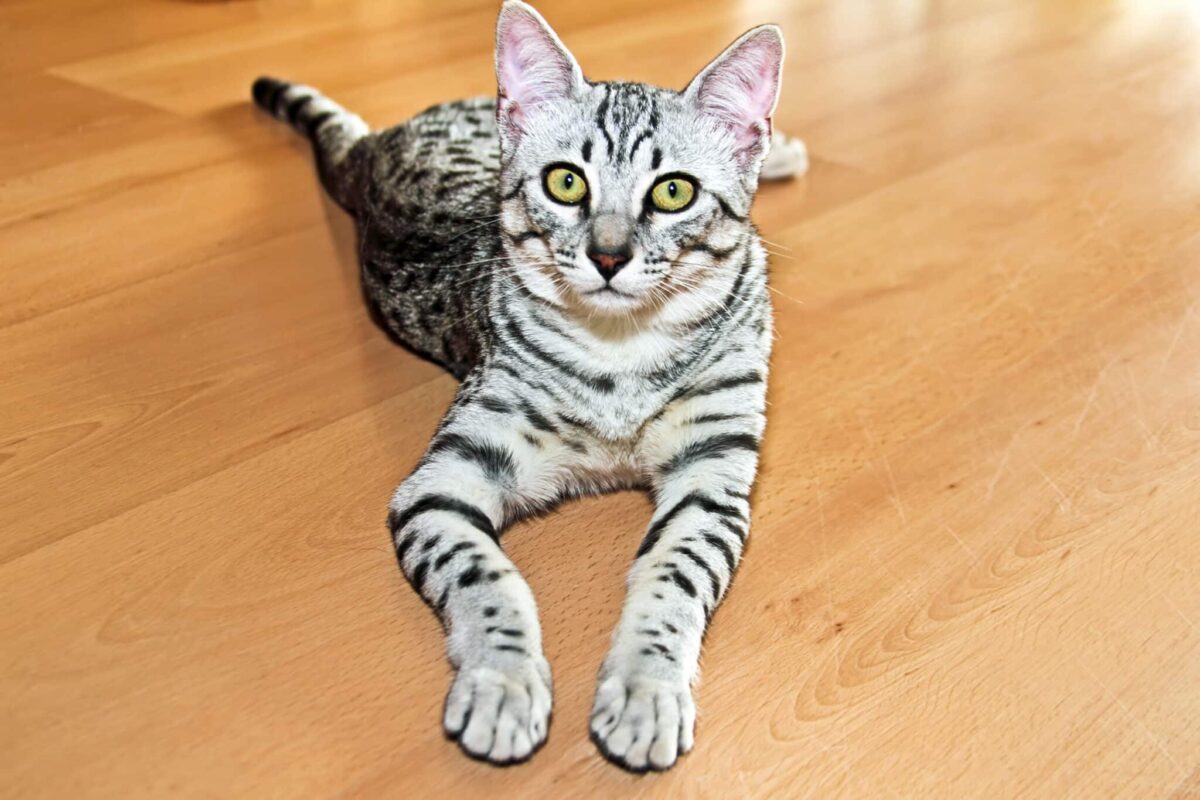
6. Egyptian Mau: The Athletic Commentator
Athletic, observant, and fiercely loyal, the Egyptian Mau expresses its desires through a rich vocabulary of chirps, trills, and expressive body language. When expectations regarding daily routines or play sessions are unmet, the Mau makes its feelings known with impressive enthusiasm. Their lively voices and focused expressions transform simple requests into urgent matters requiring immediate family attention.
7. Japanese Bobtail: The Outgoing Extrovert
Known for their active, outgoing personalities, Japanese Bobtails possess a surprisingly broad vocal repertoire. Rather than relying solely on standard meows, they utilize chirps and trills that lend their interactions a distinctly conversational quality. Their desire to be close to household activity ensures they take full advantage of opportunities for back-and-forth engagement, transforming a quiet room into a lively social hub.
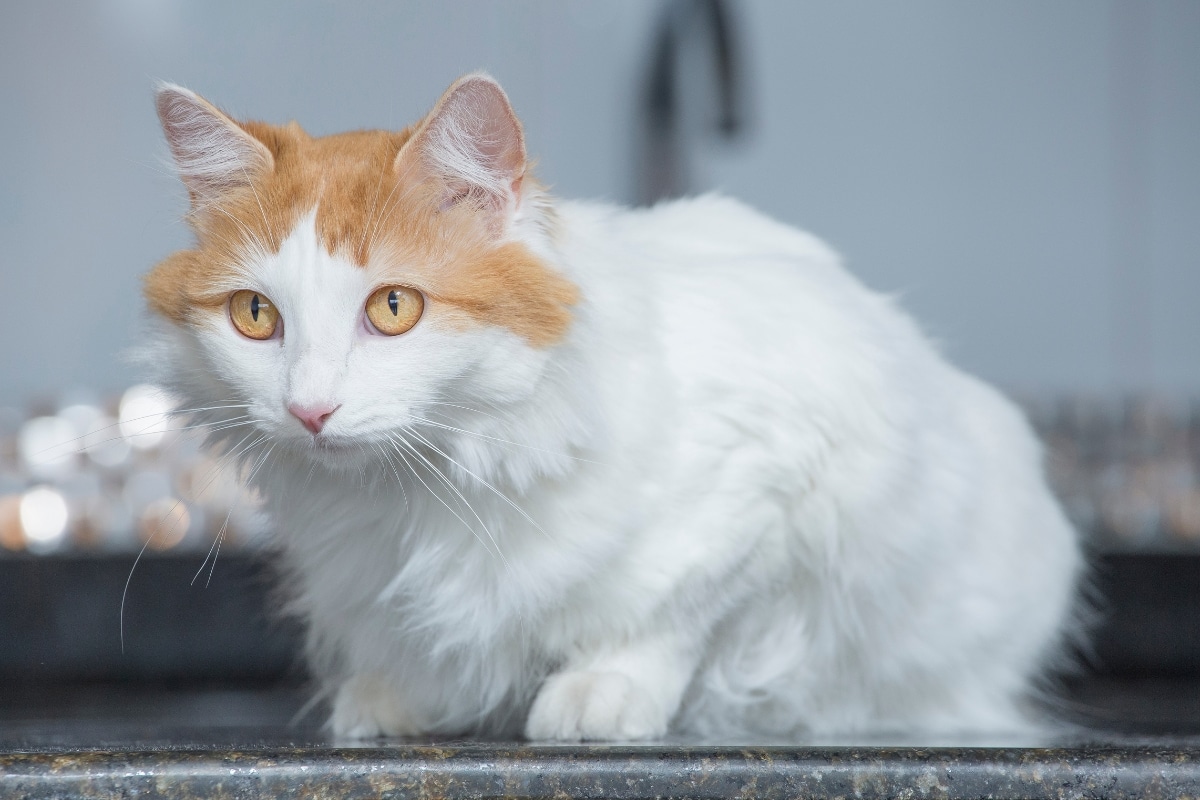
8. Turkish Van: The Assertive Independent
Independence and striking physical confidence define the Turkish Van’s approach to communication. While not every Turkish Van is constantly vocal, their strong preferences regarding handling, play, and personal space are made abundantly clear. Some communicate through sound, while others utilize decisive body language. When a Turkish Van objects to a household decision, subtlety is notably absent from their response strategy.
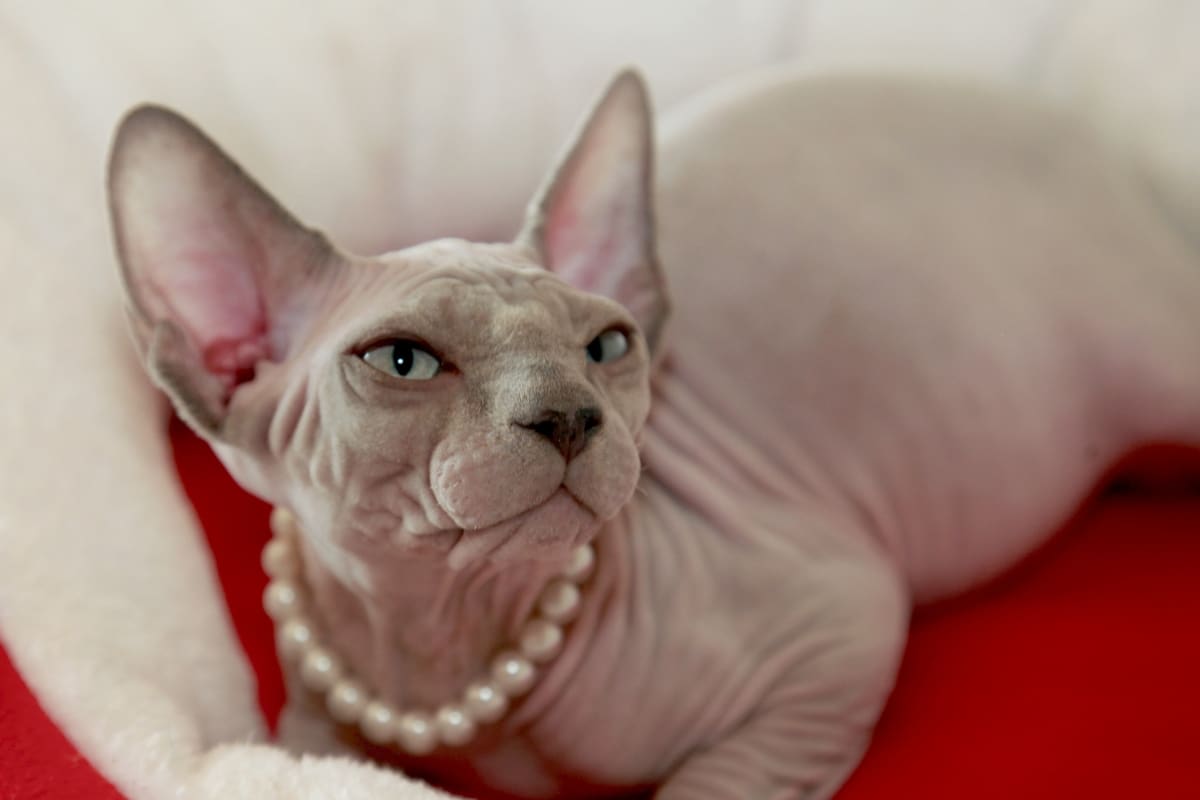
9. Sphynx: The Dramatic Extrovert
Striking in appearance and fiercely social, Sphynx cats actively seek out human interaction and physical warmth. Vocal communication is a primary tool for maintaining this connection. Their expressive faces and enthusiastic vocalizations make every request feel theatrical and urgent, ensuring their humans are never left guessing about their immediate needs.
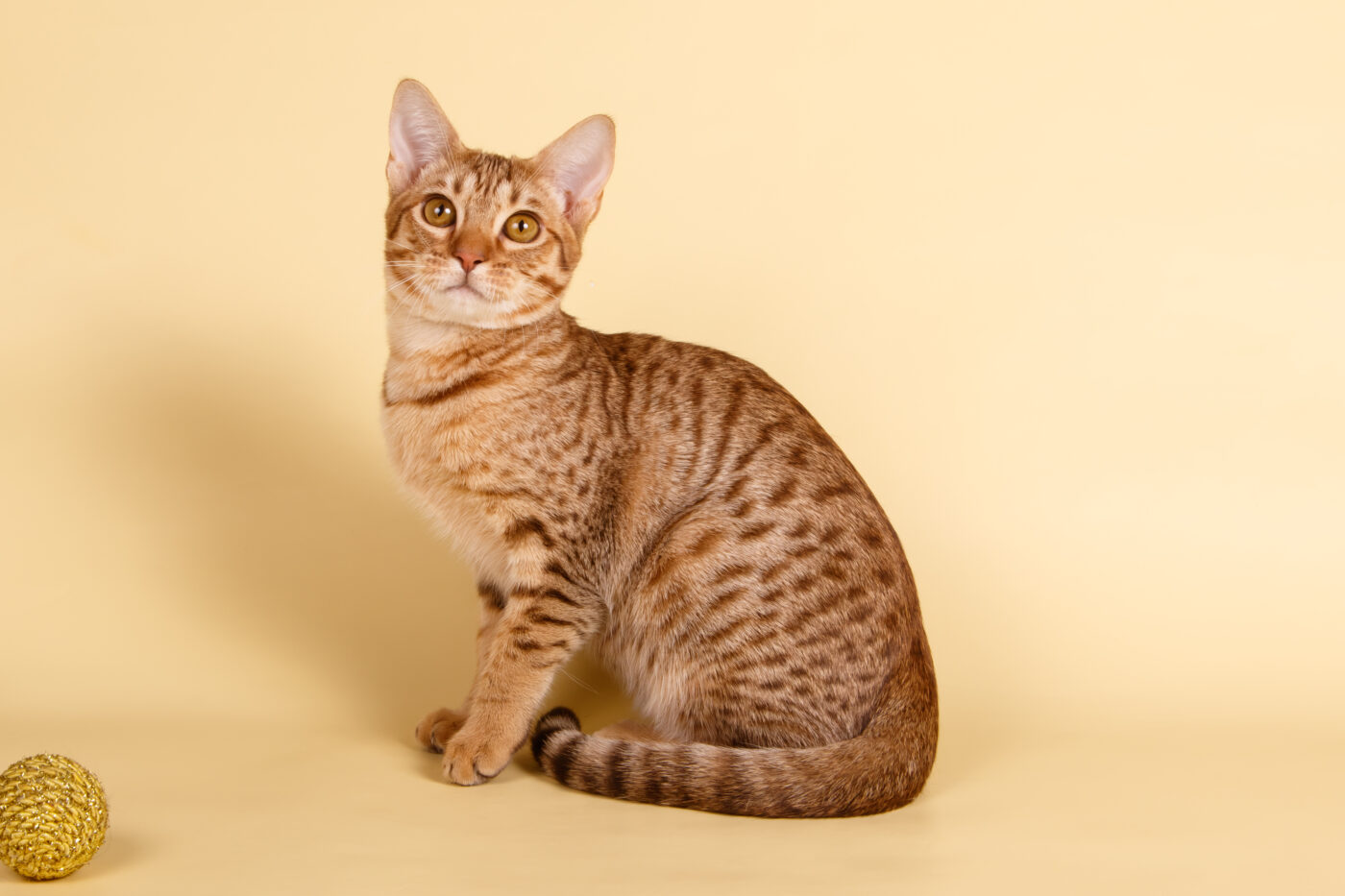
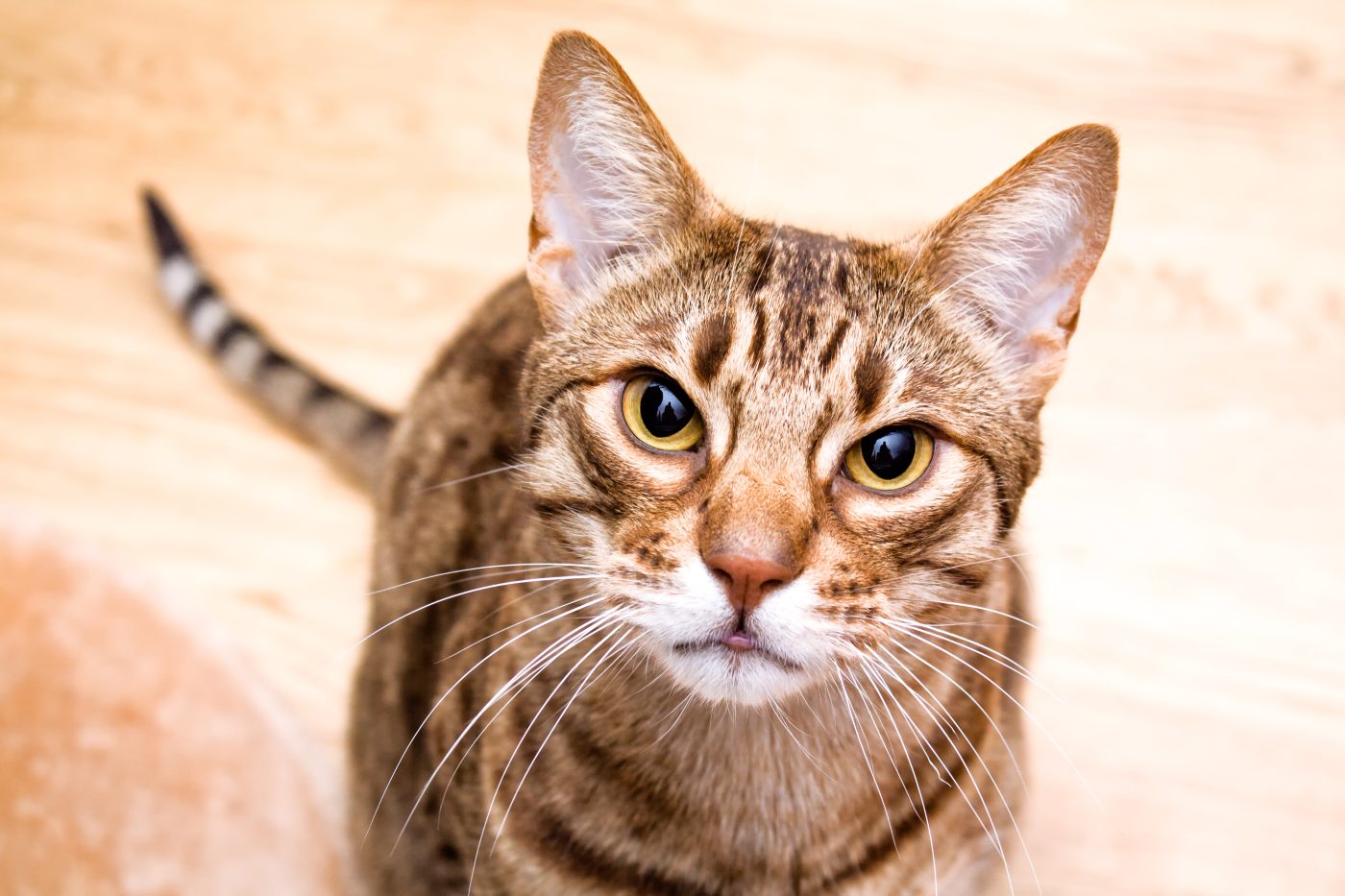
10. Ocicat: The Clever Strategist
Despite their wild spotted coats, Ocicats are entirely domestic, highly social, and remarkably intelligent. They participate enthusiastically in household routines, using vocalizations, close proximity, and expressive body language to secure engagement. An Ocicat that wants something will experiment with different communicative strategies until one succeeds, cementing that method for future use.
11. Maine Coon: The Gentle Giant
Rounding out our list is the majestic Maine Coon. Despite their impressive physical size, many Maine Coons communicate with surprisingly gentle chirps, trills, and soft trilling sounds. Highly intelligent and social, they remain deeply involved in family life, offering polite, carefully timed commentary that sounds remarkably like a polite request to reopen negotiations on the spot.
Official Statements & Behavioral Insights
Leading feline behaviorists and veterinary organizations emphasize that vocalization is a vital window into cat health and emotional well-being.
"When a cat vocalizes persistently, they are not ‘complaining’ in the human sense; they are attempting to bridge an inter-species communication gap," notes Dr. Elena Vance, a prominent feline ethologist. "Breeds bred for high sociability have essentially learned that human speech invites a reciprocal response. They are conversational partners adapting to our linguistic environment."
Furthermore, veterinary authorities stress the importance of distinguishing between normal breed-specific talkativeness and sudden changes in vocal habits. While Siamese or Bengal chatter is a normal expression of personality, unexpected increases in vocalization can indicate underlying medical issues such as hyperthyroidism, cognitive dysfunction, or pain. Responsible pet ownership requires tuning in to these vocal nuances to ensure both emotional satisfaction and physical health.
Future Outlook: The Endless Dialogue
As human-animal bonds continue to deepen in modern households, our appreciation for feline intelligence and communication will only grow. The myth of the silent, indifferent cat has been thoroughly dismantled by the lively, opinionated breeds explored in this report.
Looking forward, technology and behavioral science will likely continue to decode the subtleties of cat chatter, offering deeper insights into what our pets are trying to tell us. Yet, regardless of new scientific breakthroughs, one fundamental truth of domestic life remains unshakeable: when living with an expressive, high-intelligence cat, the debate is never officially over. The next time you make a household decision—whether it’s closing a bedroom door, shifting your position on the couch, or serving dinner two minutes behind schedule—expect a prompt, highly articulate rebuttal. The gavel may rest, but the conversation has only just begun.