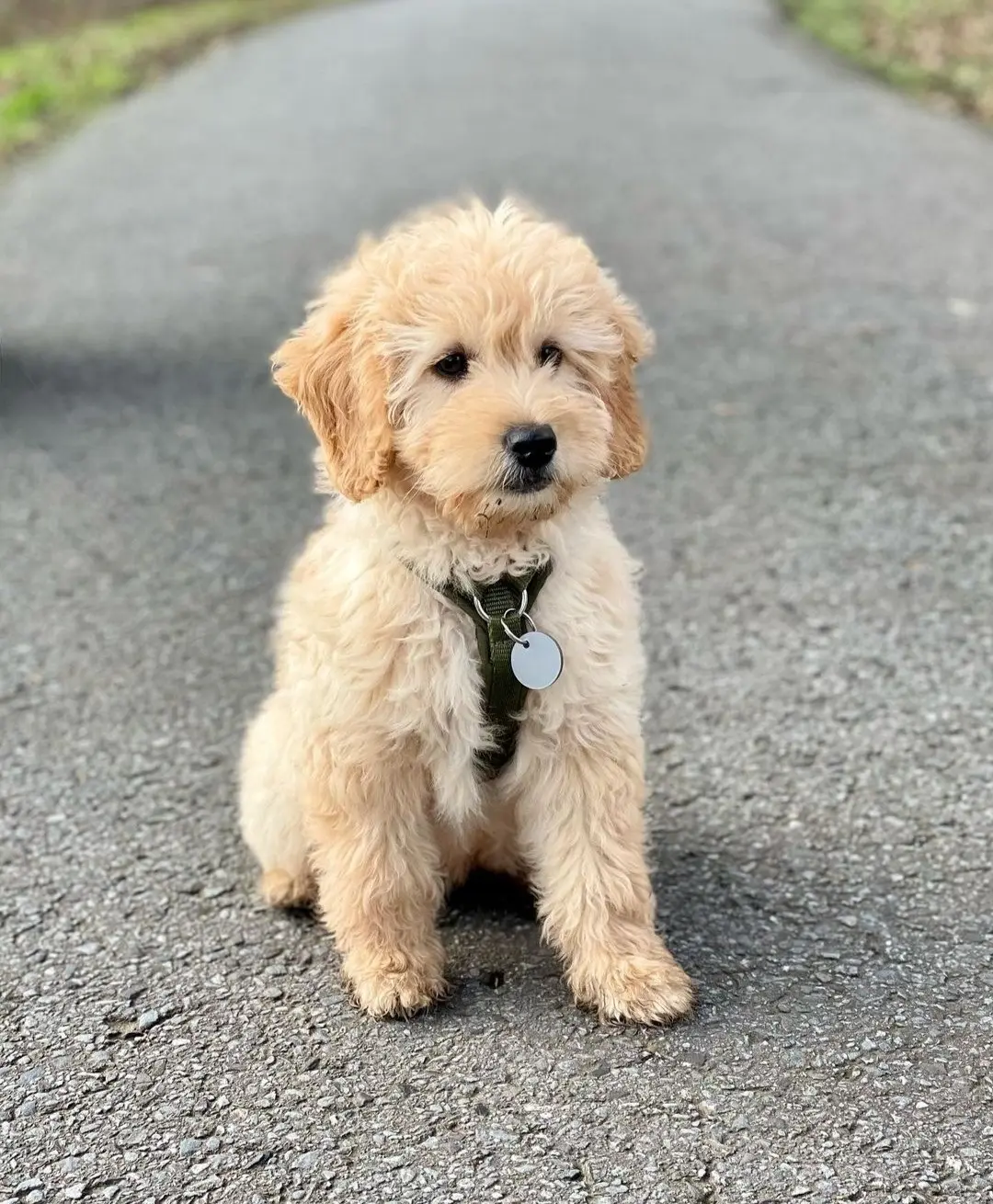

Executive Overview
For prospective dog owners navigating the popular designer-dog market, abbreviations like "F1," "F1B," and "multigen" can feel like an impenetrable cipher. The Goldendoodle—a deliberate crossbreed between the affable Golden Retriever and the highly intelligent Standard, Miniature, or Toy Poodle—has secured its place as a cornerstone of modern companion-animal ownership. Renowned for their affectionate demeanor, high trainability, and perceived suitability for allergy sufferers, Goldendoodles have transcended simple trend status to become a fixture in households worldwide.
However, beneath their fluffy exteriors and friendly dispositions lies a complex genetic landscape. Contrary to popular belief, not all Goldendoodles are genetically identical, nor do they share the same shedding profiles, coat types, or health vulnerabilities. Understanding the foundational distinctions between breeding generations—specifically F1, F1B, F2, F1BB, and Multigenerational (multigen) lines—is essential for consumers seeking to align a pet’s physiological traits with their lifestyle, living arrangements, and health sensitivities. This comprehensive report investigates the genetic mechanics, phenotypic outcomes, and care requirements associated with each specific Goldendoodle generation.
Detailed Chronology: The Generations of Goldendoodle Breeding
The nomenclature used by ethical breeders to designate Goldendoodle lineages is rooted in foundational genetics. The letter “F” stands for "filial," denoting a hybrid generation, followed by a number indicating the sequence of crossbreeding. The inclusion of a “B” signifies a "backcross," indicating that a hybrid has been bred back to one of its foundational purebred parent stocks.
1. F1 Goldendoodle (First Generation)
The F1 Goldendoodle represents the genesis of the crossbreed: a direct 50-50 genetic split between a purebred Golden Retriever and a purebred Poodle.
- Genetic Makeup: 50% Golden Retriever, 50% Poodle.
- Characteristics and Temperament: F1 crosses are widely celebrated as exceptional family pets due to their balanced temperament, friendliness, and sharp intellect. However, because of their profound attachment to human companions, they are occasionally prone to separation anxiety.
- Shedding and Coat Dynamics: While F1 dogs typically shed significantly less than a purebred Golden Retriever, their coats can vary widely. They often present with wavy or curly coats that require regular maintenance to prevent painful matting. Crucially, an F1 generation does not guarantee a hypoallergenic coat; shedding profiles depend heavily on whether the puppy inherits more of the Poodle’s hair traits or the Retriever’s double coat.
- Health and Hybrid Vigor: As the initial cross between two distinct gene pools, F1 Goldendoodles often exhibit maximum "heterosis" or hybrid vigor, which minimizes the expression of certain recessive genetic defects common to inbred lines. Nevertheless, they can still inherit predispositions to conditions native to both parent breeds.
- Size and Lifespan: Full-grown standard F1s typically range from 50 to 90 pounds, while miniature variants weigh between 15 and 35 pounds. With proper care, their lifespan extends up to 15 years.
2. F1B Goldendoodle (First Generation Backcross)
To produce a more predictable coat and a higher probability of hypoallergenic traits, breeders introduced the backcross generation, designated as the F1B.
- Genetic Makeup: Typically 75% Poodle and 25% Golden Retriever (created by breeding an F1 Goldendoodle back to a purebred Poodle). Alternatively, a "reverse" F1B features 75% Golden Retriever and 25% Poodle genetics, though this is less common due to higher shedding rates.
- Coat and Allergy Management: The elevated percentage of Poodle genetics makes F1B Goldendoodles significantly more hypoallergenic and low-shedding than their F1 counterparts. This makes them the primary choice for individuals with moderate-to-severe pet allergies.
- Temperament and Behavior: Retaining the loyalty and high intelligence of the lineage, F1B puppies possess high energy levels. Without adequate mental and physical stimulation, they may redirect their energy into destructive chewing habits, necessitating robust play schedules and specialized chew toys.
- Grooming Requirements: F1B coats are predominantly curly and require professional grooming every 8 to 12 weeks, alongside frequent home brushing to manage coat lightening and structural matting.
3. F1BB Goldendoodle (Double Backcross)
For households with acute allergy sensitivities demanding minimal environmental dander, breeders developed the F1BB generation.

- Genetic Makeup: 87.5% Poodle and 12.5% Golden Retriever, achieved by crossing an F1B Goldendoodle with a purebred Poodle.
- Phenotypic Traits: F1BB dogs lean heavily toward Poodle aesthetics and behavioral traits. They generally weigh between 14 and 20 kilograms (approx. 30 to 44 pounds) and demonstrate high adaptability to varied living spaces, ranging from compact urban apartments to sprawling suburban homes.
- Allergenic Suitability: Due to their exceptionally high Poodle quotient, their dense, curly coats effectively trap loose hairs and dander, minimizing dispersion throughout the living environment.
4. F2 Goldendoodle (Second Generation)
The F2 generation marks a departure from direct purebred crosses, involving the mating of two F1 Goldendoodles.
- Genetic Makeup: Roughly 50% Poodle and 50% Golden Retriever, though individual genetic inheritance within the litter is far less uniform than in F1 crosses.
- Coat and Aesthetic Variance: Because F2 dogs draw from a more recombined gene pool, their coats display vast diversity, ranging from straight retriever-like coats to wavy and tightly curled variations. Colors span widely from deep reds to creams.
- Temperament: F2s are intensely affectionate and social. However, their broader genetic dispersion means their physical and behavioral traits are less predictable, requiring structured socialization and early obedience training to manage independent streaks.
5. F3 and Multigenerational (Multigen) Goldendoodles
Advancing past the second generation involves breeding F2 to F2 dogs (producing an F3) or breeding any Goldendoodle generation back into established multigen lines.
- Predictability: Multigen lines allow professional breeders to "set" specific traits—such as miniature sizing, non-shedding coats, and stable temperaments—over successive generations. However, producing these lines requires meticulous pedigree tracking to prevent genetic bottlenecks.
- Care and Maintenance: Multigen coats require disciplined upkeep. While bathing is necessary every 4 to 6 weeks, excessive washing strips the skin and hair of natural protective oils, requiring balanced veterinary-approved grooming protocols.
Supporting Context & Metrics: Size, Care, and Health Profiles
Evaluating a Goldendoodle’s suitability for a household requires analyzing standardized metric benchmarks spanning weight classes, exercise thresholds, and common veterinary concerns.
Standardized Size Classifications
- Standard Goldendoodle: Typically stands over 21 inches at the shoulder and weighs between 50 and 90 pounds. Suited for active homes with secure yards.
- Medium Goldendoodle: Stands 17 to 20 inches tall and weighs between 30 and 50 pounds.
- Miniature Goldendoodle: Stands under 17 inches tall and weighs between 15 and 35 pounds (with F1B minis often clustering at 15 to 25 pounds). Ideal for apartment living.
Exercise and Mental Stimulation Metrics
Goldendoodles are high-energy working crosses derived from hunting and retrieving lineages.
- Physical Requirement: A minimum of 30 to 60 minutes of moderate-to-vigorous daily exercise (such as brisk walking, fetch, or swimming) is required to prevent destructive behaviors, anxiety, and restlessness.
- Cognitive Requirement: Because of their Poodle and Retriever intelligence, interactive puzzle toys, obedience training, and scent games are critical for preventing canine cognitive stagnation.
Health Vulnerabilities and Longevity
While hybrid vigor reduces the incidence of certain purebred-specific disorders, Goldendoodles remain susceptible to several inherited health conditions shared by their parent breeds:
- Musculoskeletal Issues: Hip and elbow dysplasia remain prominent concerns, particularly in standard-sized dogs.
- Ophthalmological Conditions: Progressive Retinal Atrophy (PRA) can lead to gradual vision loss.
- Dermatological and Otic Issues: Due to floppy ears that trap moisture, ear infections (otitis externa) and skin allergies are frequently diagnosed in clinical settings.
- Lifespan: Average longevity spans 10 to 15 years, heavily influenced by preventative veterinary care, genetic screening of parent stock, and high-quality nutrition rich in animal proteins (beef, lamb, turkey, and chicken).
Official Statements and Expert Guidance
Veterinary geneticists and canine behaviorists emphasize that consumer awareness is the single most effective tool against unethical breeding practices.

According to leading animal welfare organizations, prospective owners should not rely solely on generation labels (such as "F1B" or "Multigen") as a guarantee of health or temperament. Industry experts stress that responsible breeding requires comprehensive DNA panel testing of parent dogs for common genetic markers, including Von Willebrand’s disease, familial nephropathy, and orthopedic certifications from bodies such as the Orthopedic Foundation for Animals (OFA).
Furthermore, canine allergy specialists clarify the nuances of the term "hypoallergenic":
"No dog breed is truly 100% hypoallergenic. While Poodle-heavy crosses like F1Bs and multigens reduce airborne dander and trap loose hair within tight curls, allergy sufferers react to proteins found in canine saliva, urine, and dander. Buyers with severe allergies should always spend time interacting with a specific puppy before committing to adoption."
Future Outlook
The trajectory of Goldendoodle breeding points toward increased standardization and formal recognition. As demand for predictable, allergy-friendly family companions persists, kennel clubs and independent breed associations are working to establish formal breed standards for multigenerational lines, moving away from simple "designer mix" classifications toward established, predictable pure-hybrid breeds.
For consumers, this evolution underscores the importance of sourcing pets from transparent, health-focused breeders who prioritize structural soundness, genetic diversity, and behavioral stability over aesthetic novelty. By understanding the biological mechanics of F1, F1B, F2, and multigenerational crosses, owners are better equipped to foster long, healthy partnerships with their canine companions.