
Executive Overview
In the bustling urban centers and quiet rural provinces of the Philippines, a resilient, highly intelligent, and deeply misunderstood canine roams the streets. Known locally as the Askal—a portmanteau of the Tagalog words “asong kalye,” literally translating to "street dog"—this indigenous mixed-breed canine has long been an omnipresent fixture of Filipino daily life. In recent years, cultural advocates and animal welfare organizations have successfully popularized the alternative term Aspin (asong Pinoy or Filipino dog) to instill a sense of national pride and elevate the status of these remarkable animals from ordinary strays to cherished national companions.
Unlike purebred dogs engineered through decades of selective breeding for specific aesthetic standards or working purposes, the Askal is a product of natural selection. This evolutionary background has endowed the breed with exceptional genetic diversity, robust health, sharp cognitive abilities, and an innate adaptability. Far from being simple scavengers, Askals are affectionate family pets, reliable guard dogs, and surprisingly trainable companions.
As international interest in indigenous landrace breeds grows, the Askal is steadily transcending its geographical origins. Today, these dogs are capturing the attention of animal lovers worldwide, including prospective owners in the United States and Europe who value health, intelligence, and low-maintenance companionship over pedigree papers. This comprehensive report explores the origins, physical characteristics, temperament, training capabilities, health profile, and international status of the Askal, shedding light on why this magnificent street survivor is rapidly becoming a global symbol of canine resilience.
Detailed Chronology: From Street Survivors to Cultural Icons
To truly understand the Askal, one must trace its history alongside the socio-cultural development of the Philippine archipelago.
Pre-Colonial Roots and Natural Evolution
Long before Spanish colonizers introduced European breeds to the islands, native canines inhabited the Philippine archipelago. These early dogs coexisted with indigenous communities, serving as hunting assistants, village guardians, and companions. Over centuries, these native dogs intermingled freely with various foreign breeds brought by traders, colonizers, and mariners.
Because these matings occurred naturally without human intervention, the gene pool remained vast and unrestricted. Unlike purebred dogs—which are often subject to linebreeding and inbreeding to fix specific physical traits—the Askal evolved through the crucible of natural selection. Only the most intelligent, resilient, and adaptable canines survived the harsh realities of street life, shaping a distinct landrace defined by survival and vitality rather than human-imposed cosmetic standards.
The Linguistic Shift: From "Askal" to "Aspin"
For generations, the term Askal carried a lingering social stigma. In urban and rural Filipino culture, street dogs were frequently marginalized, viewed merely as pests, or associated with poverty and neglect.
A pivotal cultural shift occurred in the early 21st century. Animal welfare groups, most notably the Philippine Animal Welfare Society (PAWS), spearheaded campaigns to rebrand the humble street dog. By championing the term Aspin (asong Pinoy), advocates successfully transformed the public perception of the breed. This linguistic evolution fostered national pride, prompting everyday citizens, celebrities, and government agencies to celebrate the Aspin as a uniquely Filipino treasure.
The Modern Era: International Recognition and Exportation
In contemporary times, the narrative surrounding the Askal has gone global. Thanks to expatriates, international rescue organizations, and dedicated pet enthusiasts, Askals are increasingly finding homes outside the Philippines. While establishing legal ownership and navigating international transport requires adherence to stringent biosecurity guidelines—such as those enforced by the U.S. Centers for Disease Control and Prevention (CDC)—more international households are discovering the unparalleled loyalty and hardiness of the Aspin.

Supporting Context & Metrics: Genetics, Health, and Morphology
The Askal defies traditional canine classification. To appreciate what makes an Askal unique, one must analyze its biological makeup, physical variance, and health metrics.
Genetic Diversity and Hybrid Vigor
In scientific terms, the Askal is a landrace and a multi-generational mixed breed. Because their ancestry involves a complex cocktail of indigenous dogs, Spanish-imported hounds, American working dogs, and modern strays, genetic mapping of an Askal typically yields a wonderfully diverse profile that eludes standard DNA testing kits.
This genetic diversity results in heterosis, commonly known as hybrid vigor. Free from the hereditary genetic disorders that plague heavily inbred purebreds—such as hip dysplasia in German Shepherds, respiratory issues in brachycephalic breeds, and syringomyelia in Cavalier King Charles Spaniels—the Askal boasts an exceptionally robust constitution.
Morphological Characteristics
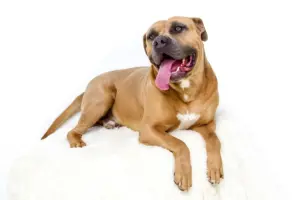
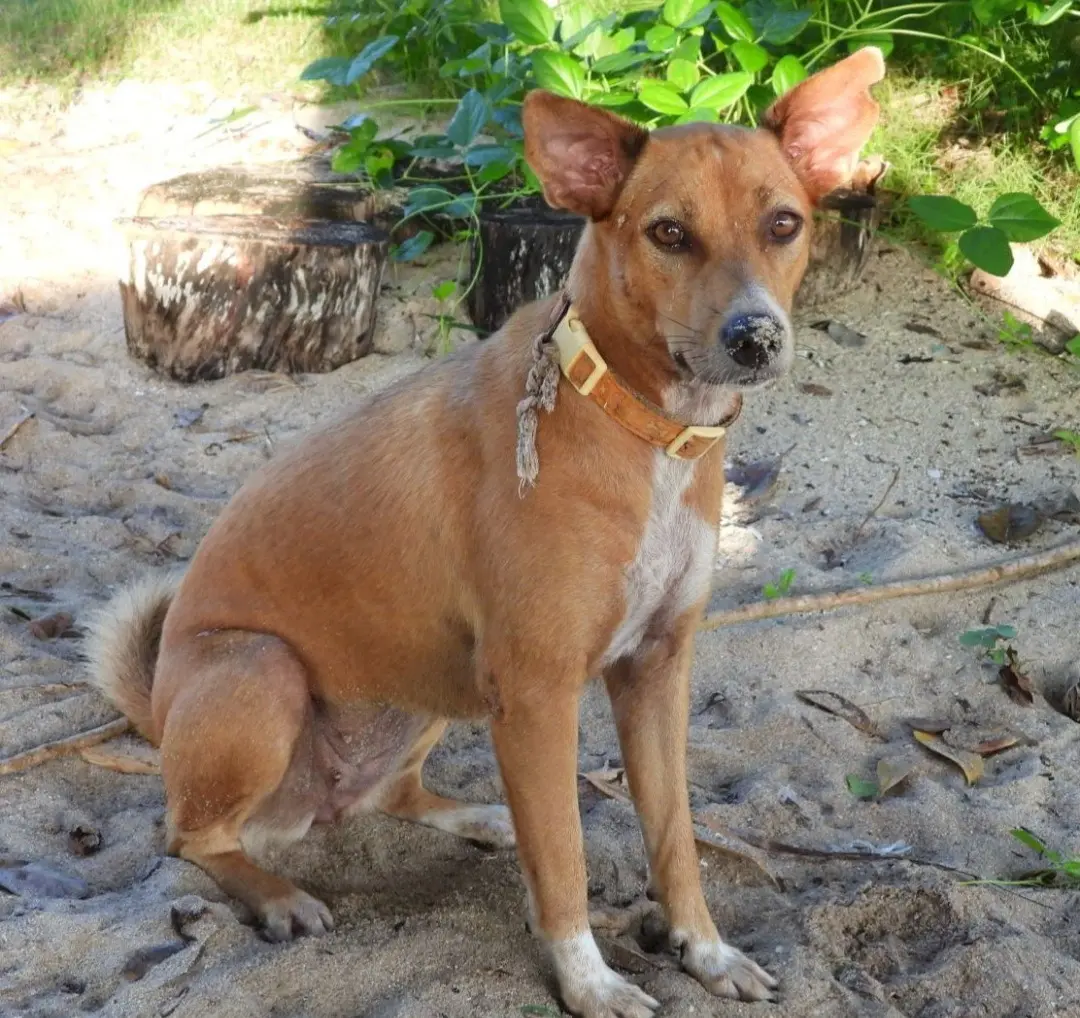
Because Askals do not adhere to a rigid breed standard, their physical appearances vary wildly. However, certain morphological traits recur frequently across the population:
- Size: Generally medium-sized, ranging from 30 to 50 pounds, though smaller and larger variants exist.
- Coat: Typically short, weather-resistant, and low-maintenance. Fur textures range from sleek to slightly coarse.
- Coloration: Displays an extensive palette of coats, including solid black, brown, white, brindle, piebald, and multi-colored patches.
- Head and Facial Features: Medium to long snouts (preventing the breathing difficulties associated with flat-faced breeds), alert or drop ears, and expressive, intelligent eyes.
- Tail: Often long, tapering, and expressive, frequently held high when alert.
Key Biological and Health Metrics
- Life Expectancy: 12 to 15 years (often longer with proper nutrition and indoor care).
- Grooming Requirements: Minimal. Their short coats shed minimally, requiring only occasional brushing and baths when dirty.
- Exercise Needs: Moderate. Daily walks or secure yard access satisfy their physical requirements, balancing periods of high energy with relaxed lounging.
Official Statements and Expert Perspectives
Animal behaviorists, veterinarians, and welfare advocates offer glowing testimonials regarding the capabilities and temperament of the Askal.
Dr. Alice Villanueva, a prominent Metro Manila-based veterinarian and animal welfare advocate, emphasizes the exceptional health profile of the breed:
"When people bring a rescued Askal into a clinic for the first time, they often expect a litany of congenital illnesses common in purebred dogs. Instead, what we routinely find is a remarkably resilient animal with superior immune function, strong dental health, and a sturdy skeletal structure. Nature has crafted a nearly flawless canine architecture through generations of natural selection."
Behavioral specialists note that the Askal’s street heritage imparts a unique cognitive sharpness. Unlike some pampered breeds that struggle with basic problem-solving, Askals exhibit high levels of situational awareness and resourcefulness.
Mark Thompson, an international canine behavior consultant who has worked with rescue groups across Southeast Asia, remarks:

"The cognitive intelligence of the Askal is genuinely astounding. They possess an innate problem-solving aptitude that rivals working herding dogs like Border Collies or German Shepherds. When trained with positive reinforcement, they grasp complex obedience commands rapidly. They understand human intent quickly because, on the street, reading human behavior was a matter of survival."
Furthermore, rescue organizations stress the gentle disposition of these dogs toward children and families. Despite a history that may involve surviving on harsh streets, properly rehabilitated Askals shed their defensive instincts rapidly once they realize they are safe, revealing a remarkably affectionate, loyal, and peaceful nature.
Future Outlook: The Global Future of the Askal
As the world moves away from aesthetic-driven pet ownership toward health, sustainability, and rescue adoption, the Askal is uniquely positioned to capture the hearts of global dog lovers.
Bridging the Gap: Adoption and Importation
For prospective owners outside the Philippines—particularly in the United States, Canada, and Europe—acquiring an Askal requires navigating specific legal and logistical frameworks. Because Askals are not officially recognized by major kennel clubs like the American Kennel Club (AKC), they cannot be sourced through traditional commercial breeders. Instead, they are typically adopted through international rescue networks or brought abroad by expatriates returning home.
Compliance with international animal health regulations is paramount. Owners wishing to import an Askal must meticulously fulfill requirements set by bodies such as the CDC and local departments of agriculture, including:
- Verifiable microchipping.
- Up-to-date rabies and core vaccination records.
- Valid health certificates issued by accredited veterinarians prior to transit.
While these steps demand patience, adopters consistently report that the effort is richly rewarded.
The Evolution of Community Animal Welfare in the Philippines
Domestically, the future of the Askal is bright. The rise of municipal catch-neuter- vaccinate-return (CNVR) programs, coupled with aggressive educational campaigns by local NGOs, has dramatically improved the welfare of street dogs across the Philippines. Communities are increasingly viewing Aspins not as nuisances, but as valued community members and beloved household pets.
Conclusion
The Askal—or Aspin—is much more than a street dog; it is a living testament to resilience, adaptability, and the beauty of natural evolution. With its sharp intellect, sturdy health, affectionate demeanor, and striking versatility, this uniquely Filipino canine is stepping out of the shadows of the streets and into the global spotlight. Whether guarding a rural Philippine homestead or lounging on an American living room rug, the Askal proves that the finest companions are often those forged by the resilience of life itself.