
Executive Overview
In the quiet, methodical world of veterinary diagnostics and clinical research, numbers often tell the story of a silent epidemic. For the Minnesota Urolith Center (MUC) at the University of Minnesota, that number has now reached a staggering, unprecedented milestone: two million.
After 45 years of meticulous operations, continuous innovation, and unwavering dedication to animal health, the MUC has officially analyzed its two millionth urinary stone sample. This landmark achievement is more than just a numerical triumph; it represents a four-decade-long epidemiological crusade against urolithiasis—the painful and potentially life-threatening formation of mineral stones in the urinary tracts of dogs, cats, and exotic animal patients worldwide.
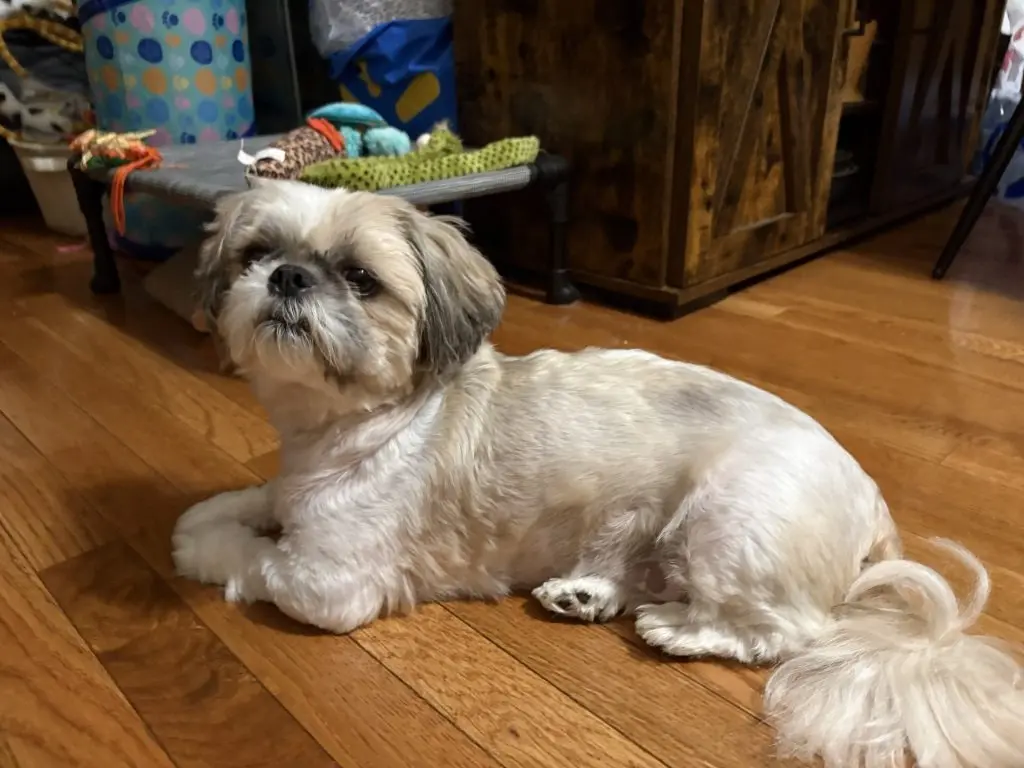
The milestone sample arrived not from a high-tech university research lab, but from the everyday clinical trenches of MountainView Veterinary Hospital in Denville, New Jersey. Submitted by Dr. Brett Lynn and his veterinary team, the sample originated from Gizmo, a four-year-old Shih Tzu. The mineral composition of Gizmo’s stone—an ammonium urate urolith—serves as a textbook illustration of the complex interplay between canine genetics, metabolism, and vascular health.
While Gizmo’s individual diagnosis is a routine occurrence for the skilled pathologists at the MUC, his stone holds a permanent place in veterinary history. It underscores the pervasive nature of urinary tract disorders in companion animals and highlights the indispensable role that centralized, high-volume diagnostic surveillance plays in modern veterinary medicine.
Founded in 1981, the MUC houses the world’s largest database of animal uroliths. Operating on a model of accessible, complimentary diagnostic support funded largely through a long-standing philanthropic educational grant from Hill’s Pet Nutrition, the center processes nearly 100,000 samples annually. By bridging the gap between clinical practice and advanced academic research, the MUC has transformed how veterinarians diagnose, treat, and ultimately prevent urolithiasis across the globe.
Detailed Chronology: 45 Years of Diagnostic Evolution
To truly appreciate the magnitude of the two-millionth sample, one must trace the historical trajectory of the Minnesota Urolith Center back to its inception in the early 1980s. Before the MUC established its systematic approach to stone analysis, veterinary clinicians faced a frustrating diagnostic void. When a dog or cat presented with urinary blockages, dysuria, or recurrent infections caused by uroliths, veterinarians often had to guess at the mineral composition of the stones based on signalment and basic urinalysis, or rely on rudimentary, localized laboratory testing that lacked standardization.
The Foundation Years (1981–1990s)
In 1981, visionaries within the University of Minnesota recognized that combating urolithiasis required a centralized repository of data and biological samples. The goal was simple yet ambitious: create a dedicated facility capable of analyzing animal urinary stones rapidly, accurately, and at minimal cost to veterinary practitioners, thereby encouraging widespread surveillance.
During its first decade, the center relied on classical wet chemistry and early spectroscopic techniques to identify mineral components such as struvite, calcium oxalate, and urates. Even in its infancy, the volume of submissions quickly exceeded expectations. Clinicians realized that knowing the exact crystalline makeup of a urolith was not merely an academic exercise; it was the cornerstone of targeted medical dissolution, dietary modification, and surgical planning.
The Digital Transformation and Global Scale (2000s–2010s)
As the new millennium unfolded, the MUC underwent a massive technological modernization. The advent of advanced infrared spectroscopy and X-ray diffraction technologies allowed technicians to analyze complex, multi-layered stones with microscopic precision. More importantly, the center transitioned from paper archives to a sophisticated, searchable digital database.
This digital pivot unlocked the true epidemiological power of the MUC. By cataloging patient demographics—including age, breed, sex, geographic location, and precise mineral breakdowns—the center transformed every incoming sample into a valuable data point. Researchers could suddenly track shifting trends in urolith prevalence over time, such as the epidemiological shift in felines from struvite-dominant stones in the late 20th century to calcium oxalate dominance following dietary reformulations.
Furthermore, the MUC expanded its logistical footprint. By establishing streamlined shipping protocols and user-friendly submission portals, the center broke down geographic barriers. Veterinary clinics from rural practices in the American Midwest to high-end referral hospitals in Europe, Asia, and Australia began routinely shipping samples to Minnesota, cementing the MUC’s status as a global clearinghouse for urolith intelligence.
The Modern Era and the Two-Millionth Milestone (2020s–Present)
By the mid-2020s, the MUC was processing roughly 100,000 samples per year—a blistering pace that meant tens of thousands of pets were receiving tailored preventive strategies based on direct laboratory findings.
The arrival of the two-millionth sample in late 2026 serves as a testament to this relentless operational tempo. Gizmo’s submission was processed using the state-of-the-art analytical workflows that the center has refined over decades. When Dr. Brett Lynn packed up the ammonium urate sample at MountainView Veterinary Hospital in New Jersey, neither he nor his staff could have predicted it would be the historic specimen. Yet, its arrival encapsulates the modern reality of veterinary medicine: localized clinical care seamlessly integrated with global academic infrastructure.
Supporting Context & Metrics: The Science of Gizmo’s Stone
To understand why Gizmo’s sample is scientifically noteworthy beyond its symbolic status, one must examine the pathophysiology of ammonium urate uroliths in dogs.
The Mystery of Ammonium Urate
Ammonium urate stones account for a distinct minority of canine uroliths, yet they carry profound clinical implications. Unlike common calcium oxalate or struvite stones—which are frequently tied to dietary mineral imbalances or urinary tract infections—ammonium urate stones are intimately linked to abnormal uric acid metabolism.
Uric acid is a breakdown product of purines, which are nitrogen-containing compounds found in high concentrations in organ meats, yeast, and certain proteins. In normal canine metabolism, uric acid is transported to the liver, where the enzyme uricase converts it into allantoin, a highly soluble compound easily excreted in the urine.
However, in certain breeds and medical conditions, this metabolic assembly line breaks down:
- Portosystemic Vascular Anomalies (PSVA): Commonly known as liver shunts, these congenital or acquired vascular malformations allow portal blood to bypass the liver entirely. Because the blood is not filtered by hepatic tissue, purines and ammonia are not converted into urea and allantoin. The resulting hyperammonemia and hyperuricemia create an environment in the kidneys heavily predisposed to ammonium urate crystallization.
- Genetic Mutations in Purine Metabolism: Certain breeds—most notably the Dalmatian—possess a genetic defect in hepatic uric acid transport. While all Dalmatians share this defective transport mechanism, only a subset actually form stones, indicating that secondary environmental, dietary, or genetic modifiers play a crucial role. Non-Dalmatian breeds, such as the Shih Tzu to which four-year-old Gizmo belongs, can also experience similar hereditary metabolic quirks or atypical vascular anomalies.
The Broader Epidemiological Landscape
The MUC’s database provides the statistical backbone for understanding these breed-specific risks. By analyzing millions of records, researchers have mapped out precise demographic risk profiles for virtually every canine and feline breed. For instance:
- Miniature Schnauzers show a pronounced predilection for calcium oxalate stones, often linked to hyperlipidemia and metabolic dysregulation.
- English Bulldogs frequently battle cystine uroliths due to inherited renal tubular transport defects.
- Female cats and dogs historically show higher rates of infection-induced struvite uroliths, whereas males are frequently plagued by obstructive lower urinary tract conditions regardless of mineral type.
These metrics do more than satisfy academic curiosity; they directly shape the standard of care. Knowing that a specific breed is prone to a specific stone type allows veterinarians to initiate proactive screening, recommend specific preventive diets before stones form, and deploy non-invasive monitoring tools.
Official Statements: Voices from the Front Lines of Veterinary Research
The milestone event drew reflections from key leaders who have dedicated their careers to the mission of the Minnesota Urolith Center and its collaborative partners.
Dr. Eva Furrow, co-director of the MUC and a leading authority in veterinary genetics and nephrology, emphasized the collaborative human element behind the vast data sets and laboratory equipment.
"This milestone speaks to the vast number of pets who suffer from urinary stones and to the dedication of veterinarians, owners, the MUC team, and our partner, Hill’s Pet Nutrition, to doing our best to understand and stop stones," Dr. Furrow stated, reflecting on the relentless daily efforts required to process two million individual cases.
Dr. Furrow’s perspective underscores the emotional and physical toll that urolithiasis takes on companion animals. For pet owners, a diagnosis of urinary stones often means navigating painful symptoms, expensive diagnostics, anxiety-inducing surgeries, and strict, lifelong dietary management. The MUC’s work directly alleviates this burden by providing definitive answers that prevent recurrence.
Crucial to the MUC’s operational model is its enduring partnership with Hill’s Pet Nutrition. Through a philanthropic educational grant, Hill’s has underwritten the costs of analysis, ensuring that financial barriers never prevent a veterinarian from submitting a stone sample. This democratization of diagnostics ensures that pets from all economic backgrounds benefit from world-class stone analysis.
Industry representatives have long championed this public-academic alliance. By removing the cost barrier for mineral analysis, the MUC-Hill’s partnership guarantees a continuous influx of data. Without this steady stream of real-world samples, the center’s massive epidemiological database would lack the statistical power required to drive breakthroughs in therapeutic nutrition and preventative medicine.
Future Outlook: The Next Frontier in Urolith Research
Reaching the two-million-sample mark is not a finishing line; it is a springboard for the future. As veterinary medicine marches further into the era of precision medicine, big data, and molecular diagnostics, the Minnesota Urolith Center is uniquely positioned to spearhead the next generation of breakthroughs in nephrology and urology.
1. Advancements in Therapeutic Nutrition
Nutritional management remains the cornerstone of non-invasive urolith prevention and dissolution. Data harvested from the MUC’s two million samples have directly guided the formulation of specialized veterinary diets designed to alter urinary pH, reduce lithogenic mineral saturation, and inhibit crystal aggregation. Future research will leverage artificial intelligence and machine learning algorithms applied to the MUC database to predict individual pet responses to specific dietary formulations, moving from generalized breed recommendations to hyper-personalized nutritional plans.
2. Minimally Invasive Interventions and Urohydropropulsion
Surgical intervention for urinary stones—once the default treatment for most obstructive cases—has undergone a revolutionary shift toward minimally invasive techniques. Pioneering work associated with the MUC has helped refine and popularize methods such as cystoscopy-assisted stone retrieval, laser lithotripsy, and urohydropropulsion (a technique utilizing fluid pressure to flush stones from the bladder without incisions). As imaging technology and endoscopic tools become more sophisticated, the center’s data will continue to help clinicians select the least invasive, most effective removal strategy for every unique anatomical presentation.
3. Decoding the Urinary Microbiome and Genetic Markers
Perhaps the most exciting frontier lies in the realms of genomics and microbiome research. While traditional bacteriology focused on culturing urinary tract infections, modern metagenomic sequencing reveals a complex, resident urinary microbiome that plays a crucial role in mineral precipitation. Researchers utilizing MUC resources are actively investigating how microbial populations interact with host metabolism to either promote or inhibit stone formation.
Simultaneously, genetic screening panels are becoming more accessible. By identifying early-onset urolithiasis-associated genetic mutations before clinical signs manifest, veterinarians hope to intercept the disease process entirely. Genetic counseling for breeding stock, combined with targeted nutritional interventions, could drastically reduce the incidence of hereditary uroliths in high-risk breeds like the Shih Tzu, Dalmatian, and English Bulldog.
4. Sustaining the Mission
As the MUC looks toward its next million samples, its core mission remains remarkably steadfast: to alleviate animal suffering through uncompromising diagnostic support, collaborative research, and accessible education.
Gizmo’s ammonium urate stone, cataloged safely within the archives of the University of Minnesota, stands as a monument to what can be achieved when academic institutions, clinical practitioners, industry partners, and dedicated pet owners unite behind a common goal. Two million stones analyzed means two million distinct clinical stories where uncertainty was replaced by clarity, and where pain was met with a clear path toward healing. In the grand tapestry of veterinary science, the Minnesota Urolith Center continues to write a brilliant chapter on the eradication of urolithiasis, one sample at a time.