
Executive Overview
For thousands of years, Felis catus has walked alongside human civilization, transitioning from an efficient grain guardian in ancient Egyptian granaries to a cherished, integral member of the modern household. Today, domestic cats exhibit a stunning diversity of morphology, temperament, and coat structures. However, this vast spectrum of choice can quickly become overwhelming for prospective pet owners.

Selecting the right cat requires far more than falling in love with a striking photograph or a playful kitten in a window. It demands a sophisticated understanding of breed-specific traits, energy outputs, grooming commitments, and genetic health predispositions. This comprehensive guide examines the 15 most common cat breeds recognized globally, offering an analytical framework to evaluate lifestyle compatibility, health considerations, and long-term care requirements. By bridging aesthetic appeal with behavioral science and veterinary data, this report empowers families and individuals to make an informed, lifelong commitment to their future feline companion.

Detailed Chronology and Breed Profiles
The evolution of domestic cat breeds is a fascinating interplay of natural selection, geographical isolation, and targeted human intervention. Below is a detailed breakdown of the 15 most common cat breeds, charting their historical origins and distinct characteristics.

1. Maine Coon
- Origin & History: Hailing from the harsh winters of New England, the Maine Coon is North America’s native longhaired cat and the official state cat of Maine. Originally prized for their formidable rodent-hunting skills on farms and ships, they were officially recognized as purebreds by the Cat Fanciers’ Association (CFA) in the late 1970s.
- Physical & Behavioral Traits: These "gentle giants" are hard to miss, featuring heavy, water-resistant coats, muscular builds, and often polydactylism—extra toes that act like natural snowshoes in deep winter. Renowned for their friendly, dog-like loyalty, Maine Coons integrate seamlessly into active families with children.
2. Bengal
- Origin & History: Developed through the deliberate crossbreeding of the Asian leopard cat (Prionailurus bengalensis) with domestic feline stock, the Bengal was created to capture the exotic majesty of the jungle within a manageable domestic temperament.
- Physical & Behavioral Traits: Bengals sport striking, high-contrast coats featuring spots, rosettes, and an iridescent glitter sheen. Highly talkative and athletic, they demand continuous physical and mental stimulation. They thrive in environments where they can climb, explore, and engage in interactive play.
3. Siamese
- Origin & History: Originating in the ancient kingdom of Siam (modern-day Thailand), Siamese cats were historically reserved for royalty. They served as foundational stock for numerous modern breeds, including the Oriental Shorthair, Sphynx, and Himalayan.
- Physical & Behavioral Traits: Instantly recognizable by their striking "pointed" coloration (darker pigmentation on the face, ears, legs, and tail) and piercing blue eyes, Siamese cats are exceptionally intelligent and vocal. They demand high levels of social interaction and will readily converse with their human companions throughout the day.
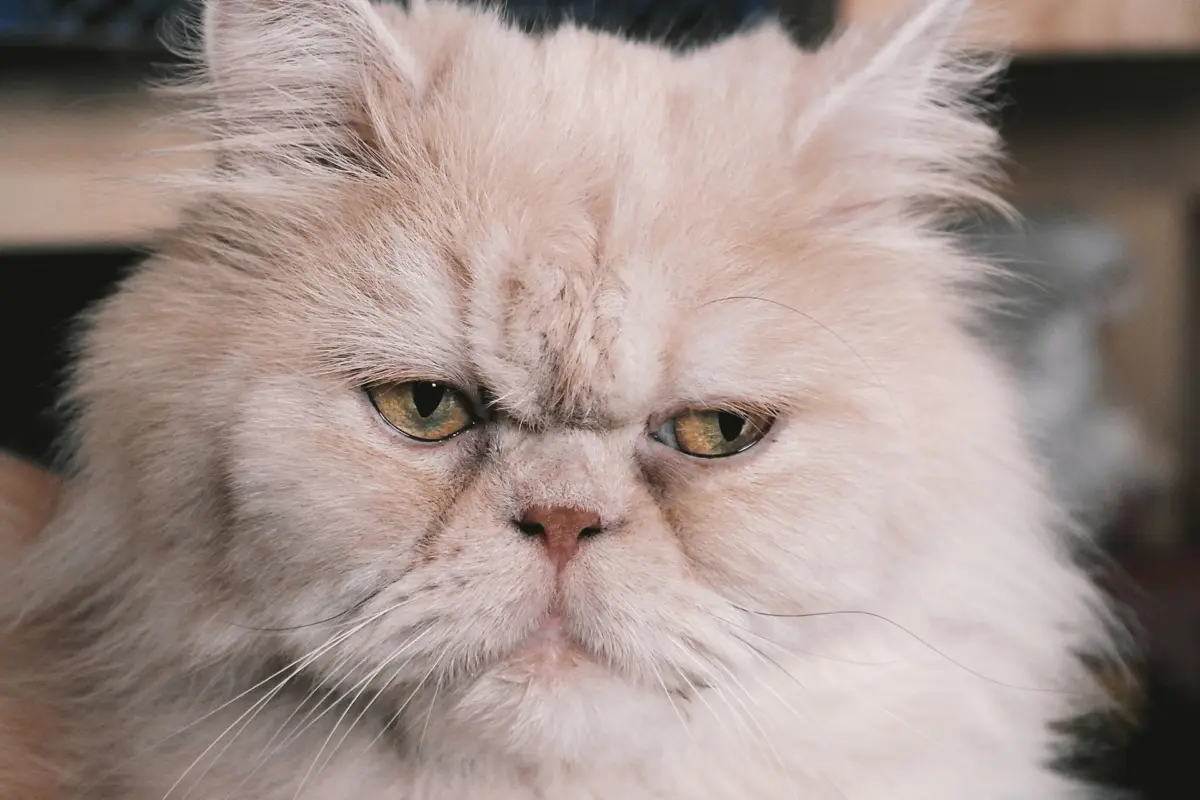
4. Persian
- Origin & History: Historically known as the Iranian or Shiraz cat, named after the Iranian city, the Persian is one of the oldest and most glamorous natural cat breeds. Their history dates back centuries through trade routes connecting Persia and Europe.
- Physical & Behavioral Traits: Distinguished by their luxurious long coats and flattened ("smushed") facial structures, Persians are the epitome of quiet elegance. They possess an easy-going, serene personality, preferring peaceful environments where they can lounge as professional lap cats.
5. Ragdoll
- Origin & History: Developed in California during the 1960s by breeder Ann Baker, the Ragdoll was named for its unusual tendency to go completely limp and relaxed when picked up in human arms.
- Physical & Behavioral Traits: Sharing genetic roots with longhaired pointed cats, Ragdolls feature semi-long coats, deep blue eyes, and docile, affectionate temperaments. Their trusting, dog-like devotion makes them quintessential indoor companions for families seeking maximum affection.
6. British Shorthair
- Origin & History: Tracing their lineage back to the robust street and farm cats of Rome brought to Britain centuries ago, the British Shorthair was refined through selective breeding to become the quintessential sturdy, easy-going English cat.
- Physical & Behavioral Traits: Characterized by dense, plush coats often seen in classic British Blue, and round, expressive faces, these cats have moderate activity levels. They adapt effortlessly to apartment living, getting along wonderfully with children and other household pets without demanding constant high-energy play.
7. Abyssinian
- Origin & History: Believed to have originated in the region of Abyssinia (modern-day Ethiopia), these cats bear a striking physical resemblance to the sacred cats depicted in ancient Egyptian art.
- Physical & Behavioral Traits: The Abyssinian features a distinctive ticked "agouti" coat, wedge-shaped head, and large, alert ears. They are intensely curious, highly energetic, and driven by an insatiable desire to investigate every corner of their environment alongside their human family.
8. Russian Blue
- Origin & History: Originating from northern Russia—with lore suggesting they sailed with sailors from the port of Archangel—Russian Blues are natural aristocrats prized for their dense, plush double coats.
- Physical & Behavioral Traits: Their unique silver-tipped blue fur creates a luminous sheen, complemented by striking, vivid green eyes. While deeply affectionate with their trusted humans, they possess a naturally cautious and reserved disposition around unfamiliar visitors or chaotic, high-energy environments.
9. American Shorthair
- Origin & History: Descended from European working cats brought over on the Mayflower by early American settlers to protect cargo from rodents, the American Shorthair represents a rich tapestry of resilience and adaptability.
- Physical & Behavioral Traits: Officially recognized in 1966, this breed is celebrated for its sturdy build, placid disposition, and deep-seated loyalty to every member of the human household. They make steady, low-drama companions.
10. Oriental Shorthair
- Origin & History: Developed as a vibrant expansion of the Siamese family, the Oriental Shorthair combines the slender, elegant physique of its ancestors with a breathtaking palette of solid colors, tabbies, and tortoiseshell patterns.
- Physical & Behavioral Traits: Highly social and emotionally sensitive, Oriental Shorthairs can suffer from separation anxiety if left alone for extended periods. Like their Siamese relatives, they communicate using an impressive vocabulary of vocal tones to express their thoughts and needs.
11. Devon Rex
- Origin & History: Discovered in Devon, England, during the late 1960s, the Devon Rex mutation yielded a distinctively elfin facial structure and a wonderfully unique, suede-like wavy coat.
- Physical & Behavioral Traits: Often described as a "cat-monkey-dog hybrid" due to their mischievous antics, large low-set ears, and high intelligence, Devon Rex cats are intensely friendly, social, and eager participants in family life.
12. Sphynx
- Origin & History: Emerging via a natural genetic mutation in Canada during the 1960s, the Sphynx revolutionized the perception of feline aesthetics by showcasing a hairless, exquisitely wrinkled physique.
- Physical & Behavioral Traits: Despite appearing completely hairless, Sphynx cats possess a fine, peach-fuzz down that feels like warm suede. They are extraordinarily affectionate, constantly seeking out human body heat and cuddling enthusiastically to combat their lack of insulating fur.
13. Scottish Fold
- Origin & History: Descended from a single barn cat named Susie discovered in Scotland in 1961, this breed is defined by its iconic folded ears resulting from a cartilage mutation.
- Physical & Behavioral Traits: Scottish Folds are sweet-tempered, quiet, and deeply attached to their owners. Because the gene responsible for folded ears can also affect skeletal cartilage, ethical breeding practices often pair Folds with straight-eared British Shorthairs to protect genetic health.
14. Burmese
- Origin & History: Originating from a single foundational cat named Wong Mau brought from Burma to the United States in the 1930s, the Burmese breed has captured hearts worldwide with its muscular frame and golden eyes.
- Physical & Behavioral Traits: Highly energetic, exceptionally clever, and athletic, Burmese cats can easily be trained to fetch, walk on leashes, and master complex puzzles. Their profound need for interaction means they dislike prolonged isolation.
15. Birman
- Origin & History: Steeped in sacred temple legend from ancient Burma, the modern Birman arrived in Europe and North America in the early 20th century, serving as a vital genetic bridge in the development of other pointed longhair breeds.
- Physical & Behavioral Traits: Distinguished by their striking white "gloves" on all four paws, deep blue eyes, and silky medium-long coats without heavy undercoats, Birmans are gentle, social, and deeply devoted companions.
Supporting Context and Metrics: Understanding Feline Demographics
To contextualize the popularity and distribution of these breeds, veterinary and pet industry analysts point to several overarching trends in pet ownership. According to global pet census data, mixed-breed or "domestic shorthair" cats still account for the majority of the global cat population; however, intentional breeding for specific temperaments, hypoallergenic qualities, and apartment adaptability has driven exponential growth in purebred ownership over the last two decades.

| Breed Group | Average Lifespan | Primary Grooming Demand | Ideal Living Environment |
|---|---|---|---|
| Maine Coon | 12 – 15 Years | High (Weekly to Bi-weekly) | Spacious home with room to roam |
| Bengal | 12 – 16 Years | Low (Weekly brushing) | Active home with environmental enrichment |
| Siamese | 15 – 20 Years | Low (Minimal shedding) | Social household with constant interaction |
| Persian | 12 – 17 Years | Extreme (Daily grooming mandatory) | Calm, quiet indoor environment |
| Ragdoll | 12 – 15 Years | Moderate (Twice-weekly brushing) | Family home prioritizing affection |
| British Shorthair | 12 – 20 Years | Low (Weekly brushing) | Adaptable (Excels in apartments) |
| Abyssinian | 12 – 15 Years | Low (Minimal maintenance) | Dynamic home with vertical climbing spaces |
| Russian Blue | 15 – 20 Years | Low (Low dander, weekly brushing) | Peaceful, low-stress household |
| American Shorthair | 15 – 20 Years | Low (Weekly brushing) | Versatile family setting |
| Oriental Shorthair | 12 – 15 Years | Low (Weekly brushing) | Interactive home where humans are frequently present |
| Devon Rex | 9 – 13 Years | Moderate (Gentle wipe-downs/grooming) | Warm indoor environment with playful owners |
| Sphynx | 10 – 14 Years | High (Weekly sponge baths/skin care) | Indoor-only home protected from extreme temperatures |
| Scottish Fold | 11 – 14 Years | Moderate (Weekly brushing) | Stable home aware of potential joint care needs |
| Burmese | 16 – 18 Years | Low (Weekly brushing) | Engaged family offering active playtime |
| Birman | 12 – 16 Years | Moderate (Twice-weekly brushing) | Balanced home seeking gentle companionship |
Health Considerations Across Breeds
Prospective cat owners must look beyond initial aesthetic charms to understand the hereditary health profile of their chosen breed. Veterinary science confirms that selective breeding can concentrate certain genetic vulnerabilities.

- Cardiovascular and Renal Health: Breeds such as the Persian are statistically predisposed to Polycystic Kidney Disease (PKD), an inherited condition that requires genetic screening of breeding stock. Meanwhile, Maine Coons and Ragdolls can carry markers for Hypertrophic Cardiomyopathy (HCM), a common form of feline heart disease. Regular veterinary echocardio-screenings are highly recommended.
- Musculoskeletal Concerns: The genetic mutation responsible for the adorable folded ears of the Scottish Fold—osteochondrodysplasia—inherently affects cartilage and bone development throughout the body, making these cats susceptible to early-onset arthritis. Similarly, the massive frame of the Maine Coon places extra stress on hip joints, elevating the risk of hip dysplasia.
- Dermatological and Dental Health: Hairless breeds like the Sphynx require vigilant skin management. Lacking fur to absorb natural body oils, they are prone to oily skin buildup, microbial dermatitis, and sensitivity to both extreme cold and ultraviolet radiation. Flat-faced (brachycephalic) breeds like Persians frequently encounter dental overcrowding and respiratory or tear-duct drainage complications.
Grooming Considerations and Resource Management
A critical determinant of long-term owner satisfaction is aligning a breed’s physical upkeep with the owner’s available time and financial budget. Feline grooming is not merely cosmetic; it is an essential component of preventive healthcare.

High-Maintenance Coats
Long-haired breeds, most notably the Persian and heavily-furred Maine Coons, possess dense undercoats that trap loose fur. Without daily intervention using specialized metal combs and slicker brushes, these coats rapidly develop painful mats and pelting that can pull tightly on the skin, potentially leading to infections. Owners must budget both daily time commitments and professional grooming expenses into their lifestyle calculations.

Low-to-Moderate Maintenance Coats
Shorthaired breeds such as the British Shorthair, American Shorthair, and Russian Blue feature dense but manageable coats. Weekly brushing sessions are generally sufficient to remove dead hairs, stimulate natural sebum distribution, and drastically reduce the volume of loose fur floating around the home or ingested during self-grooming (thereby mitigating hairball formations).

Future Outlook: Responsible Breeding and Adoption
As the pet care industry continues to evolve, the future of feline ownership points toward greater transparency, ethical breeding certification, and personalized veterinary care. DNA testing kits now allow breeders and owners to screen for over 50 genetic health conditions before symptoms manifest, paving the way for healthier, longer-lived companion animals.

Furthermore, animal welfare organizations emphasize the importance of matching lifestyle parameters—such as activity levels, home square footage, travel frequency, and allergy tolerances—not just to purebred profiles, but to individual rescue animals as well. Whether welcoming an exotic Bengal, a regal Persian, or a loving domestic mix, the ultimate success of the human-animal bond rests upon education, empathy, and a steadfast commitment to meeting the comprehensive physical and emotional needs of our feline companions.